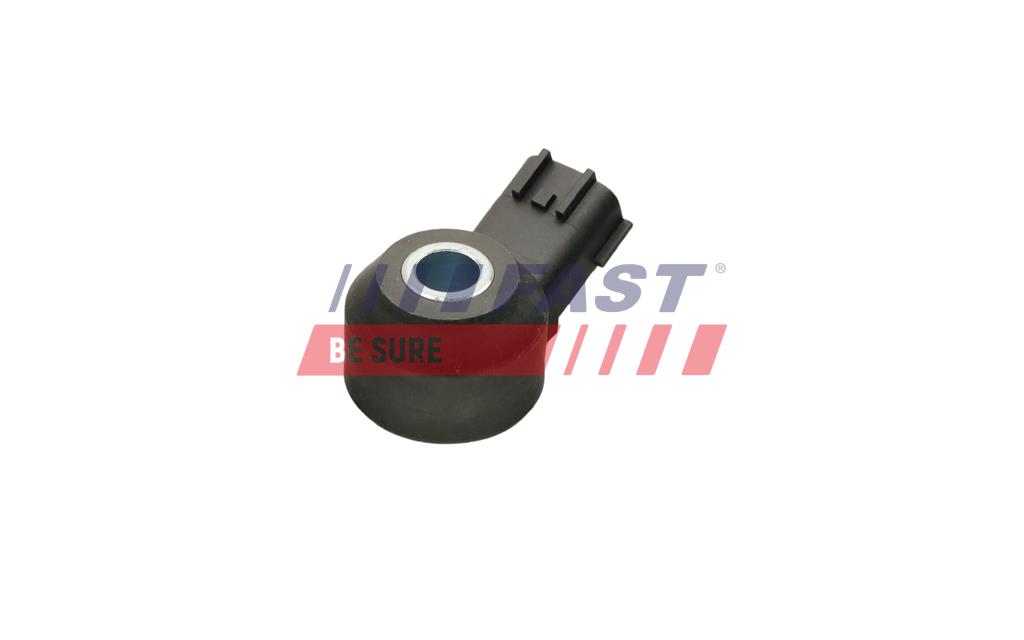
KNOCK SENSOR FIAT DOBLO 00> 1.6 16V

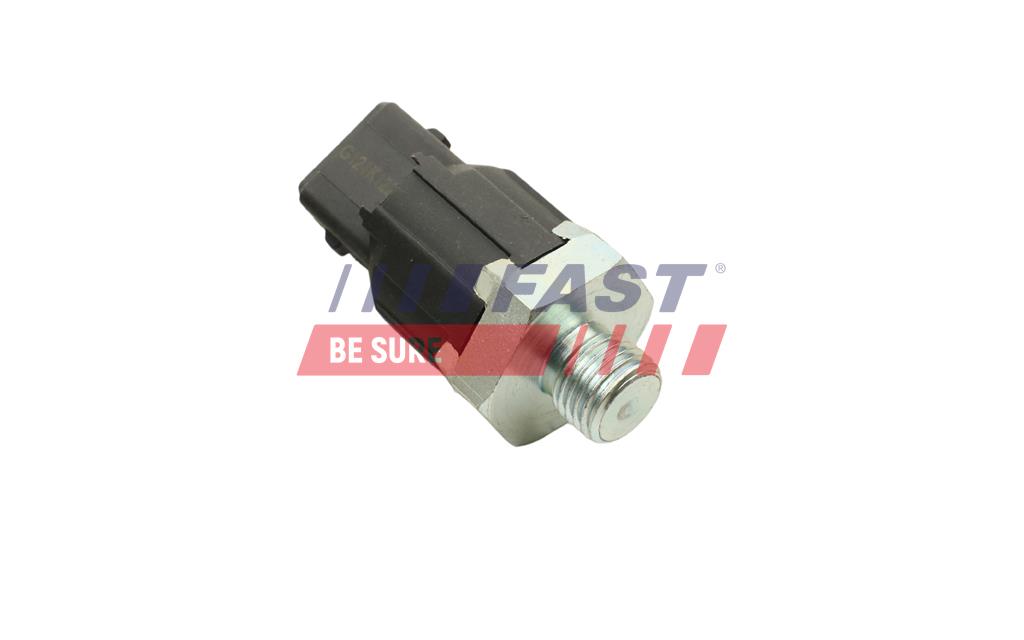
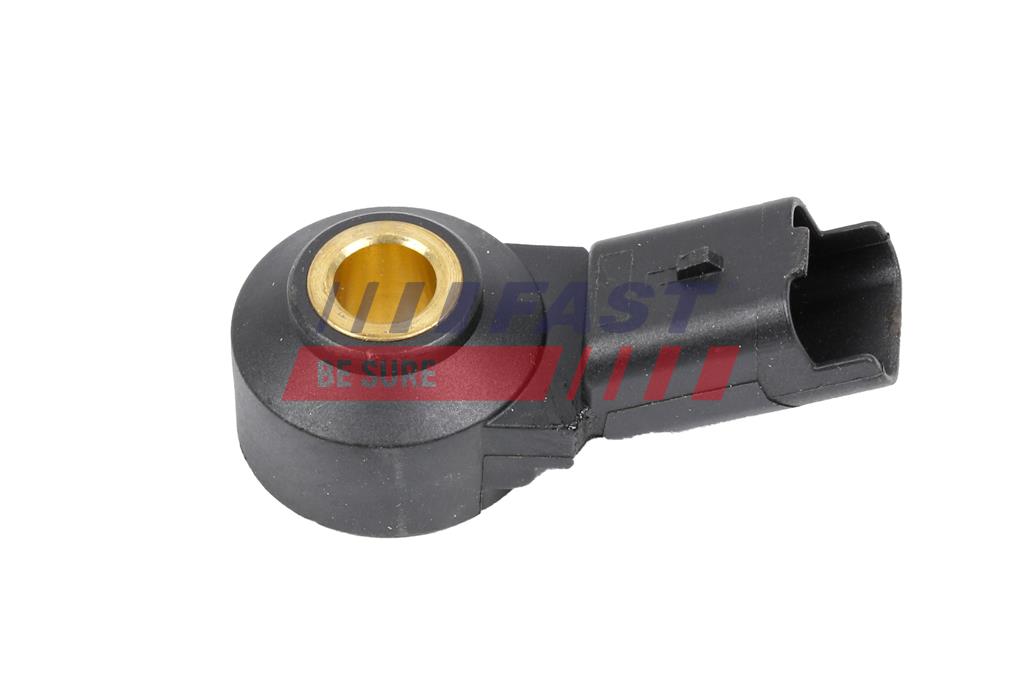
Explore our extensive range of high-quality knock sensors designed to enhance engine performance across various vehicle models, from commercial to passenger cars. Our comprehensive catalogue ensures you find the perfect match for your needs. Stay ahead with our regularly updated offerings and subscribe to our newsletter for the latest products and industry insights. Upgrade your inventory today with top-performing knock sensors that keep engines running smoothly and efficiently.
The knock sensor is an essential component in modern vehicles, playing a pivotal role in engine management systems. This smart device is adept at detecting unusual vibrations caused by engine knocking, a phenomenon that can lead to reduced performance and efficiency if not addressed. Engine knocking occurs when fuel burns unevenly in the cylinder, potentially causing damage to engine components over time. The knock sensor identifies these vibrations and sends critical data to the engine control unit (ECU), which then adjusts the ignition timing to prevent knocking and optimise engine performance. By ensuring smooth engine operation, this part helps maintain optimal fuel efficiency and power output. However, if the sensor fails, this could lead to engine misfires and increased emissions. While the cost of sensor replacement can vary, regular maintenance and timely replacement of a malfunctioning sensor are crucial, as ignoring these maintenance needs can lead to more severe engine damage and higher repair costs in the long run.
Recognising symptoms of a faulty knock sensor in your vehicle is essential to maintaining its overall performance and preventing costly repairs. One of the most common indicators is a noticeable decrease in engine efficiency, which might be accompanied by increased fuel consumption. You might also experience engine misfiring or hear unusual knocking noises emanating from the engine compartment. These noises occur when the engine cannot properly adjust the ignition timing, leading to uneven combustion. Additionally, a defective sensor can trigger the check engine light, commonly displaying a diagnostic trouble code. Ignoring these symptoms can exacerbate the problem, leading to more significant engine damage over time. This could result in a substantial increase in the knock sensor replacement cost, as well as potential damage to other critical engine components. Timely detection and replacement of a faulty sensor are crucial steps in avoiding unnecessary expenses and maintaining engine health.
Understanding where the knock sensor is located in your vehicle is crucial for effective troubleshooting and maintenance. Typically, the sensor is found on the engine block, cylinder head, or intake manifold, though precise placement can vary by vehicle make and model. When faced with a malfunction in the knock sensor circuit, it indicates a possible fault in the sensor circuit or a disruption in the signal to the engine control unit. Troubleshooting such issues involves checking the sensor’s electrical connections, ensuring there are no loose or corroded wires, and testing the sensor’s functionality with a multimeter. By addressing these faults promptly, you can maintain optimal engine performance and avoid the costs associated with prolonged neglect.
The knock sensor is a vital component in modern engines, designed to detect abnormal combustion events, commonly known as ‘knocking’ or ‘pinging’. It monitors engine vibrations and sends signals to the engine control unit (ECU) to adjust ignition timing accordingly. This adjustment helps prevent potential engine damage, optimises performance, and enhances fuel efficiency.
A malfunctioning knock sensor can manifest through several indicators. Common symptoms include a noticeable decrease in engine performance, increased fuel consumption, and unusual engine noises such as knocking or pinging sounds. Additionally, the vehicle may experience rough idling or hesitation during acceleration. Prompt attention to these signs is crucial to prevent further engine complications.
Yes, a defective knock sensor can activate the Check Engine light on your vehicle’s dashboard. When the ECU detects irregularities in the knock sensor’s signals, it may store a diagnostic trouble code and illuminate the warning light. It’s advisable to have the vehicle inspected by a qualified technician to diagnose and address the issue promptly.

Subscribe our newsletter, why is it worth it? Every week a lot of new products that you can’t miss. Just enter your e-mail address and access the database of new Fast products. The brand’s portfolio is growing by up to several dozen products a week. Don’t miss out on expanding your offer with new FAST codes, register now!