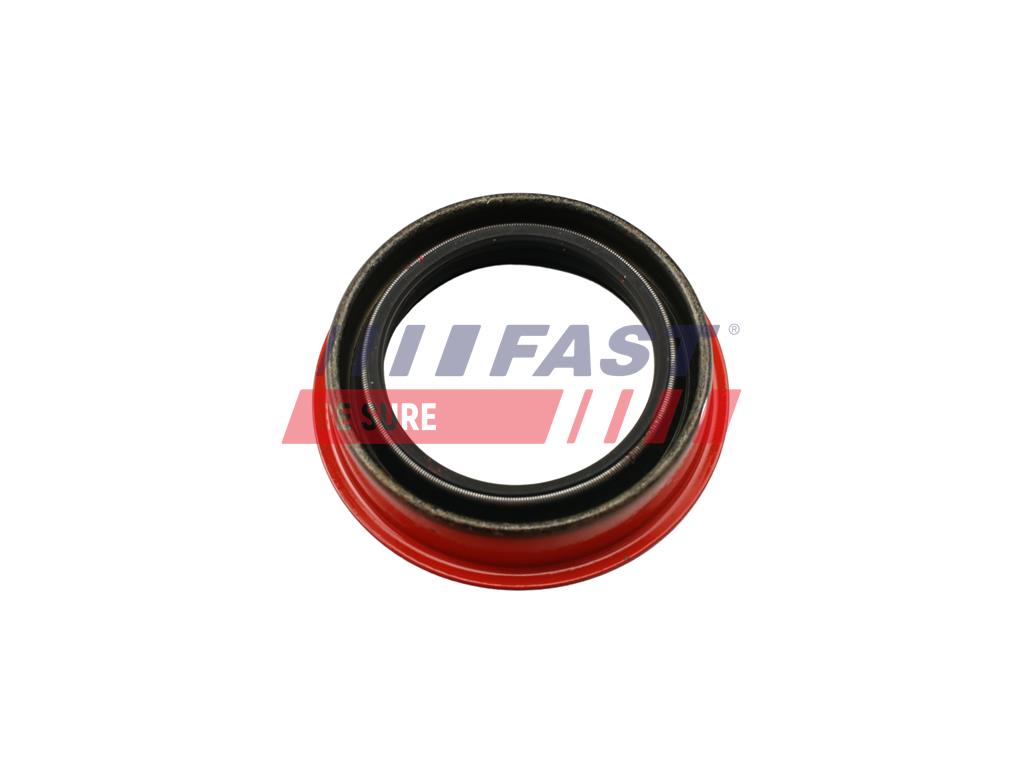
SEAL FORD TRANSIT CONNECT 13> DRIVESHAFT 1.6 TDCI



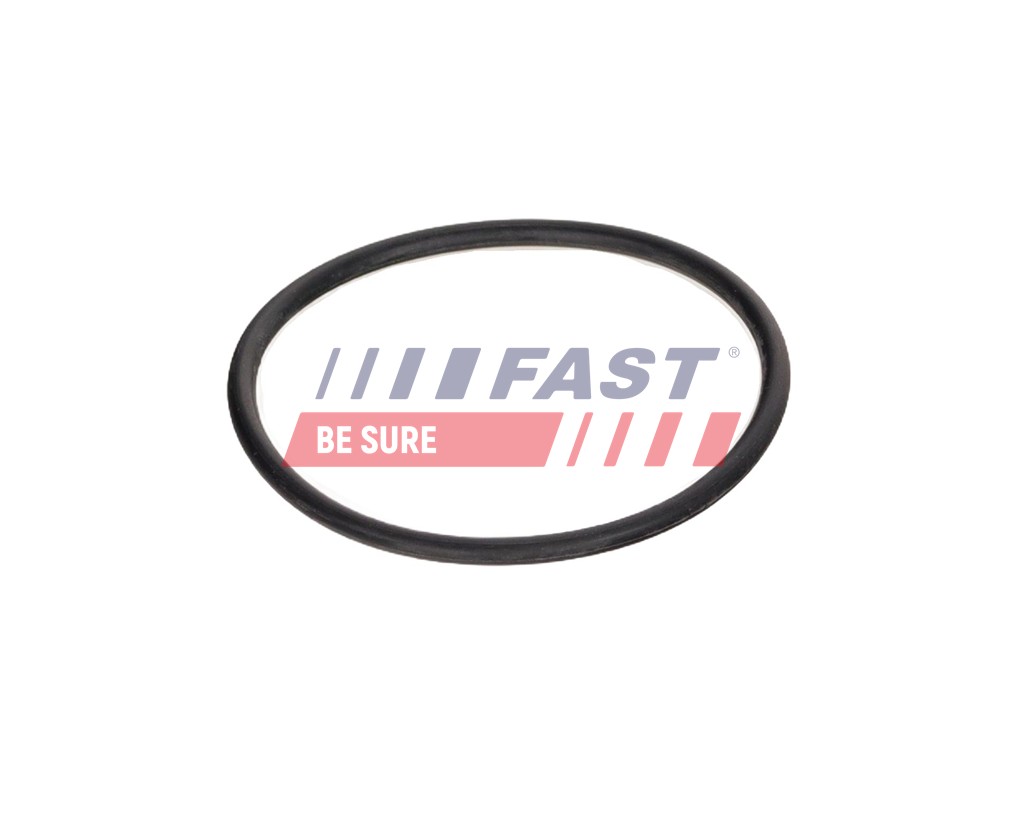
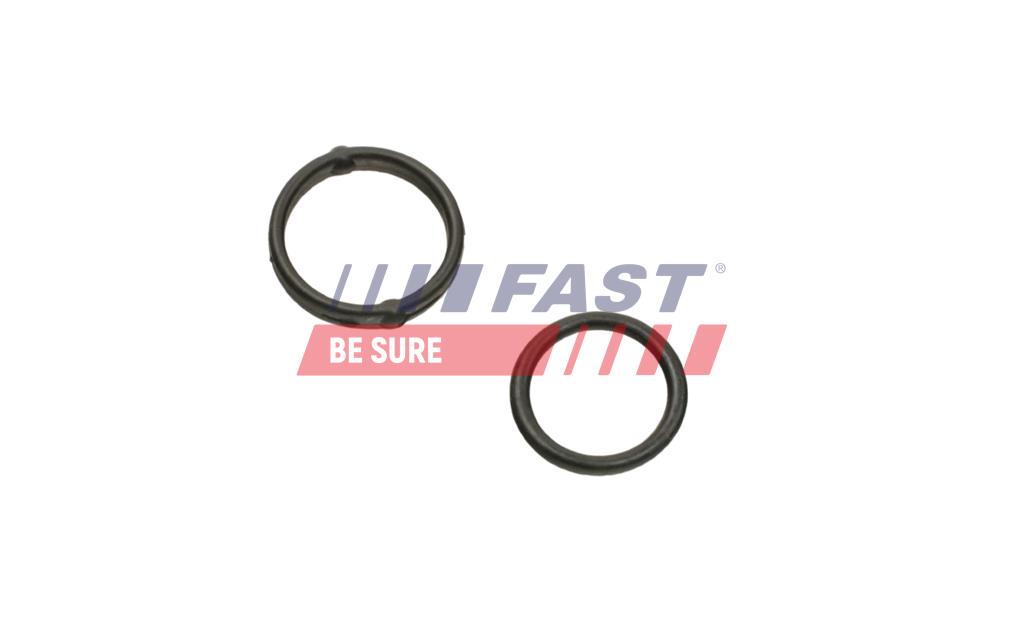

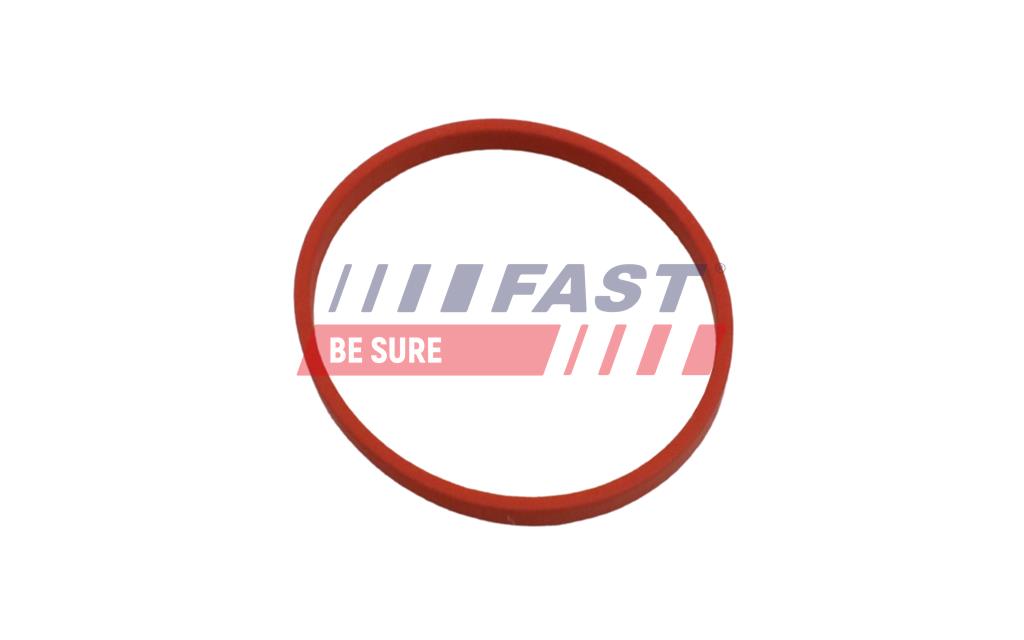
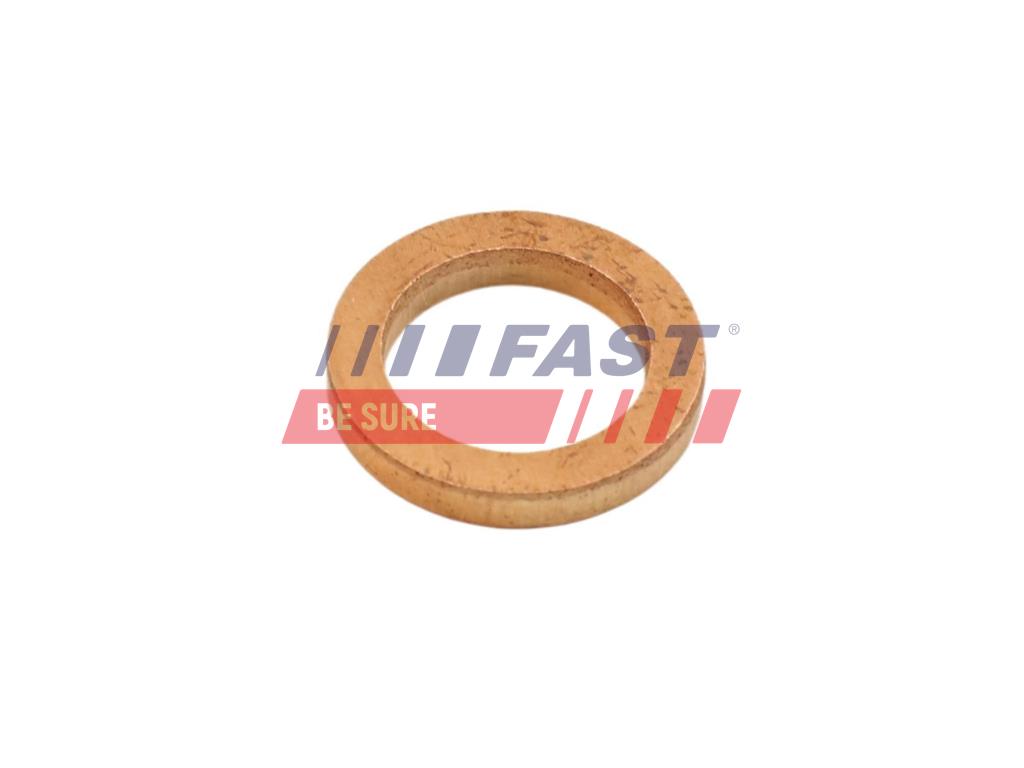
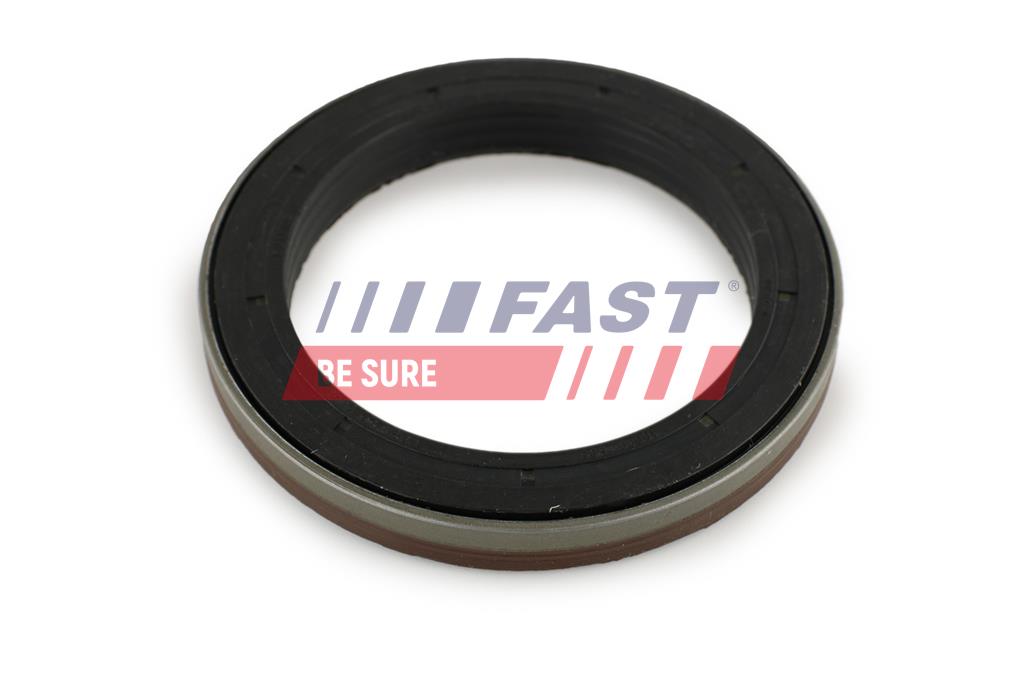


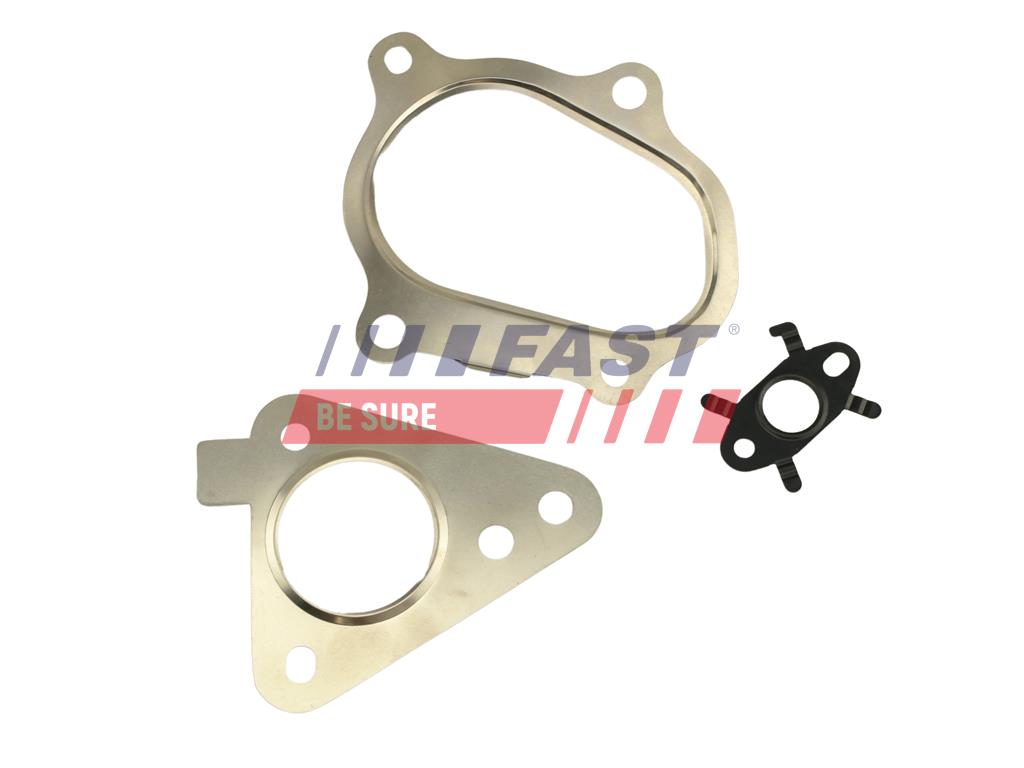

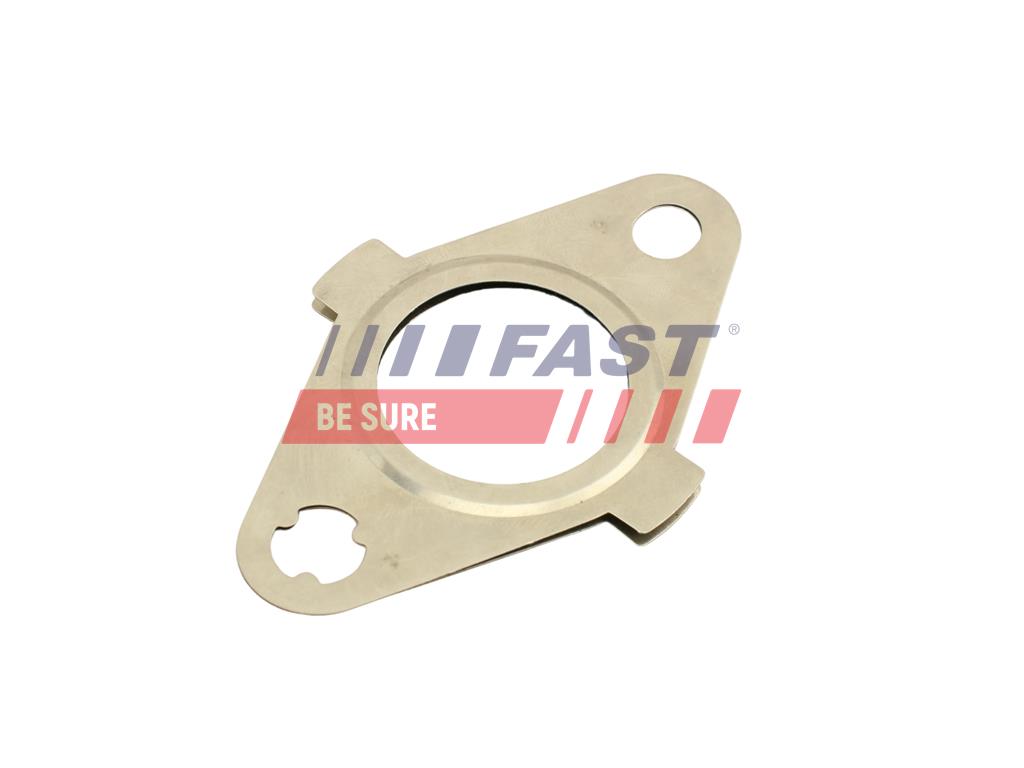
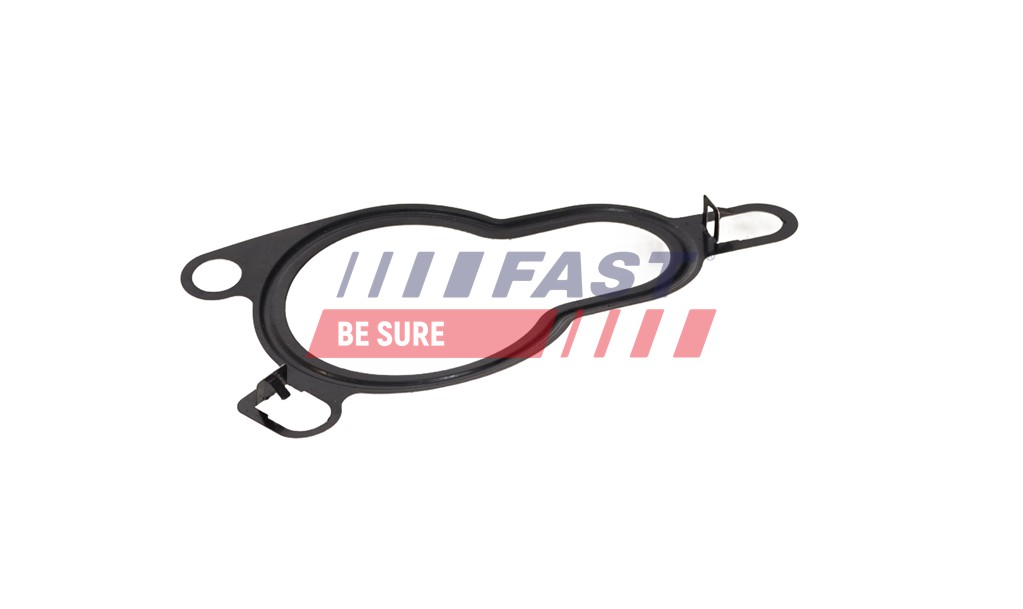
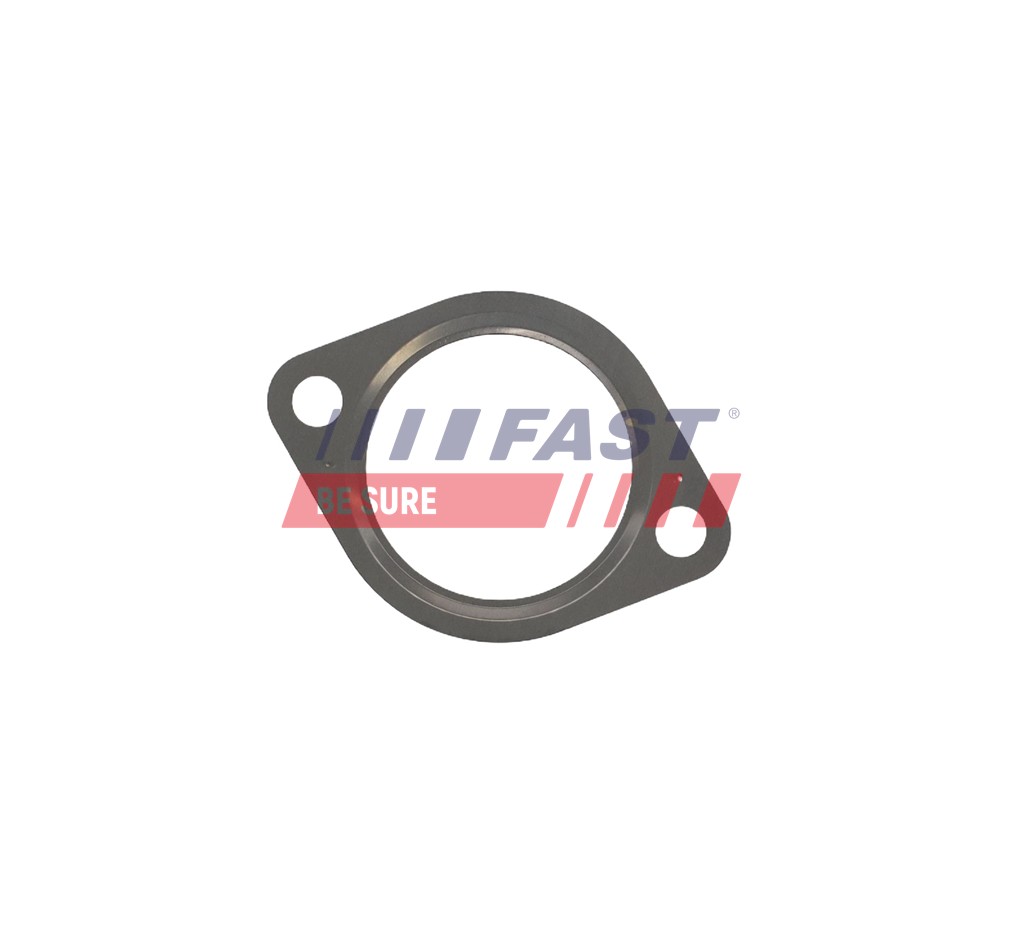


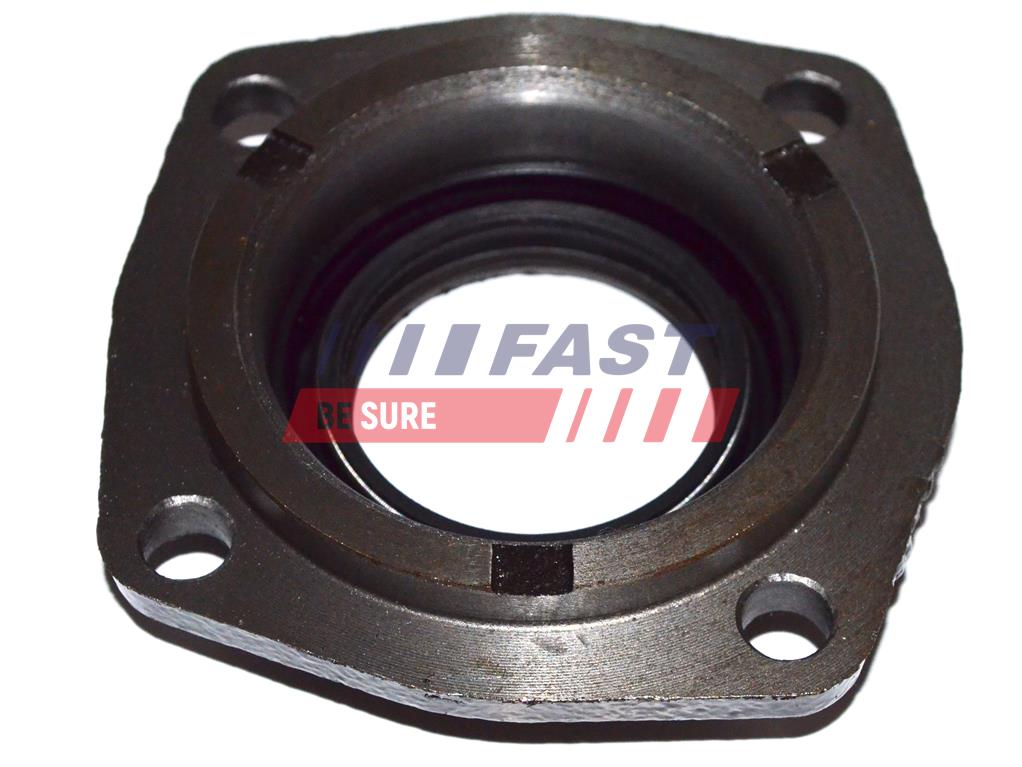
Discover the crucial role gaskets play in maintaining your vehicle’s performance with our FAST original Gaskets category. Our high-quality selection ensures excellent sealing for vital systems, preventing unnecessary intake manifold gasket leaks and aiding in oil cooler gasket replacement needs. Explore the different exhaust flange gasket materials and choose between liquid gaskets vs paper options for the best fit. Stay ahead with our latest offerings by subscribing to our newsletter now!
In the complex world of automotive systems, choosing the right gaskets is paramount for maintaining the health and efficiency of your vehicle. FAST original gaskets act as vital seals that keep different components of your engine system functioning seamlessly. Selecting the appropriate gasket ensures optimal performance and helps avert common issues such as intake manifold gasket leaks. These leaks can lead to air escaping the engine, causing it to run inefficiently or misfire, potentially resulting in costly repairs. Likewise, when undertaking an oil cooler gasket replacement, the right gasket is crucial for preventing oil leaks that decrease engine lubrication and cause possible engine damage. A high-quality gasket withstands the pressures and temperatures it encounters, ensuring a longer lifespan and better performance of the entire system. Therefore, investing time in selecting the right gasket for your specific vehicle model and operating conditions is essential for preserving the integrity of critical automotive systems. By making informed choices, you can preemptively address potential problems and sustain the efficacy of your vehicle, ensuring it stays roadworthy and performs at its best.
Understanding the variety of materials from which gaskets are crafted is essential for making informed decisions in automotive maintenance and repair. FAST original gaskets are composed of various materials suited to specific applications and conditions, ensuring they effectively seal and protect engine components. One critical consideration is the choice of exhaust flange gasket material. This material must withstand high temperatures and pressures to prevent exhaust leaks, which can compromise engine performance and emissions. Common materials for these gaskets include metals like steel or durable composites. Additionally, when selecting gaskets, it is crucial to weigh the options of liquid gaskets vs paper. Liquid gaskets provide a flexible seal ideal for complex or difficult-to-fit areas, offering excellent sealing properties and resistance to oil and coolant. In contrast, paper gaskets are typically used for their ease of application and suitability for low-pressure environments, such as oil pans. Each type has its benefits, depending on the specific application. By understanding these materials, you can ensure the chosen gasket meets the vehicle’s operating conditions, promoting longevity and reliability in its systems.
The FAST original catalogue takes pride in offering a comprehensive range of gaskets tailored to the diverse needs of various vehicle types and brands. From popular makes such as Fiat, Mercedes-Benz, Renault, and Ford to other global manufacturers, our extensive selection ensures you can find the right gasket for your specific requirements. Whether addressing common issues like an intake manifold gasket leak or tackling an oil cooler gasket replacement, we offer solutions that simplify the maintenance process. Our assortment includes individual gaskets and complete gasket sets, designed to facilitate the assembly and upkeep of multiple vehicle components in one package. This approach ensures every component works in harmony, reducing the risk of future leaks and enhancing overall vehicle performance. By choosing FAST original, you’re investing in reliability and ease, knowing that our gaskets are crafted from premium materials to withstand the rigours of various operating environments, thus ensuring a seamless and efficient maintenance experience.
Selecting the appropriate gasket material is crucial for ensuring a reliable seal and optimal performance. Consider the following factors:
Consulting with a gasket specialist can provide tailored recommendations based on your specific application needs.
Gasket failures can result from various factors, including:
Regular maintenance and proper installation practices can significantly reduce the risk of gasket failure.
While sealants can be used in certain applications, they are not always a suitable replacement for gaskets. Gaskets are specifically designed to fill the space between two mating surfaces, providing a reliable seal under varying conditions. Sealants, on the other hand, may not offer the same level of resilience and can degrade over time, especially under high temperatures or pressures. Additionally, using sealants improperly can lead to contamination or blockages within the system. It’s advisable to use gaskets as intended and consult with a professional before substituting with sealants.

Subscribe our newsletter, why is it worth it? Every week a lot of new products that you can’t miss. Just enter your e-mail address and access the database of new Fast products. The brand’s portfolio is growing by up to several dozen products a week. Don’t miss out on expanding your offer with new FAST codes, register now!