
CABIN FILTER RENAULT MASTER III 10> ANTIALLERGIC PM 2.5

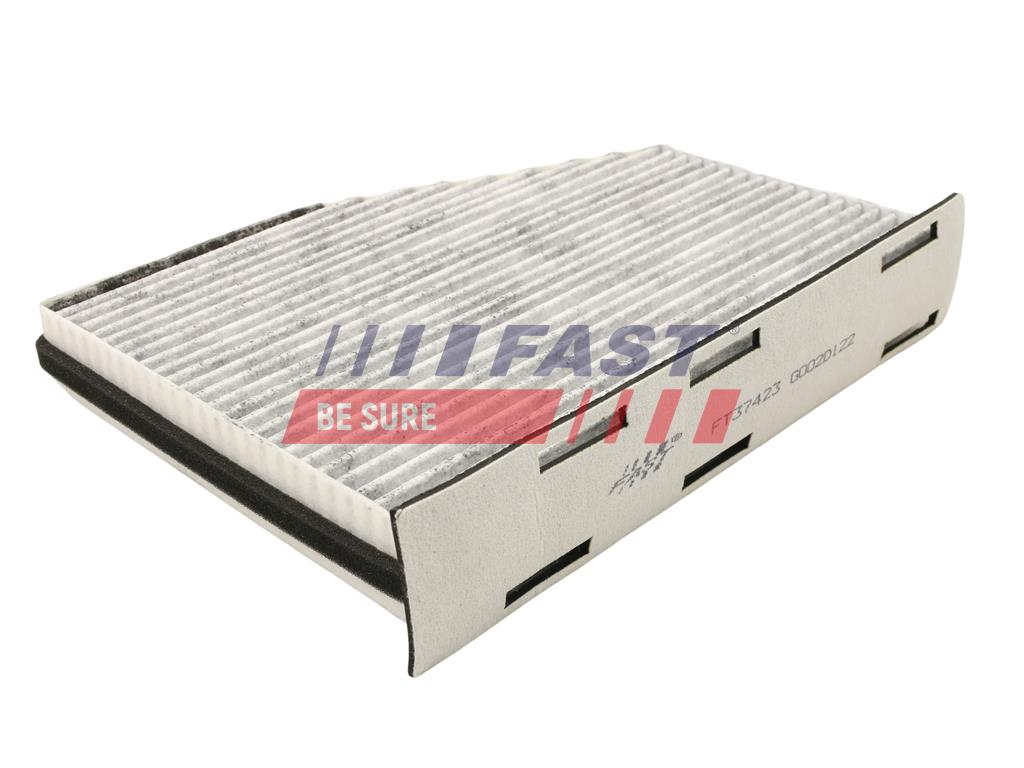
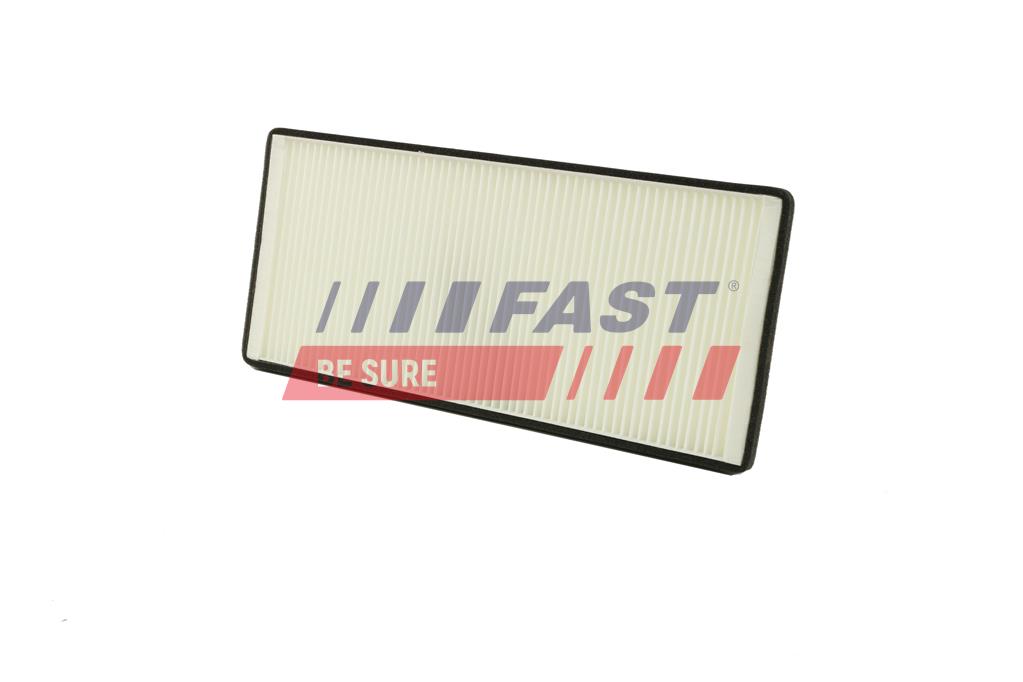
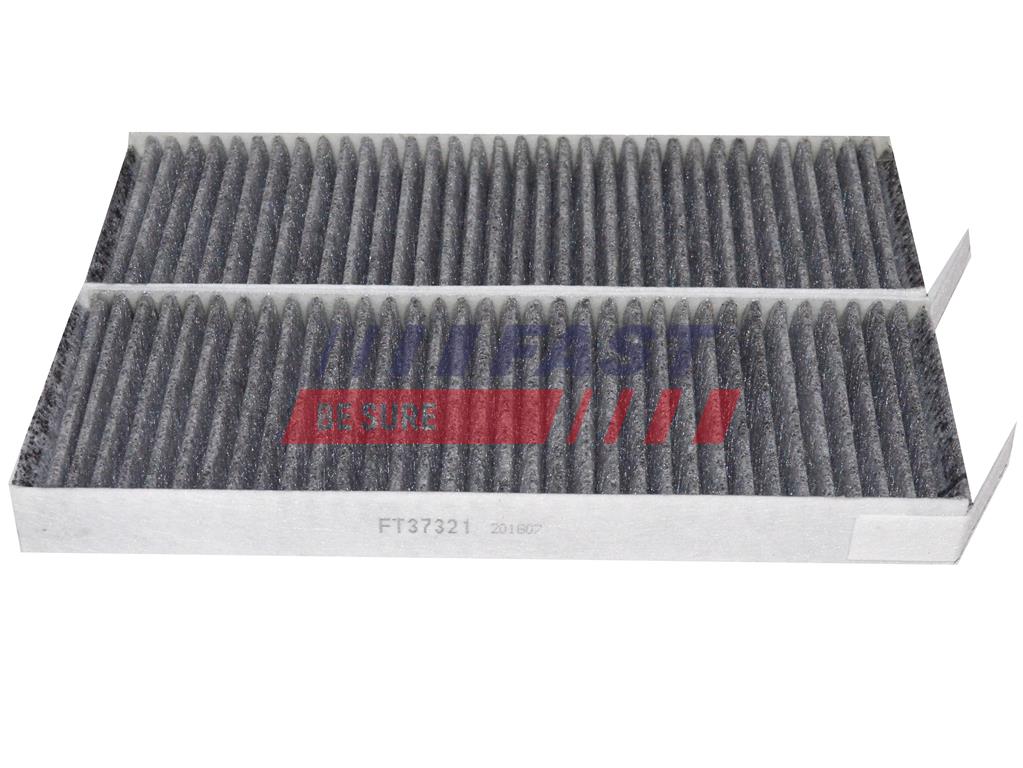
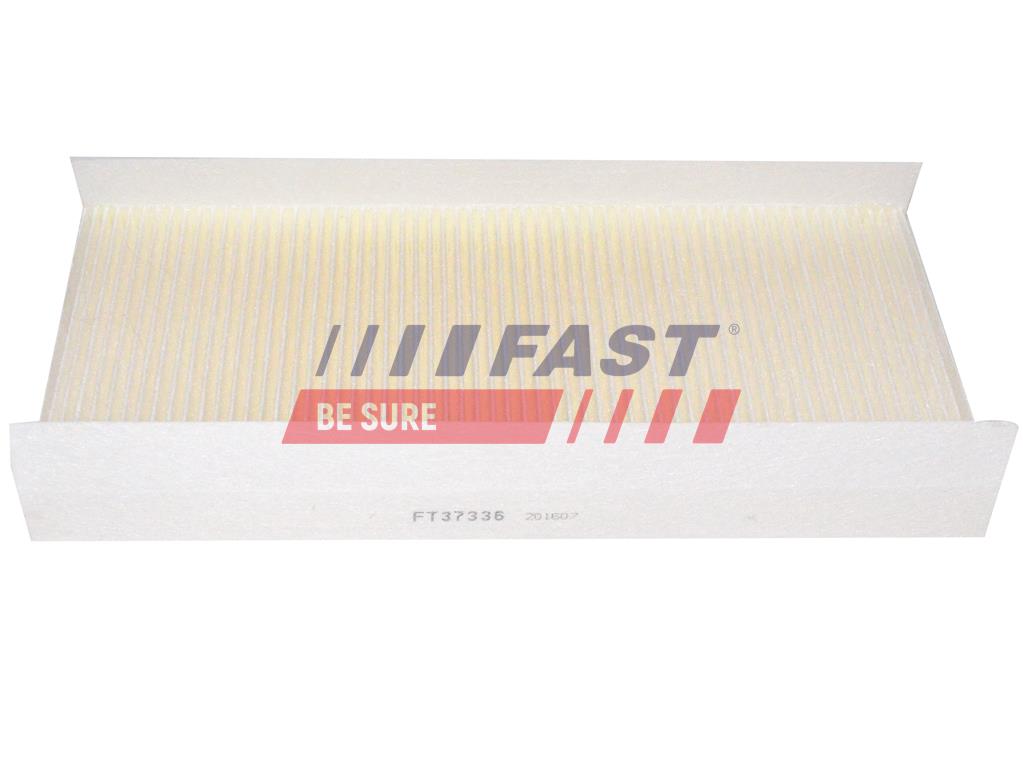
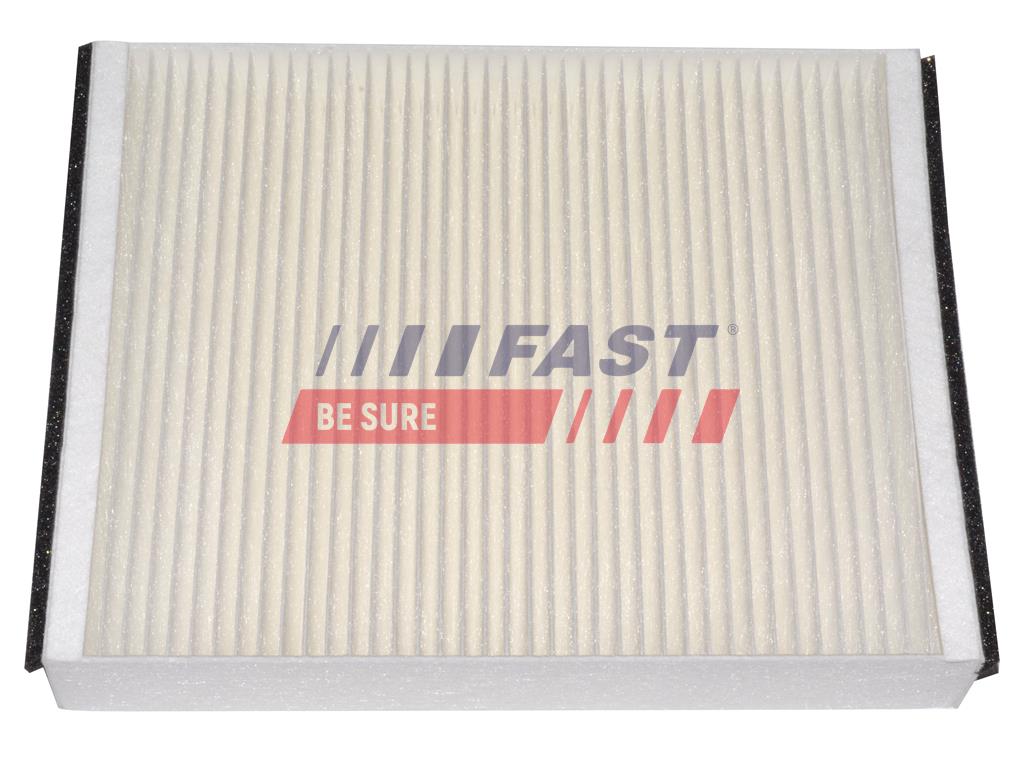
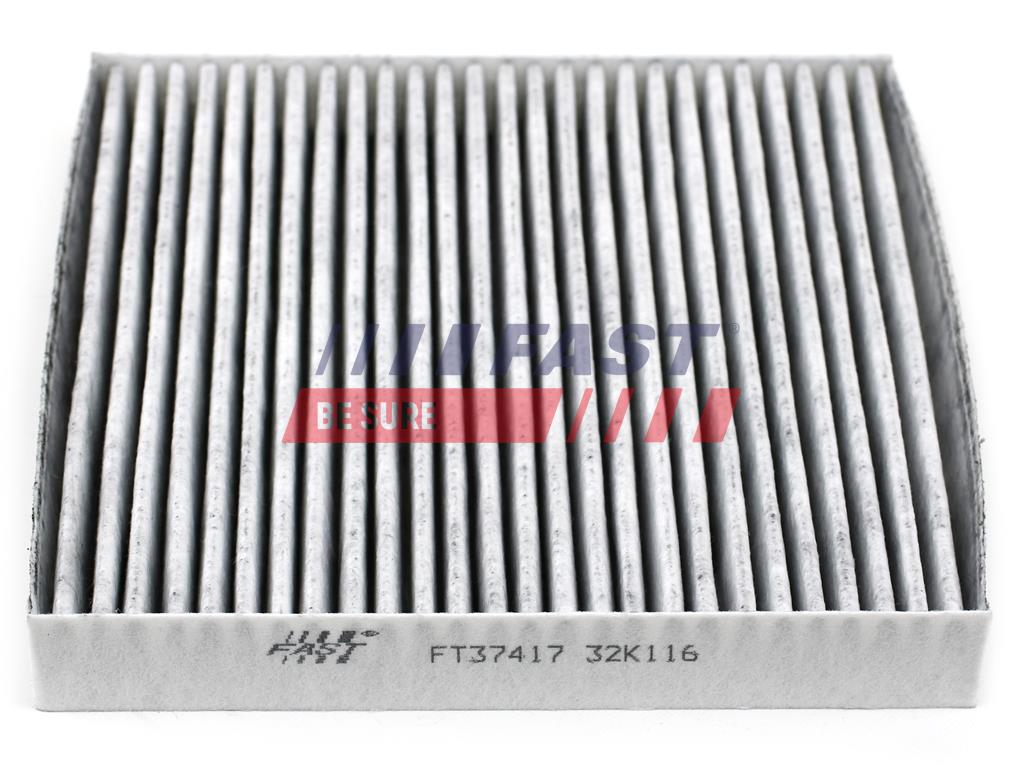


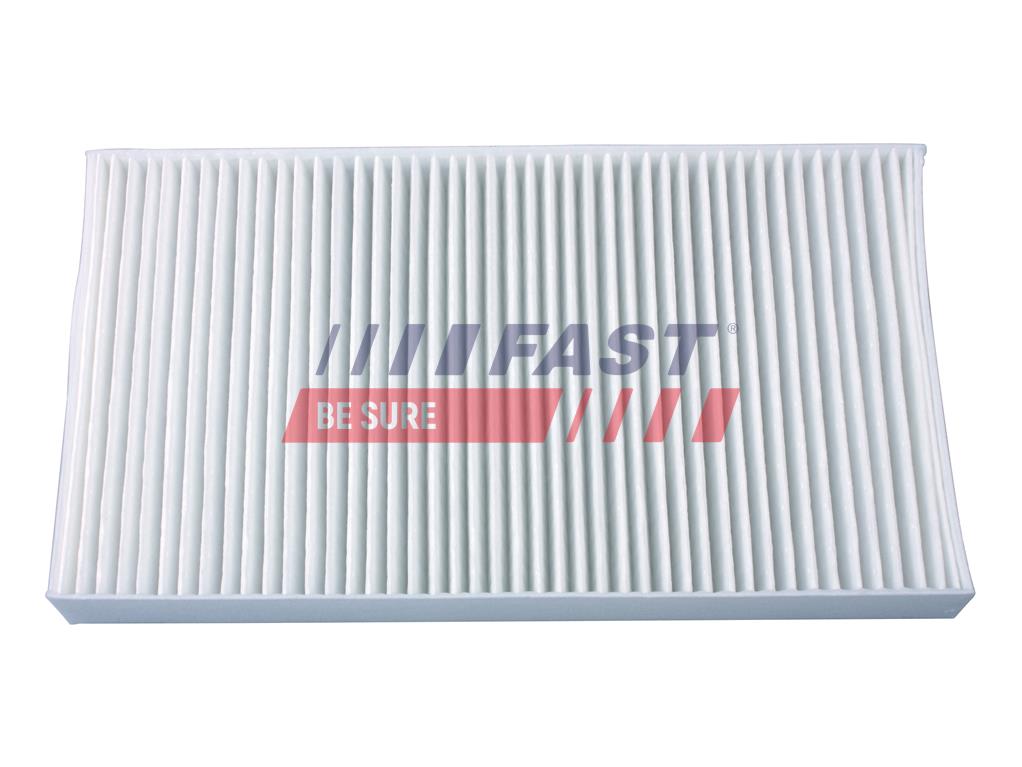
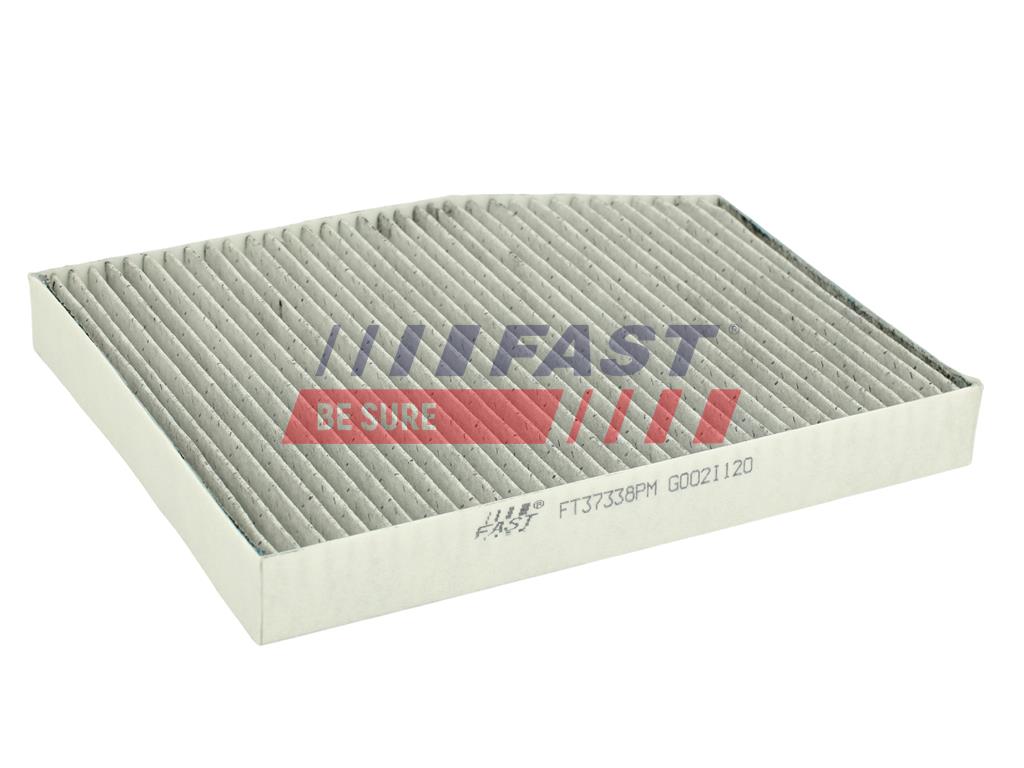
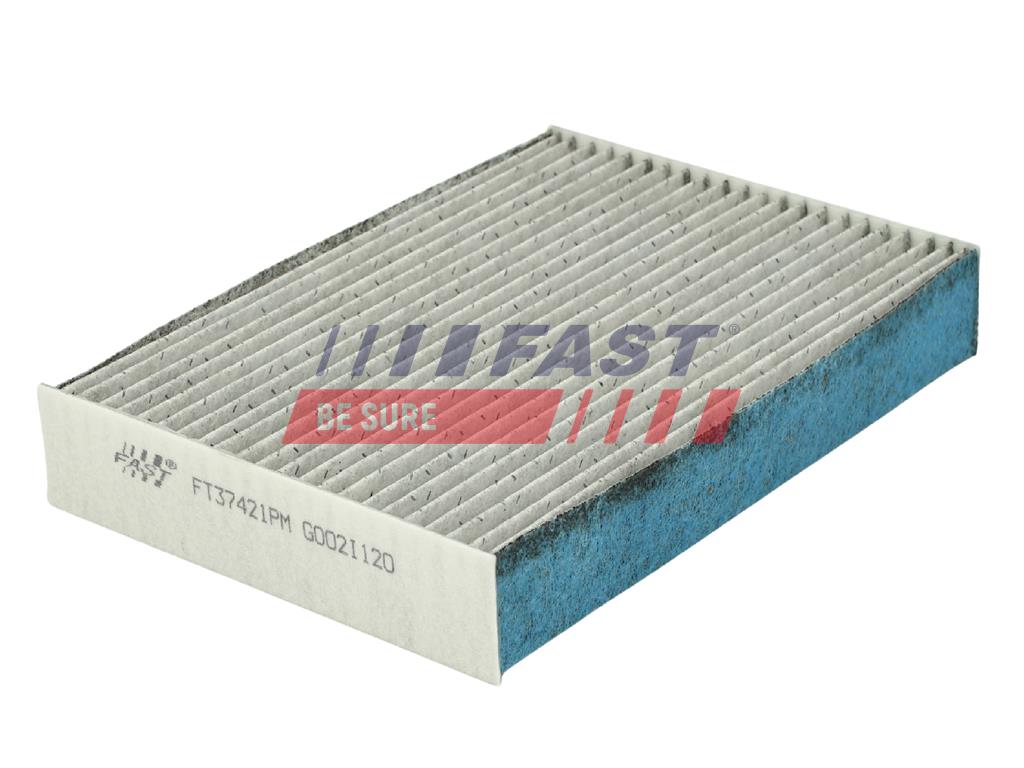
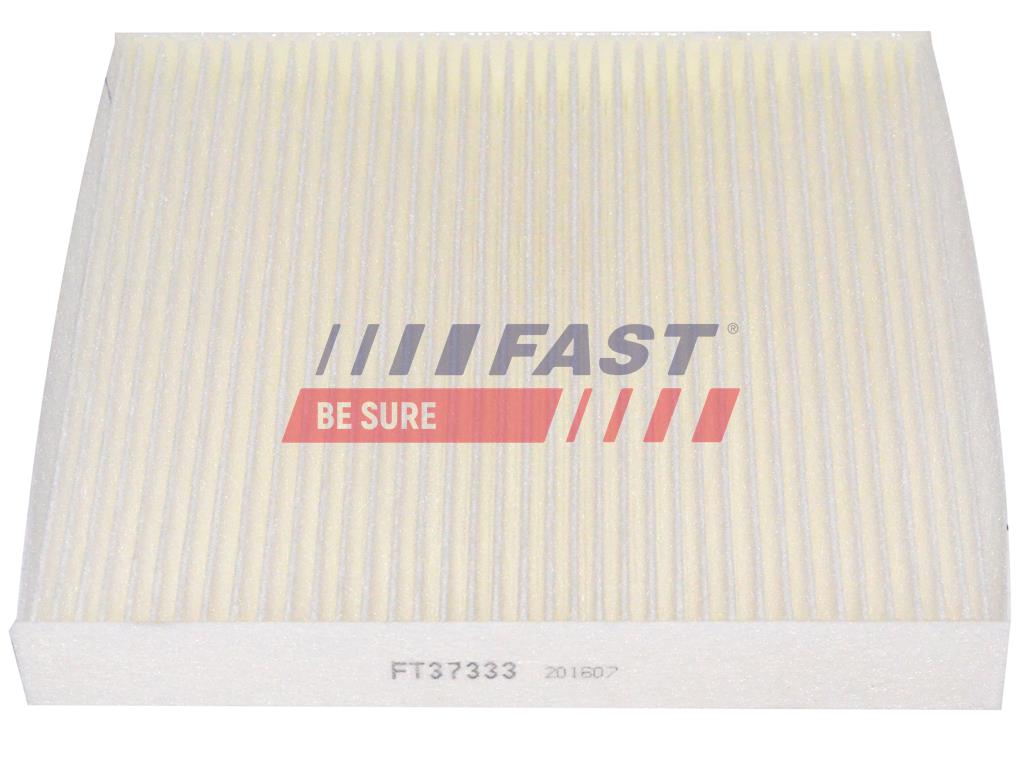
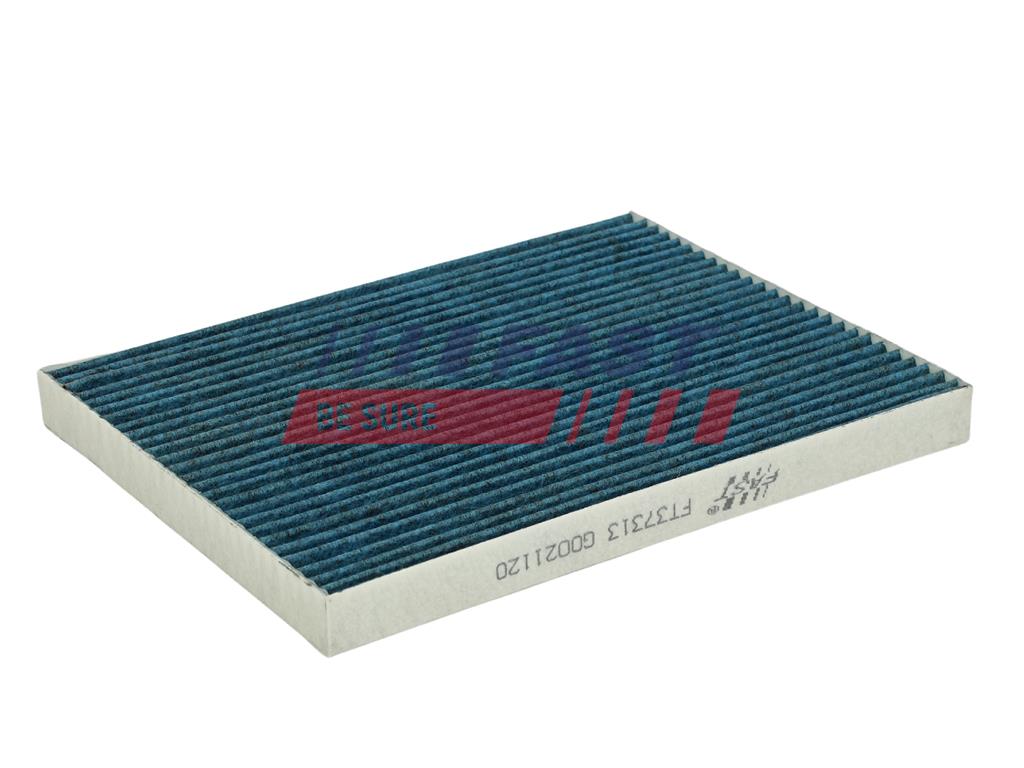
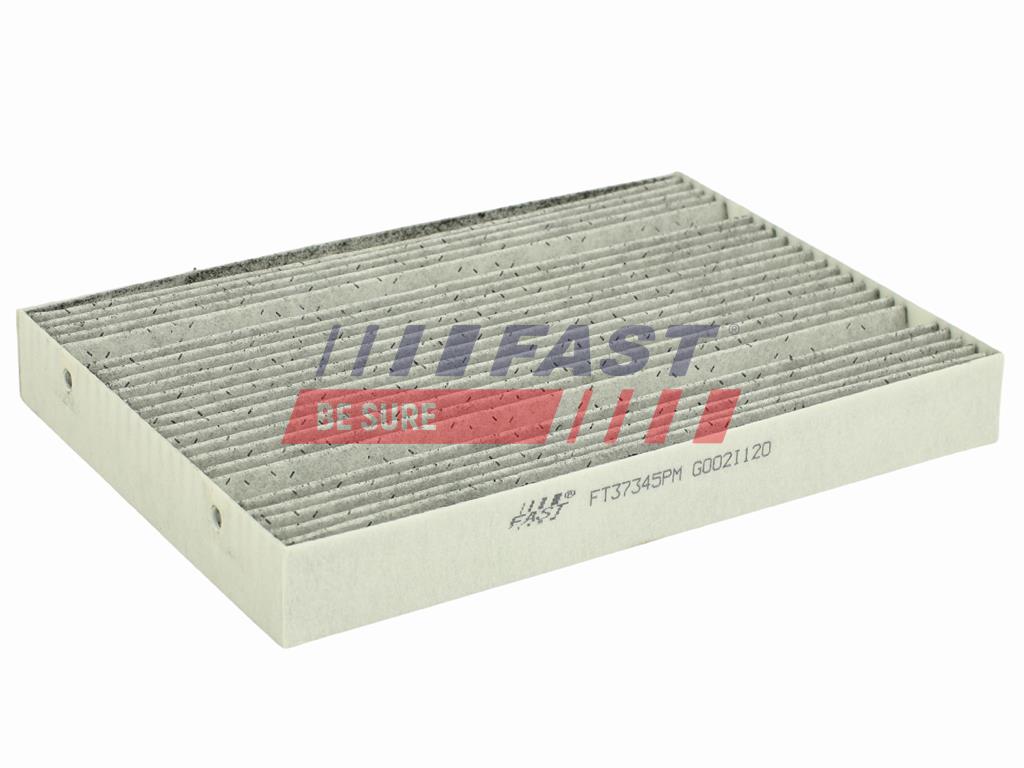
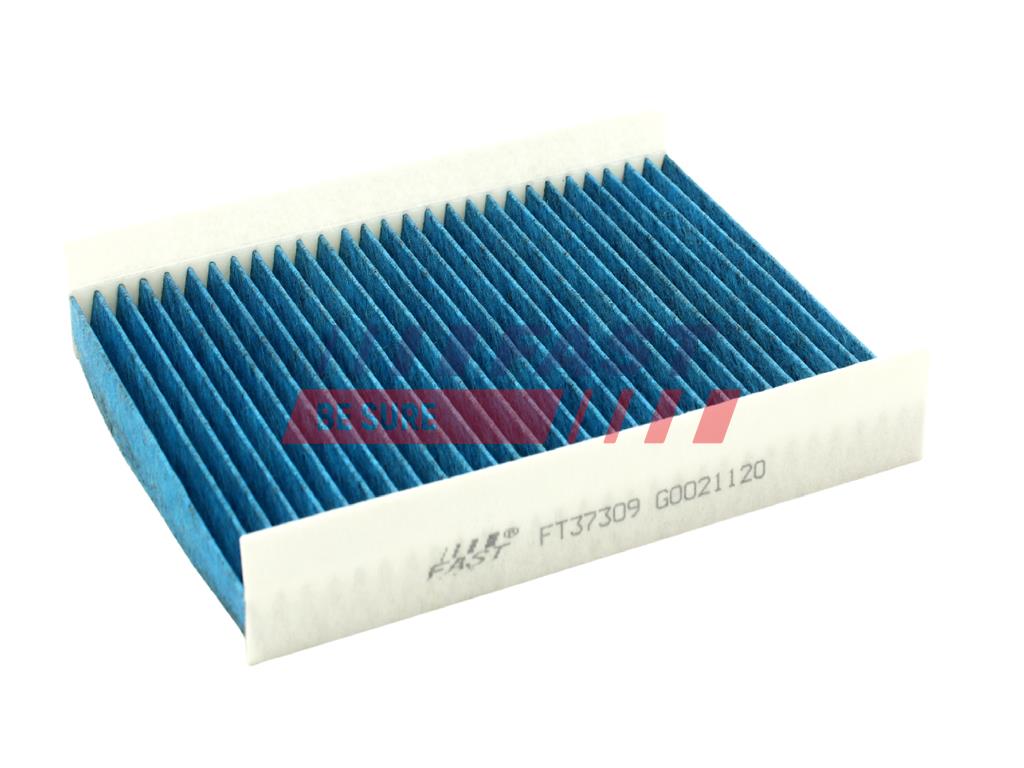
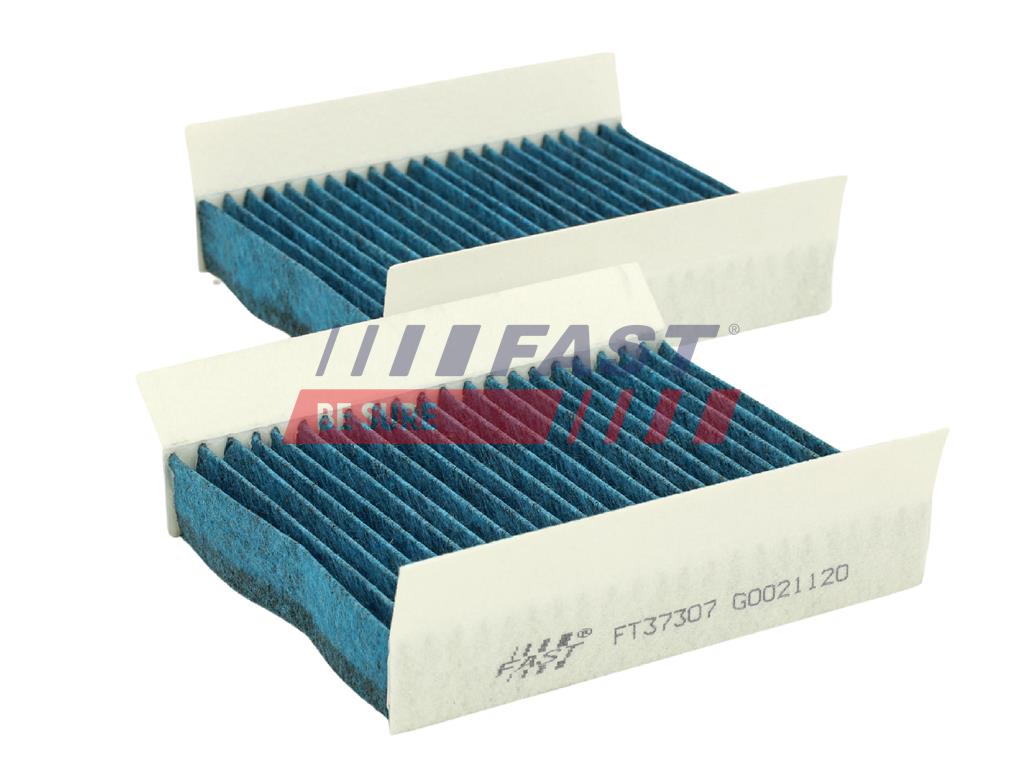


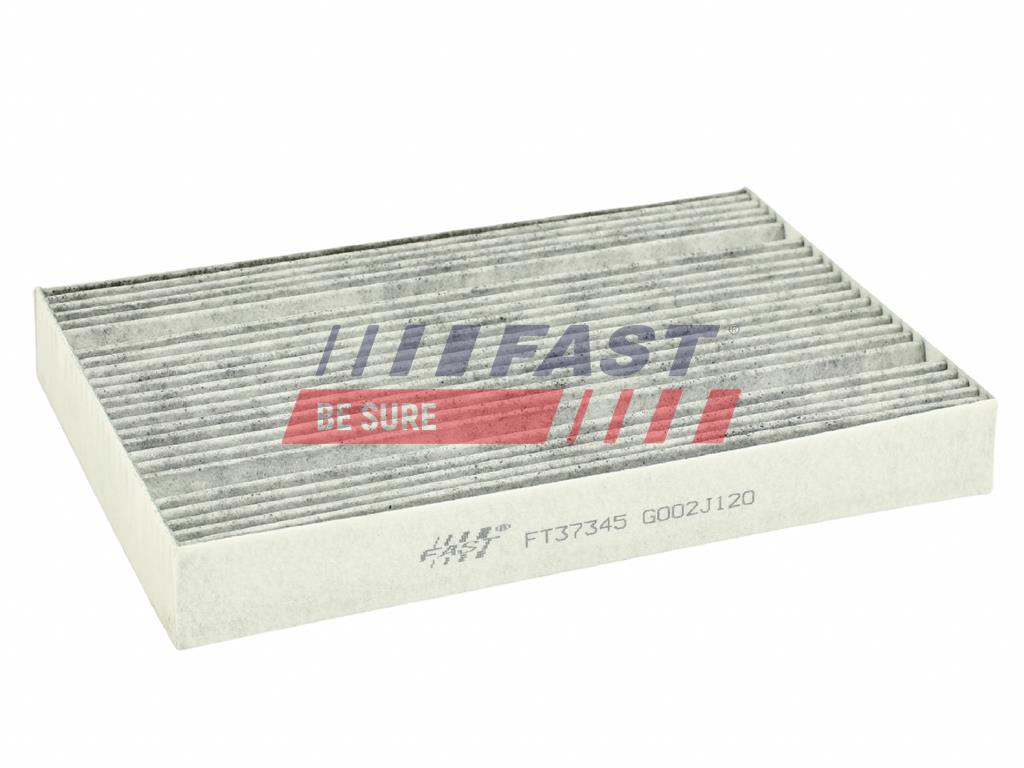

Ensure your vehicle’s interior air is as fresh as the open road with our premium cabin air filters from the FAST original range, designed to provide a cleaner breathing environment for you and your passengers. Discover the affordable cabin air filter replacement cost options and the advantages of our activated carbon cabin filters. Don’t overlook the signs of a dirty cabin air filter. Regularly inspect and learn how to change your pollen filter to keep your car’s air systems running smoothly. Breathe easier and drive in comfort.
Cabin air filters are essential components in ensuring the quality of air within your vehicle, playing a pivotal role in maintaining a comfortable and healthy environment for all passengers. These filters are specifically designed to capture an array of airborne contaminants such as dust, pollen, and other microscopic pollutants that can infiltrate the vehicle’s cabin. Over time, however, these filters can become clogged with debris, leading to what are known as dirty cabin air filter symptoms. When a cabin air filter is dirty, drivers may notice a reduction in airflow from the car’s vents, which can strain the vehicle’s HVAC system and diminish its overall efficiency. Regular inspection and timely replacement of cabin air filters are crucial practices to ensure the continued effectiveness of the filter and to maintain optimal air quality inside the vehicle.
Proper maintenance of your vehicle’s cabin air filters is crucial for ensuring continuous fresh air circulation, preventing pollutants from entering the cabin, and maintaining the efficiency of the HVAC system. Regularly checking the cabin air filter is an important aspect of vehicle upkeep. Typically, it is recommended that you replace your cabin air filter every 12,000 to 15,000 miles, though this may vary depending on driving conditions. To replace the filter, first locate the cabin air filter housing, usually found behind the glove compartment or under the bonnet. Understanding how to change your pollen filter effectively can save you time and ensure optimal performance. As for the cabin air filter replacement cost, it can range from £15 to £50 for parts alone. Regular maintenance of the cabin air filter not only keeps the air quality high within your vehicle but also avoids potential issues with your car’s systems.
Choosing an activated carbon cabin filter from the FAST original range for your vehicle offers distinct advantages over standard cabin air filters, particularly in air purification and pollutant reduction. Activated carbon filters are renowned for their superior ability to capture and neutralise harmful gases and unpleasant odours. This enhanced filtration capability significantly improves the air quality inside the vehicle, creating a healthier environment for passengers. For vehicle owners prioritising cleaner air, the activated carbon cabin filter is an excellent choice. By opting for this advanced filtration solution, drivers can enjoy a fresher, more pleasant cabin atmosphere.
It is generally recommended to replace the cabin air filter every 12,000 to 15,000 miles, or at least once a year. However, this interval can vary based on driving conditions. For instance, if you frequently drive in urban areas with high pollution levels, dusty environments, or regions with heavy pollen, you may need to replace the filter more frequently to maintain optimal air quality inside your vehicle.
Yes, maintaining a clean cabin air filter is essential for optimal air conditioning performance. A clean filter ensures unrestricted airflow through the HVAC system, allowing it to operate efficiently. Conversely, a clogged or dirty filter can reduce airflow, causing the system to work harder, which may lead to decreased cooling efficiency and increased strain on the system components.
Standard cabin air filters are designed to trap dust, pollen, and other airborne particles, improving the air quality inside the vehicle. Activated carbon cabin filters, on the other hand, have an additional layer of activated charcoal that absorbs and neutralises odours and harmful gases, such as exhaust fumes and volatile organic compounds (VOCs). This makes activated carbon filters particularly beneficial for drivers who frequently encounter heavy traffic, urban pollution, or unpleasant odours during their journeys.

Subscribe our newsletter, why is it worth it? Every week a lot of new products that you can’t miss. Just enter your e-mail address and access the database of new Fast products. The brand’s portfolio is growing by up to several dozen products a week. Don’t miss out on expanding your offer with new FAST codes, register now!