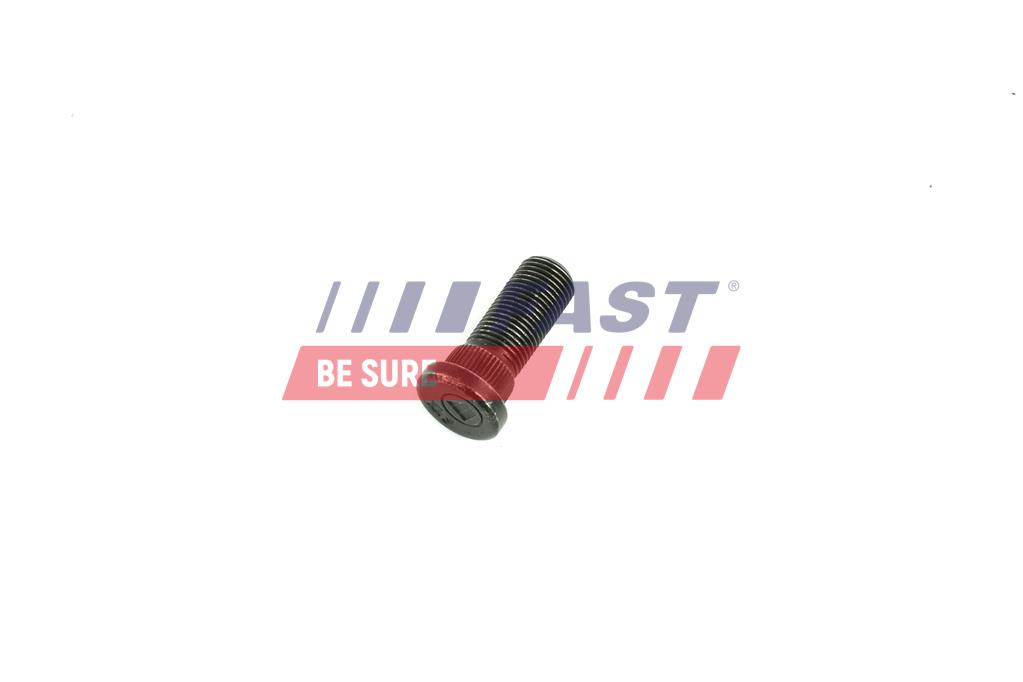
WHEEL BOLT RENAULT MASTER II 98>

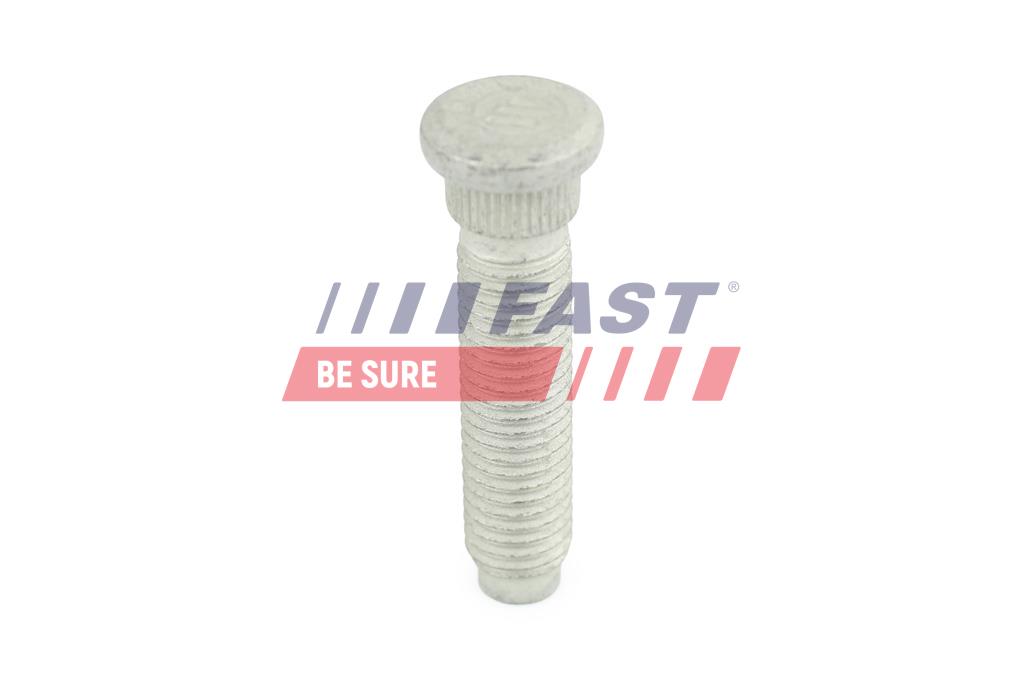
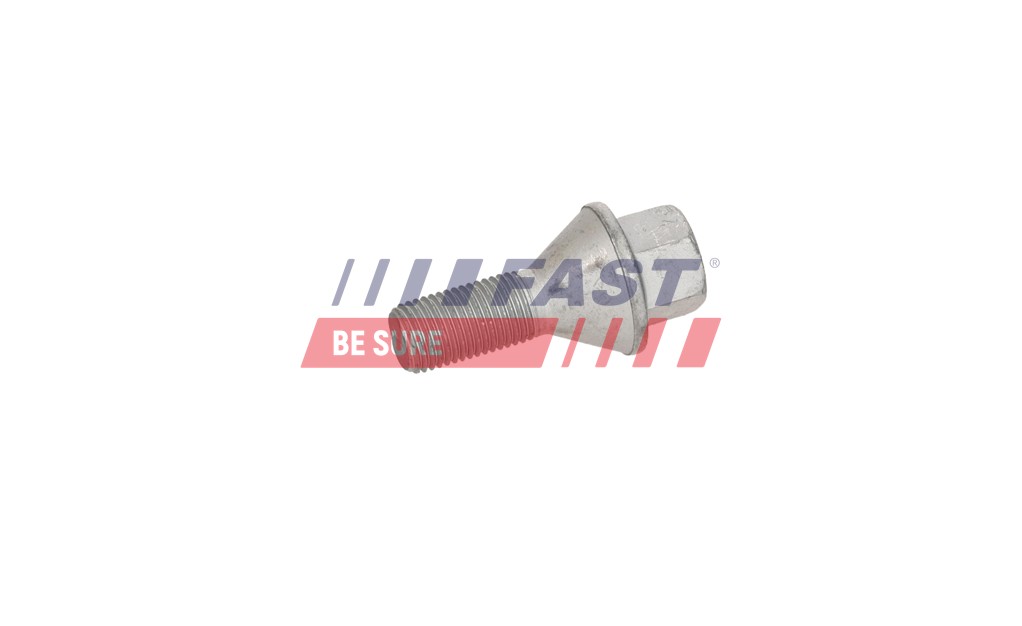

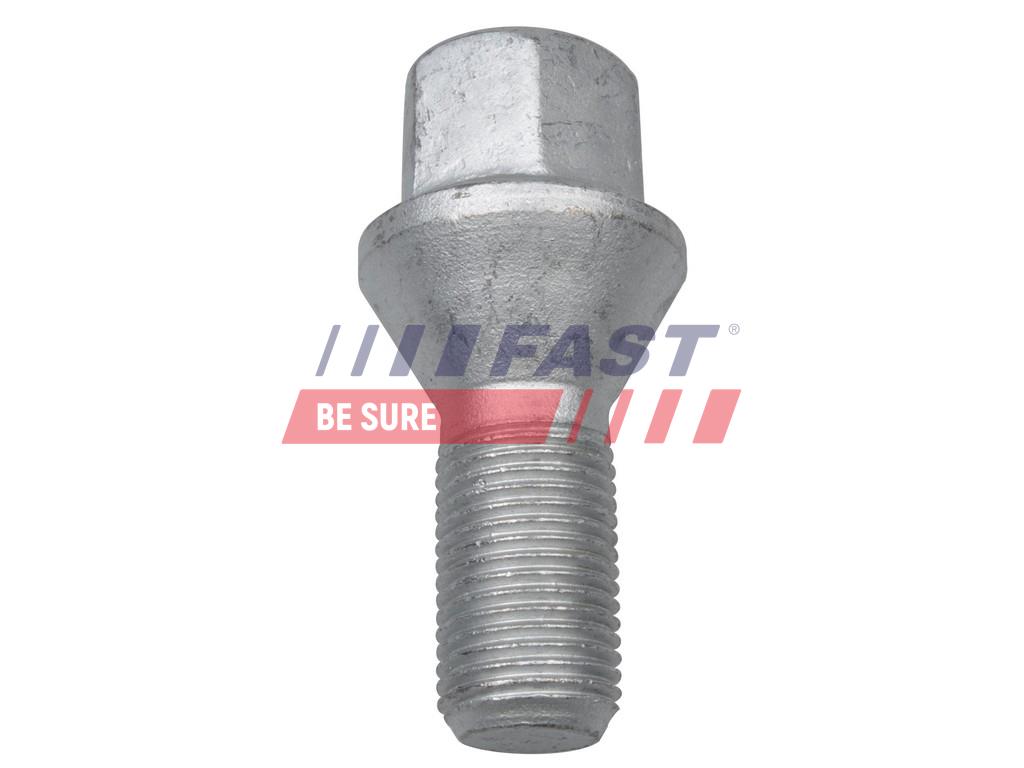

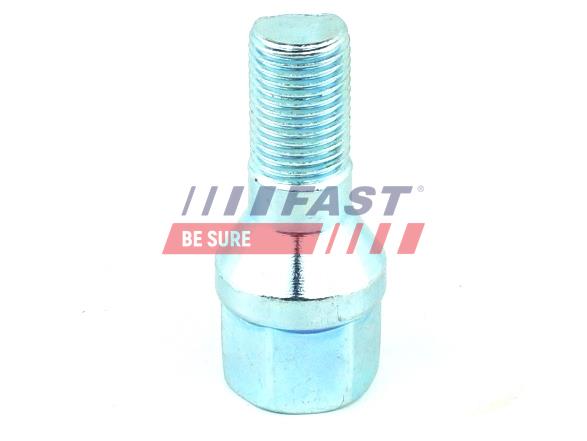
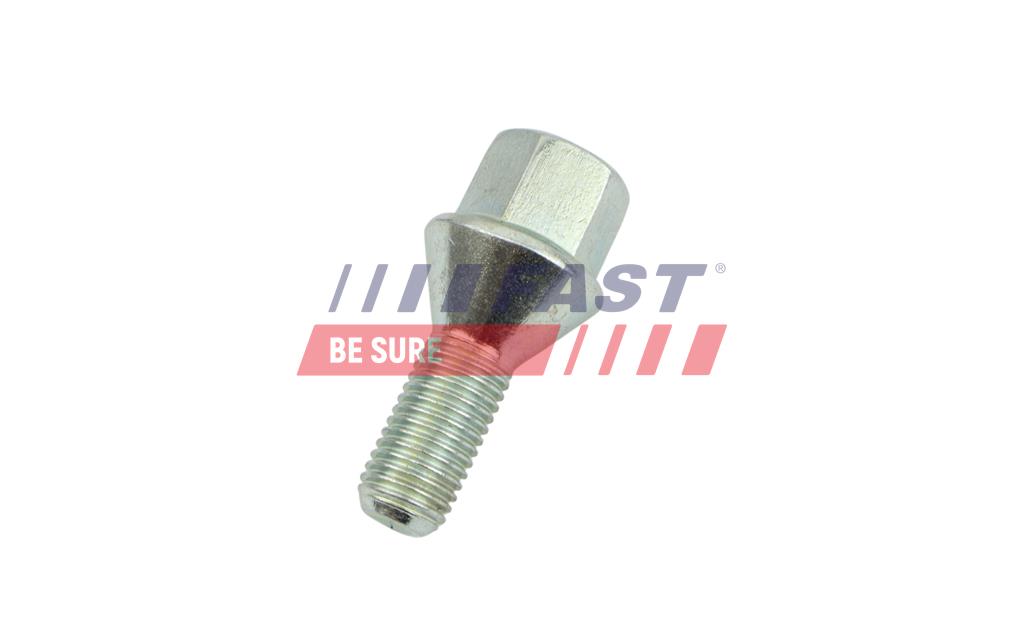
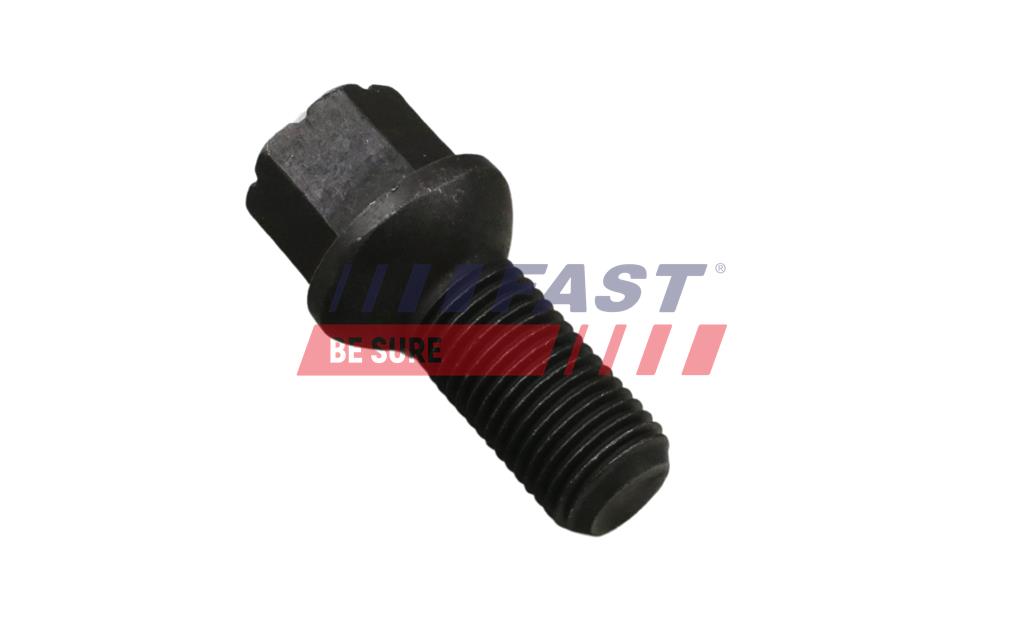
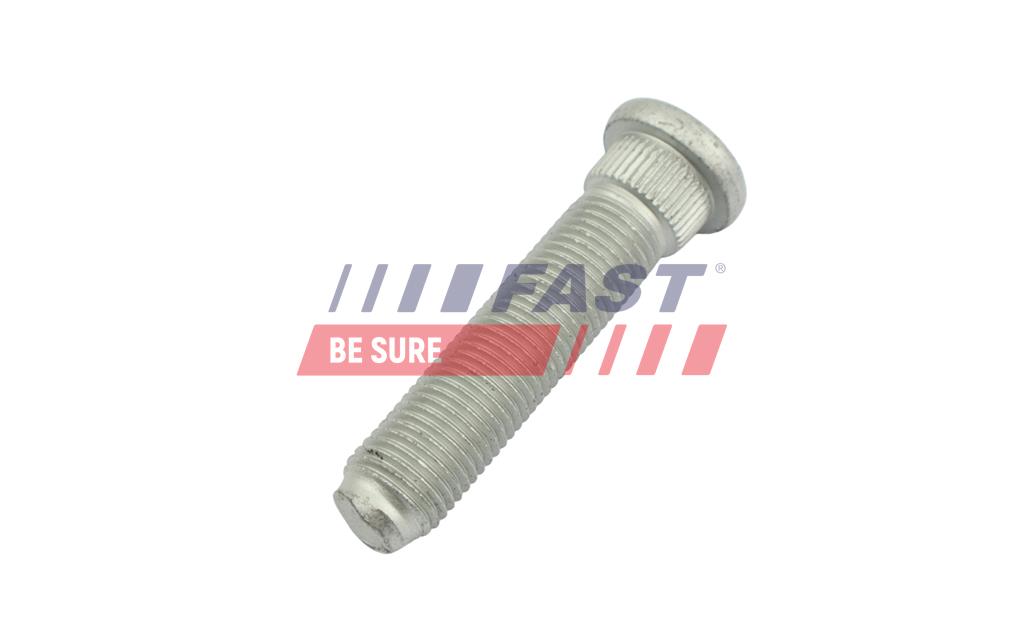
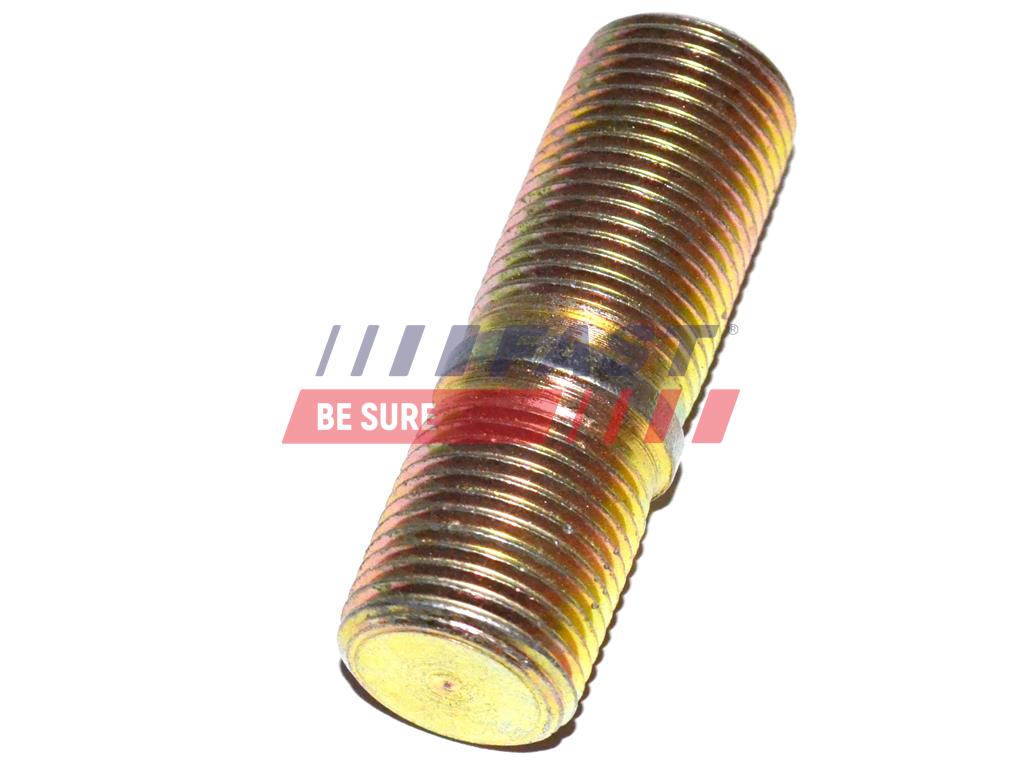
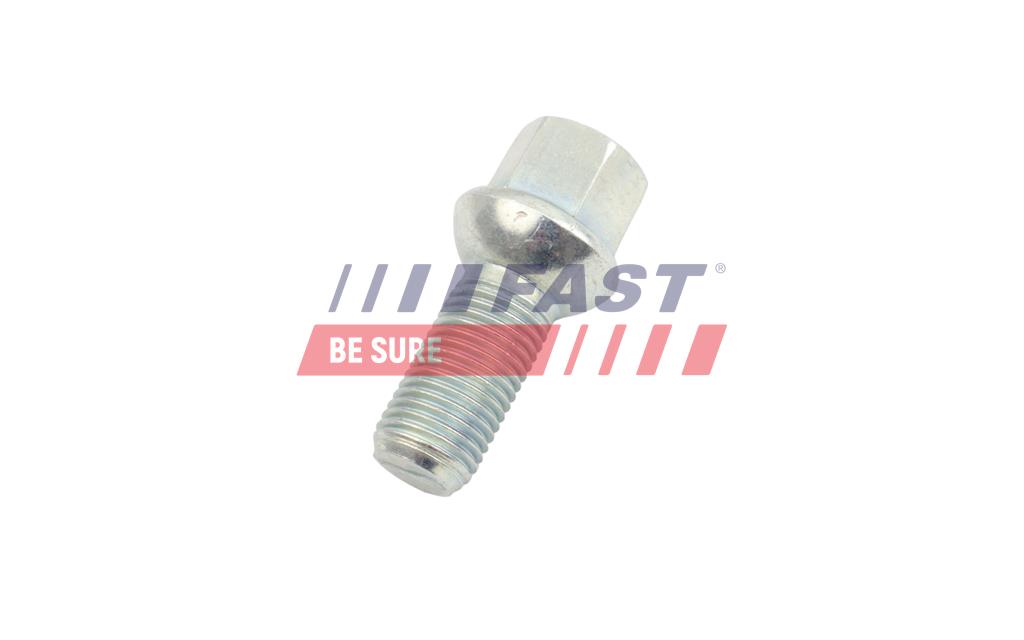
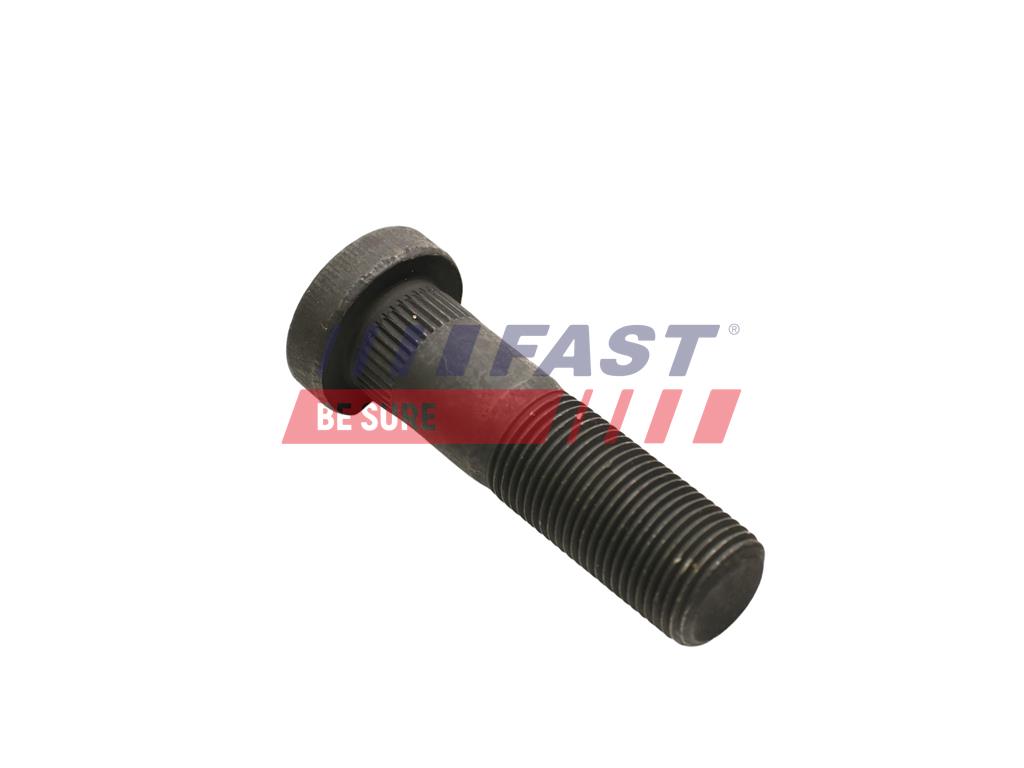
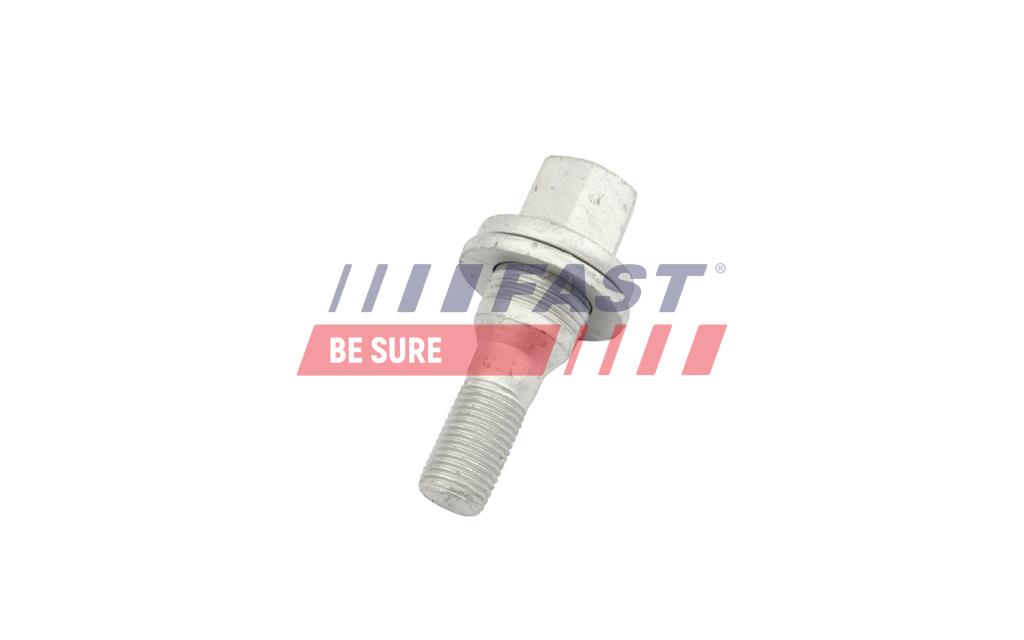
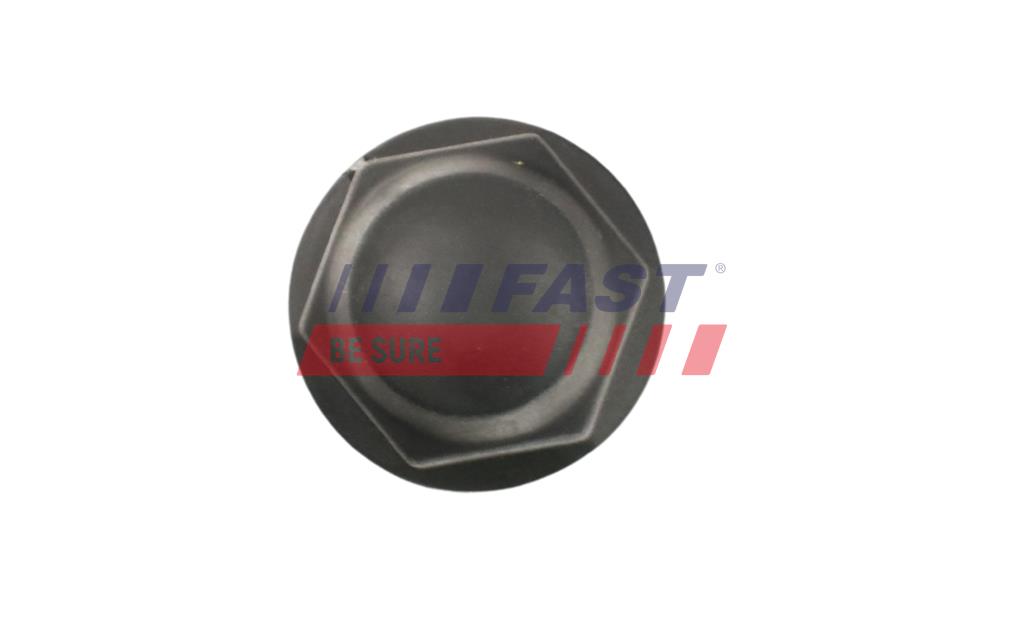
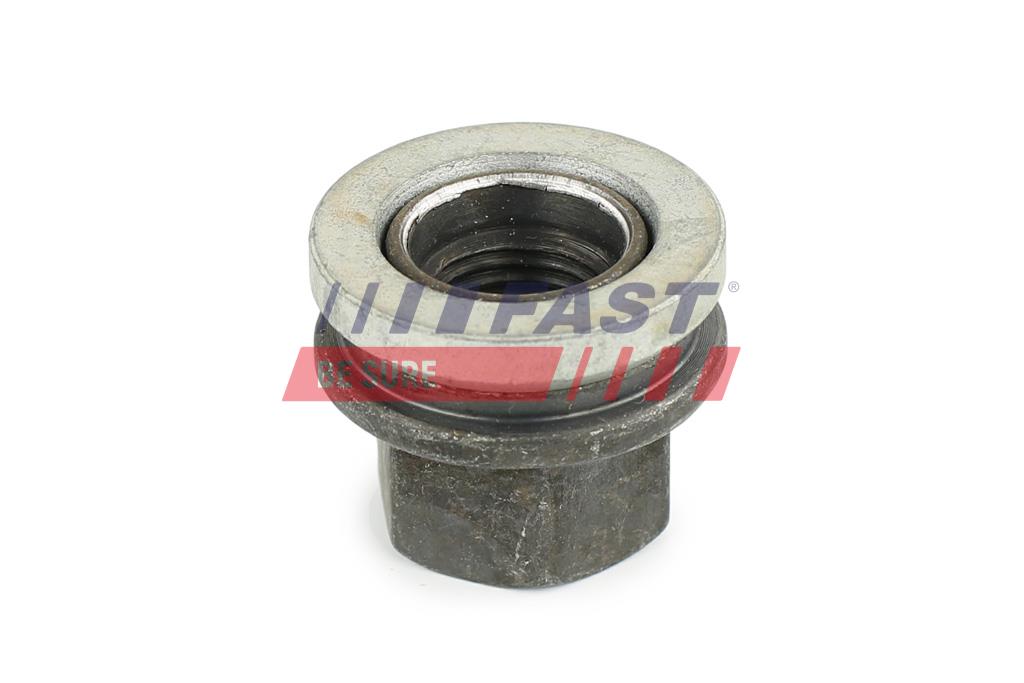
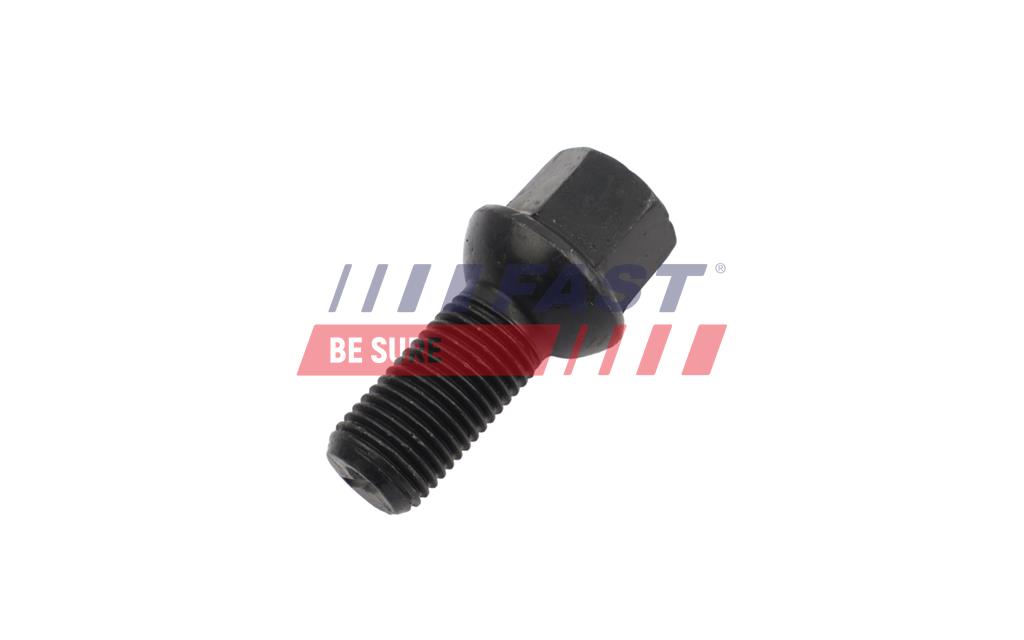
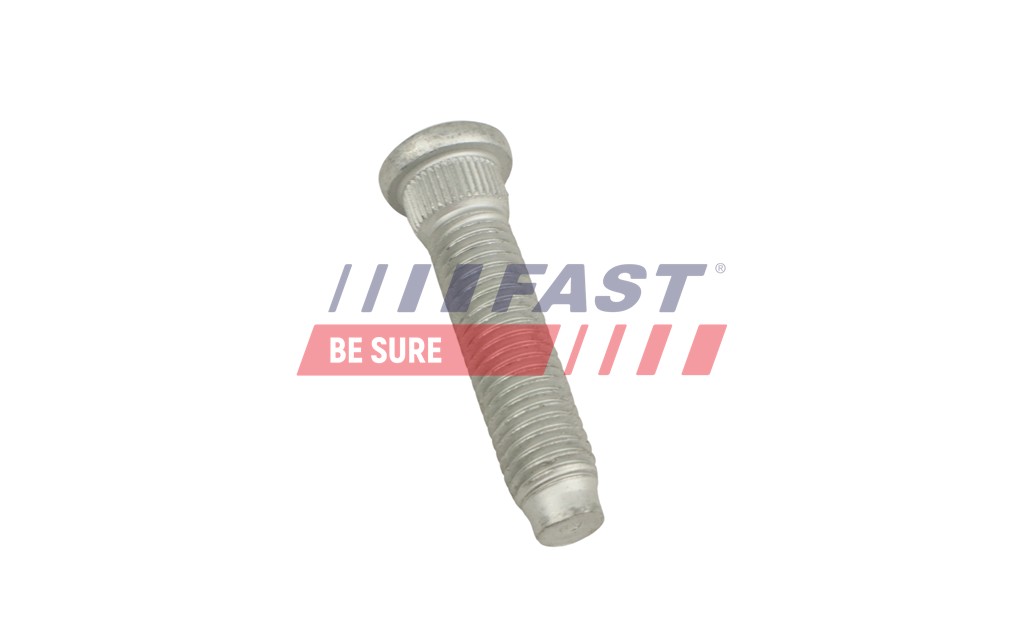
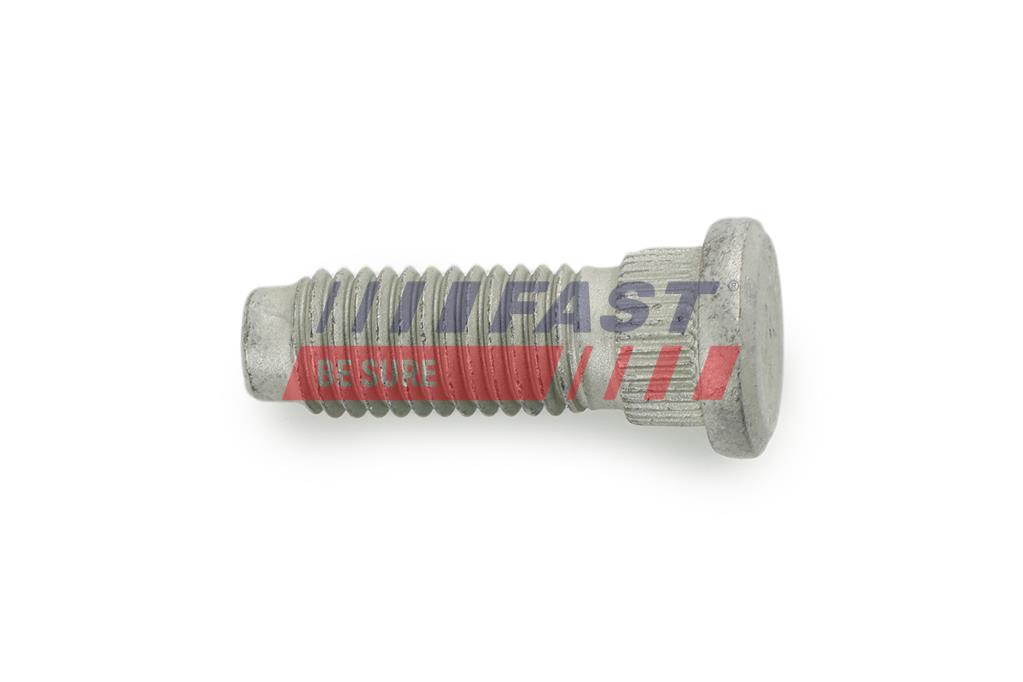


The axle nut, derpesor category includes fastening elements that secure the driveshaft inside the wheel hub assembly. This small component holds the hub and bearing under the correct load, allowing the wheel to rotate smoothly, even when a delivery vehicle carries heavy cargo. FAST original offers hub nuts and wheel fastening parts compatible with many popular vans. Each component provides a precise fit, original-equipment quality and a 5-year warranty.
A correctly installed hub nut locks the driveshaft to the wheel hub and stabilises the bearing assembly. When this connection is tightened according to manufacturer specifications, the wheel rotates smoothly, and the hub remains firmly attached even under heavy loads typical for delivery vehicles. Vans often carry cargo, operate on daily routes and accumulate high mileage. Because of this, fastening parts in the hub area experience constant mechanical stress. Workshops therefore inspect hub fasteners whenever servicing wheel bearings, driveshafts or suspension components. If threads show damage, corrosion or deformation, replacing the nut helps maintain a safe connection between axle and hub. FAST original supplies spare parts dedicated to light commercial vehicles. The range includes hub nuts, wheel bolts and wheel studs compatible with many well-known models, including Ford Transit, Fiat Ducato, Iveco Daily and Renault Master. Mechanics across Europe rely on these parts thanks to precise fit, installation confidence and stable fastening during long-term use.
The FAST original portfolio already includes 18,000+ spare parts for delivery vehicles, and more components continue to expand the range. Products are supported by 10,000+ mechanic reviews across Europe, confirming that workshops value easy installation and consistent dimensions. Each fastening component is covered by a 5-year warranty, which confirms the durability expected in vehicles used daily for transport and logistics. Combined with original-equipment parameters and a reasonable price, these parts offer a practical choice for workshops and van owners looking for dependable replacements.
Choosing the correct hub nut size for your car depends on several parameters. The thread diameter and pitch must match the driveshaft, while the locking method must correspond with the hub design used in the vehicle. Some vans use staked nuts that deform slightly during installation, while others rely on standard hex nuts secured with caps. Vehicle manufacturers also define precise tightening procedures. Mechanics refer to the torque specs for the light commercial vehicle axle nut to ensure the correct preload on the wheel bearing. Correct torque prevents bearing play and protects the hub assembly from excessive load during driving. Delivery vehicles often carry heavy cargo, which means the wheel hub area experiences greater forces than in passenger cars. The correct torque and the proper matching of hub fasteners significantly influence the long-term durability of a hub. During service work, technicians usually inspect the full fastening system, including wheel bolts and studs.
In addition to hub nuts, workshops frequently replace other parts in the same area, such as wheel bearings, hubs or suspension components. When repairing delivery vehicles, mechanics may also inspect related systems like Suspension, Brakes, or Shock absorbers, while body components such as Mirrors, Lighting, or Bumpers are commonly serviced in parallel during routine vehicle maintenance. FAST original parts support efficient workshop work because their dimensions correspond to the original mounting points used on delivery vehicles. This precise fit reduces installation time and helps mechanics complete repairs without unnecessary adjustments.
Hub fastening components operate under constant mechanical load. Over time, technicians may encounter issues such as worn threads, corrosion or deformation. One common repair scenario involves axle nut stripped thread repair, which usually occurs after incorrect tightening or prolonged exposure to road conditions. If the nut thread is damaged but the driveshaft thread remains intact, replacing the fastener usually restores proper hub locking. However, if the shaft thread is also worn, additional repairs may be necessary before installing a new component. Another frequent procedure is front axle nut replacement when servicing wheel bearings or driveshafts. Many vehicle manufacturers recommend replacing the nut whenever the hub assembly is dismantled. This ensures the locking mechanism remains effective after reassembly.
Installation typically follows a two-step tightening process. Mechanics first apply the specified torque, then secure the nut using a locking method such as staking or additional angular tightening. This prevents loosening during long-distance driving. Delivery vehicles used in transport fleets often accumulate high mileage within a short period. Regular inspection of hub fasteners, therefore, becomes part of standard workshop practice. Replacing worn components early helps protect the hub, driveshaft and wheel bearing from additional wear.
This fastening nut secures the driveshaft to the wheel hub and maintains the correct preload on the wheel bearing. It keeps the hub assembly stable while the wheel rotates.
Replacement is recommended when threads are damaged, the nut shows signs of corrosion or deformation, or the hub or wheel bearing is removed during service.
Check the thread diameter, pitch, locking design and the tightening torque specified for your vehicle model to ensure correct installation.

Subscribe our newsletter, why is it worth it? Every week a lot of new products that you can’t miss. Just enter your e-mail address and access the database of new Fast products. The brand’s portfolio is growing by up to several dozen products a week. Don’t miss out on expanding your offer with new FAST codes, register now!