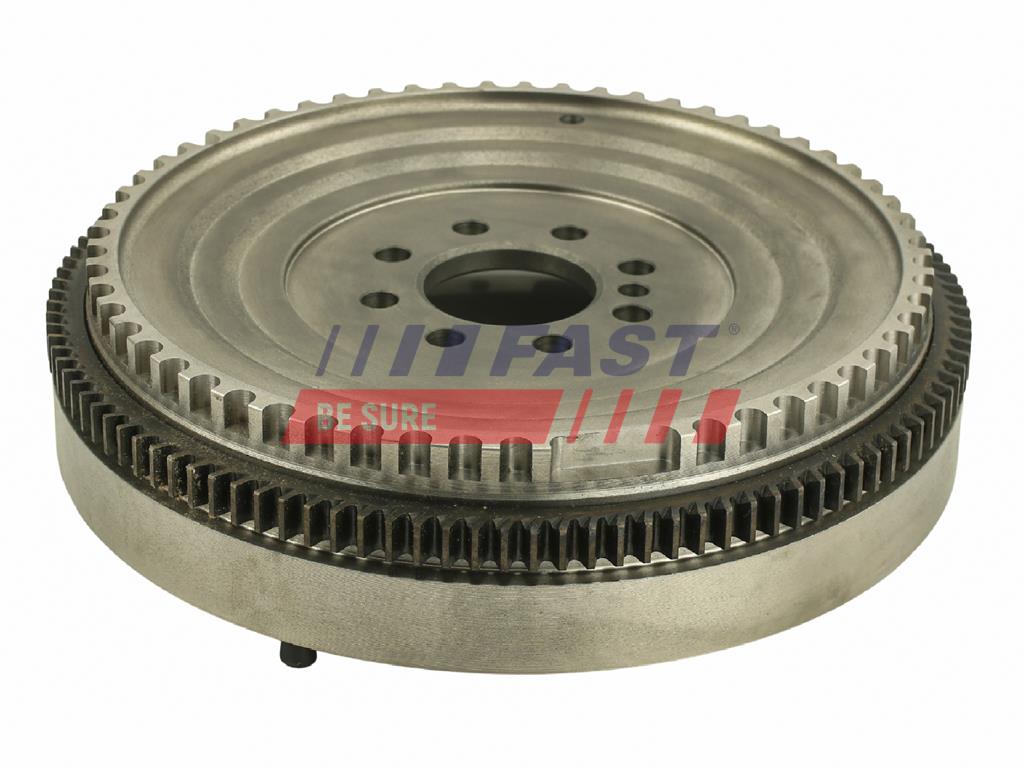
FLYWHEEL FORD TRANSIT 06> 2.2TDCI



Explore our extensive Flywheel category within the FAST original range for high-quality replacement parts tailored to enhance your vehicle’s performance. Whether addressing symptoms of a bad flywheel or considering the dual mass flywheel replacement cost, our catalogue offers solutions for every need. Evaluate whether flywheel resurfacing vs replacement is viable or if a single mass flywheel conversion is the smart choice for your requirements. Stay ahead in maintaining your vehicle’s reliability and longevity by choosing the right flywheel today, assured by our 5-year warranty.
A flywheel is an essential component in a vehicle’s drivetrain, serving as a crucial bridge between the engine and transmission. This robust disc helps maintain rotational energy by smoothing out the power pulses generated by the engine, ensuring a steady delivery of power to the transmission. By doing so, a flywheel significantly contributes to vehicle performance, providing smoother operation, improved fuel efficiency, and reduced wear on drivetrain components. Understanding the importance of a well-functioning flywheel is vital for vehicle maintenance. Yet, recognising bad flywheel symptoms is equally essential to avoid potential mechanical issues. Common indicators include difficulty in changing gears, odd noises such as grinding or rattling from the clutch area, and vibrations during acceleration. Addressing flywheel issues promptly can prevent more extensive damage and maintain the vehicle’s operation, safeguarding reliability and efficiency.
When it comes to maintaining your vehicle’s performance, selecting the right flywheel replacement option is crucial. Vehicle owners often face the choice between flywheel resurfacing vs replacement. Resurfacing can be a cost-effective solution if the flywheel’s surface is minimally worn and not severely damaged. This process involves machining to restore its smoothness, prolonging the flywheel’s life and ensuring ongoing performance. However, if the flywheel is cracked, warped, or excessively worn, complete replacement is the more reliable choice. Particularly for dual mass flywheels, which are designed to absorb increased vibrations, replacement often remains the only viable option due to their complexity. Understanding the dual mass flywheel replacement cost is essential for budgeting, as these can be more expensive due to intricate design and labour involved. Weighing the costs and benefits of each option lets vehicle owners make informed decisions that best suit their needs and ensure optimal operation.
Considering a single mass flywheel conversion can be a strategic choice for vehicle owners seeking durability and cost-effectiveness. A single mass flywheel is typically more robust than its dual mass counterpart, making it suitable for high-performance or modified vehicles where durability is crucial. This conversion is beneficial for those who value a direct connection between the engine and transmission, often resulting in improved throttle response and enhanced driving feedback. While a single mass flywheel may produce more noise and vibration, it is less prone to failure, offering a longer lifespan and lower maintenance costs. Vehicle owners who experience frequent flywheel-related issues may find this conversion ideal. Additionally, for those engaging in spirited driving or utilising their vehicles in demanding conditions, the switch to a single mass flywheel can provide the reliability needed to withstand increased stress, ensuring consistent performance.
A single-mass flywheel is a solid, one-piece component that directly connects the engine to the transmission, offering durability and the ability to be resurfaced if necessary. In contrast, a dual-mass flywheel consists of two separate masses connected by a damping system, designed to absorb engine vibrations and provide smoother operation, particularly beneficial in high-torque applications. However, dual-mass flywheels are generally more expensive and complex, and they cannot be resurfaced, requiring complete replacement upon failure.
Indicators of a failing flywheel include difficulty changing gears, unusual noises such as grinding or rattling from the clutch area, vibrations through the clutch pedal or vehicle floor, a burning smell resembling burnt toast, and clutch slippage where the engine speed increases without a corresponding increase in vehicle speed. Prompt attention to these symptoms is essential to prevent further damage to the transmission system.
It is advisable to inspect the flywheel when replacing the clutch. If the flywheel shows signs of wear, damage, or warping, replacing it alongside the clutch can ensure optimal performance and longevity of the transmission system. In some cases, resurfacing the flywheel may be sufficient, but this depends on its condition and the manufacturer’s recommendations.

Subscribe our newsletter, why is it worth it? Every week a lot of new products that you can’t miss. Just enter your e-mail address and access the database of new Fast products. The brand’s portfolio is growing by up to several dozen products a week. Don’t miss out on expanding your offer with new FAST codes, register now!