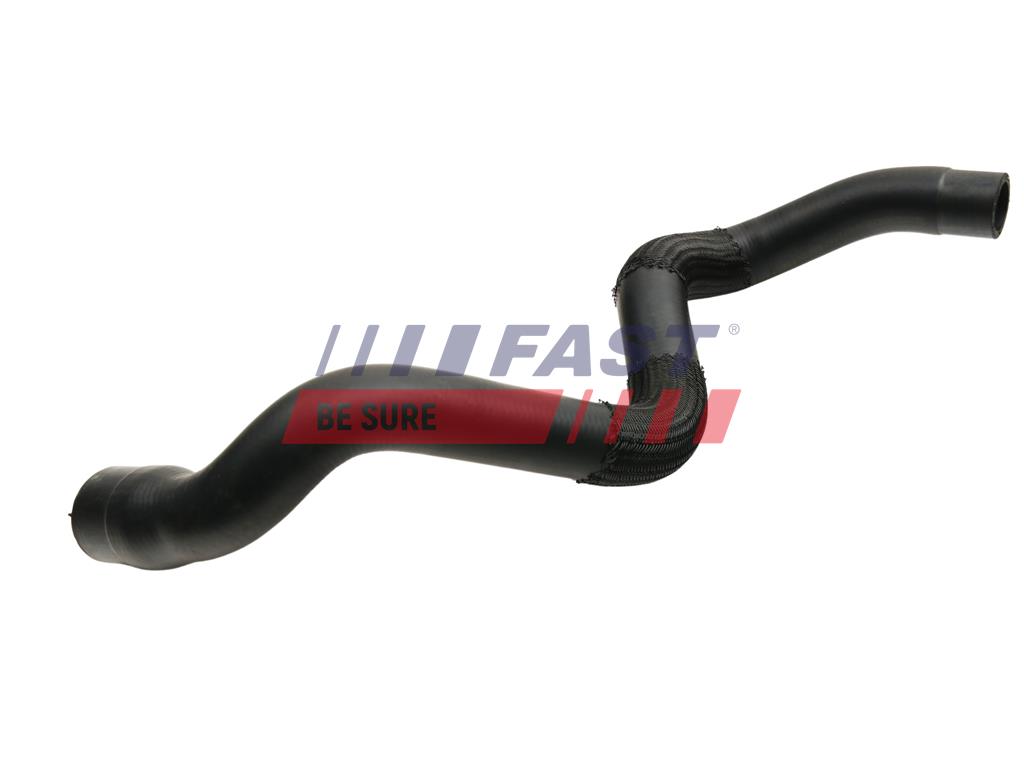
COOLING HOSE FORD TRANSIT CONNECT 13> 1.6 TDCI

![FT61989 COOLING HOSE FORD TRANSIT 06> HEAT EXCHANGER 2.4 TDCI [+] AC](https://fastoriginal.eu/katalog/wp-content/uploads/2025/07/1437157.jpeg)

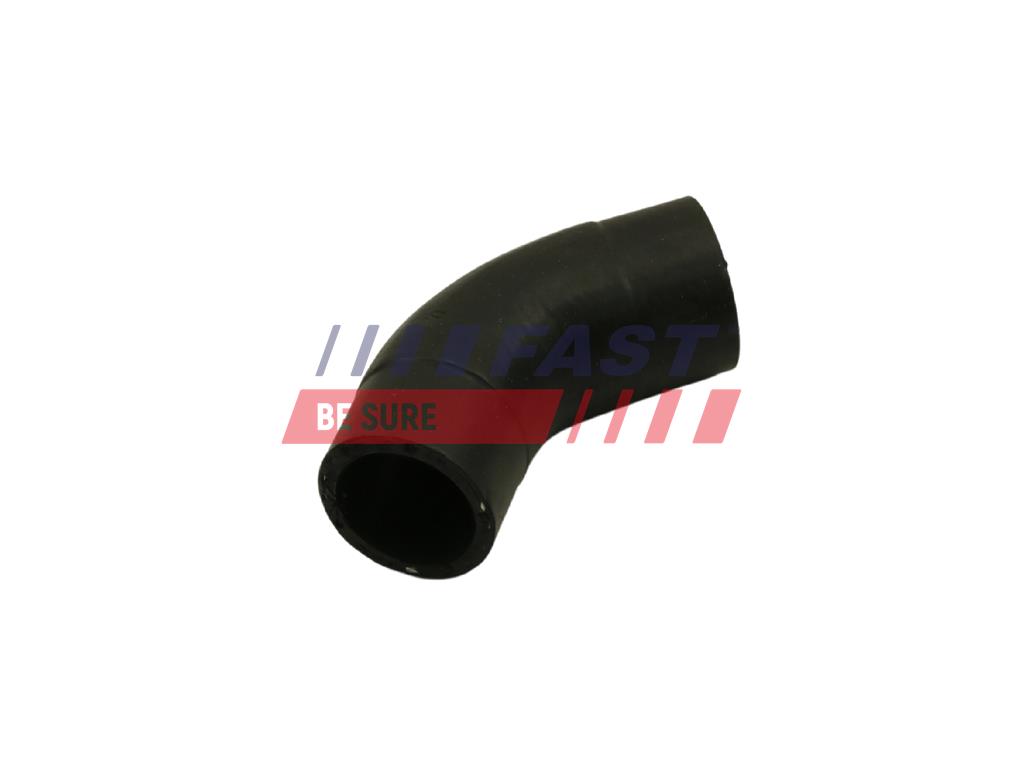
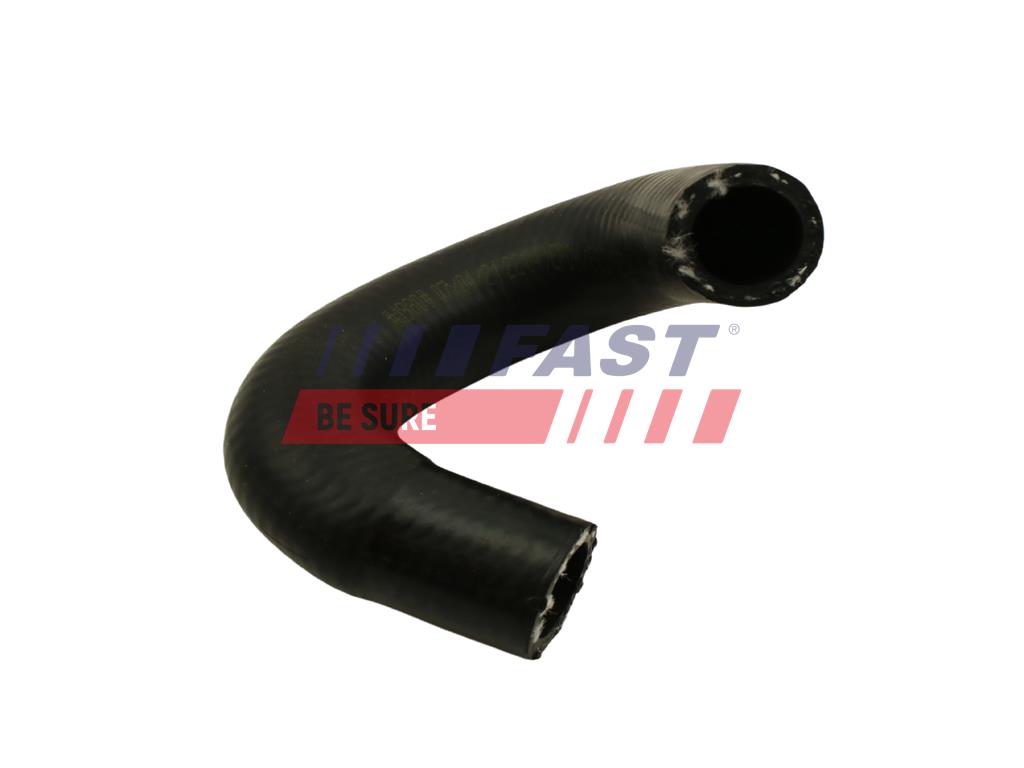
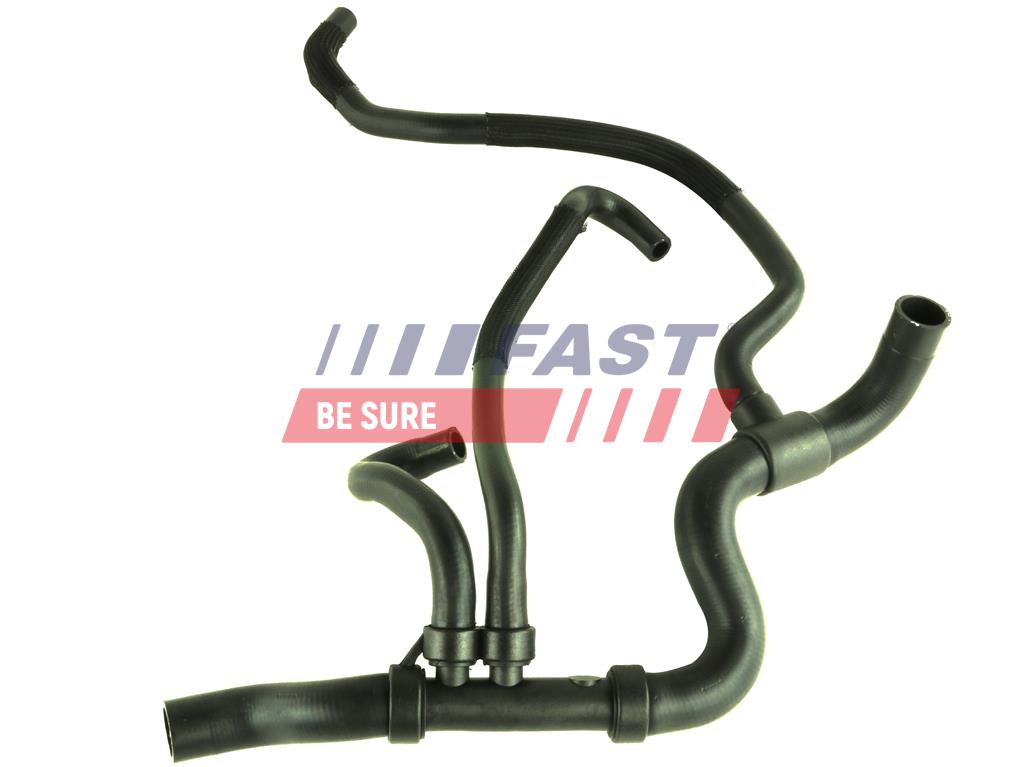

![FT10442 COOLING HOSE FORD TRANSIT 00> [AC]-](https://fastoriginal.eu/katalog/wp-content/uploads/2026/03/1615066.jpeg)
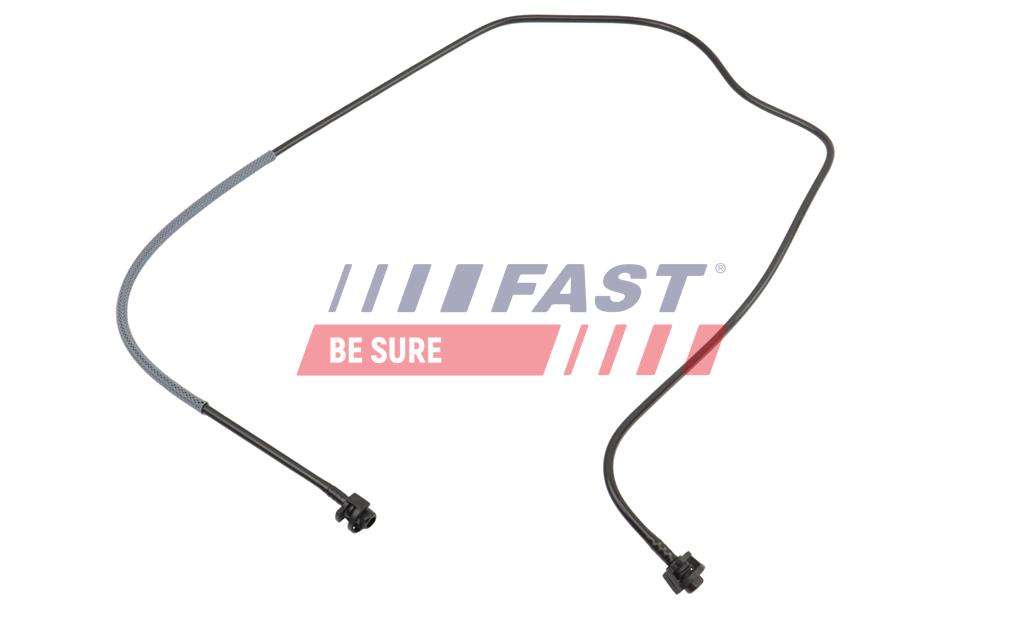
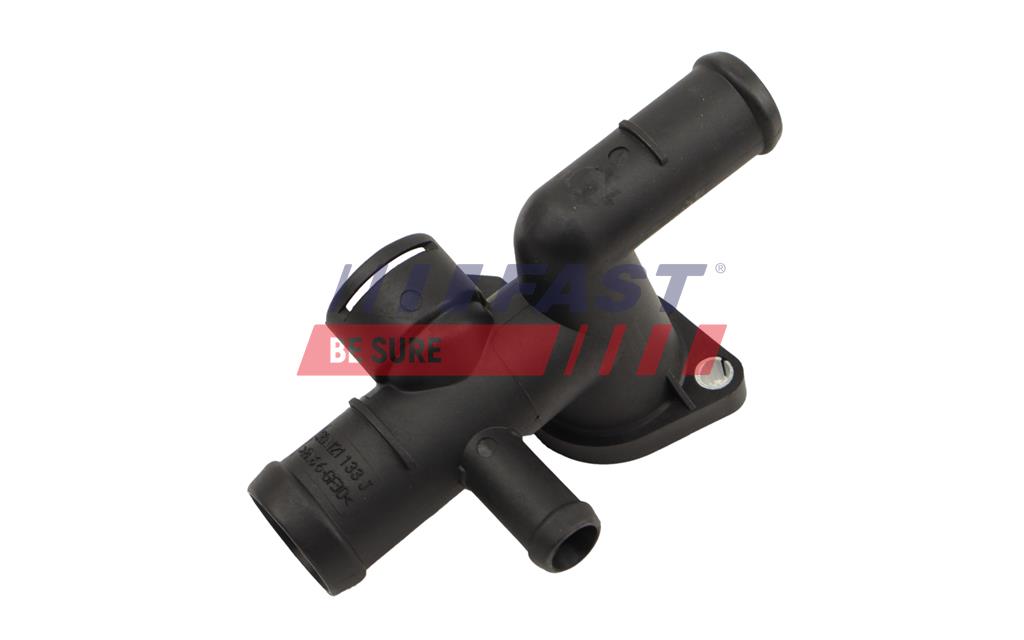
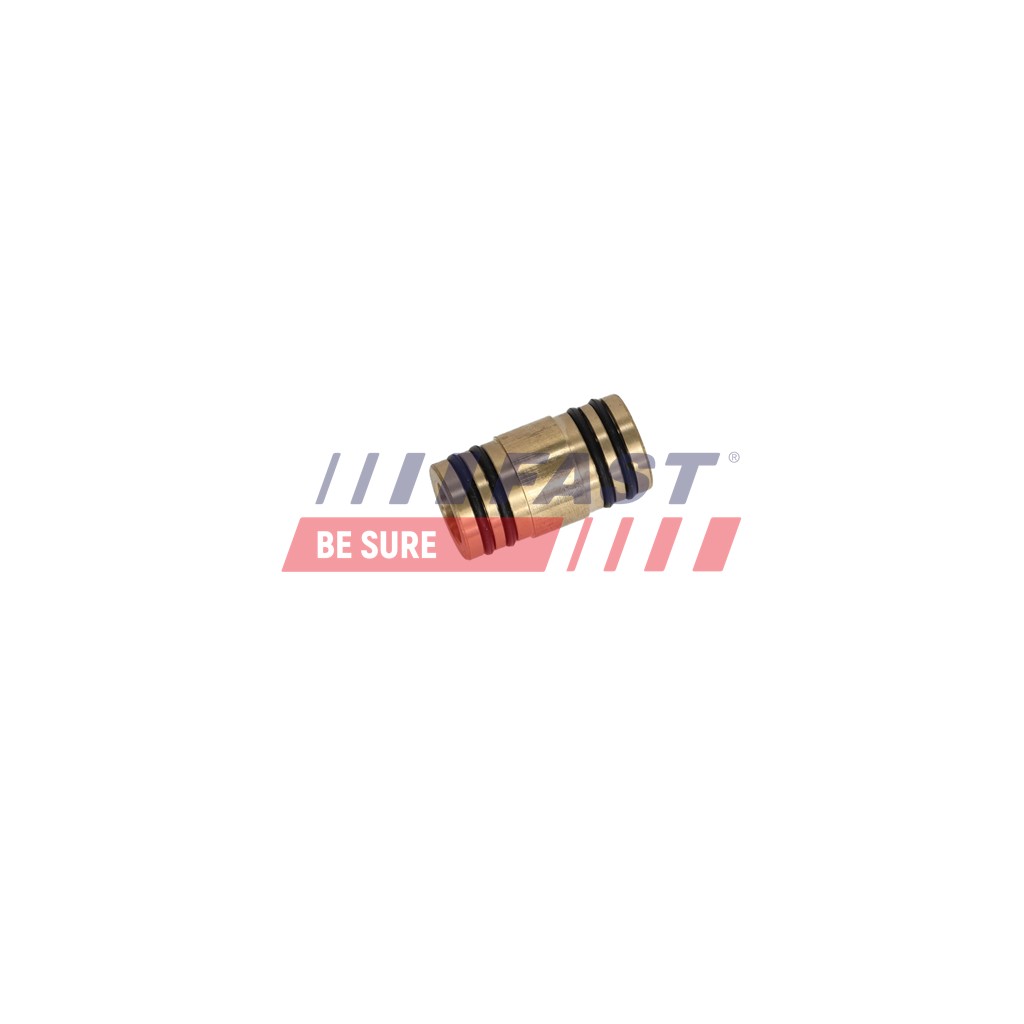

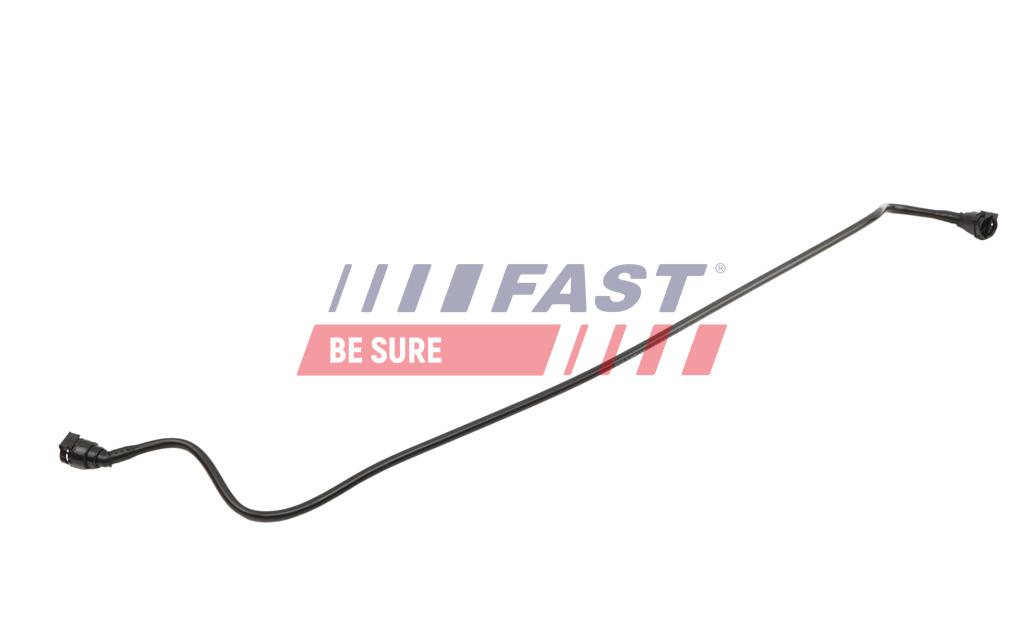
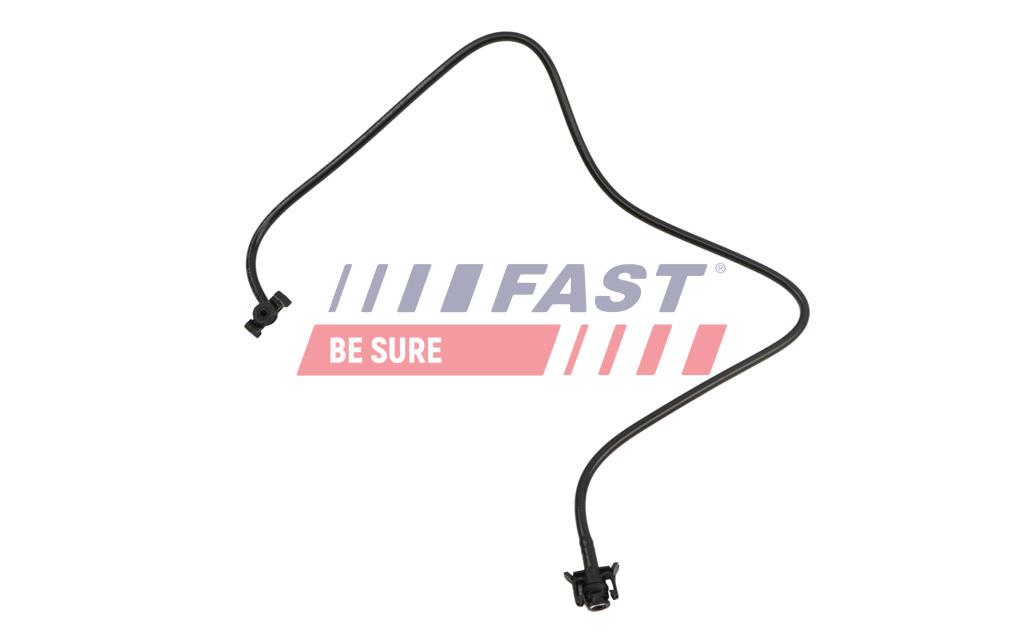
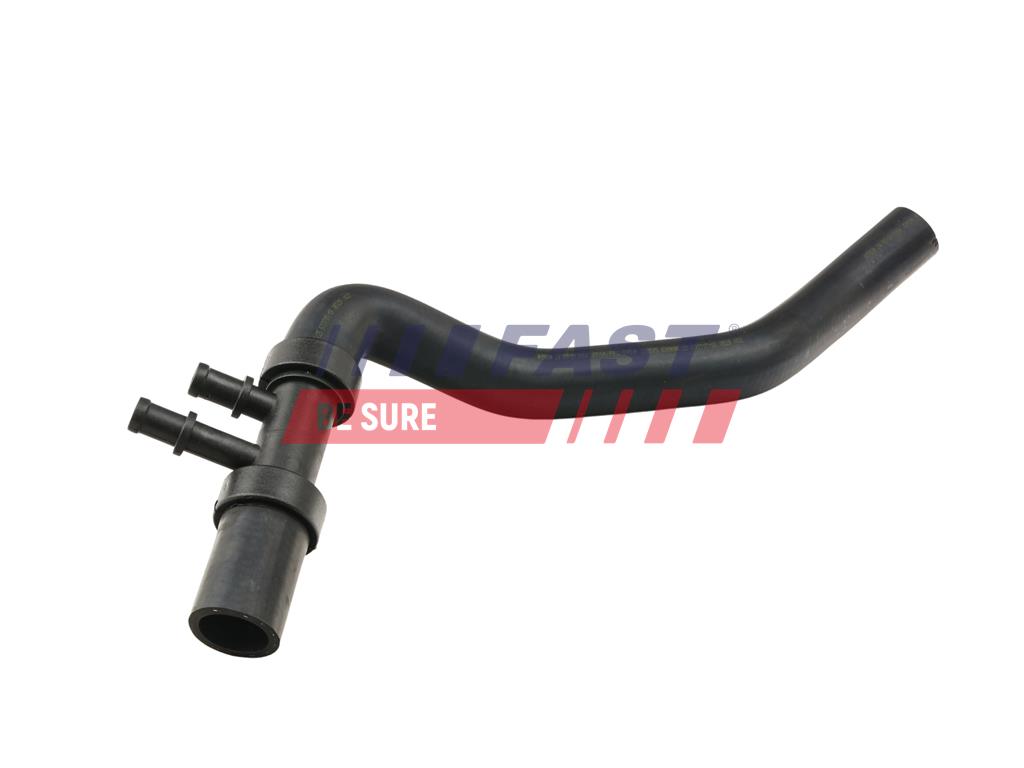
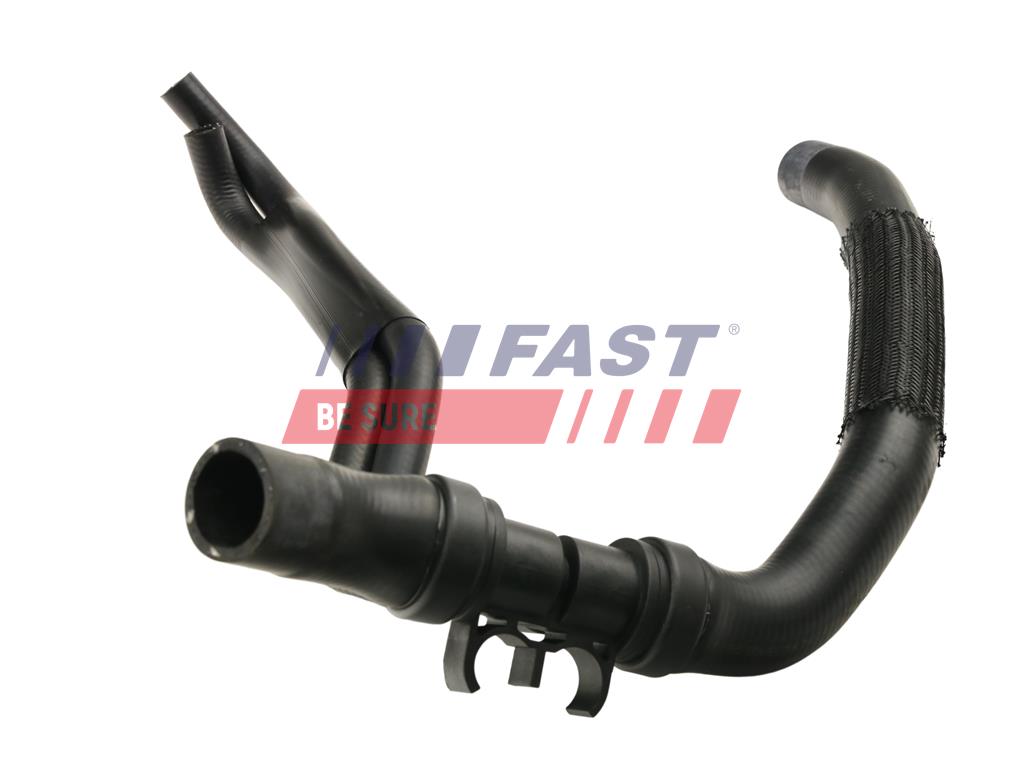
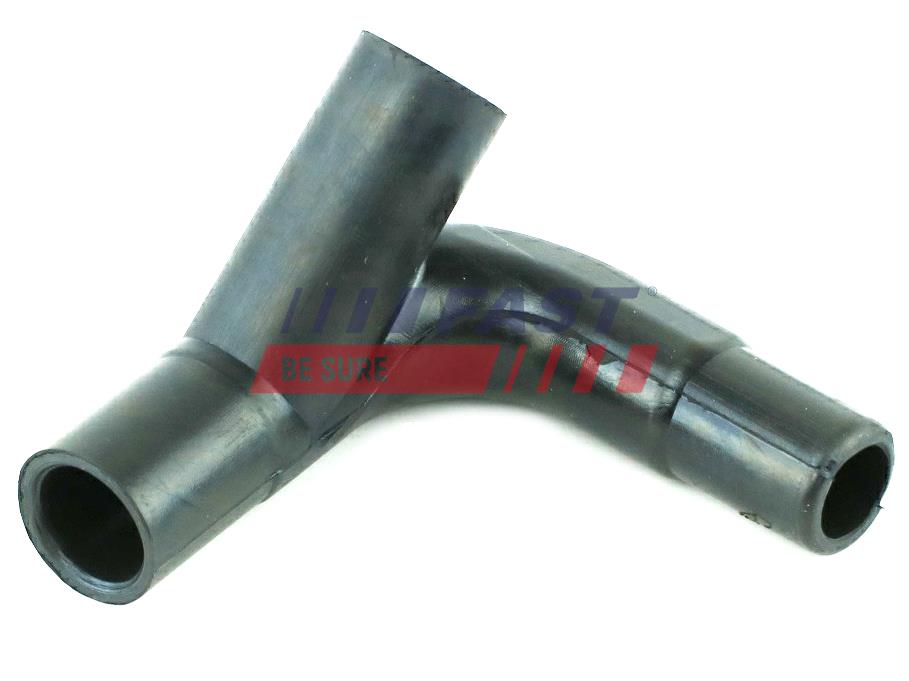

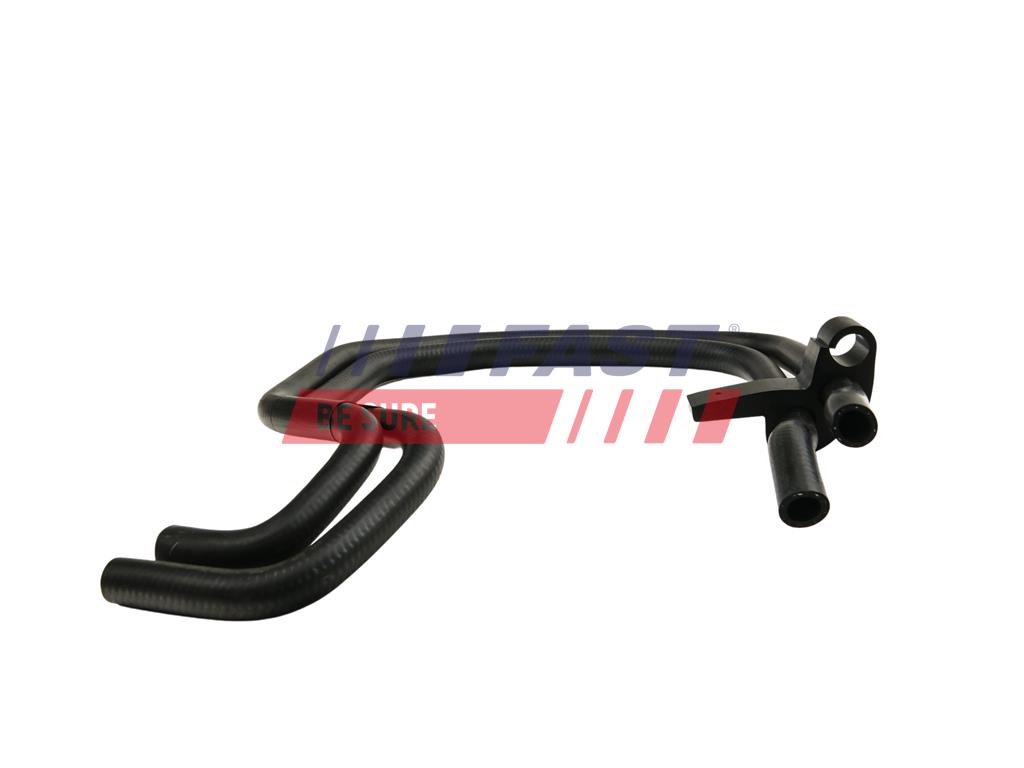
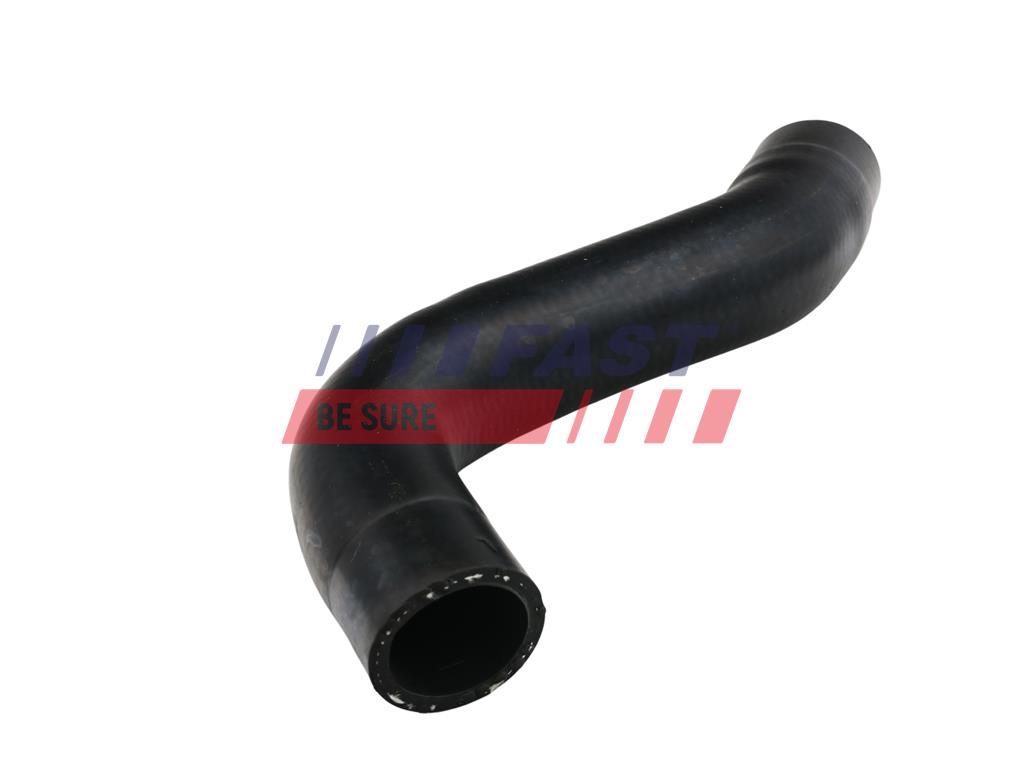
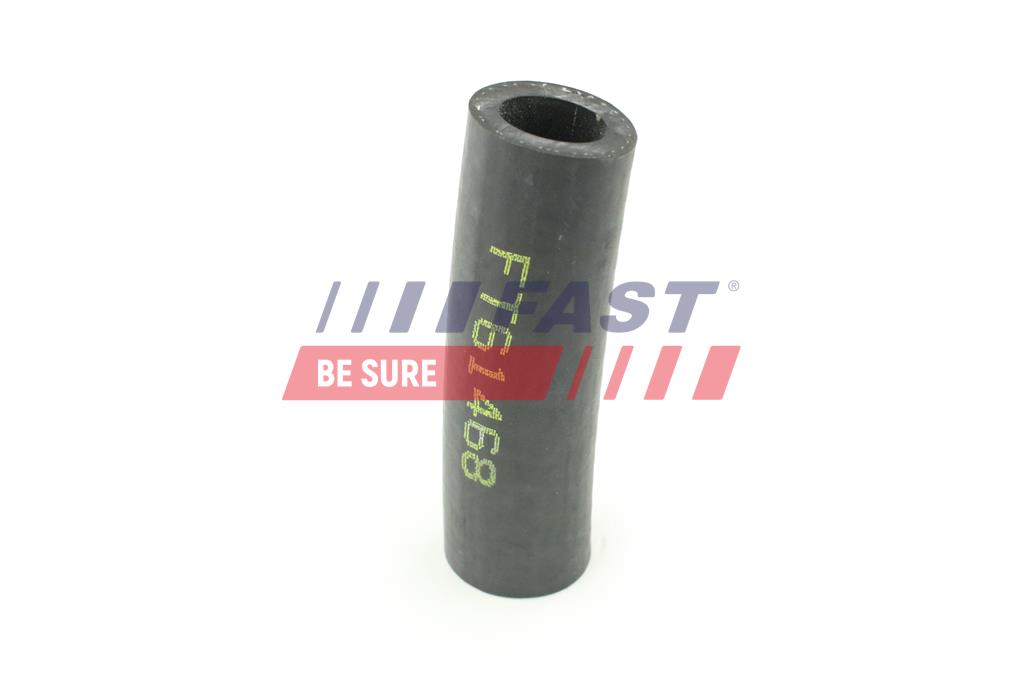
Explore our premium range of cooling pipes designed to enhance your vehicle’s performance and longevity. As vital components in your car’s cooling system, these pipes ensure proper coolant circulation, preventing costly radiator hose replacements and unexpected repairs. Subscribe to stay updated on our newest additions and keep your vehicle running smoothly. Discover the right cooling pipe solutions with FAST original today and secure the optimal operation of your engine.
Cooling pipes are indispensable to the optimal functioning of a vehicle’s engine, ensuring that the coolant circulates efficiently throughout the system. These components are crucial in maintaining the engine’s temperature within a safe range, thus preventing the risks associated with overheating. When cooling pipes fail to perform effectively, the engine is susceptible to excessive heat, which can lead to severe mechanical issues. This not only compromises the vehicle’s performance but also escalates maintenance costs, with radiator hose replacement cost becoming a significant concern. A coolant pipe leak repair is often an unexpected and expensive ordeal for vehicle owners. Such leaks can disrupt the balance of the cooling system, causing the engine to operate at higher temperatures and even leading to serious damage if not addressed promptly. Therefore, it is vital to ensure that cooling pipes are in optimal condition, securing the engine’s health and performance. Regular checks and timely replacements of these components are necessary to avoid costly repairs and to maintain the smooth operation of your vehicle. By recognising the importance of these pipes, drivers can better appreciate their role in preserving the longevity of the engine and the overall vehicle. Hence, investing in high-quality cooling pipes is not merely a maintenance task but a proactive measure to prevent future issues and ensure a reliable driving experience.
When it comes to selecting the right replacement cooling pipes for your vehicle, it’s essential to consider several key factors to ensure continued efficiency and performance. The quality of the cooling pipes you choose can significantly influence the overall resilience and longevity of your vehicle’s cooling system. One important consideration is the material of the cooling pipes. Many car enthusiasts and mechanics recommend a metal coolant pipe upgrade due to its superior durability compared to traditional rubber alternatives. Metal pipes offer enhanced resistance to wear and tear, which is especially beneficial if you frequently drive in demanding conditions. Additionally, proper fitment is crucial; opting for pipes that are precisely designed for your vehicle’s make and model will prevent leaks and ensure efficient coolant flow. It’s also important to consider the manufacturer’s reputation, as brands known for rigorous quality standards, like those in the FAST original range, can provide added assurance of reliability. Investing in high-quality replacements is not just about immediate performance but also about reducing long-term maintenance costs, such as the radiator hose replacement cost. By choosing the right cooling pipe replacements, you not only improve the cooling system’s efficiency but also extend the life of your engine, ultimately preventing costly repairs and ensuring a smoother, more reliable driving experience.
Maintaining the efficiency of your vehicle’s cooling system involves regular attention and care to prevent unexpected issues and costly repairs. Start with routine checks of your cooling pipes to ensure they are free from wear or damage. Pay particular attention to the upper and lower radiator hoses, as these are critical components in the system’s operation. Inspect these hoses for signs of cracks, bulging, or leaks, and replace them promptly if any issues are found. Keeping the coolant level topped up and ensuring it is clean is also essential, as contaminated or low coolant can lead to overheating and increased pressure on the system. Periodically flushing the cooling system and replacing the coolant can help maintain optimal performance. Additionally, remember that using quality parts for replacements and upgrades can enhance the longevity and reliability of your cooling system, potentially avoiding frequent coolant pipe leak repairs. By following these maintenance tips, you can ensure your vehicle’s cooling system remains efficient and effective, reducing the likelihood of breakdowns and keeping your engine running smoothly.
To locate a coolant leak in the cooling pipes, begin with a visual inspection of the engine bay, looking for signs of coolant residue, such as discolouration or wet spots around the pipes and connections. Pay close attention to the radiator, hoses, and water pump areas. If no obvious leaks are found, a cooling system pressure tester can be used. This device pressurises the system, allowing you to identify leaks as coolant escapes from compromised areas. Additionally, adding a UV dye to the coolant and using a UV light can help detect leaks that are not immediately visible.
Cooling pipes are manufactured from various materials, each selected for specific performance characteristics. Common materials include rubber, known for its flexibility and resistance to heat and chemicals; silicone, which offers exceptional heat resistance and durability; thermoplastics like nylon or polyurethane, valued for their chemical resistance and durability; and metals such as stainless steel, used in applications requiring high-pressure resistance and extreme temperature tolerance. Composite materials, combining elements like rubber and fabric or metal, are also utilised to enhance flexibility and strength.
It is advisable to inspect cooling hoses and pipes at least twice a year, ideally during routine vehicle maintenance or before seasonal temperature changes. Regular inspections help identify signs of wear, such as cracks, bulges, or leaks, allowing for timely replacements and preventing potential cooling system failures. Additionally, always check the condition of the hoses and pipes before long journeys to ensure the cooling system operates efficiently.

Subscribe our newsletter, why is it worth it? Every week a lot of new products that you can’t miss. Just enter your e-mail address and access the database of new Fast products. The brand’s portfolio is growing by up to several dozen products a week. Don’t miss out on expanding your offer with new FAST codes, register now!