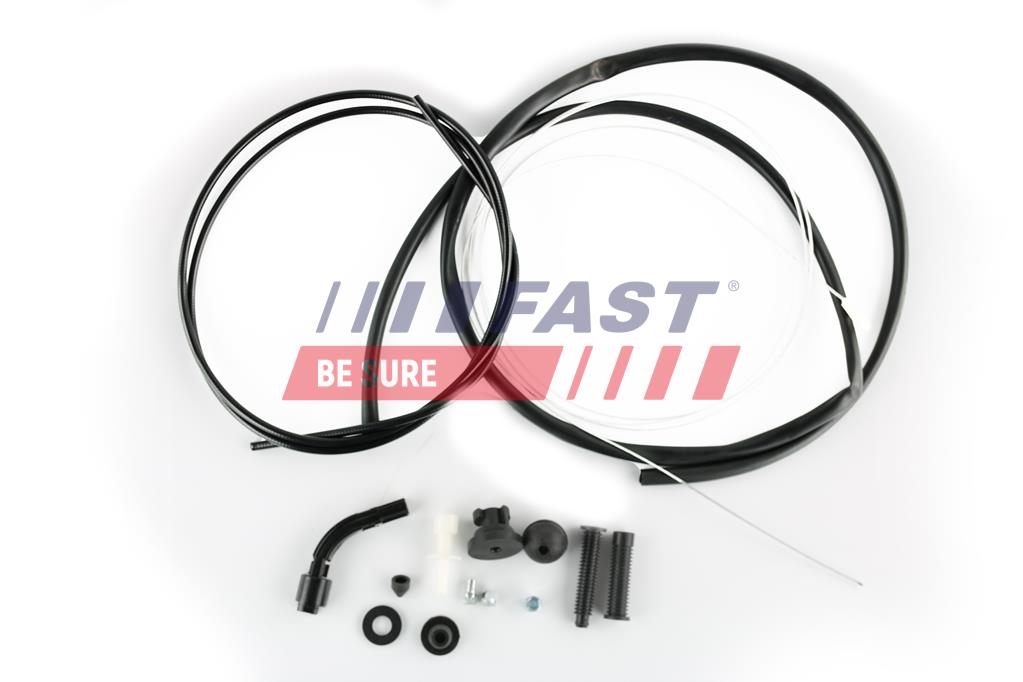
GAS PEDAL CABLE CITROEN BERLINGO 08> 2710/2500 MM

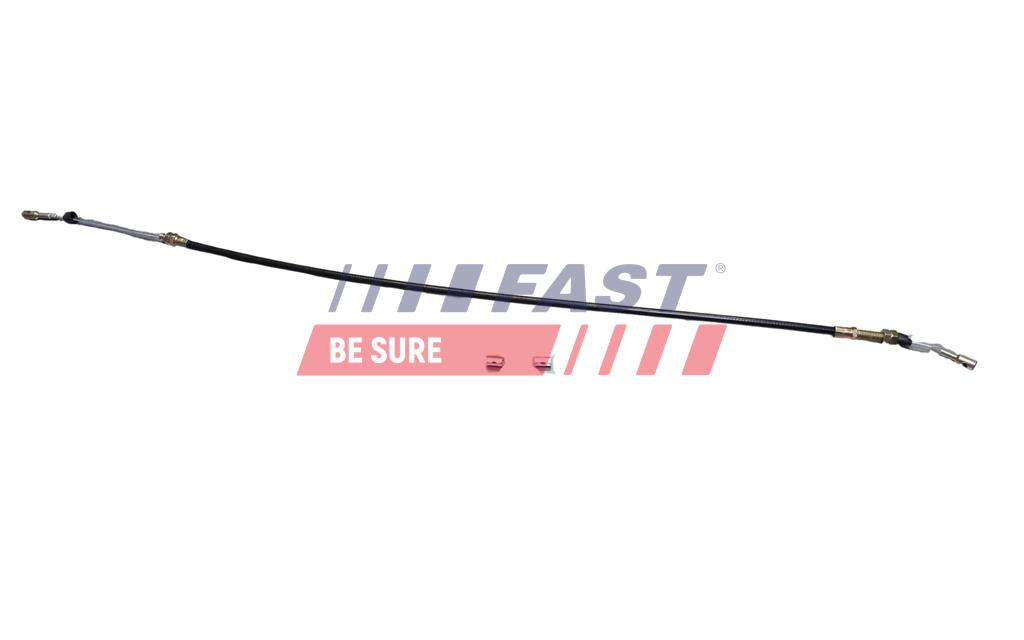
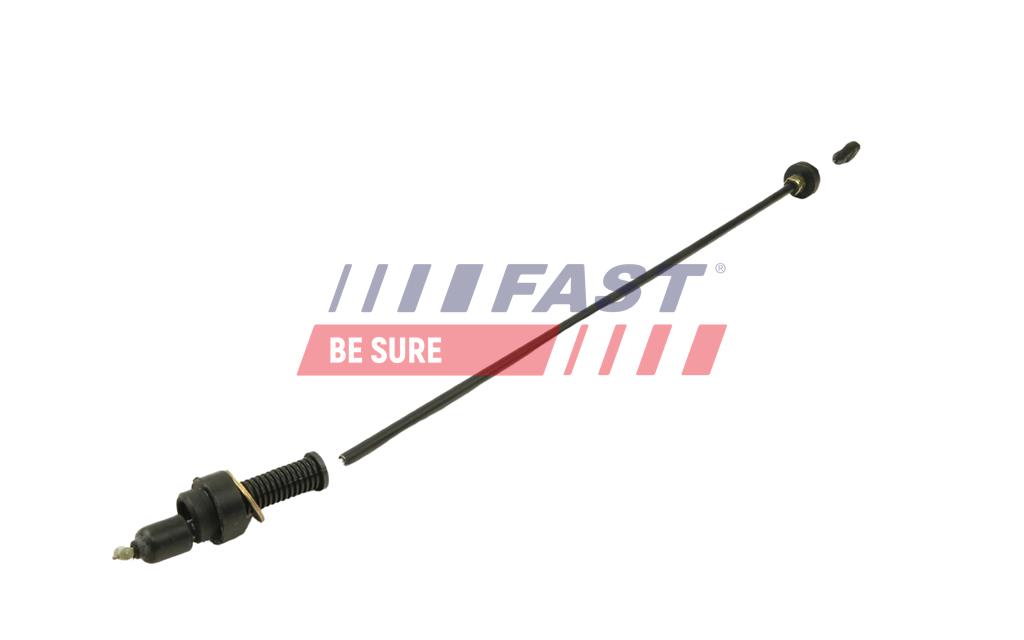
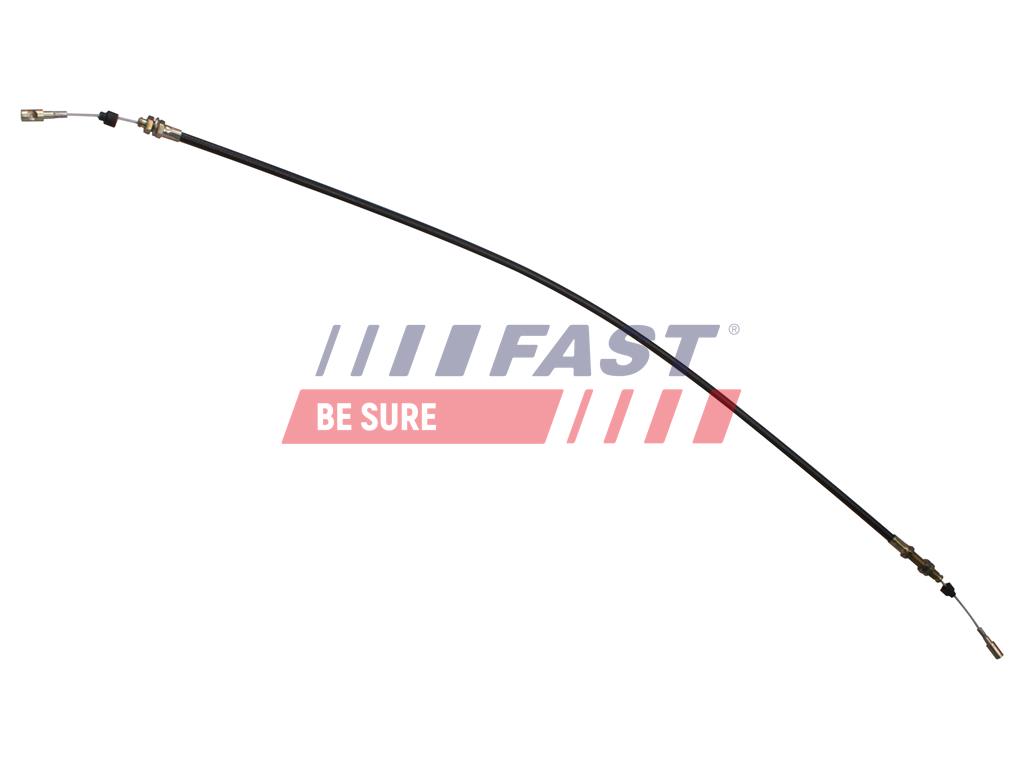
Accelerator cables play a pivotal role in ensuring your vehicle’s responsiveness and performance. At FAST original, we specialise in offering superior quality accelerator cables designed for perfect fit and durability. Whether you’re on the lookout for replacement parts or aiming to optimise your vehicle’s performance, explore our range of products. Sign up for our newsletter to stay informed about our latest offerings and keep your vehicle running reliably!
Accelerator cables are essential for any vehicle’s throttle control system, ensuring that the power output is responsive and smooth when the driver presses the accelerator pedal. These cables form a critical link between the accelerator pedal and the engine, directly influencing how effectively a vehicle can accelerate and maintain speed. High-quality cables are vital, as they offer reliability and durability, reducing the potential need for frequent replacements. When these cables are of inferior quality or become worn, various symptoms such as inconsistent acceleration or difficulty in maintaining speed may occur. These are typical broken throttle cable symptoms that should be addressed promptly. The accelerator cable replacement cost can vary depending on the vehicle make and model, but investing in quality parts can save money in the long term by avoiding recurrent repairs. Recognising the signs of wear and tear early can prevent further damage and ensure that the vehicle continues to operate smoothly and efficiently. Understanding the role of accelerator cables and maintaining their integrity is crucial for any vehicle owner. High-performance cables not only enhance driving safety but also contribute to the vehicle’s engine health.
Identifying the signs of a faulty accelerator cable is crucial for maintaining a vehicle’s performance and safety. Common symptoms include sticking or jerky acceleration, where the vehicle may suddenly speed up or slow down without smooth transitions. This can be noticeable when pressing or releasing the pedal, indicating that the cable may be binding or frayed internally. A delay in the vehicle’s response is another sign, compromising safe driving. Recognising these broken throttle cable symptoms can prevent extensive damage when addressed early. When such symptoms are observed, it’s important to consider the potential replacement cost, which can vary but is often more economical than major engine repairs due to neglect. Timely detection and repair are essential to avoid unexpected breakdowns and ensure efficient operation. Regular inspections and maintenance can identify wear and tear before it becomes critical. Addressing problems promptly saves on costly future repairs and ensures reliability for everyday use.
Proper maintenance of accelerator cables is key to ensuring your vehicle’s throttle system functions optimally and lasts longer. Regular checks and adjustments prevent most issues before they escalate. Here are some essential tips for maintaining and fixing common cable issues:
Regular maintenance not only improves performance but also enhances overall vehicle safety and efficiency.
Common indicators of a deteriorating accelerator cable include:
Recognising these symptoms early can prevent further damage and ensure safe vehicle operation.
It’s advisable to inspect the throttle cable regularly to maintain optimal performance. For most vehicles, a thorough inspection every 30,000 to 50,000 miles is recommended. However, if you frequently drive in harsh conditions-such as dusty, wet, or extreme temperatures-more frequent checks may be necessary. Regular inspections help identify wear or damage early, preventing potential issues and ensuring the throttle system functions correctly.
Replacing a sticking accelerator cable can vary in complexity depending on the vehicle’s make and model. For individuals with mechanical experience, it may be a manageable task using standard tools. However, proper routing and tensioning are crucial to ensure safe and effective operation. If you’re uncertain about the process or lack the necessary tools, it’s recommended to seek assistance from a qualified mechanic to ensure the replacement is performed correctly and safely.

Subscribe our newsletter, why is it worth it? Every week a lot of new products that you can’t miss. Just enter your e-mail address and access the database of new Fast products. The brand’s portfolio is growing by up to several dozen products a week. Don’t miss out on expanding your offer with new FAST codes, register now!