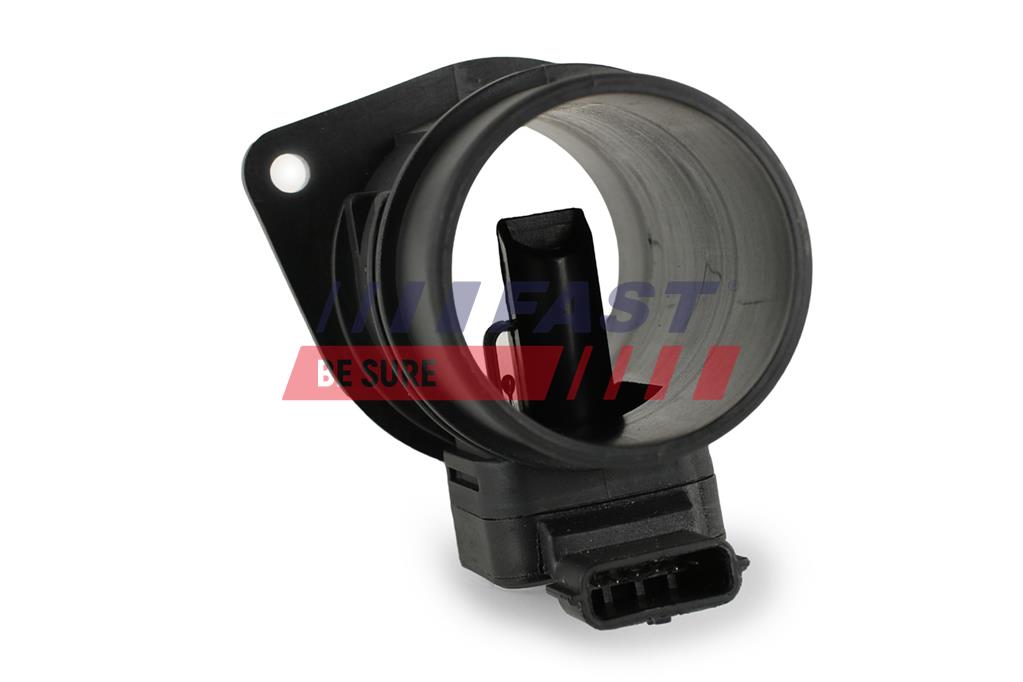
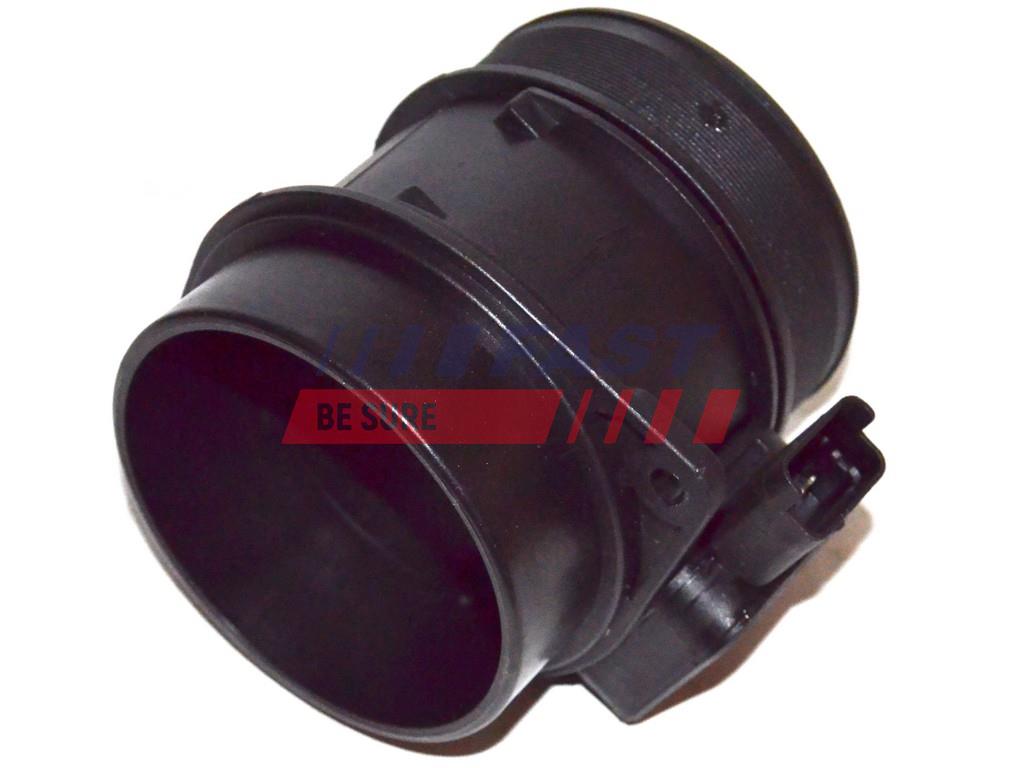
MASS AIRFLOW SENSOR RENAULT KANGOO I 97> 1,5 DCI


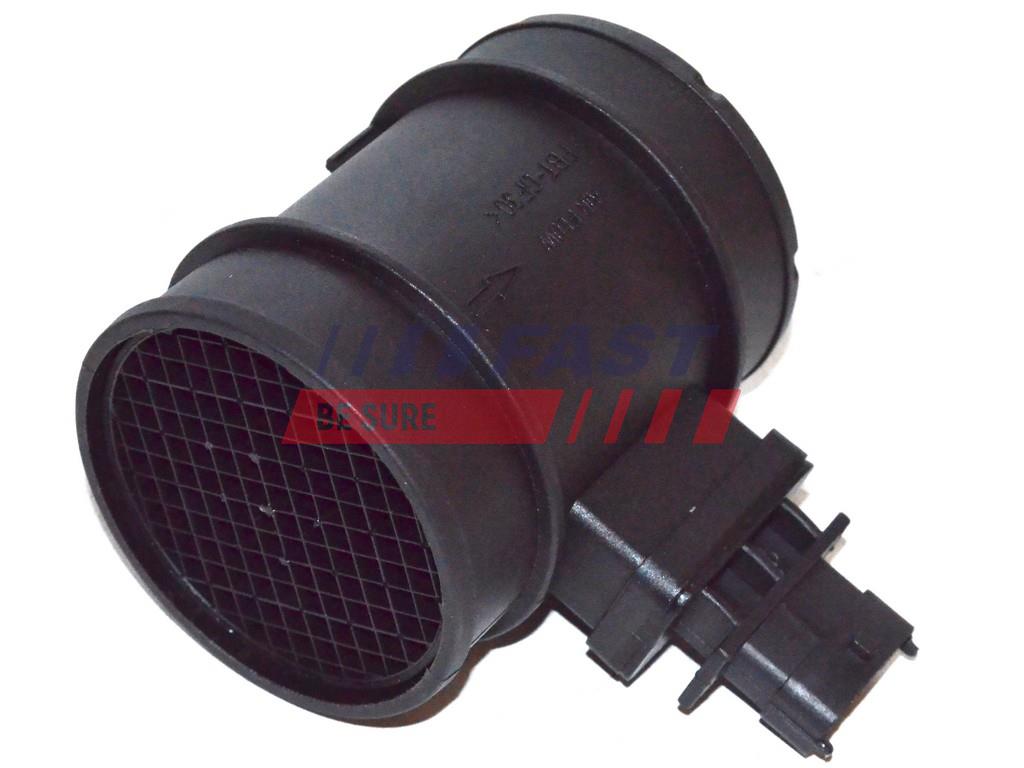


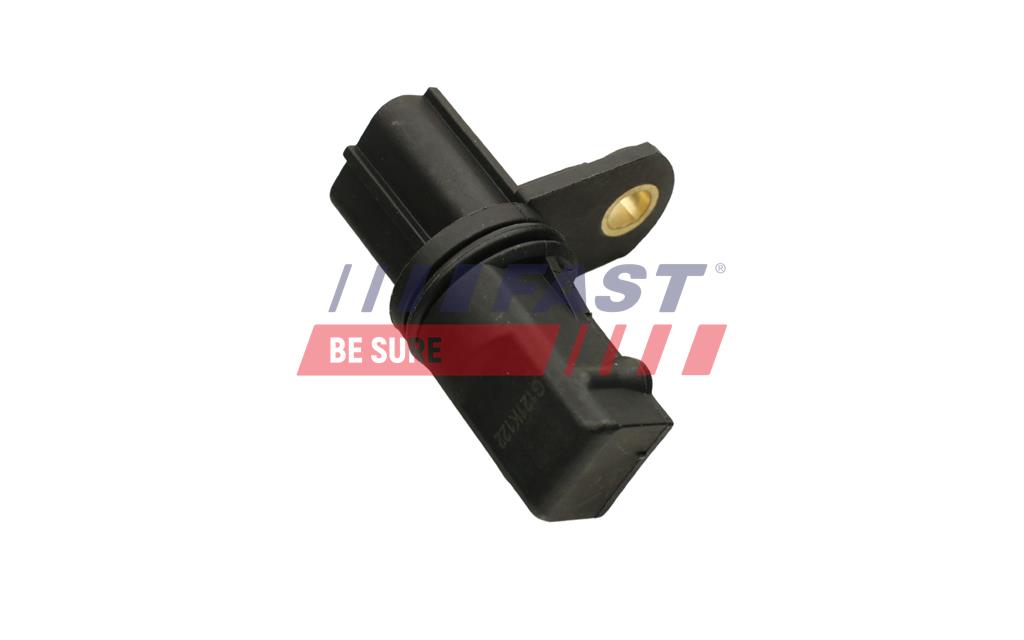
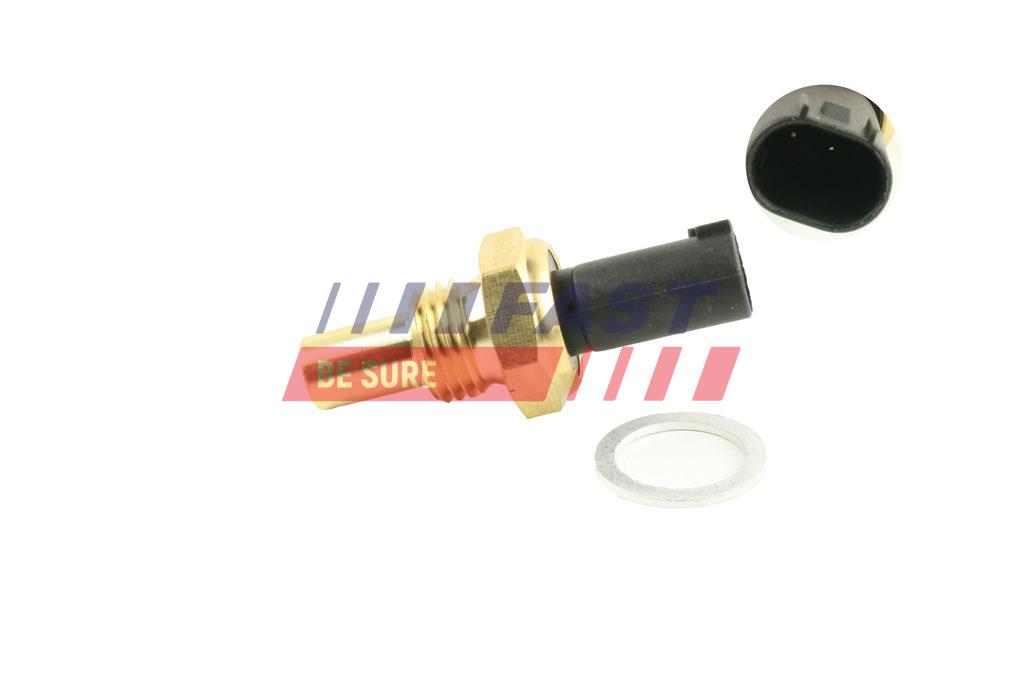
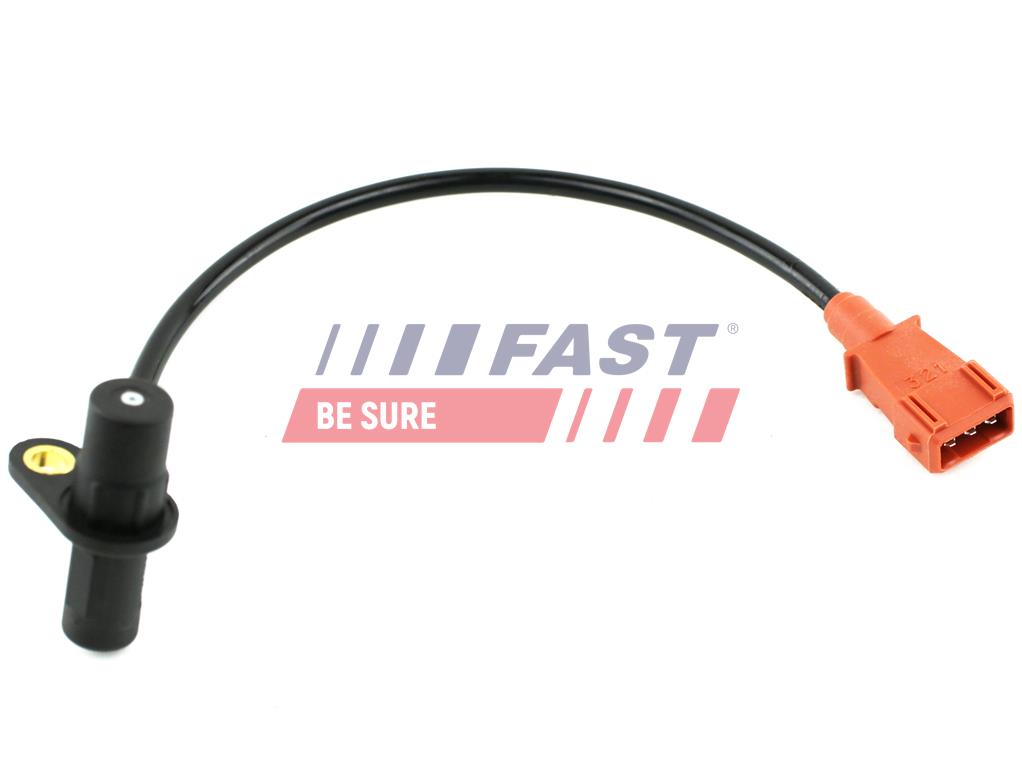

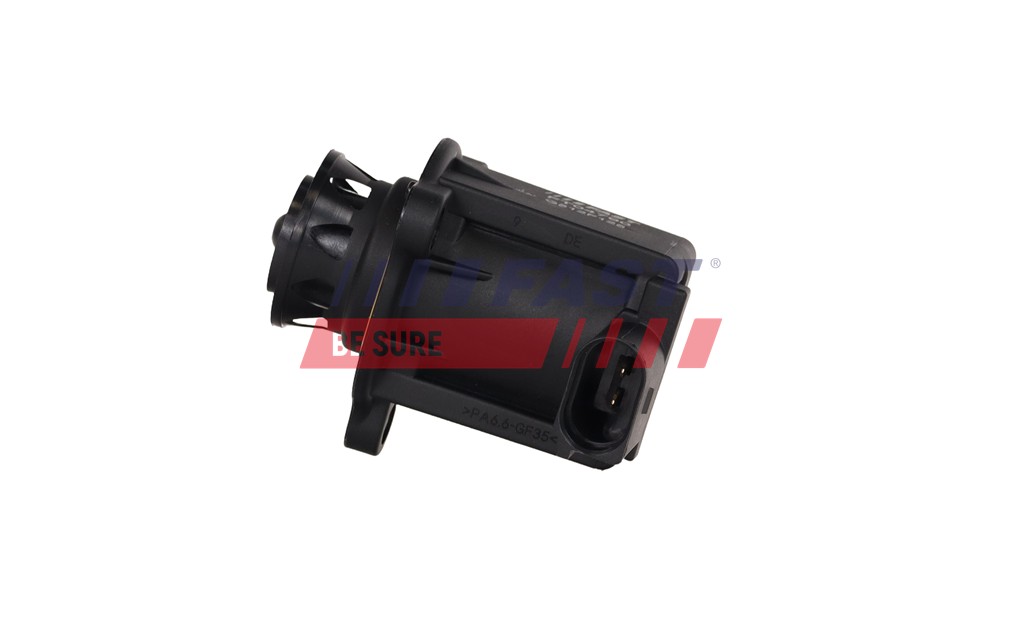
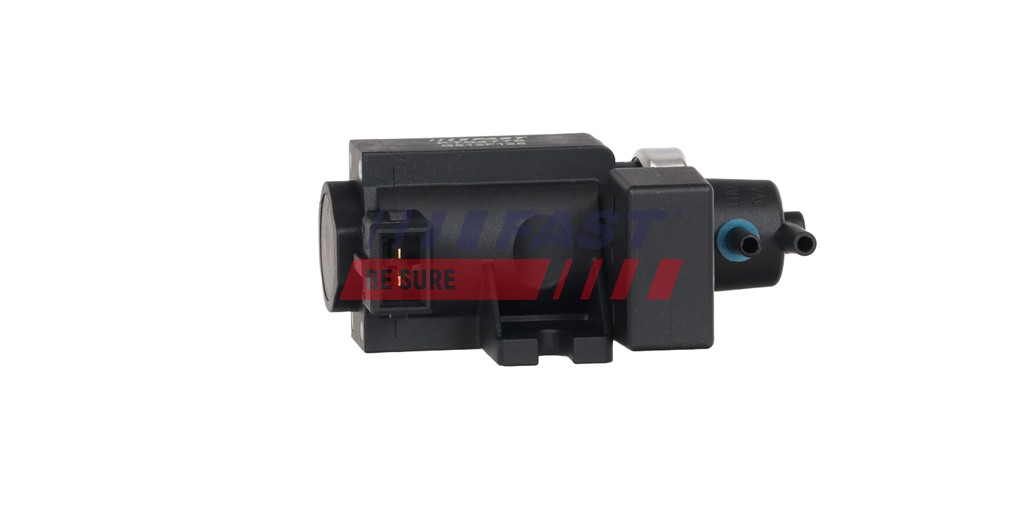
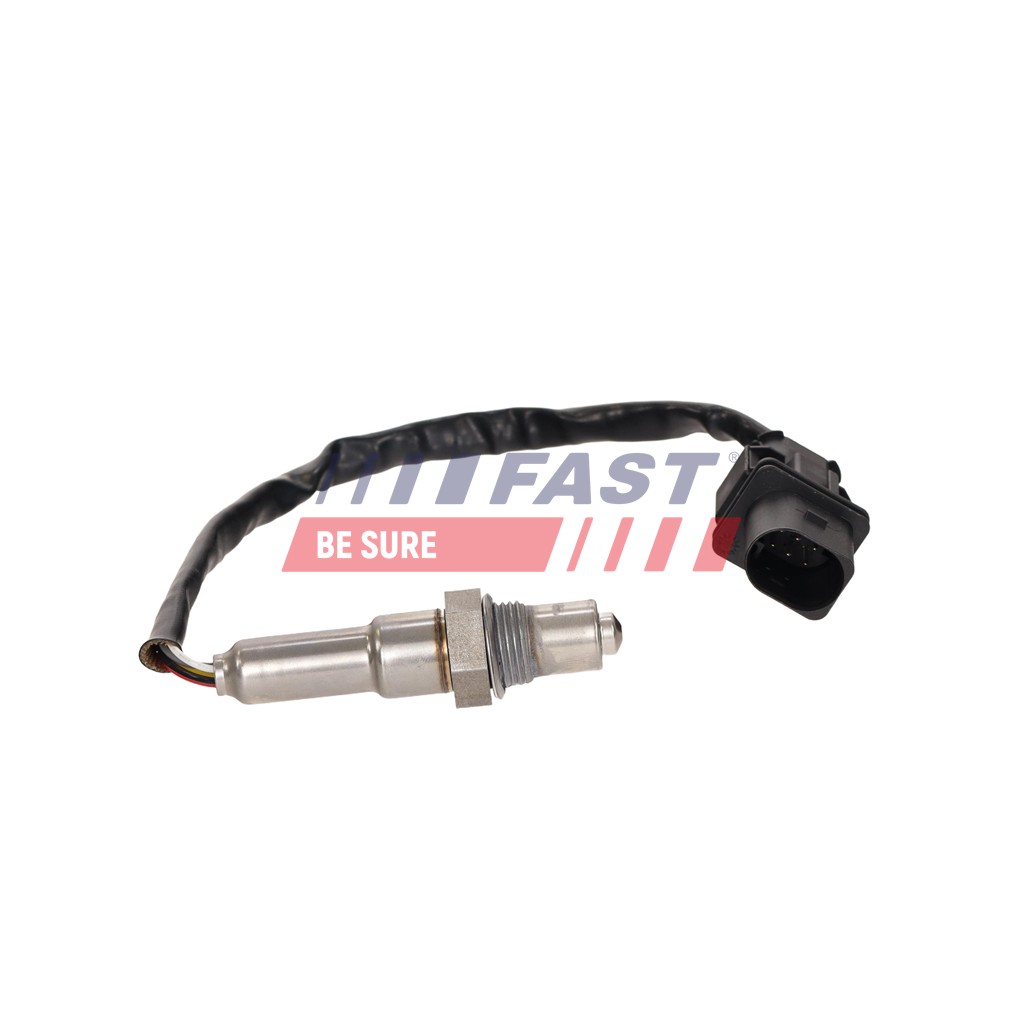
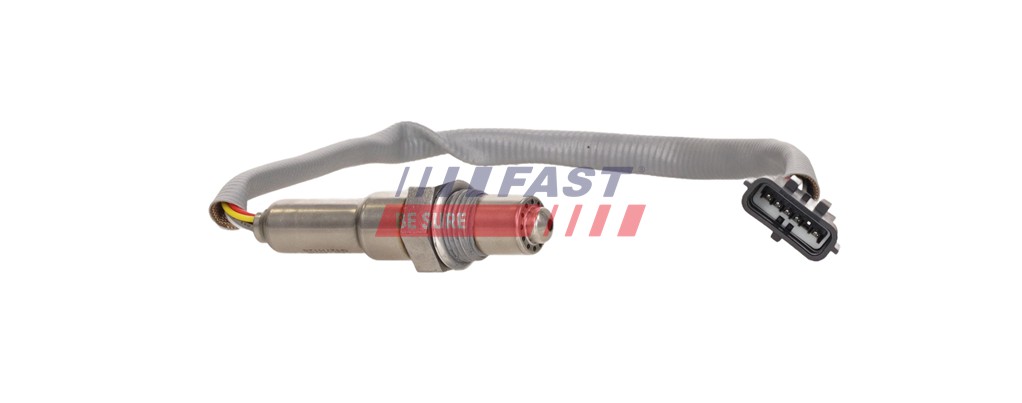

Explore our diverse range of electric sensors and switches designed to meet the specific needs of your vehicle. These high-quality components are essential for ensuring optimal performance and safety on the road. Discover how regular automotive sensor testing can prevent issues before they start. Stay ahead with the right equipment and maximise your vehicle’s efficiency today. Find your perfect fit in our FAST original catalogue now!
Electric sensors and switches are integral components in modern vehicles, serving as the backbone for numerous critical functions. Their primary role is to provide real-time data that assists in the seamless operation of various systems within both commercial and passenger vehicles. By converting physical parameters into electrical signals, electric sensors allow precise monitoring and adjustment of engine functions, contributing to optimal performance and safety on the road. The intricate design of these parts enables them to detect changes and communicate vital information to vehicle control systems, ensuring engines run efficiently and emissions are kept in check. The switches serve as crucial control points, activating or deactivating systems as needed to maintain smooth operation. To keep a vehicle running at its best, regular automotive sensor testing is highly recommended. This process involves checking the functionality of sensors and switches to pre-empt potential failures or inaccuracies that could lead to performance issues. Such proactive measures ensure your vehicle remains reliable and safe, preventing unexpected breakdowns and costly repairs. Understanding the essentials of electric sensors and switches, and the importance of their maintenance, is key to prolonging the lifespan of a vehicle and achieving maximum efficiency.
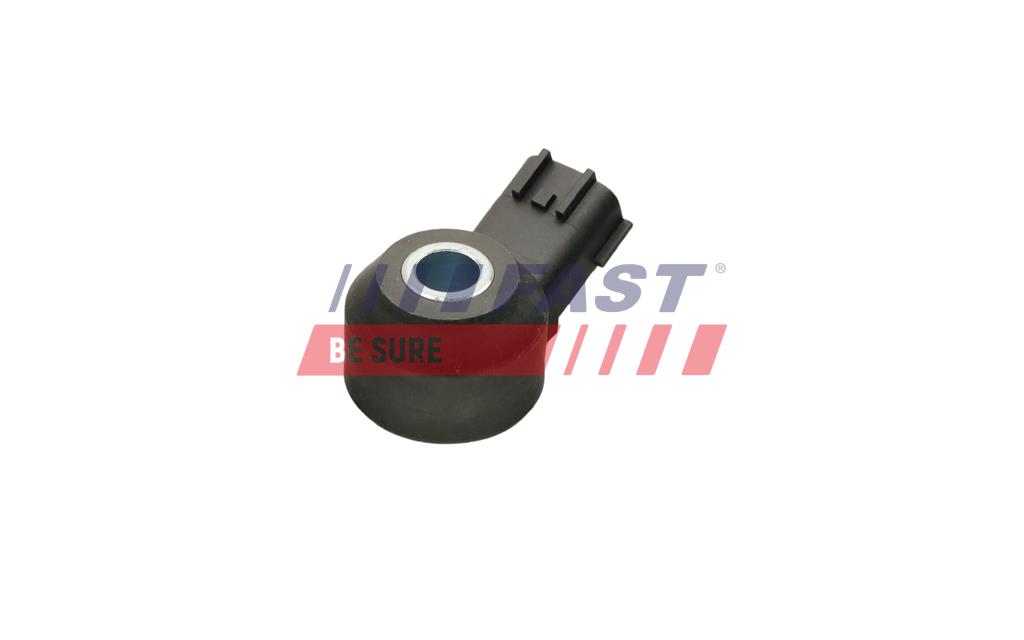
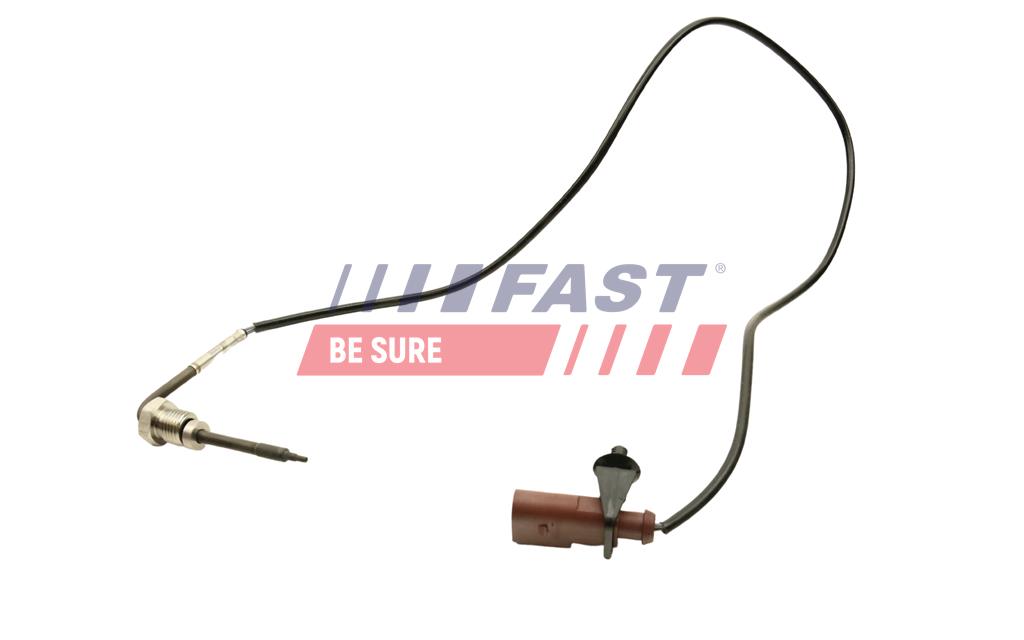
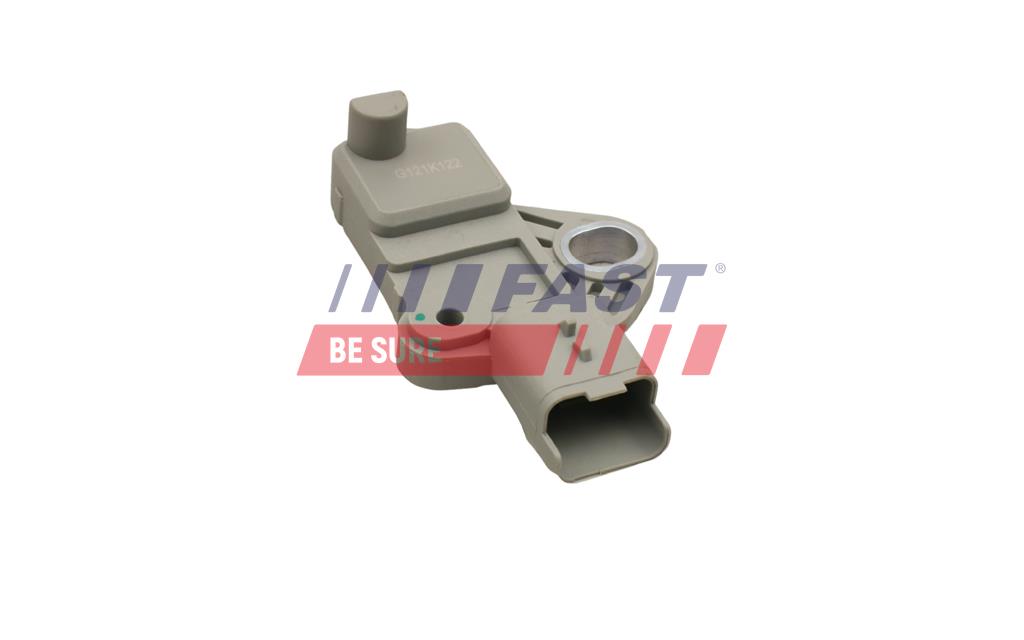
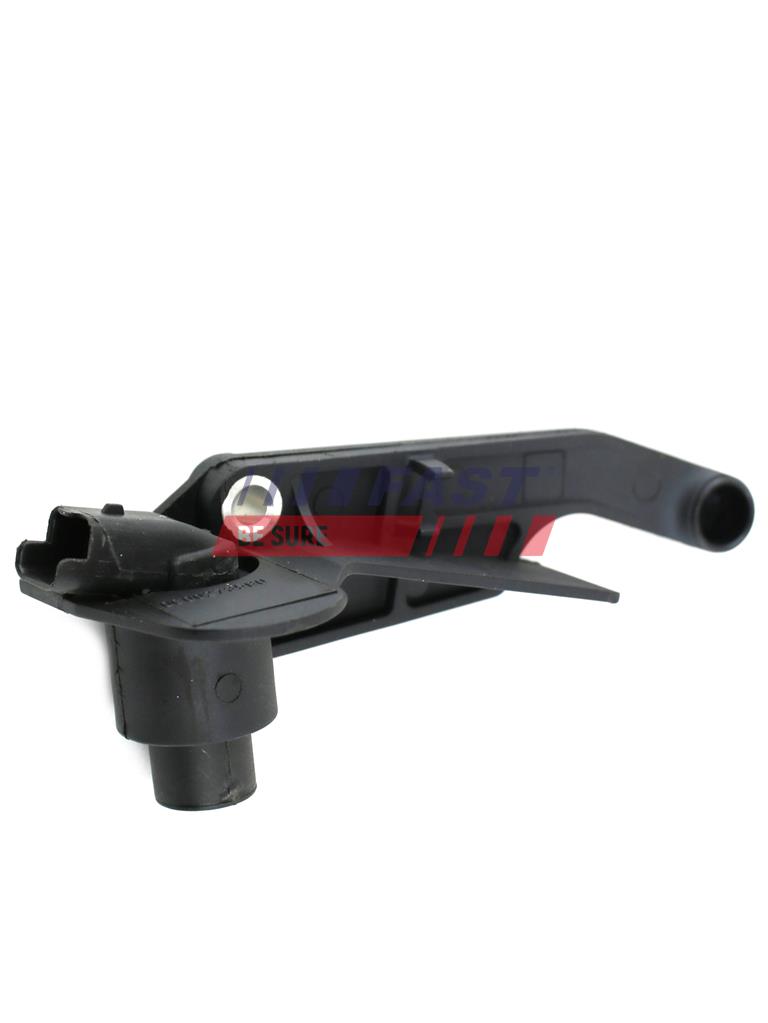
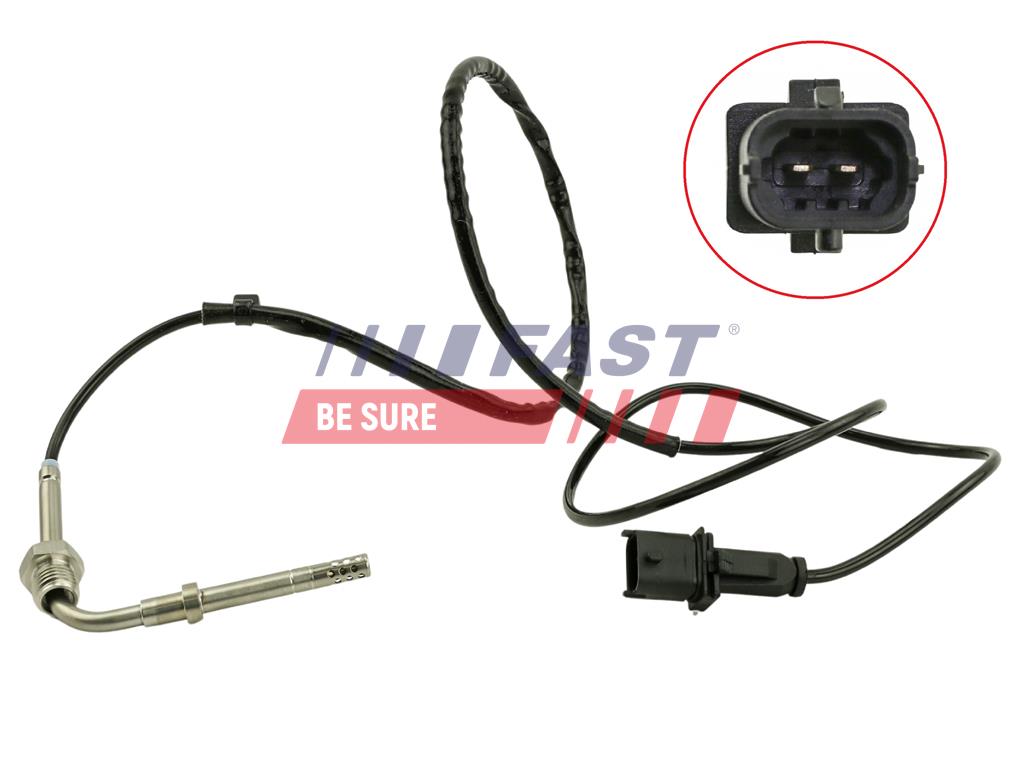
In the world of automotive technology, key components such as the Mass Airflow Sensor, Crankshaft Position Sensor, Oil Pressure Sensor, Knock Sensor, and Exhaust Gas Temperature Sensor play pivotal roles in enhancing vehicle performance and safety. Each of these electric sensors contributes uniquely to the overall functionality and efficiency of a vehicle. The Mass Airflow Sensor, for instance, is crucial for determining the precise amount of air entering the engine, facilitating the optimal adjustment of the fuel-air mixture, which is essential for efficient combustion and power delivery. Meanwhile, the Crankshaft Position Sensor provides indispensable information regarding the position and rotational speed of the crankshaft, ensuring precise engine timing and smooth operation. The Oil Pressure Sensor is vital for monitoring the engine’s lubrication system, providing alerts if oil pressure drops to levels that could cause damage. The Knock Sensor detects knocking or pinging sounds caused by premature combustion, enabling timely adjustments to engine settings for improved efficiency and longevity. Lastly, the Exhaust Gas Temperature Sensor monitors the temperature of exhaust gases, playing a key role in emissions control and ensuring that the engine operates within safe temperature limits. Together, these components form an intricate network that keeps your vehicle running efficiently, safely, and in compliance with environmental standards, making them indispensable for modern automotive systems.
Maintaining electric components in your vehicle is crucial for ensuring long-lasting performance and reliability. Troubleshooting issues like an oil pressure switch leak can often be straightforward if you know what to look for. Leaks may manifest as visible oil residue around the switch area and can lead to inaccurate readings, potentially causing engine damage if not addressed. Regular inspections and timely replacements are vital to avoid such scenarios. Another common challenge is locating the radiator fan switch. Typically situated near the radiator or the thermostat housing, knowing the exact radiator fan switch location can help in diagnosing cooling system issues, aiding in temperature regulation. The coolant temperature switch also plays a significant role in engine management by regulating the engine’s operating temperature. A malfunctioning switch could lead to inefficient performance or overheating. Regular checks and understanding the symptoms of a faulty switch, such as erratic temperature readings or engine overheating, can prevent larger issues. By understanding these components and adopting a proactive maintenance approach, you can keep your vehicle’s electric systems in excellent condition, enhancing both performance and safety. Invest in FAST original products for a perfect fit and reliability, supported by a 5-year warranty.
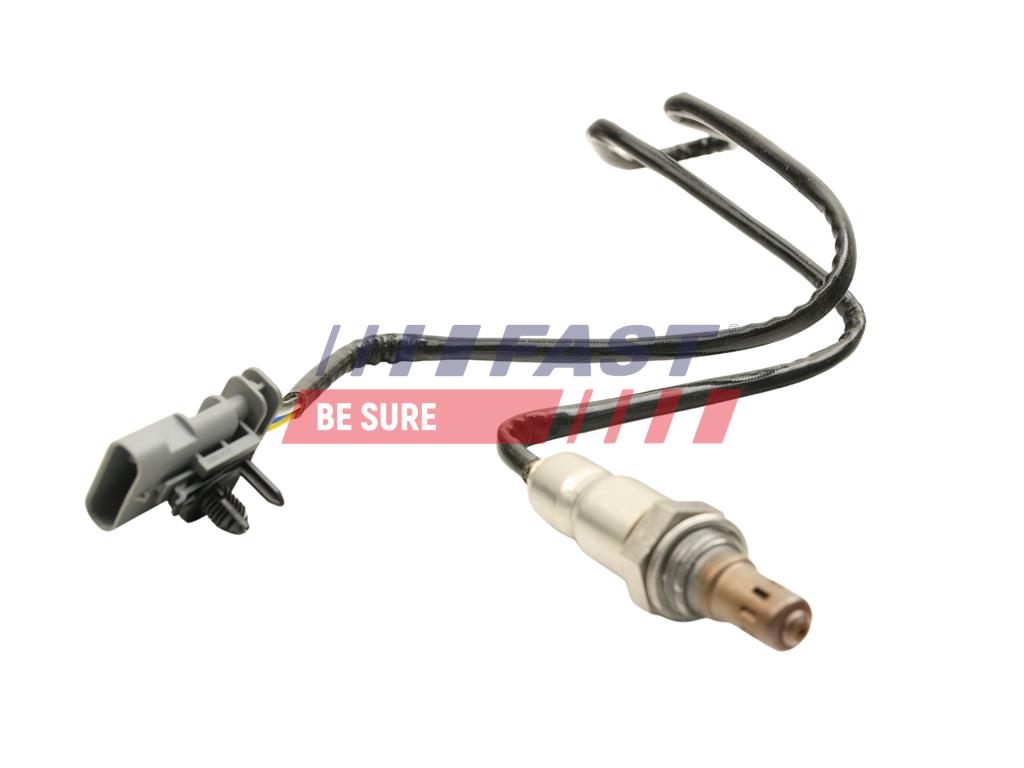
Identifying the specific sensor responsible for a fault code involves using a diagnostic scanner to retrieve the Diagnostic Trouble Code (DTC) from your vehicle’s onboard computer. While the DTC indicates which system is experiencing an issue, it doesn’t always pinpoint the exact cause. For instance, a code related to the oxygen sensor might result from a faulty sensor, wiring issues, or other underlying problems. Therefore, it’s essential to conduct a thorough inspection and, if necessary, consult a professional mechanic to accurately diagnose and address the issue.
Yes, reputable manufacturers rigorously test their sensors to ensure accuracy and reliability. These tests often include calibration against known standards, environmental stress assessments, and performance evaluations under various operating conditions. Such comprehensive testing ensures that the sensors provide precise data, which is crucial for the optimal performance and safety of your vehicle.
OEM (Original Equipment Manufacturer) switches are produced by the vehicle’s original manufacturer or their authorized partners, ensuring a perfect fit and adherence to the vehicle’s specifications. They are typically more expensive but come with the assurance of quality and compatibility. Aftermarket switches, on the other hand, are made by third-party manufacturers and can vary in quality and fit. While they are often more affordable and may offer a wider variety of options, it’s important to choose aftermarket parts from reputable sources to ensure they meet the necessary standards for performance and safety.

Subscribe our newsletter, why is it worth it? Every week a lot of new products that you can’t miss. Just enter your e-mail address and access the database of new Fast products. The brand’s portfolio is growing by up to several dozen products a week. Don’t miss out on expanding your offer with new FAST codes, register now!