
BRAKE CYLINDER FIAT DUCATO 94> REAR 18Q 28.57


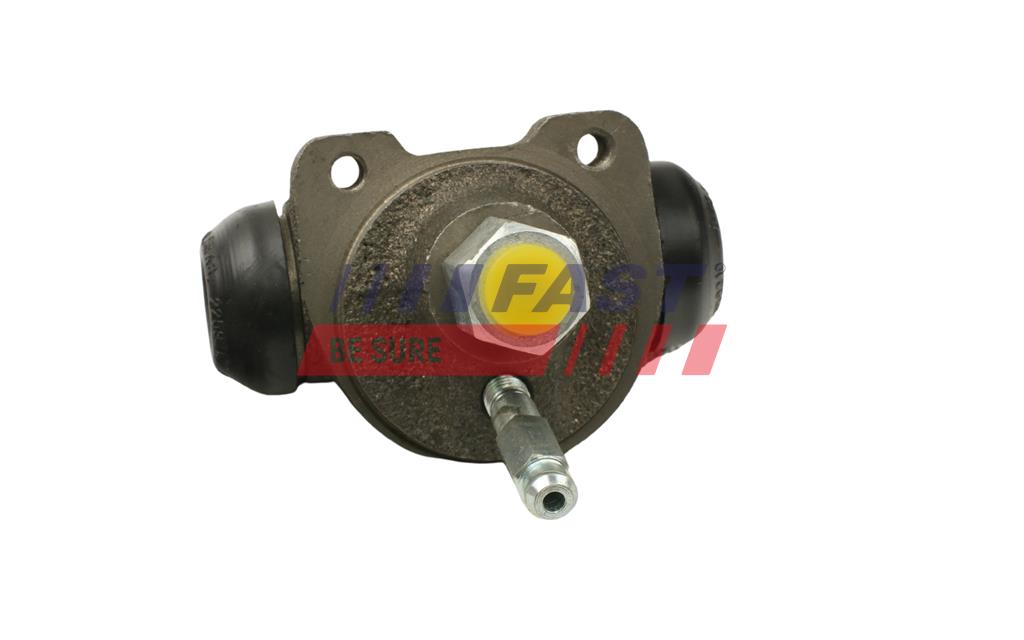
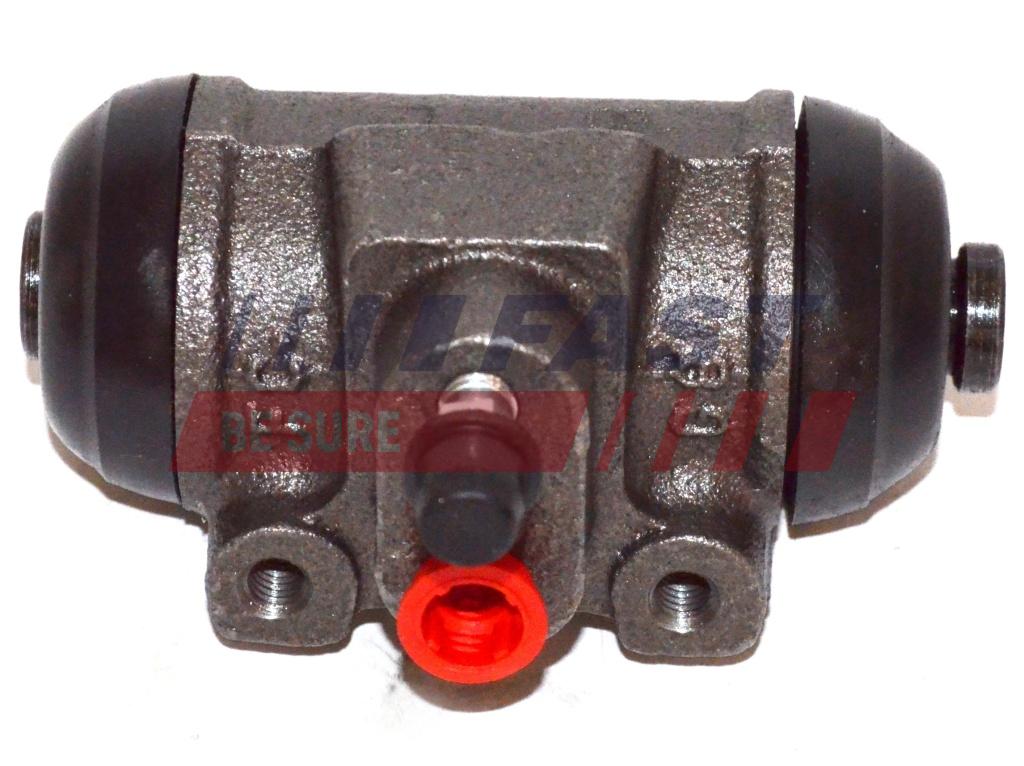
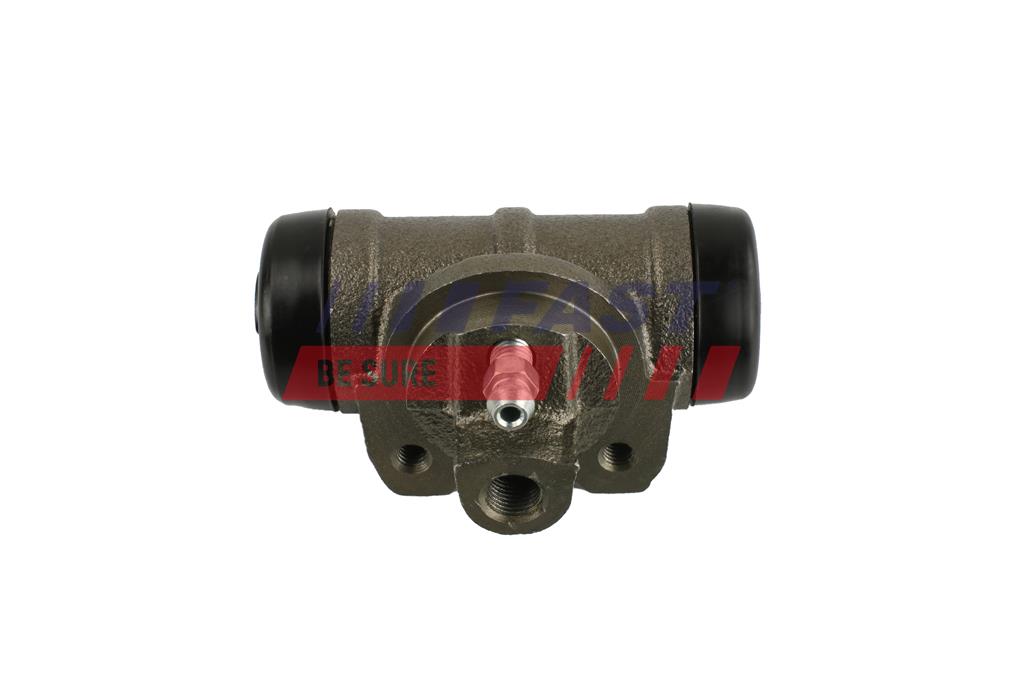
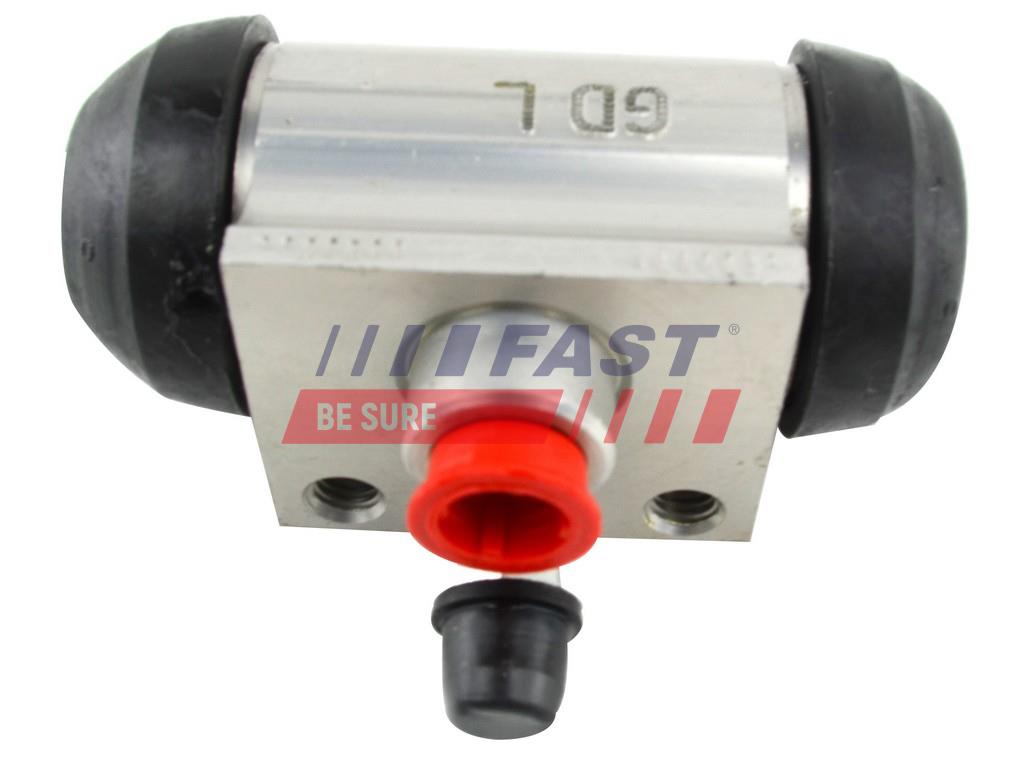
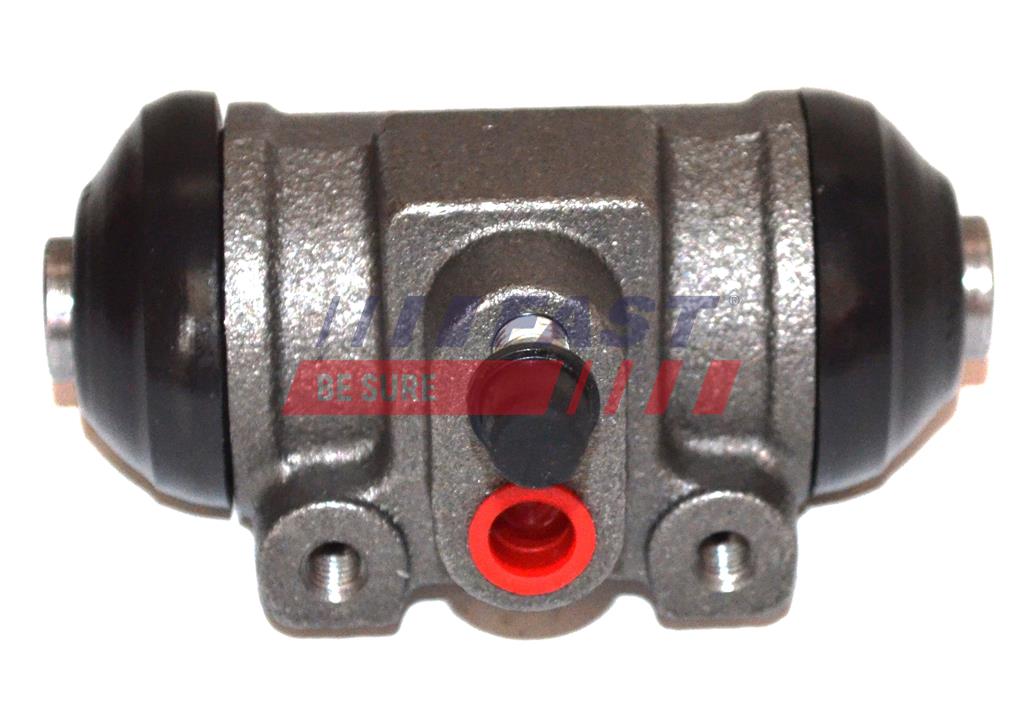
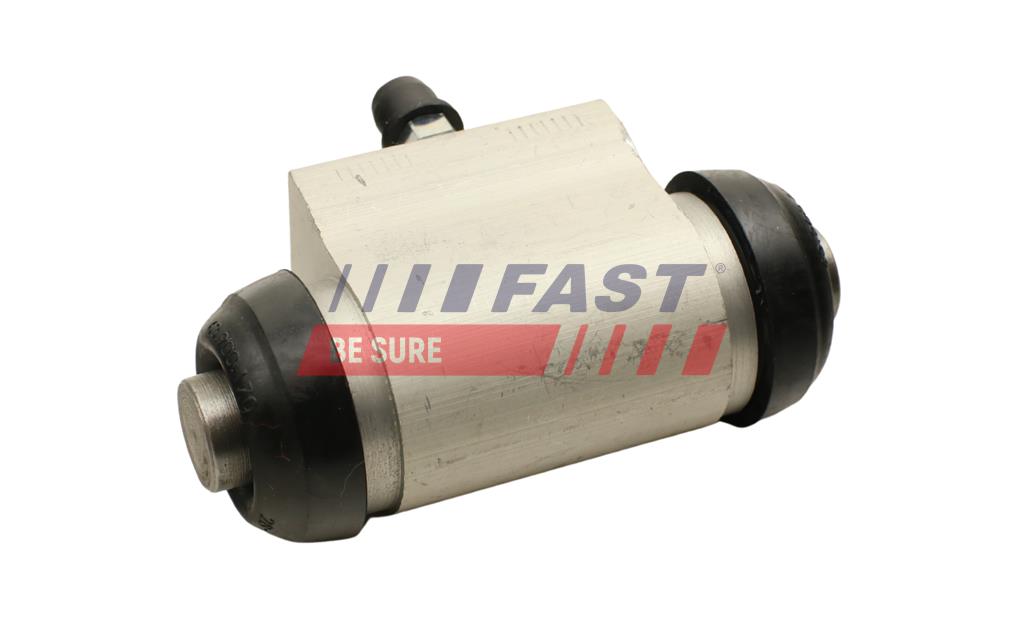
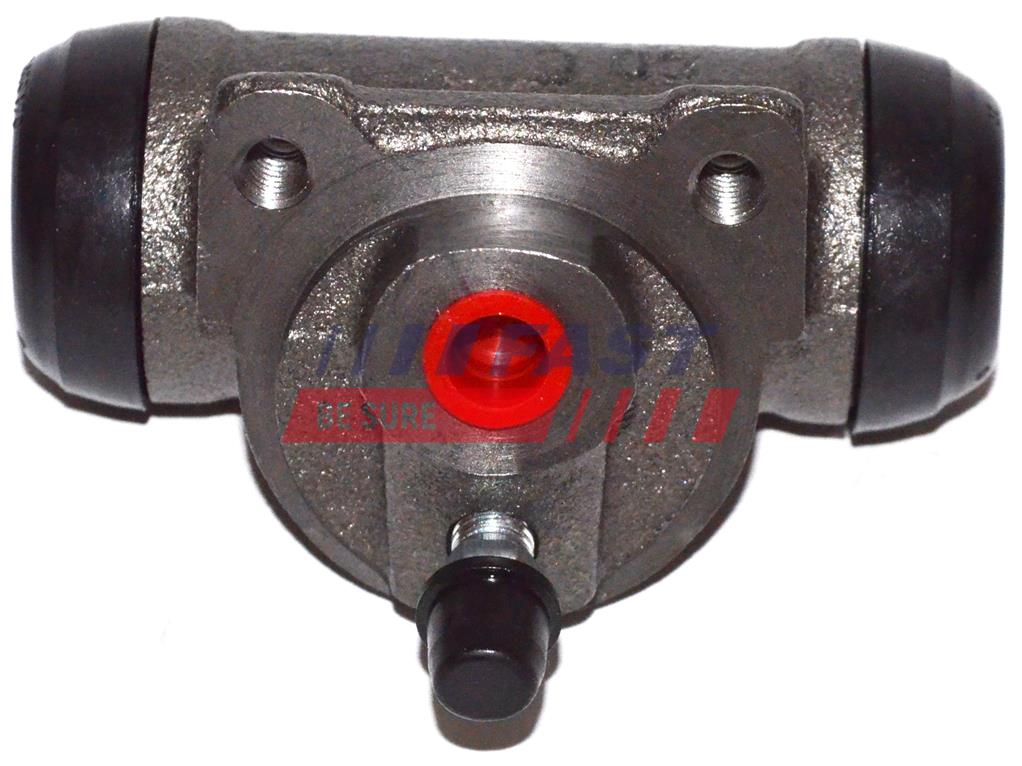
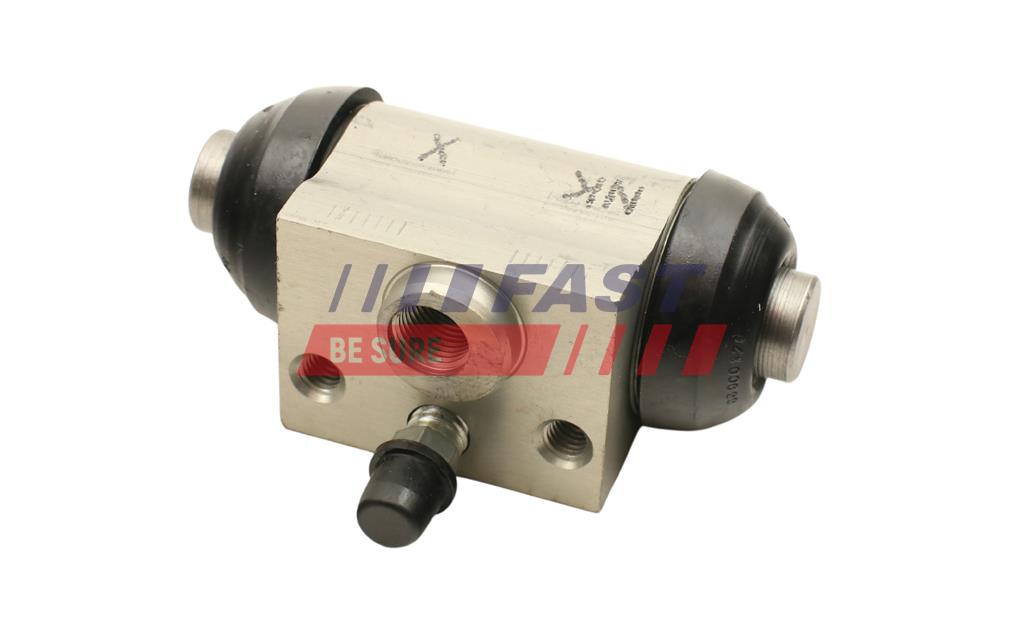
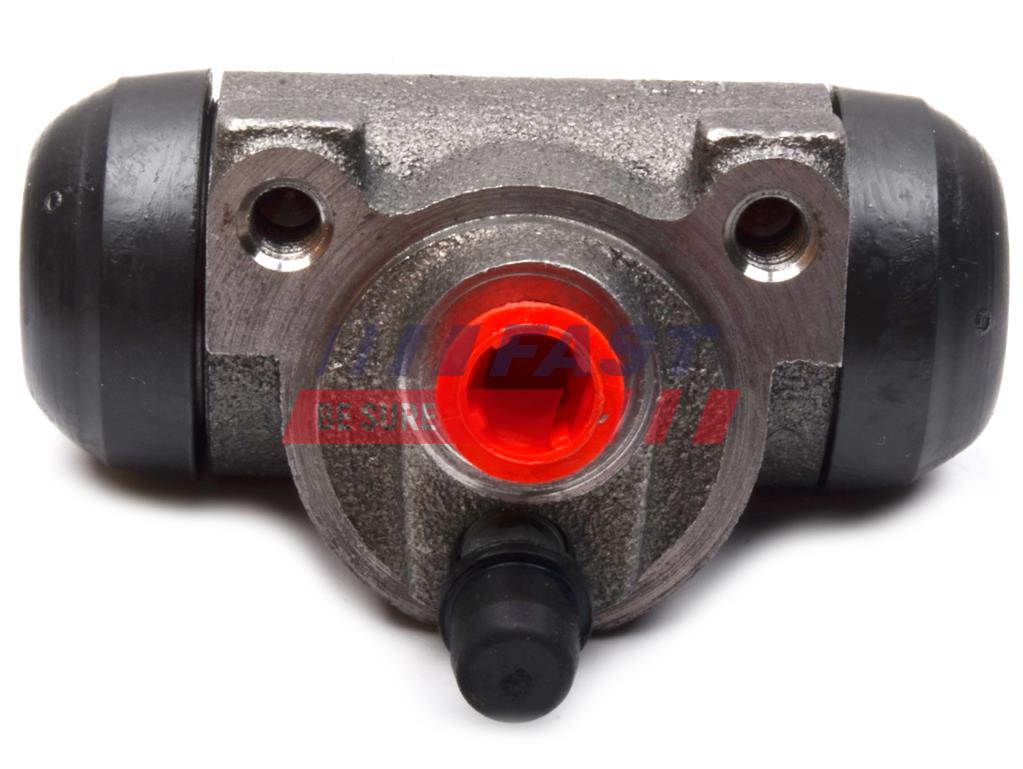

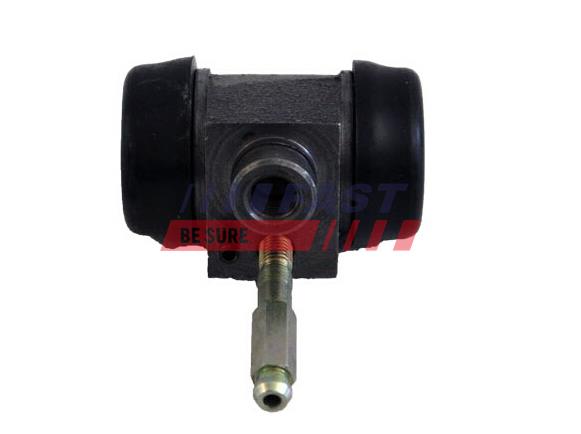
Welcome to our comprehensive brake cylinder category, where quality and reliability drive our selection process. Here, you can find an extensive range of premium brake cylinders tailored for various makes and models, including popular options for Fiat, Ford, and more. Stay proactive in maintaining your vehicle’s performance and safety by exploring our latest enhancements. Sign up for our newsletter to receive timely updates, and ensure you’re investing in components that meet the highest industry standards of the FAST original range.
Recognising the early symptoms of a bad wheel cylinder is crucial for maintaining vehicle safety and performance. One of the most common signs of a failing brake cylinder is a noticeable reduction in braking efficiency, which can manifest as a spongy brake pedal or extended stopping distances. This is often caused by a drum brake wheel cylinder leaking, where brake fluid escapes, leading to compromised hydraulic pressure. Such leaks not only diminish braking power but can also contaminate brake linings, further affecting performance. Regular inspections help identify these issues early, preventing more extensive damage and costly repairs. Look out for other indications such as unusual noises during braking or uneven wear on the brake shoes, which may also point to a malfunctioning brake cylinder. By understanding these symptoms and acting quickly, vehicle owners avert potential safety hazards. Checking the brake system routinely and addressing any leaks promptly ensures that the cylinder operates effectively, providing the reliable stopping power needed for safe driving.
When selecting the right brake cylinder for your vehicle, consider several factors to ensure optimal performance and compatibility. Firstly, verify that the cylinder matches your vehicle’s make and model, with special attention to popular brands such as Fiat, Ford, and Iveco. Compatibility is key to ensuring a seamless fit and reliable operation. Additionally, assess potential issues such as a brake wheel cylinder getting stuck, which can impede proper braking function and lead to safety concerns. Understanding these challenges helps you make an informed choice. Another crucial aspect is evaluating the replacement cost of the rear wheel cylinder. This involves not only the price of the part itself but also the associated labour costs if professional installation is needed. Comparing prices across different suppliers can help you manage your budget effectively. Be sure to consider the reputation of the supplier and the quality of the cylinder to ensure that you are investing in a durable component that will enhance your vehicle’s safety and performance. By taking these factors into account, you can confidently select a cylinder that meets your needs and enhances reliability.
Utilising high-quality brake cylinders, like those from the FAST original range, is crucial for maintaining optimal vehicle performance and safety. Trusted brands offer reliable components that can withstand the rigours of daily use, reducing the likelihood of unexpected failures. Promptly replacing faulty parts is essential, particularly when symptoms of a bad wheel cylinder, such as fluid leaks or poor brake response, become apparent. These issues not only compromise safety but can lead to more extensive damage if left unaddressed. Recognising these symptoms is vital for timely intervention. Additionally, considering the replacement cost of the rear wheel cylinder is important when planning maintenance budgets. Investing in quality replacements may have a higher upfront cost, but it pays dividends in terms of longevity and performance. By prioritising quality and addressing wear and tear promptly, vehicle owners ensure their braking systems function effectively, providing the assurance needed for safe and reliable driving.
A wheel brake cylinder is a vital component in a drum brake system. Its primary function is to convert hydraulic pressure from the master cylinder into mechanical force. This force pushes the brake shoes against the inner surface of the brake drum, creating the friction necessary to slow down or stop the vehicle. Each wheel cylinder typically contains one or two pistons that move outward when hydraulic pressure is applied, ensuring effective braking performance.
Identifying a leaking brake cylinder involves observing several signs. Common indicators include a spongy or soft brake pedal, reduced braking efficiency, and visible brake fluid on the inner side of the wheel or on the ground beneath the vehicle. Additionally, you might notice the brake warning light illuminated on your dashboard. It’s crucial to address these symptoms promptly, as a leaking brake cylinder can significantly compromise your vehicle’s braking performance and safety.
If a brake cylinder fails while driving, it can lead to a loss of hydraulic pressure in the braking system. This may result in reduced braking power, longer stopping distances, and an increased risk of brake failure. In severe cases, the brake pedal may sink to the floor with minimal resistance, making it difficult or impossible to stop the vehicle effectively. Such a situation poses a serious safety hazard, underscoring the importance of regular brake system maintenance and prompt attention to any signs of brake cylinder issues.

Subscribe our newsletter, why is it worth it? Every week a lot of new products that you can’t miss. Just enter your e-mail address and access the database of new Fast products. The brand’s portfolio is growing by up to several dozen products a week. Don’t miss out on expanding your offer with new FAST codes, register now!