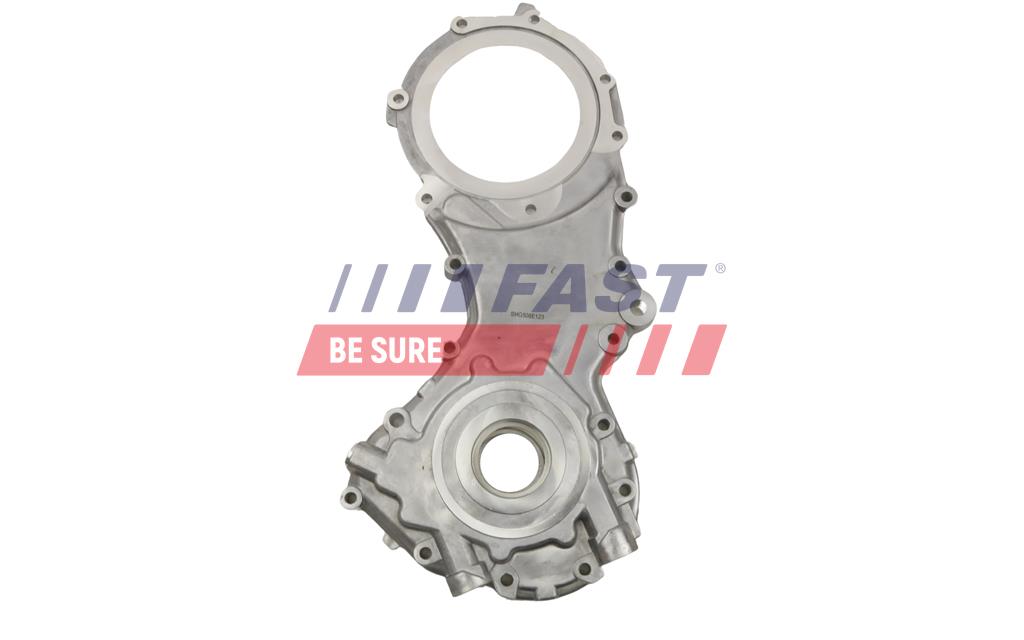
Z łatwością zlokalizuj dowolną potrzebną część w wygodnym katalogu FAST!

Pobierz katalogi PDF

Smarowanie

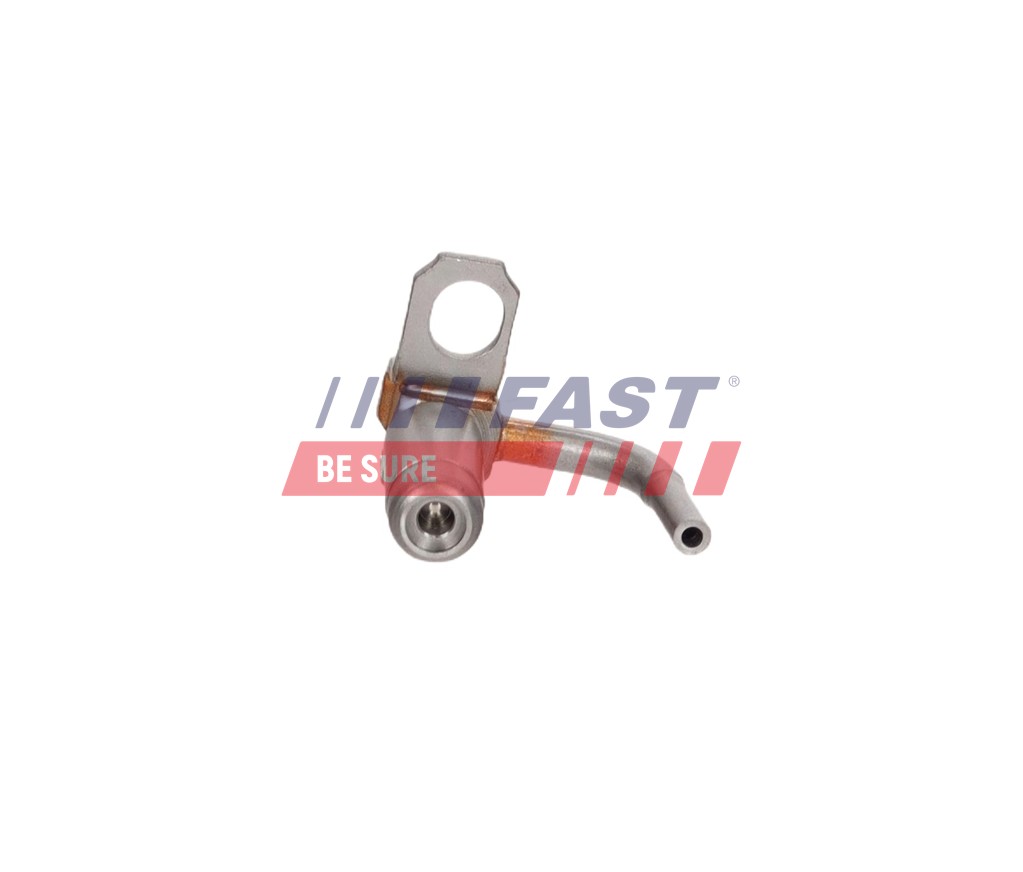
FT38502 RURA OLEJU FIAT DOBLO 09> WYLOT TURBOSPRĘŻARKA 1.3JTD
RURA OLEJU FIAT DOBLO 09> WYLOT TURBOSPRĘŻARKA 1.3JTD

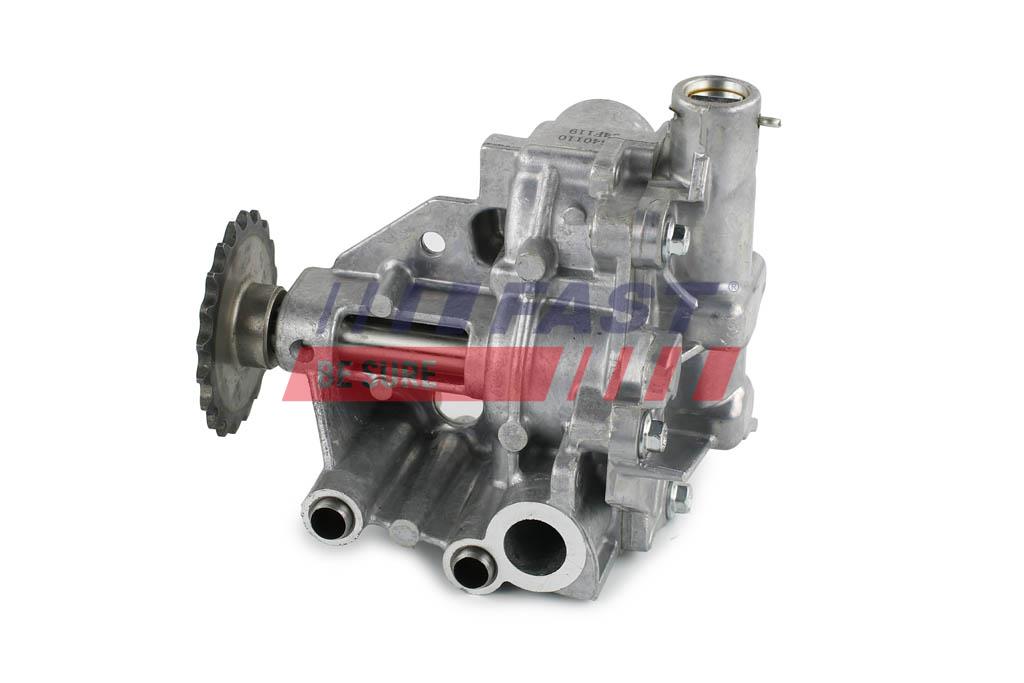
FT38330 POMPA OLEJU RENAULT KANGOO II 08> 1.5 dCi
POMPA OLEJU RENAULT KANGOO II 08> 1.5 dCi
FT38327 POMPA OLEJU FORD TRANSIT CONNECT 02> 1.8 TDCI
POMPA OLEJU FORD TRANSIT CONNECT 02> 1.8 TDCI
FT38304 POMPA OLEJU RENAULT TRAFIC 01> 2.0 DCI M9R
POMPA OLEJU RENAULT TRAFIC 01> 2.0 DCI M9R
FT80700 RURA BAGNETU OLEJU FORD TRANSIT CONNECT 02>
RURA BAGNETU OLEJU FORD TRANSIT CONNECT 02>
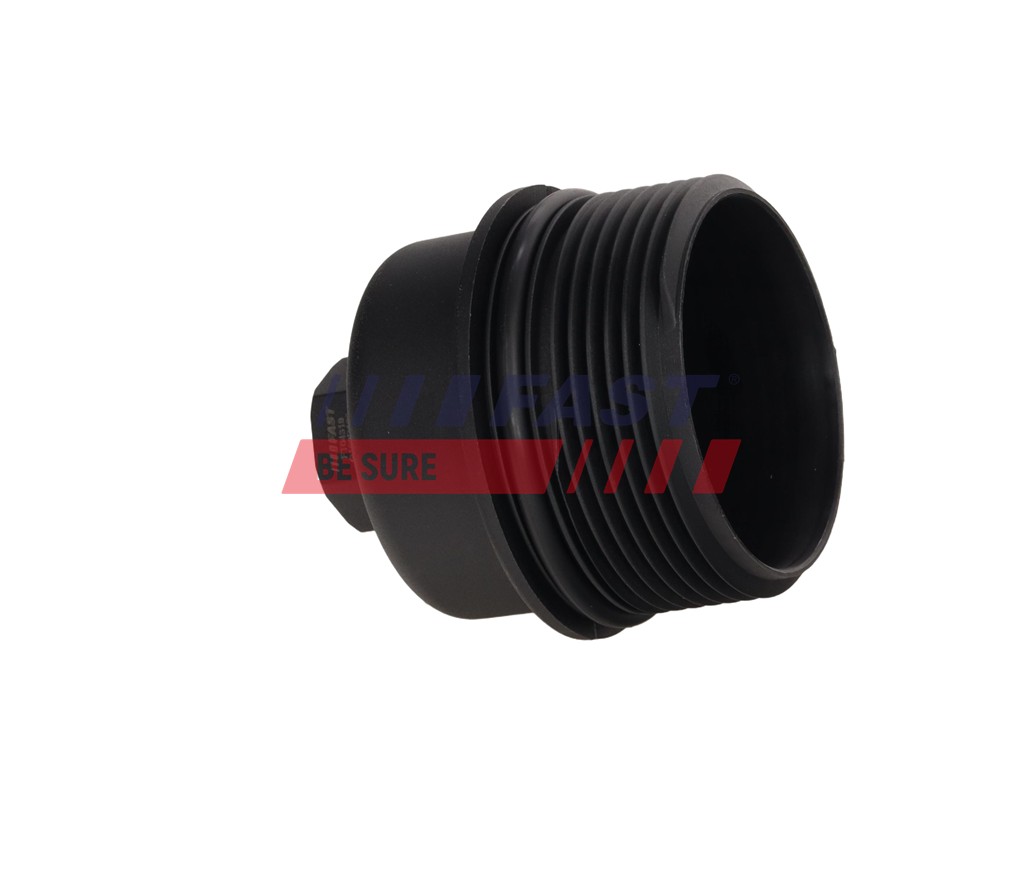
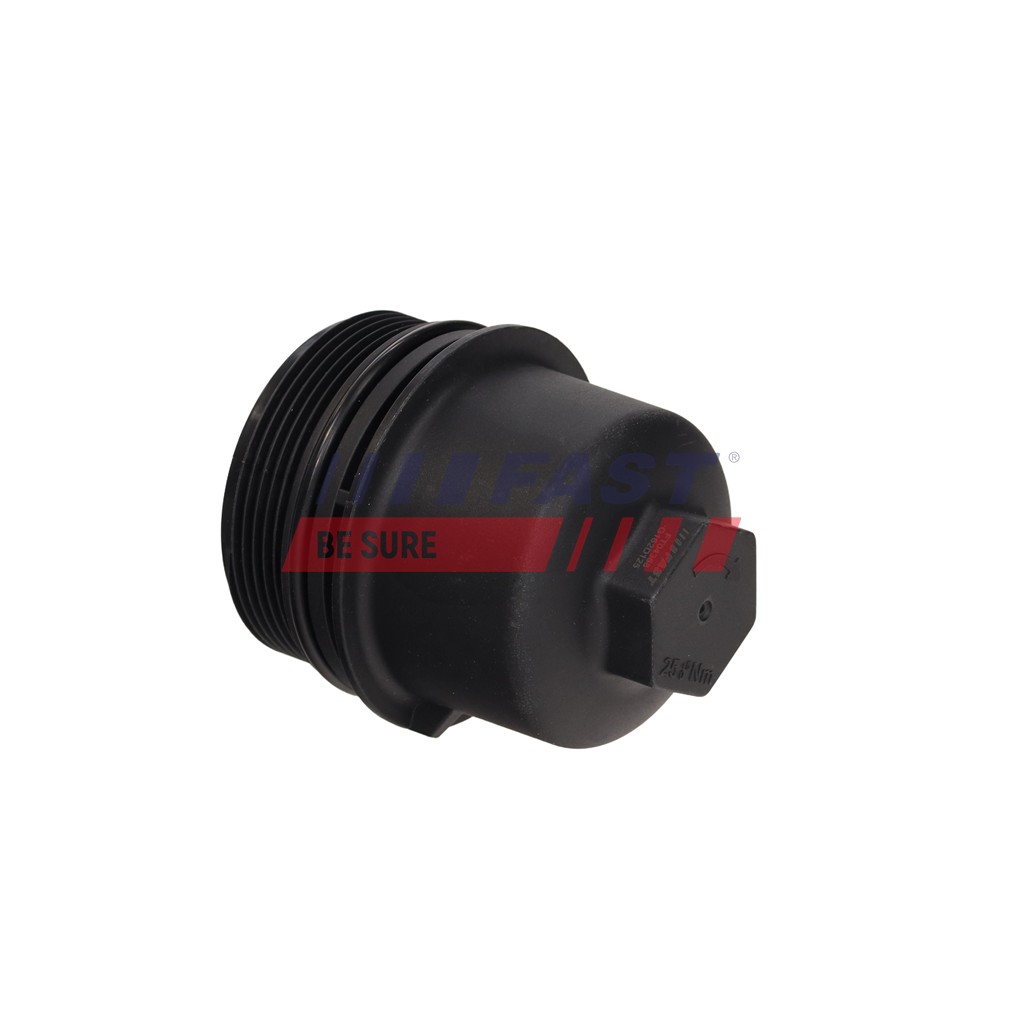
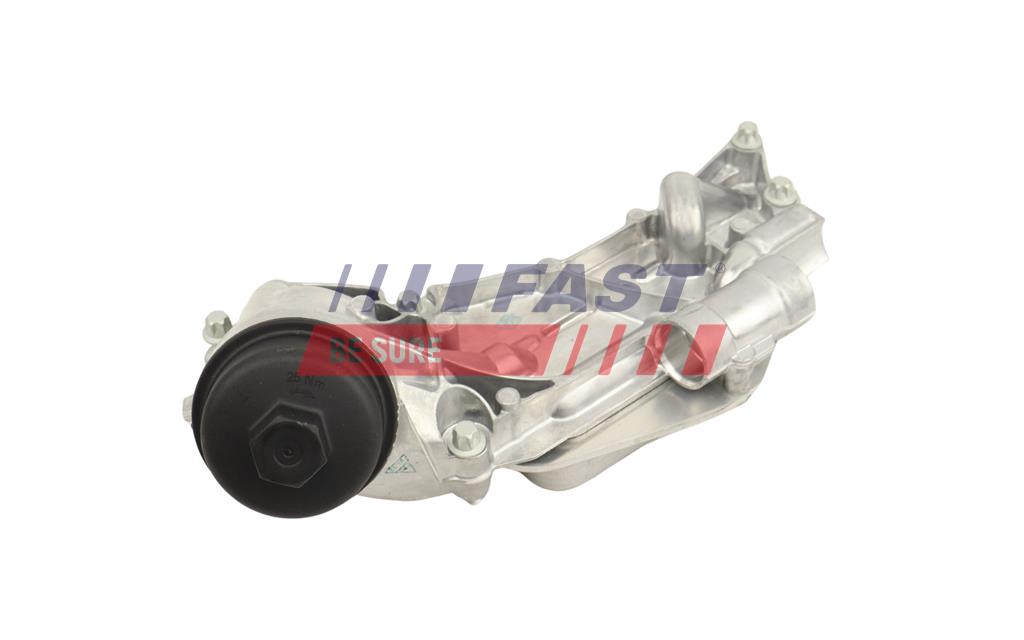
FT04319 OBUDOWA FILTRA OLEJU JEEP GRAND CHEROKEE IV 10> POKRYWA
OBUDOWA FILTRA OLEJU JEEP GRAND CHEROKEE IV 10> POKRYWA
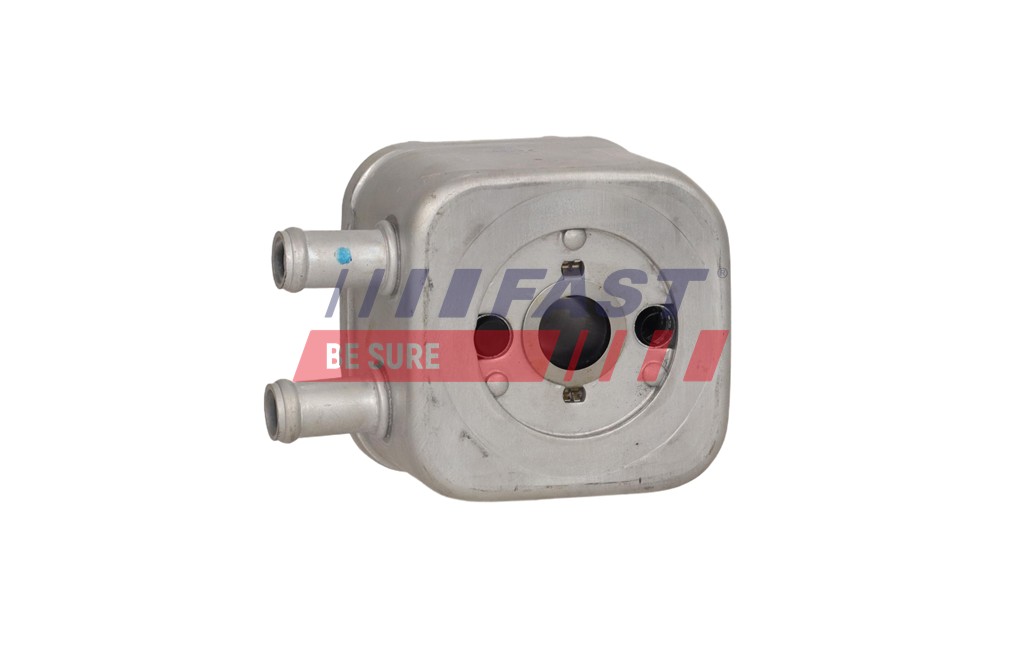
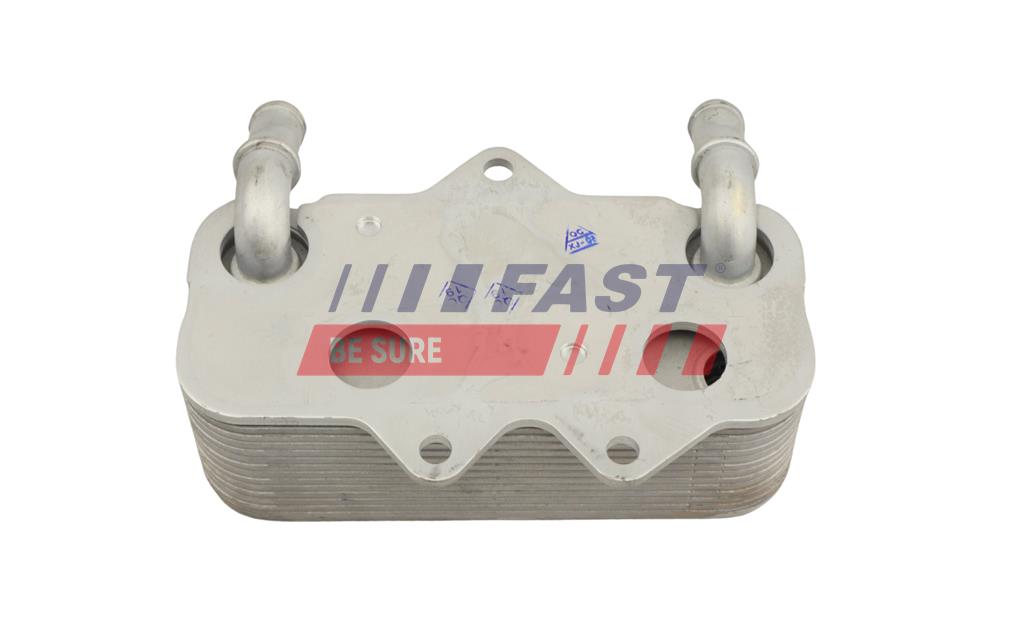
FT11974 CHŁODNICA OLEJU VW TRANSPORTER T5 03> 3.2 V6 04>
CHŁODNICA OLEJU VW TRANSPORTER T5 03> 3.2 V6 04>
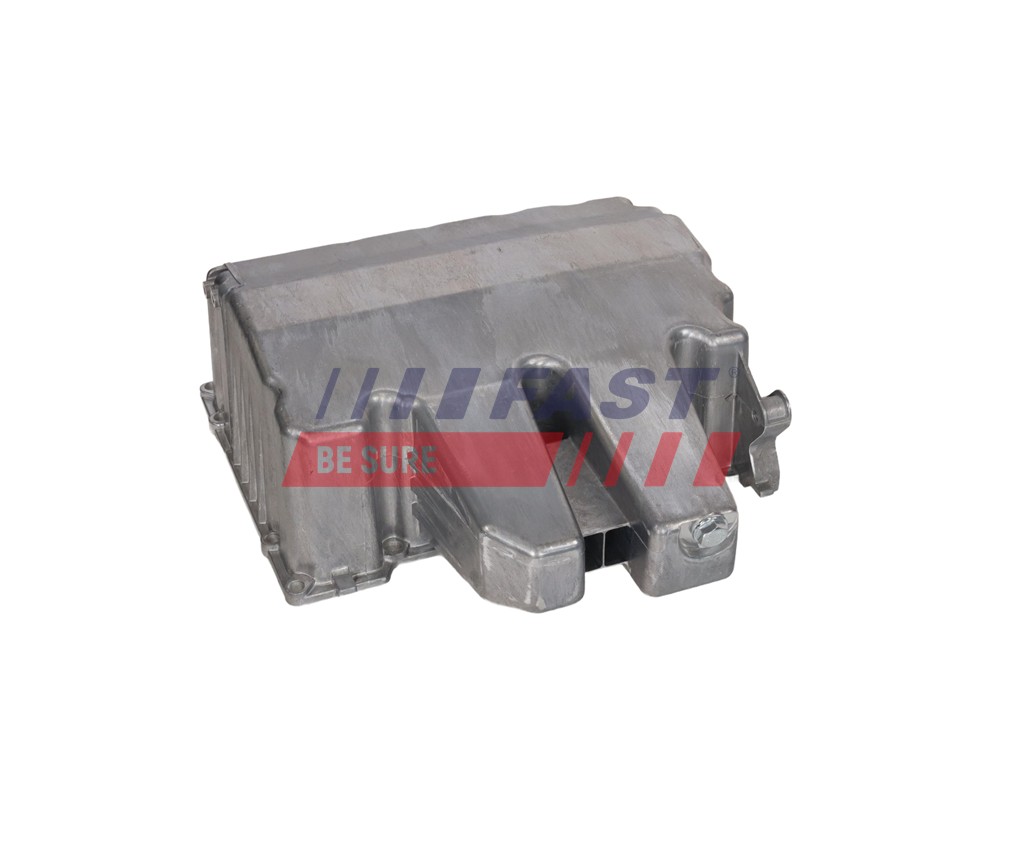
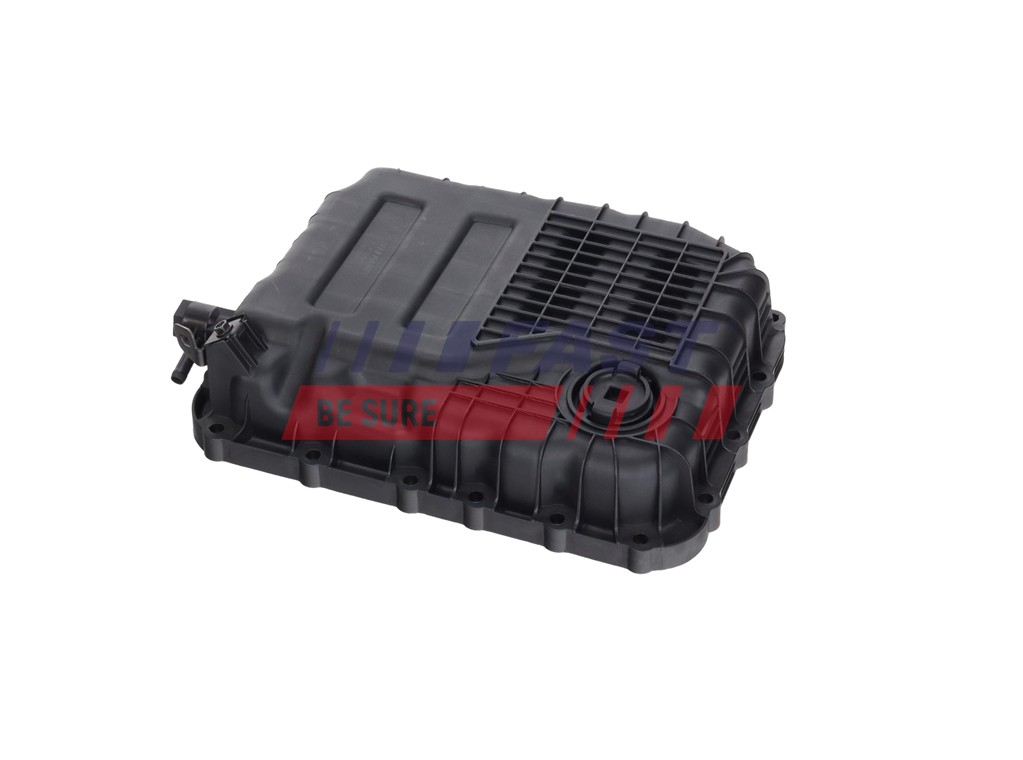
FT04875 MISA OLEJU VW POLO IV 01>
MISA OLEJU VW POLO IV 01>
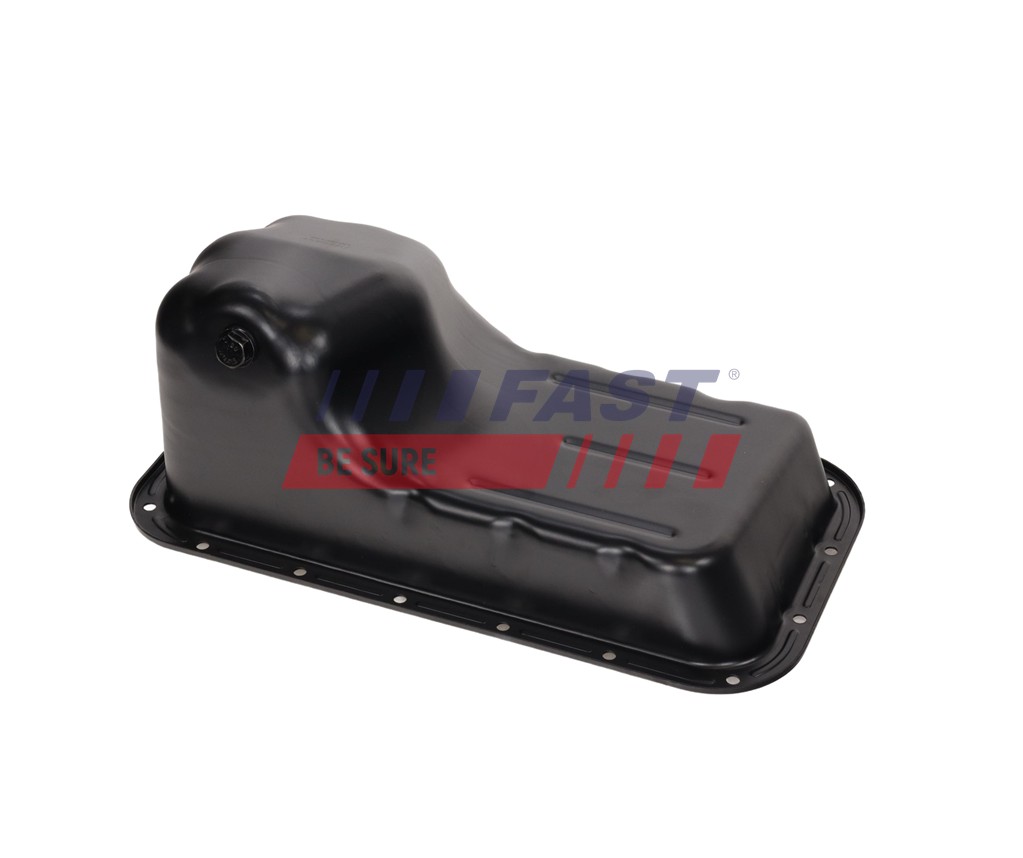
FT04827 MISA OLEJU CHEVROLET AVEO 03>
MISA OLEJU CHEVROLET AVEO 03>
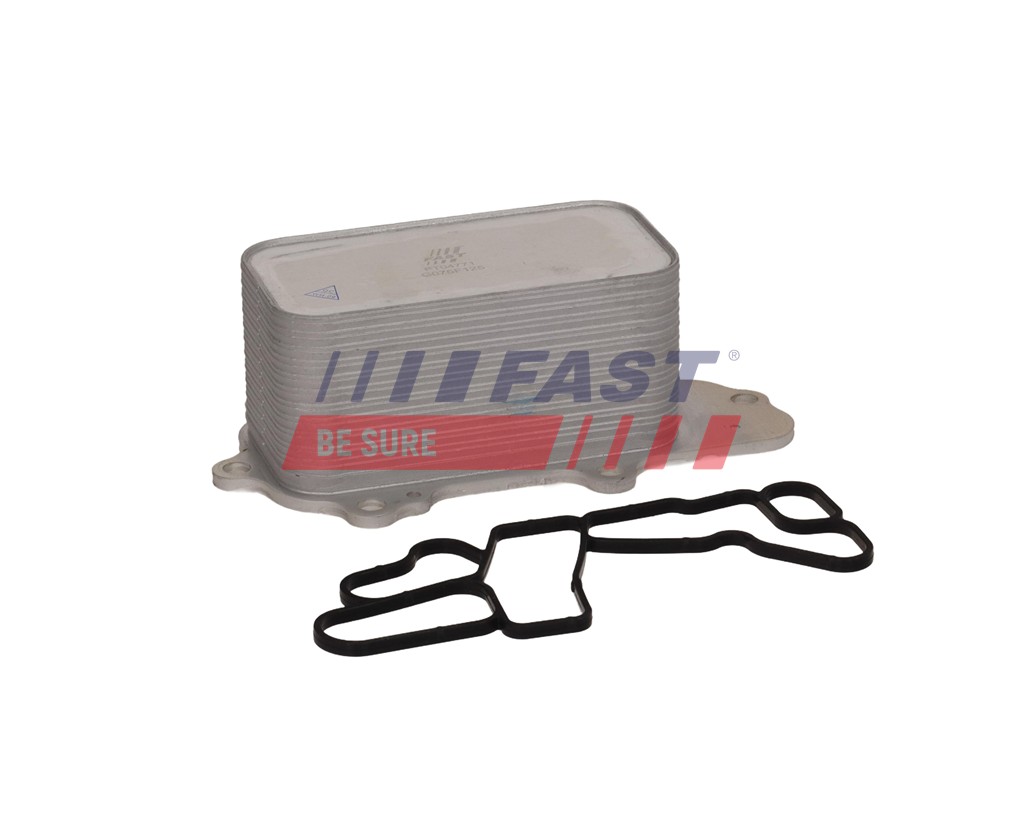
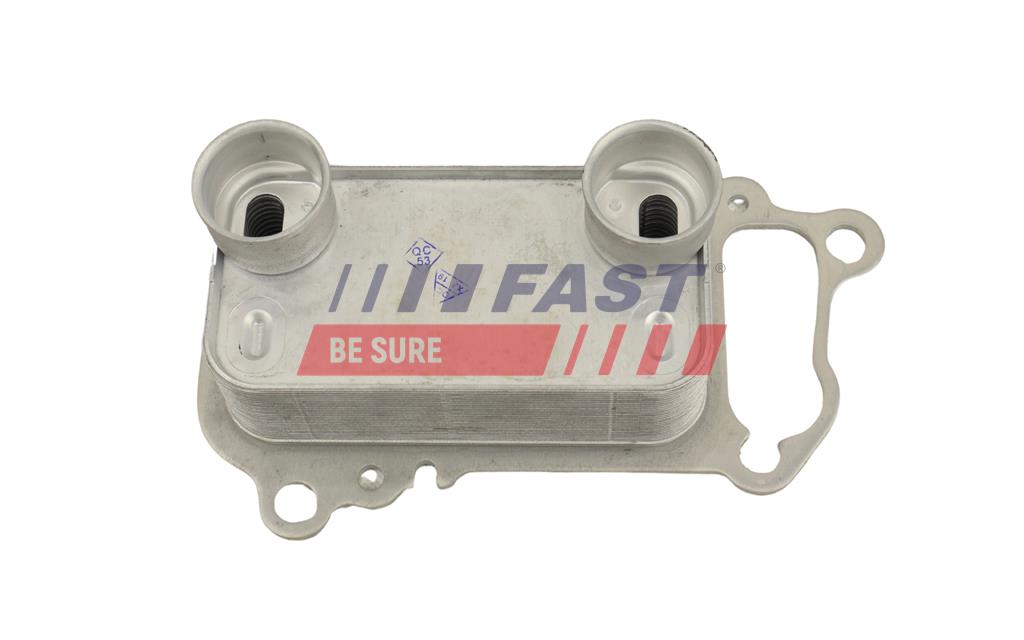
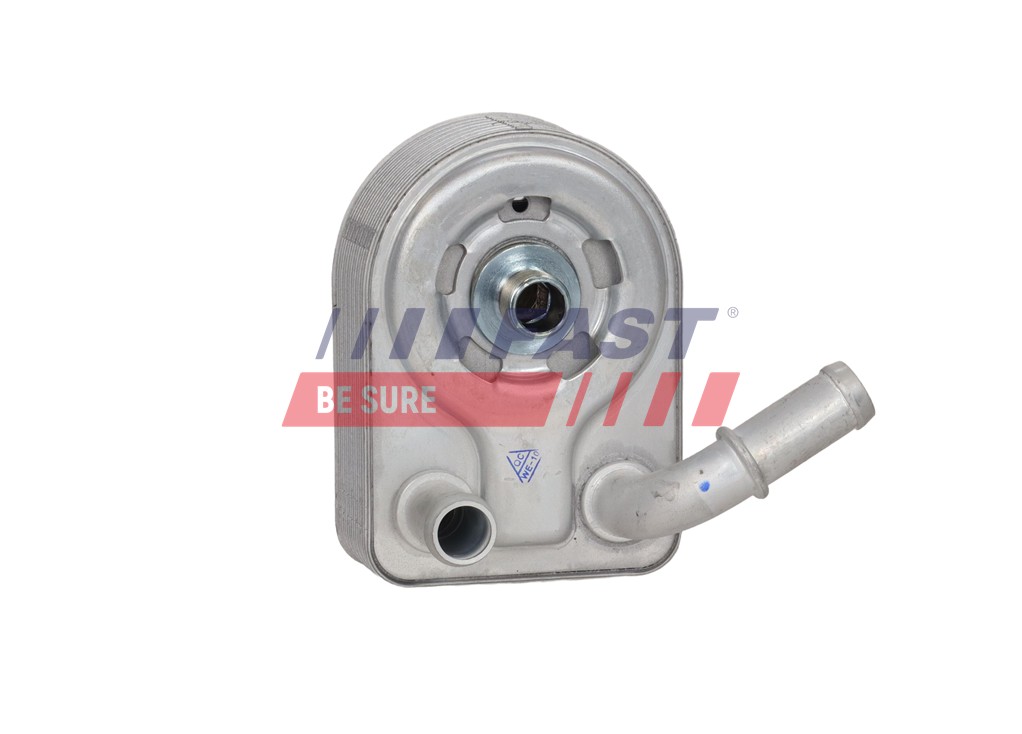
FT04771 CHŁODNICA OLEJU JEEP GRAND CHEROKEE IV 10>
CHŁODNICA OLEJU JEEP GRAND CHEROKEE IV 10>
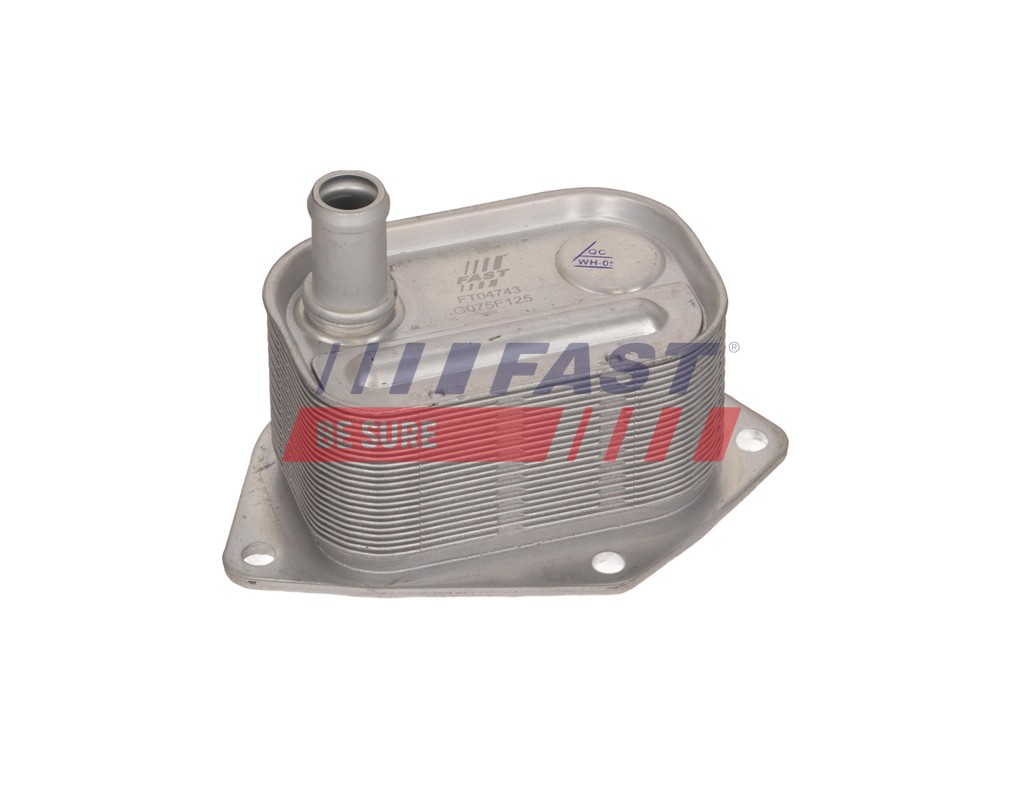
FT04743 CHŁODNICA OLEJU HYUNDAI I30 I 07>
CHŁODNICA OLEJU HYUNDAI I30 I 07>
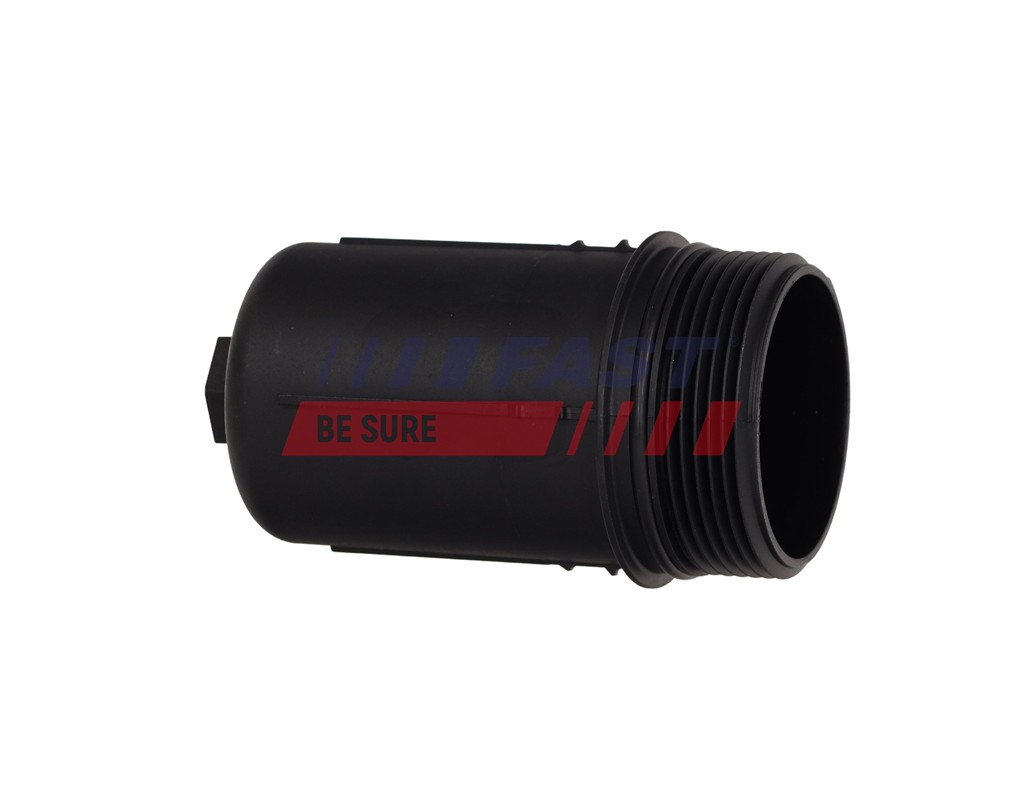
FT04368 OBUDOWA FILTRA OLEJU BMW X6 G06/F96 19> POKRYWA
OBUDOWA FILTRA OLEJU BMW X6 G06/F96 19> POKRYWA
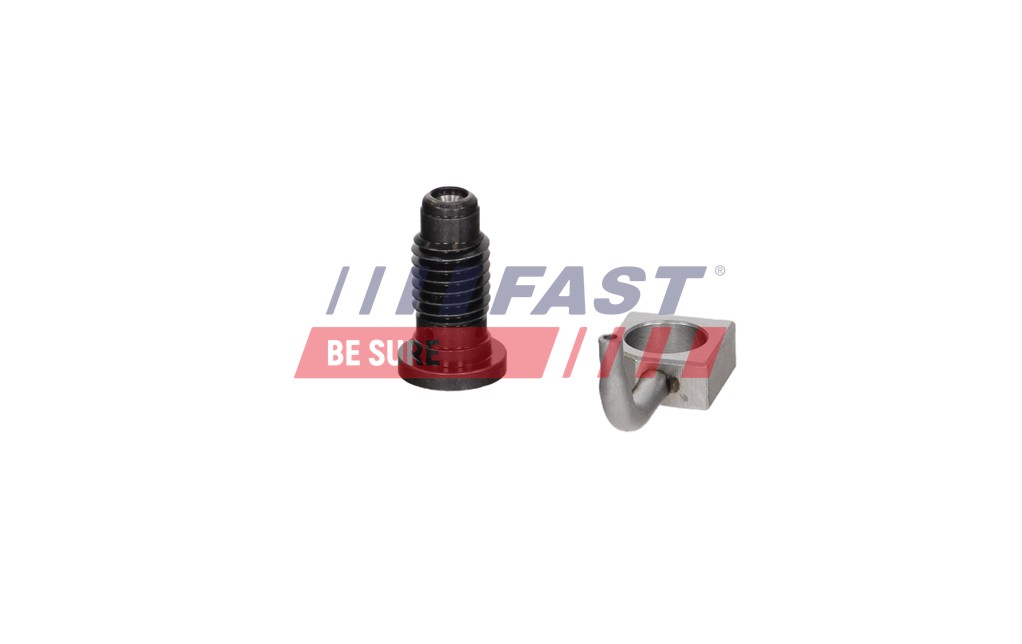
FT12984 DYSZA OLEJU VW CADDY III 03> TŁOK 1.6 TD TRYSKACZ
DYSZA OLEJU VW CADDY III 03> TŁOK 1.6 TD TRYSKACZ
FT04281 OBUDOWA FILTRA OLEJU AUDI A3 8V 12> POKRYWA
OBUDOWA FILTRA OLEJU AUDI A3 8V 12> POKRYWA
FT12975 DYSZA OLEJU VW CRAFTER I 06> TŁOK 2.5 TDI TRYSKACZ
DYSZA OLEJU VW CRAFTER I 06> TŁOK 2.5 TDI TRYSKACZ
FT00664 CHŁODNICA OLEJU OPEL VECTRA C 02> 2.2 DTI
CHŁODNICA OLEJU OPEL VECTRA C 02> 2.2 DTI
FT00657 CHŁODNICA OLEJU OPEL ASTRA H 04> 1.6 1.8
CHŁODNICA OLEJU OPEL ASTRA H 04> 1.6 1.8
FT04893 MISA OLEJU KIA VENGA 10> SKRZYNI BIEGÓW BEZ FILTRA
MISA OLEJU KIA VENGA 10> SKRZYNI BIEGÓW BEZ FILTRA
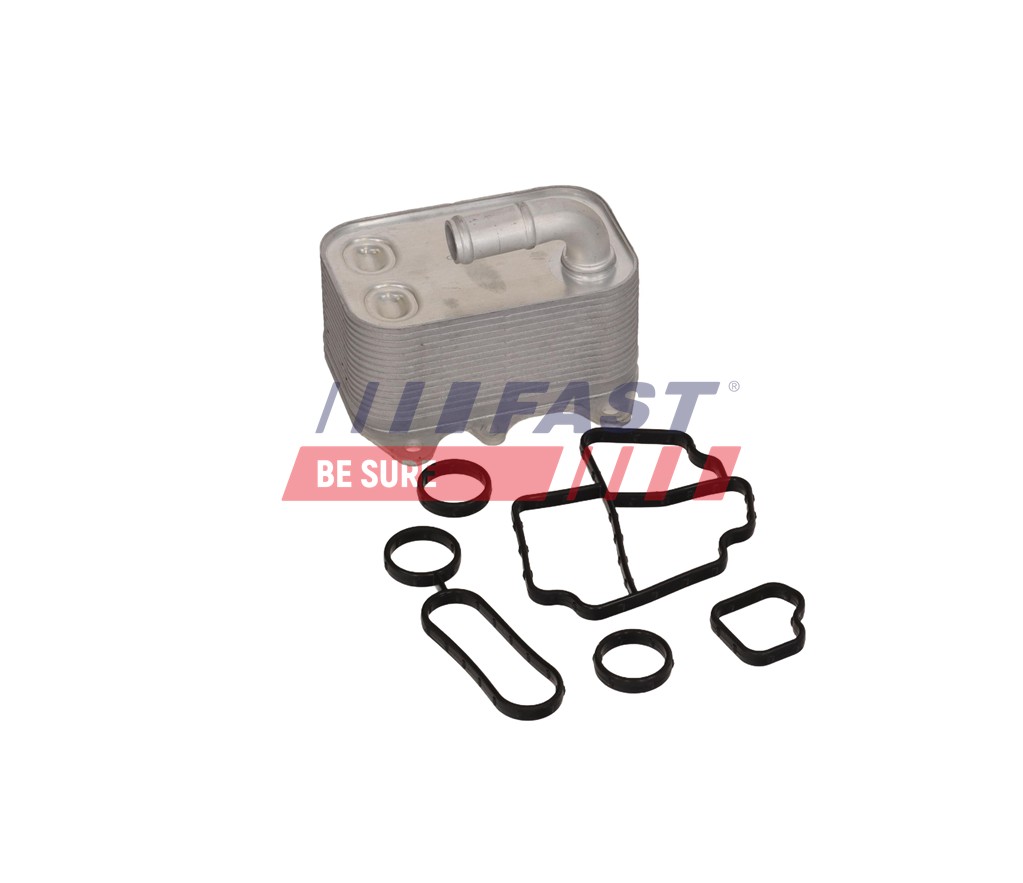
FT00659 CHŁODNICA OLEJU BMW 3 E90 04>
CHŁODNICA OLEJU BMW 3 E90 04>
FT04613 CHŁODNICA OLEJU AUDI A6 C7 10>
CHŁODNICA OLEJU AUDI A6 C7 10>
FT11983 CHŁODNICA OLEJU FORD TRANSIT CONNECT 13> 1.6 ECOBOOST
CHŁODNICA OLEJU FORD TRANSIT CONNECT 13> 1.6 ECOBOOST

Dive into our extensive Lubrication category to discover top-notch parts essential for maintaining your vehicle’s engine lubrication system. From oil pumps to filters, unlock the secrets behind seamless engine performance. Act now to explore tailored solutions designed for leading brands like Renault and BMW, ensuring immediate detection of oil starvation symptoms and optimal lubrication. Elevate your vehicle’s efficiency today with our comprehensive selection.

When selecting the right components for your vehicle’s lubrication needs, it’s crucial to ensure that each part is compatible with your engine system. This compatibility is essential for maintaining optimal performance and preventing potential issues such as oil starvation symptoms. To guide you in making informed decisions, consider the following factors:

  • Identify your vehicle’s specific requirements by consulting the engine lubrication system diagram available in your manual or service guide.
  • Choose parts that match the exact specifications needed for your vehicle’s make and model, ensuring precise fitment and functionality.
  • Regularly check for any signs of symptoms like unusual engine noises or overheating, which can indicate the need for a component upgrade or replacement.
  • Invest in high-quality components from trusted manufacturers to ensure longevity and efficiency within your system.

Selecting appropriate components is not just about maintaining performance; it is about safeguarding longevity and efficiency by preventing complications.

Ensuring proper lubrication is pivotal for the reliable and efficient operation of turbocharged vehicles. The components endure high levels of heat and pressure, which demands a robust lubrication system to prevent wear and tear. Understanding the role of each component within the engine lubrication system diagram is crucial. For example, grease nipple fittings facilitate regular maintenance and ensure the moving parts remain well-lubricated, enhancing lifespan and optimising performance. By integrating high-quality components, vehicle owners can safeguard against common issues like overheating or failures. Proper lubrication is not just maintenance; it is an investment in longevity and efficiency, ensuring optimal operation under all driving conditions.

Recognising oil starvation symptoms early is crucial to preventing substantial engine damage. Common indicators include unusual engine noises, increased engine temperature, and reduced performance. These symptoms can be traced back to issues in the engine lubrication system, as depicted in diagrams. In turbocharged vehicles, inadequate lubrication can lead to severe damage, compromising turbocharger efficiency and vehicle functionality. Regular inspections and maintenance enable timely interventions, safeguarding both the engine from costly repairs or replacement. Addressing such symptoms promptly not only ensures a smooth-running vehicle but also extends component life, maintaining optimal performance and efficiency.

FAQ

The lubrication system comprises several key components essential for maintaining engine health and performance:

  • Oil Sump (Oil Pan): Serves as the reservoir for engine oil, collecting and storing it at the base of the engine.
  • Oil Pump: Circulates oil under pressure to various engine parts, ensuring consistent lubrication.
  • Oil Filter: Removes contaminants from the oil, preventing debris from reaching engine components.
  • Oil Galleries: Channels within the engine block and cylinder head that distribute oil to critical areas.
  • Pressure Relief Valve: Regulates oil pressure to prevent damage from excessive pressure.
  • Oil Cooler: Cools the oil to maintain optimal viscosity and prevent overheating.

Each component plays a vital role in ensuring the engine operates smoothly and efficiently.

Preventing oil starvation is crucial to avoid significant engine damage. Here are some steps to ensure adequate lubrication:

  • Regular Oil Checks: Monitor oil levels frequently and top up as necessary to maintain optimal levels.
  • Use Quality Oil: Select the appropriate grade and quality of oil recommended for your vehicle.
  • Timely Oil Changes: Adhere to the manufacturer’s recommended oil change intervals to ensure clean and effective lubrication.
  • Inspect for Leaks: Regularly check for and repair any oil leaks to prevent loss of lubrication.
  • Maintain the Oil Pump: Ensure the oil pump is functioning correctly to provide consistent oil flow.
  • Clean Oil Passages: Keep oil galleries and passages free from blockages to allow unobstructed oil flow.

By following these practices, you can significantly reduce the risk of oil starvation and protect your engine’s longevity.

Proper lubrication is vital for turbochargers due to the extreme operating conditions they endure:

  • High Speeds: Turbochargers operate at very high rotational speeds, requiring effective lubrication to reduce friction and wear.
  • Elevated Temperatures: They are exposed to high exhaust temperatures, making adequate lubrication essential to prevent overheating and component failure.
  • Preventing Oil Coking: Proper lubrication helps prevent oil from coking (burning and leaving deposits) within the turbocharger, which can impede performance.
  • Ensuring Longevity: Consistent lubrication reduces wear on bearings and other moving parts, extending the turbocharger’s lifespan.

Maintaining proper lubrication ensures the turbocharger operates efficiently, contributing to overall engine performance and reliability.