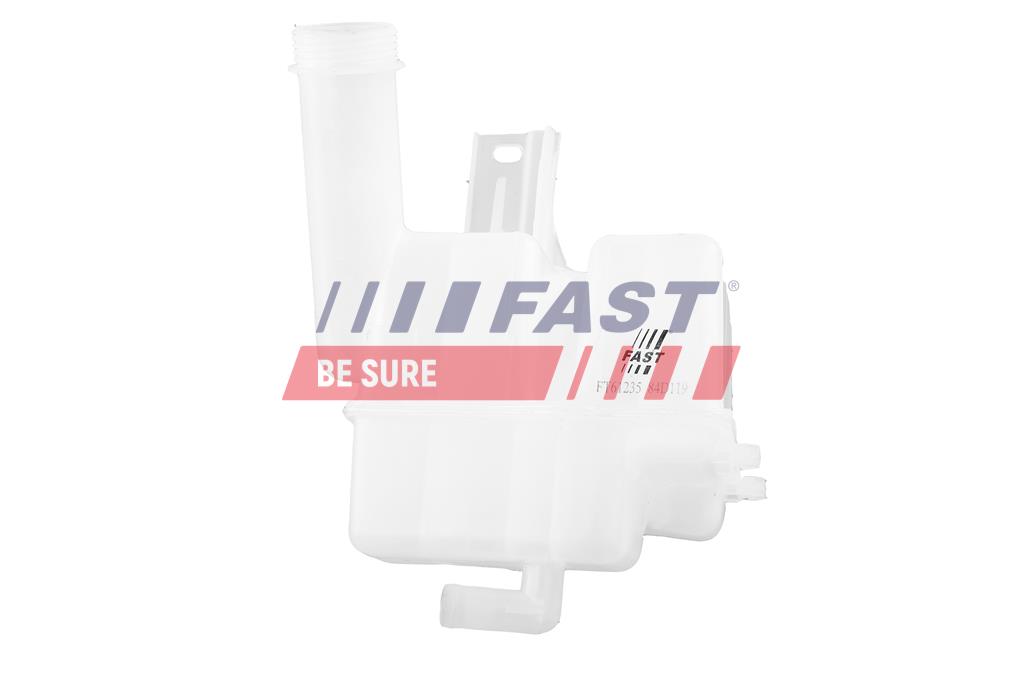
ZBIORNIK WYRÓWNAWCZY RENAULT TRAFIC 01>



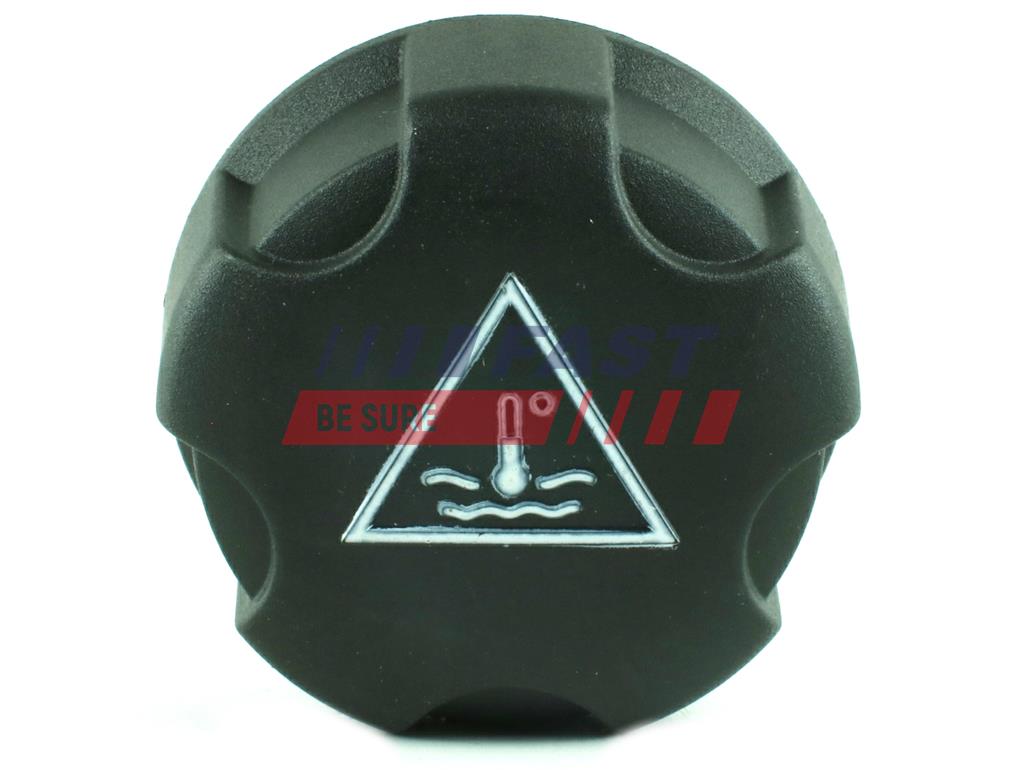
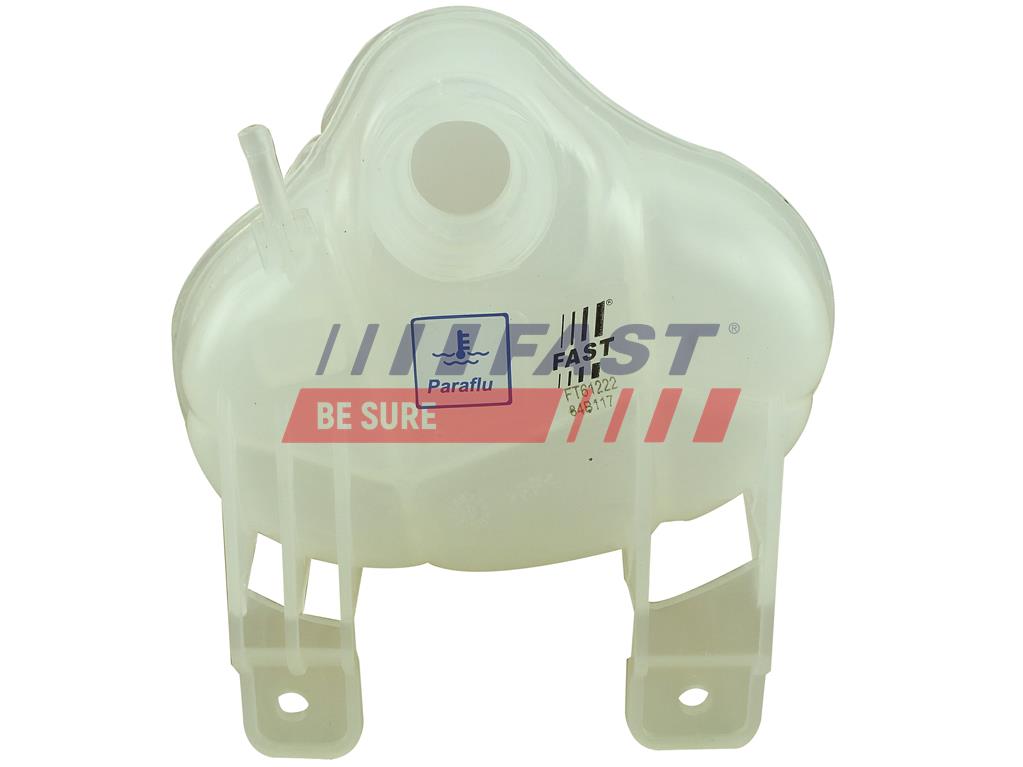

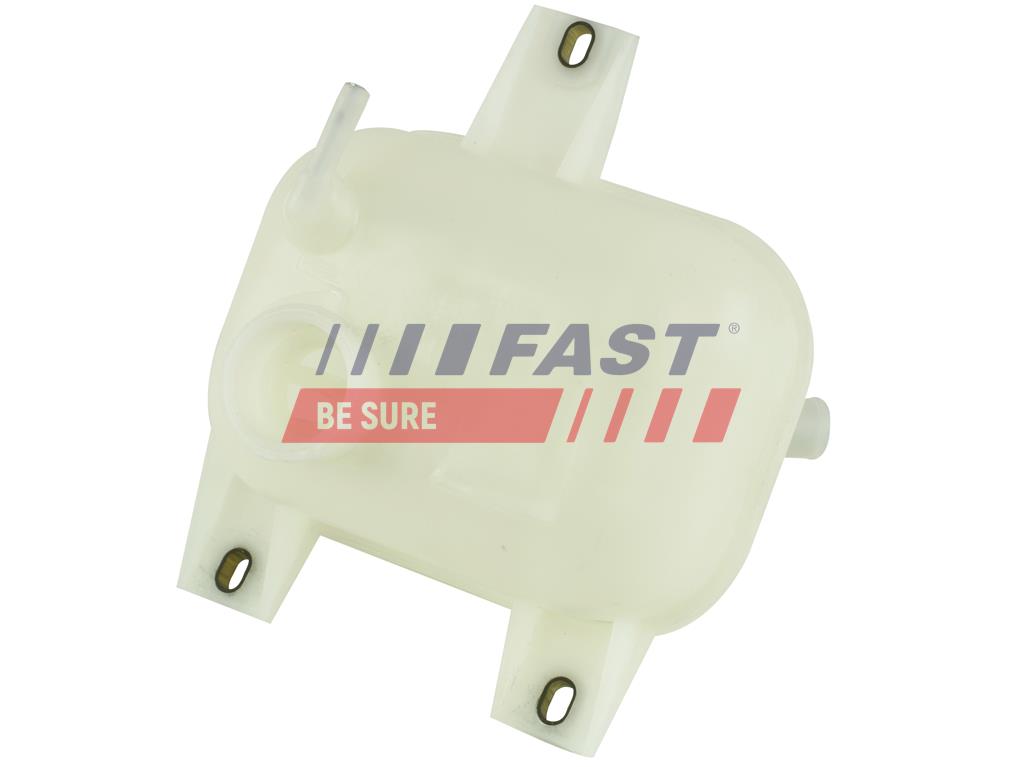
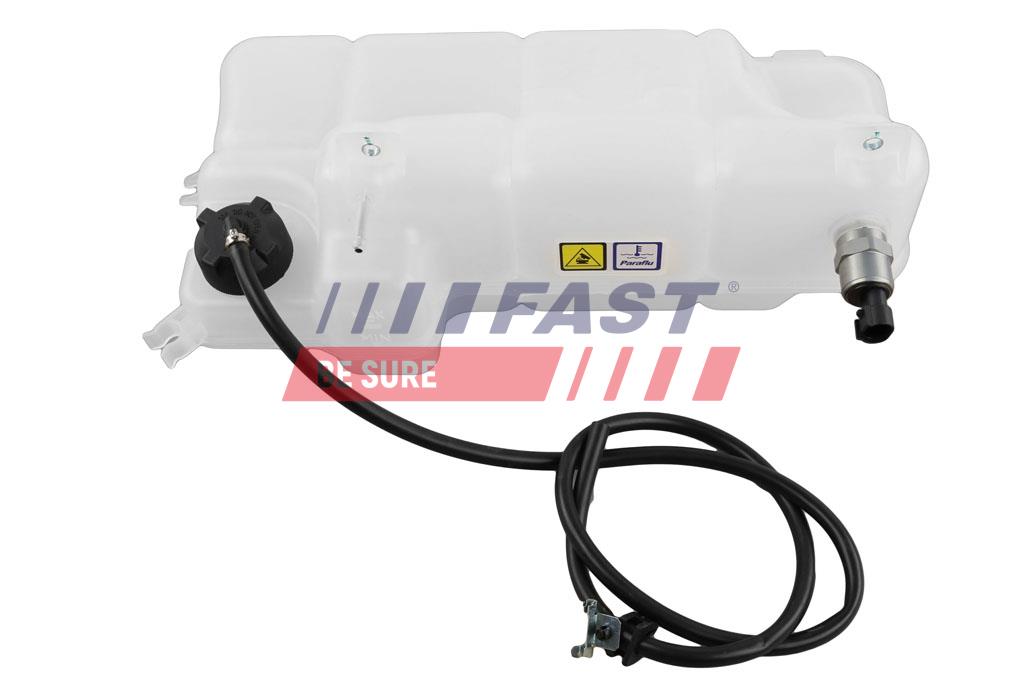


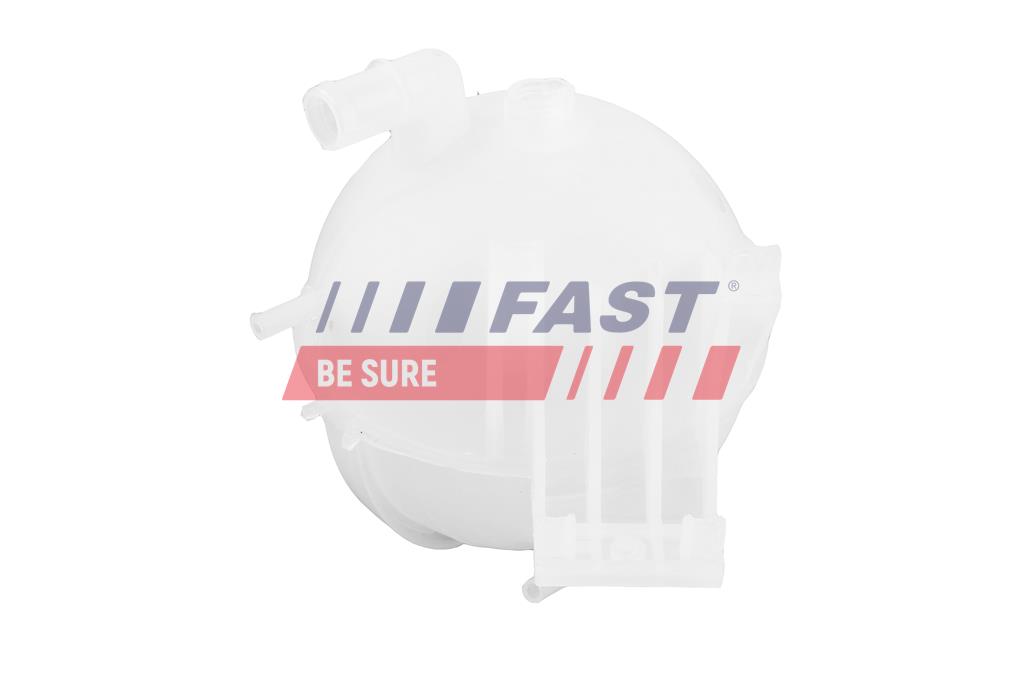

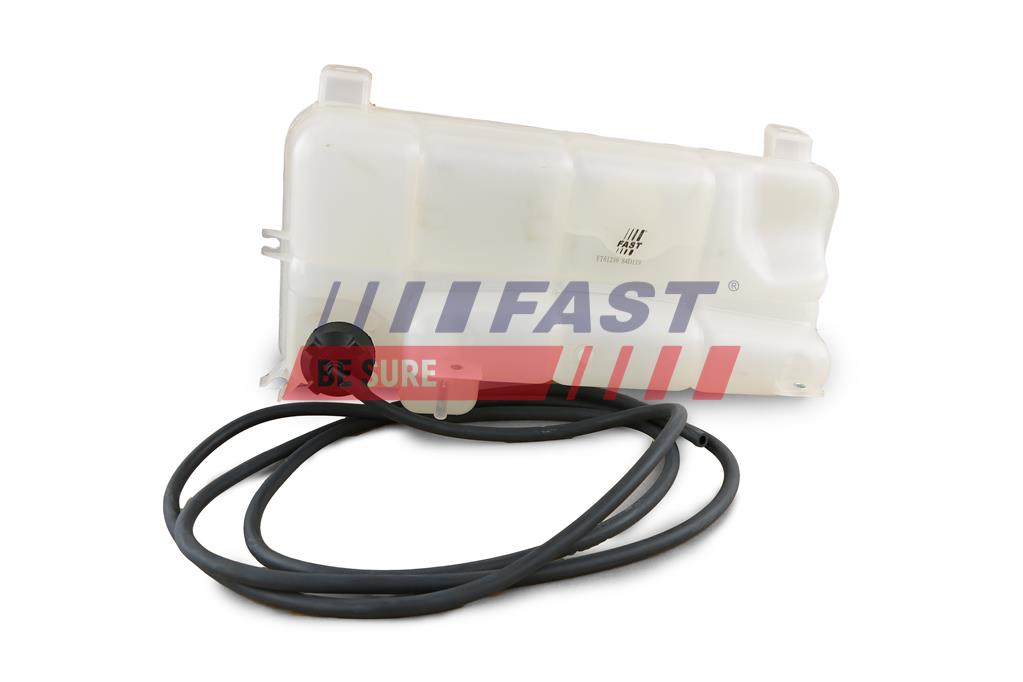

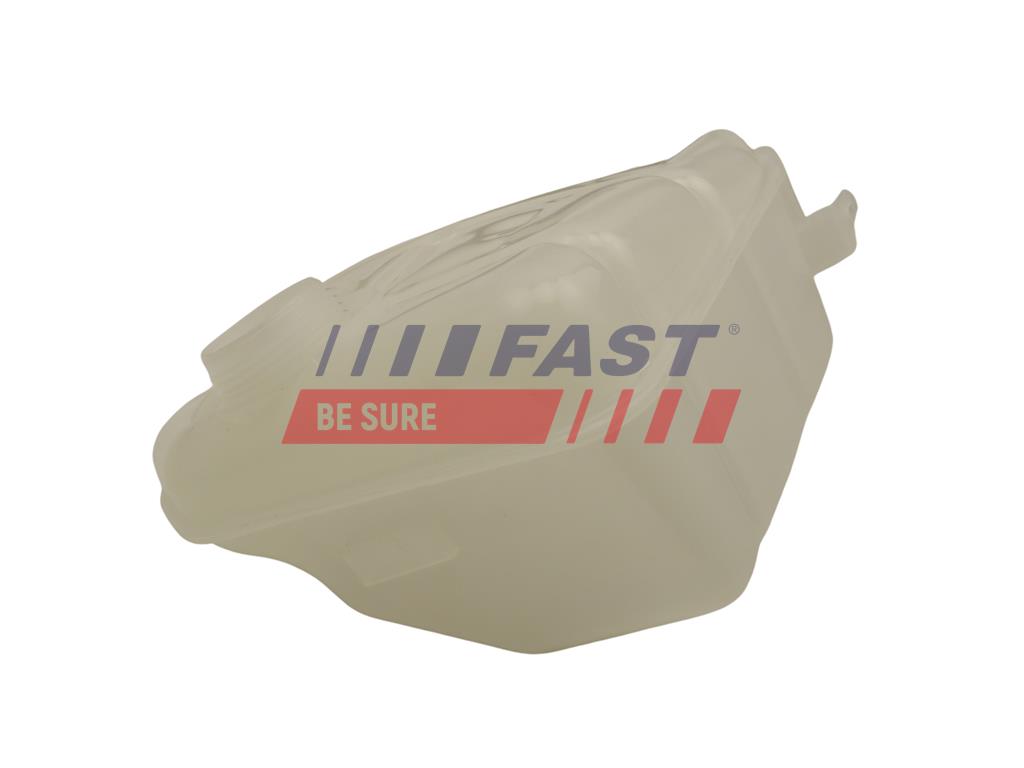
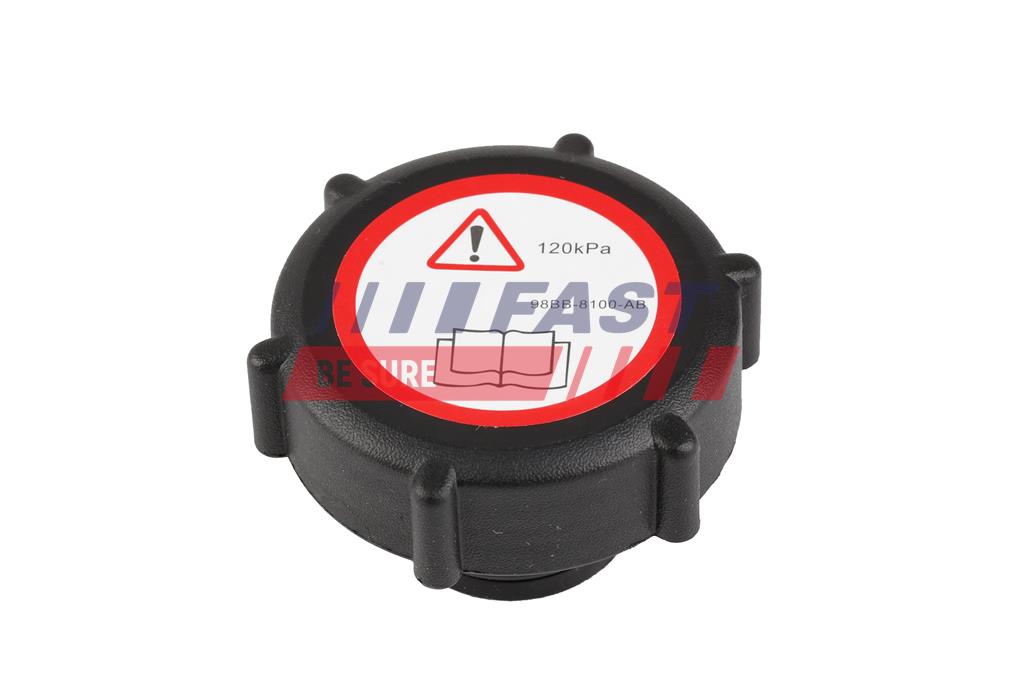
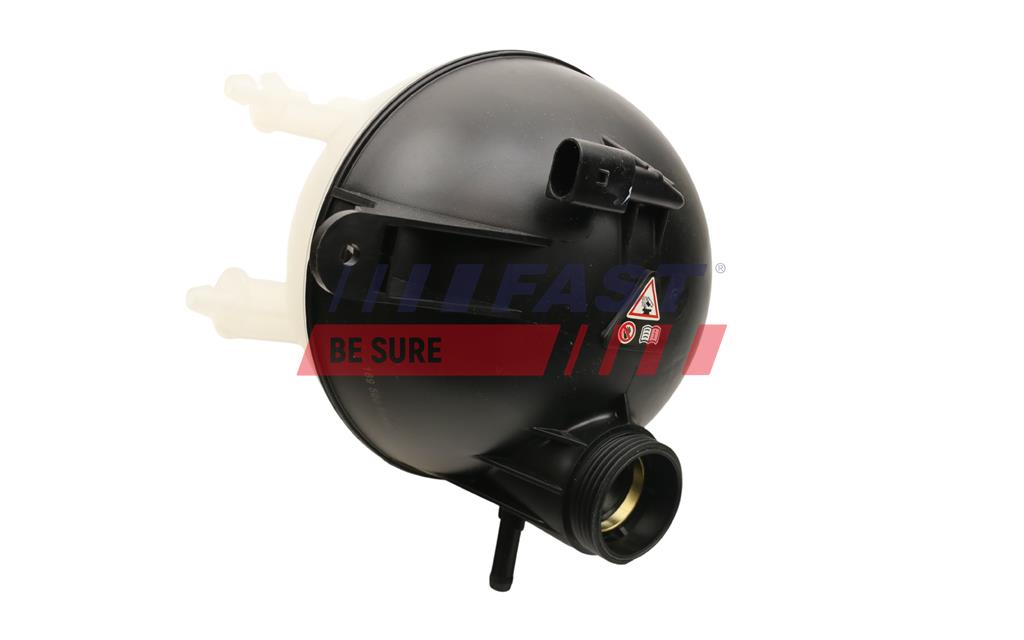
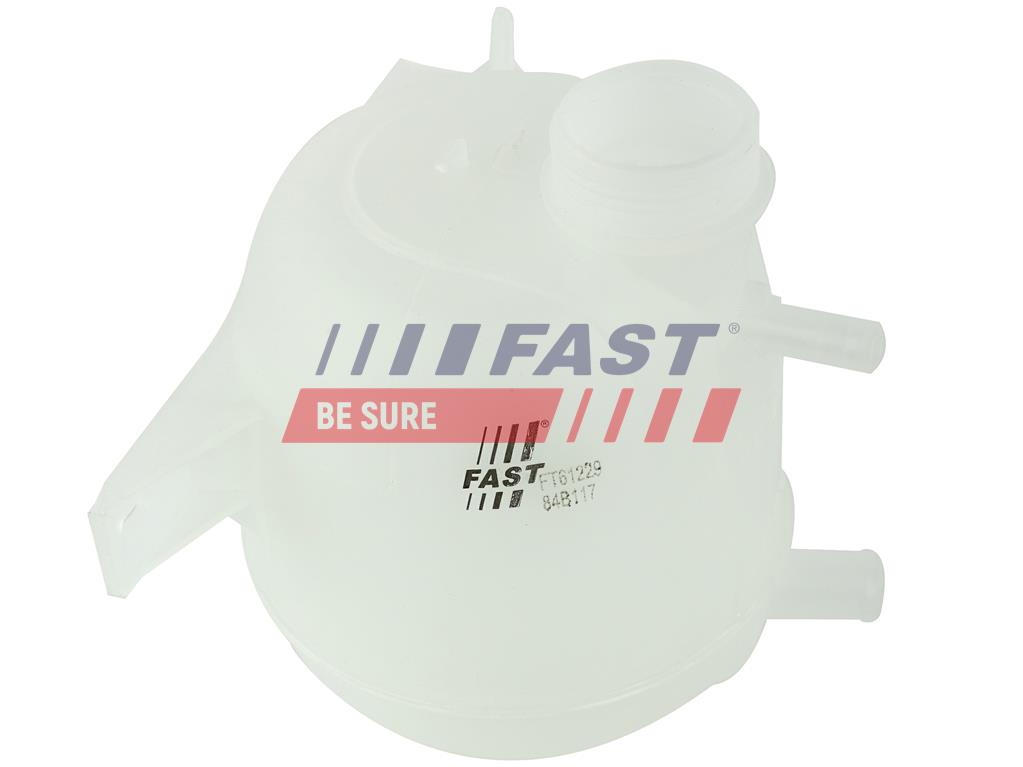
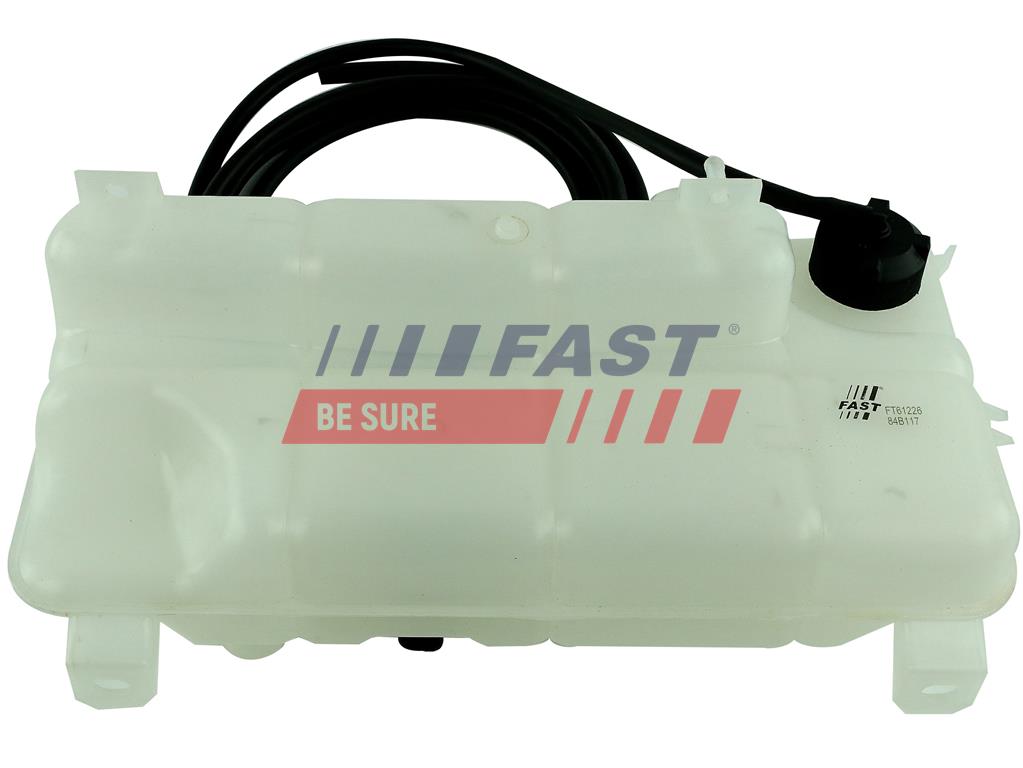
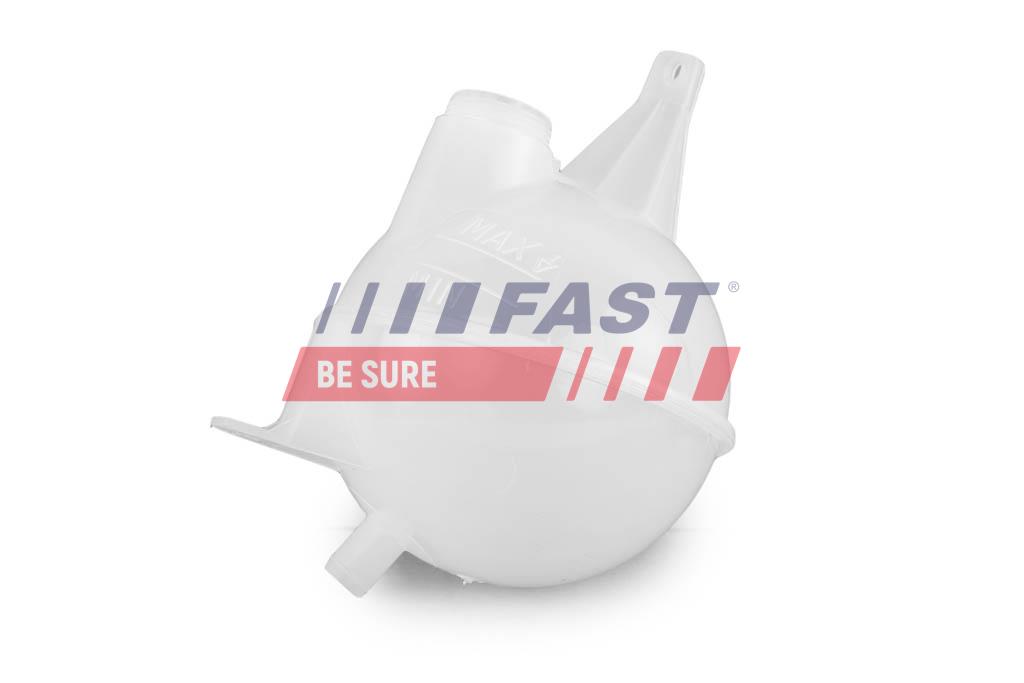
Ensure peak performance and safety for your vehicle by selecting a high-quality expansion tank from our comprehensive FAST original catalogue. Prevent common issues like coolant reservoir cracking and faulty caps by opting for a reliable solution. Discover our range tailored for numerous vehicle brands and stay up-to-date with the latest options. Don’t compromise your engine’s cooling efficiency; make the smart choice today and benefit from a perfect fit. Subscribe to our newsletter for regular updates on new products!
The expansion tank is an essential component of a vehicle’s cooling system, playing a pivotal role in maintaining the engine’s optimal temperature and performance. This crucial part works by accommodating fluctuating levels of coolant, which expand when heated, thus preventing excess pressure build-up that could cause damage to the cooling system. Selecting the right expansion tank is vital for ensuring not only the safety of your vehicle but also its overall efficiency. A high-quality expansion tank can significantly reduce the risk of engine overheating and ensure smooth operation. The benefits of choosing a reliable expansion tank include improved durability, longer service life, and compliance with original-equipment parameters. An often overlooked yet important aspect to consider is the compatibility of the expansion tank with your vehicle’s specific make and model, as well as the radiator overflow tank, which together help manage the cooling system’s pressure. It’s also crucial to be aware of signs that may indicate the need for a coolant expansion tank replacement. These signs include visible coolant leaks, frequent engine overheating, or a noticeable loss of coolant levels, which can all point to a failing expansion tank. By being attentive to these indicators, you can take proactive measures to replace the expansion tank before it compromises your vehicle’s performance and safety.
Identifying common issues with expansion tanks is key to maintaining your vehicle’s cooling system and ensuring its longevity. One frequent problem is coolant reservoir cracking, which can occur due to prolonged exposure to high temperatures and pressure fluctuations. Cracks in the expansion tank can lead to coolant leaks, causing the engine to overheat due to insufficient coolant levels, ultimately risking severe damage to your engine. Another common issue is related to expansion tank cap symptoms; a faulty cap can fail to maintain the necessary pressure within the cooling system, resulting in coolant loss and decreased cooling efficiency. Recognising these issues early is crucial. Look for signs such as unexplained coolant loss, visible cracks or damage to the reservoir, and noticeable pressure changes when removing the expansion tank cap. These symptoms can indicate that your expansion tank or its components need attention. Regular inspection and adherence to original-equipment quality standards can prevent these issues from escalating, ensuring your vehicle remains safe and reliable. Addressing these problems promptly not only preserves the health of your cooling system but also avoids costly repairs and potential breakdowns. In such cases, considering a coolant expansion tank replacement might be necessary for maintaining performance.
Choosing the best-fitting expansion tank for your vehicle is essential to ensure optimal cooling system performance and avoid costly repairs. When selecting an expansion tank, it is crucial to consider your vehicle’s specifications, including make, model, year, and engine type, to guarantee compatibility and proper function. The FAST original catalogue offers a comprehensive range of expansion tanks designed to fit a variety of vehicles, from popular brands such as Ford, Iveco, Renault, Fiat, and Mercedes-Benz. This diverse selection ensures that you can find the exact part you need for a seamless fit. Additionally, it’s vital to match the radiator overflow tank with the expansion tank to prevent system imbalances that could lead to damage. An improperly matched system can result in ineffective pressure management and potential overheating. If you notice any signs of wear or damage, a coolant expansion tank replacement might be prudent to maintain your vehicle’s cooling efficiency. By choosing the right expansion tank, you safeguard your engine against overheating, ensuring longevity, backed by the FAST original 5-year warranty.
Coolant expansion tanks can crack due to several factors. Over time, the plastic material may degrade from constant exposure to high temperatures and pressure fluctuations, leading to brittleness and eventual cracking. Engine overheating can also cause excessive pressure within the cooling system, stressing the tank. Additionally, using incorrect coolant types or mixing different coolants can result in chemical reactions that weaken the tank’s structure. Physical damage from road debris or manufacturing defects may also contribute to cracks.
To check the coolant level properly, ensure the engine is cold to avoid injury from hot coolant. Locate the coolant reservoir, typically a translucent tank near the radiator, with ‘Minimum’ and ‘Maximum’ level markings. The coolant should be between these marks. If the level is low, add the appropriate coolant mixture up to the ‘Maximum’ line. Always use the correct type of coolant specified for your vehicle to maintain optimal performance.
Whether a new expansion tank comes with a cap depends on the manufacturer and the specific product. Some replacement tanks include a new cap, while others do not. It’s essential to verify the contents of the package when purchasing a new expansion tank. If a cap is not included, it’s advisable to inspect the existing cap for wear or damage and replace it if necessary to ensure proper pressure regulation within the cooling system.

Dołącz do naszego newslettera. Dlaczego warto? Co tydzień masa nowości produktowych, których nie możesz przeoczyć. Wystarczy podać swój adres e-mail i korzystać z dostępu do bazy nowych produktów marki Fast. Portfolio marki rozrasta się nawet o kilkadziesiąt produktów tygodniowo. Nie trać możliwości powiększenia swojej oferty o nowe kody FAST, zarejestruj się już teraz!