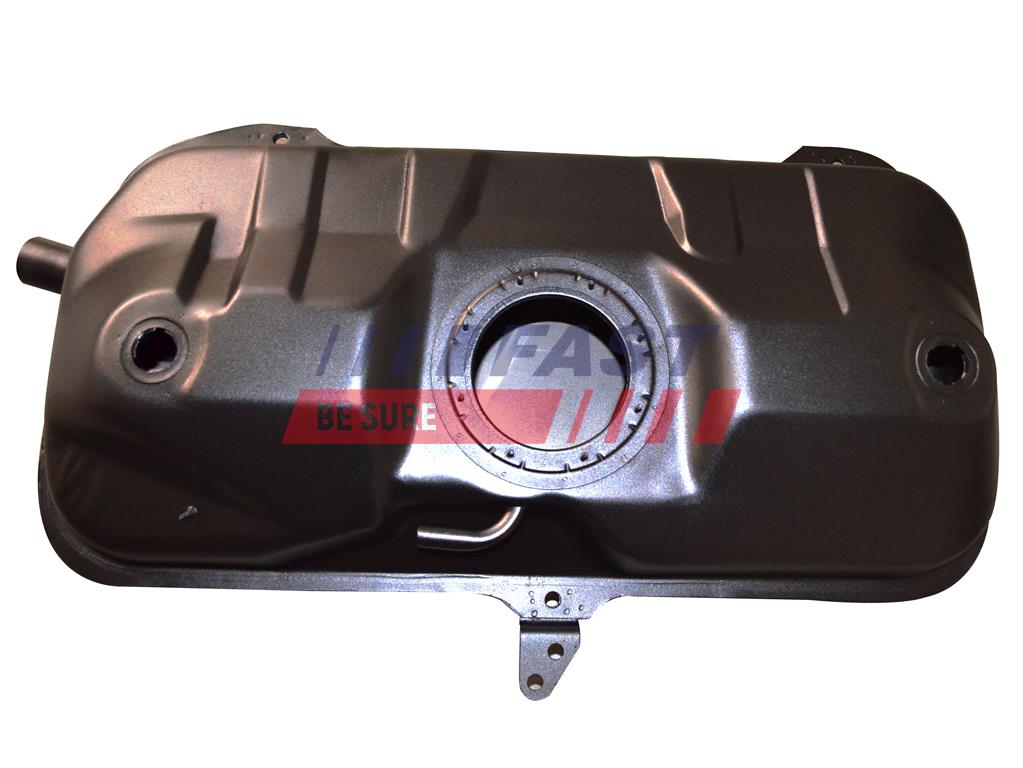
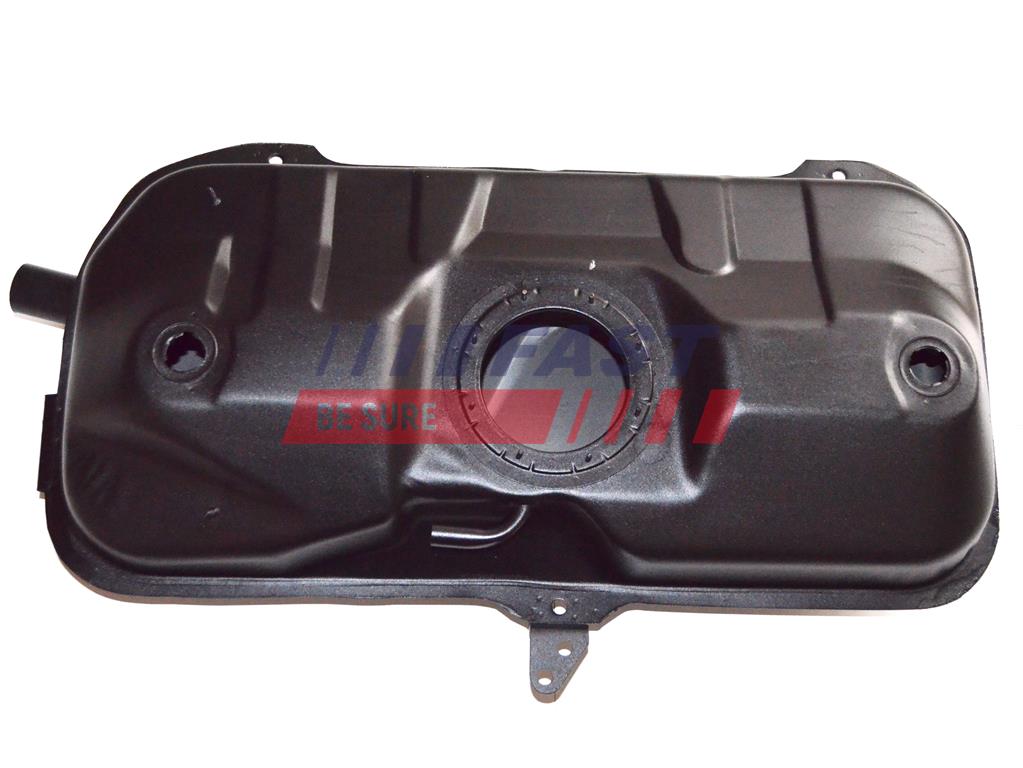
ZBIORNIK PALIWA FIAT CINQUE / SEICENTO 1.1 MPI





Discover the perfect fuel tank for your vehicle with our extensive selection in the FAST original catalogue. Whether you own a commercial truck or a passenger car, we have high-quality fuel tanks designed for a precise fit. Join our community and stay updated with our expanding product line to keep your vehicle running smoothly and efficiently. Browse our catalogue today and take the first step towards equipping your vehicle with top-notch fuel tank components that comply with original-equipment quality standards!
In the realm of vehicle components, the fuel tank is a critical element that demands careful consideration. When selecting the right tank for your vehicle, it is essential to understand the differences between the two primary types available: plastic and metal. Each offers unique advantages and potential drawbacks, influencing overall performance and longevity. Plastic tanks are lightweight, contributing to improved fuel efficiency, and resistant to rusting, which is a key advantage in high humidity or where road salt is used. However, they may not offer the same level of durability as metal tanks, particularly in high-impact situations. In contrast, metal tanks are celebrated for their robustness and ability to withstand external impacts. While heavier, their durability suits larger commercial vehicles that demand resilience. Nonetheless, metal tanks are prone to corrosion if not properly maintained. When considering a plastic vs metal fuel tank, factors such as the typical operating environment, vehicle weight, and specific vehicle requirements should guide your decision. A well-informed choice ensures your vehicle remains efficient and safe, providing peace of mind on every journey.
Proper maintenance of your vehicle’s fuel tank is crucial for both performance and safety. One common issue that can arise is a gas tank leak, which not only risks efficiency but also poses environmental hazards. Addressing gas tank leak repair promptly is essential, and recognising the signs early can save you from more significant problems down the line. Look out for symptoms such as a noticeable smell of petrol, visible drips under the vehicle, or a sudden drop in fuel economy. When these signs manifest, consult a professional mechanic to assess and resolve the issue. The fuel tank replacement cost can vary significantly based on vehicle make and model, but preventative maintenance can mitigate the need for costly replacements. Regular inspections can uncover issues before they escalate, such as rust in metal tanks. Ensuring that components, like seals and lines, are in good condition can prevent leaks. Maintaining a clean fuel environment avoids contaminants that might lead to damage. Ultimately, staying informed about the health of your tank and addressing maintenance promptly can extend the lifecycle of your system and safeguard your investment.
The integrity of your vehicle’s fuel system extends to all its components, playing a vital role in ensuring safety and performance. Among these, fuel tank straps are essential for securely holding the tank in place. Over time, straps can become worn or corroded, compromising their ability to support the tank effectively. Fuel tank straps replacement is a necessary maintenance task that prevents hazards such as leaks, which affect efficiency and pose safety risks. Neglecting the condition of these components can lead to severe consequences, including fuel spills and, in extreme cases, fire hazards. Regular inspection and timely replacement of worn parts are crucial to avoid such risks. Keeping all components in excellent condition ensures optimal performance and safety, safeguarding both your vehicle and its passengers.
Repairing a fuel tank leak requires careful attention to safety and the appropriate materials. For minor leaks, a fuel-resistant epoxy or sealant can be applied after thoroughly cleaning and drying the affected area. This provides a temporary fix. However, for more significant damage, it’s advisable to consult a professional mechanic who can assess the extent of the leak and recommend either a repair or a complete fuel tank replacement to ensure safety and compliance with regulations.
Fuel tanks are commonly constructed from materials such as high-density polyethylene (HDPE), steel, or aluminium. HDPE tanks are lightweight and resistant to corrosion, making them suitable for many modern vehicles. Steel tanks offer robustness and durability but may be prone to rust over time if not properly maintained. Aluminium tanks provide a balance between weight and strength, with good resistance to corrosion. The choice of material depends on factors like vehicle design, weight considerations, and environmental conditions.
Fuel tanks are typically sold as standalone units, and accompanying components like straps and seals are often sold separately. It’s essential to ensure that all mounting hardware, including fuel tank straps and seals, are in excellent condition to maintain the tank’s secure positioning and prevent leaks. When replacing a fuel tank, it’s advisable to inspect these components and replace them if they show signs of wear or corrosion to ensure the safety and integrity of the fuel system.

Dołącz do naszego newslettera. Dlaczego warto? Co tydzień masa nowości produktowych, których nie możesz przeoczyć. Wystarczy podać swój adres e-mail i korzystać z dostępu do bazy nowych produktów marki Fast. Portfolio marki rozrasta się nawet o kilkadziesiąt produktów tygodniowo. Nie trać możliwości powiększenia swojej oferty o nowe kody FAST, zarejestruj się już teraz!