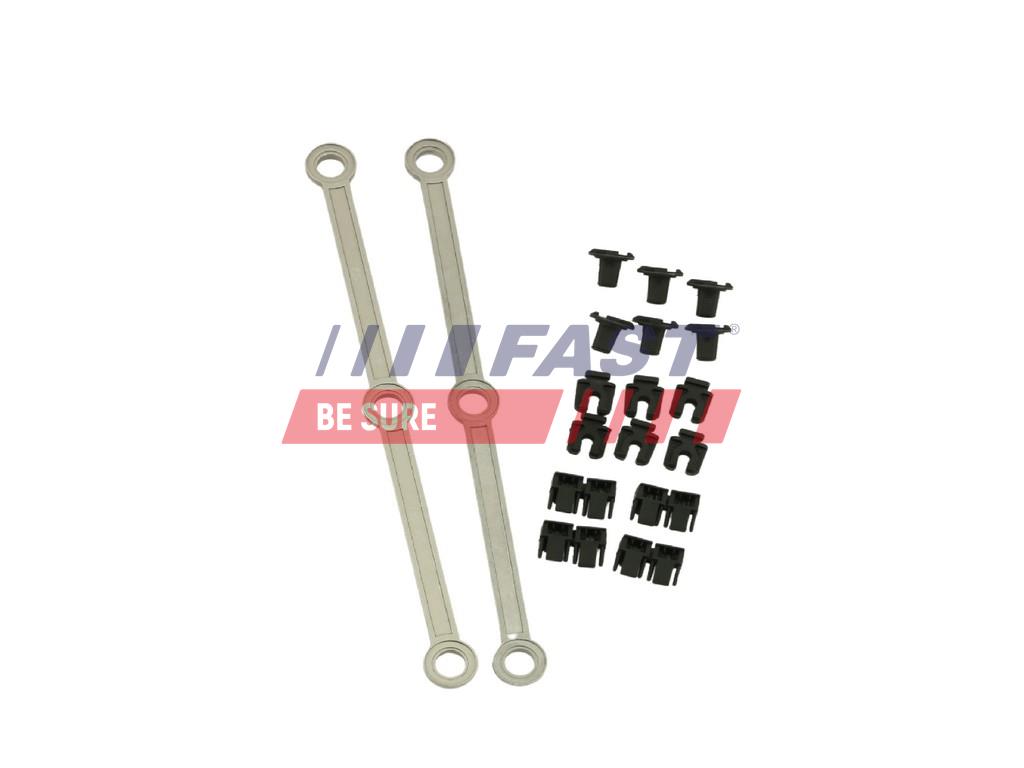
KOLEKTOR SSĄCY MERCEDES SPRINTER 06> 906 ZESTAW NAPRAWCZY OM642 / OM642M



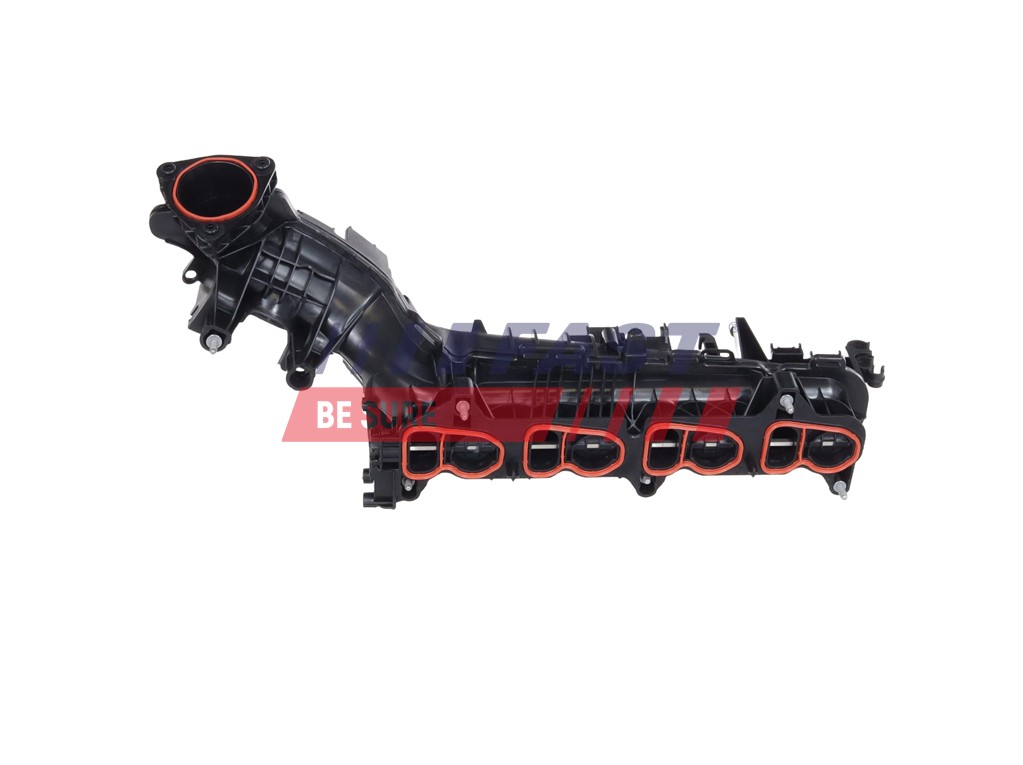
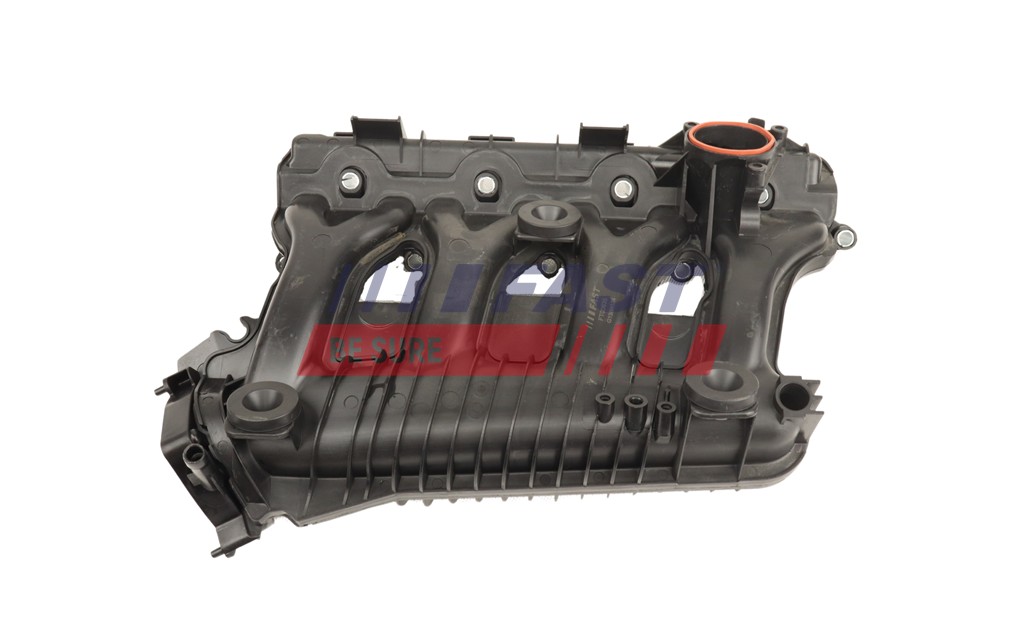
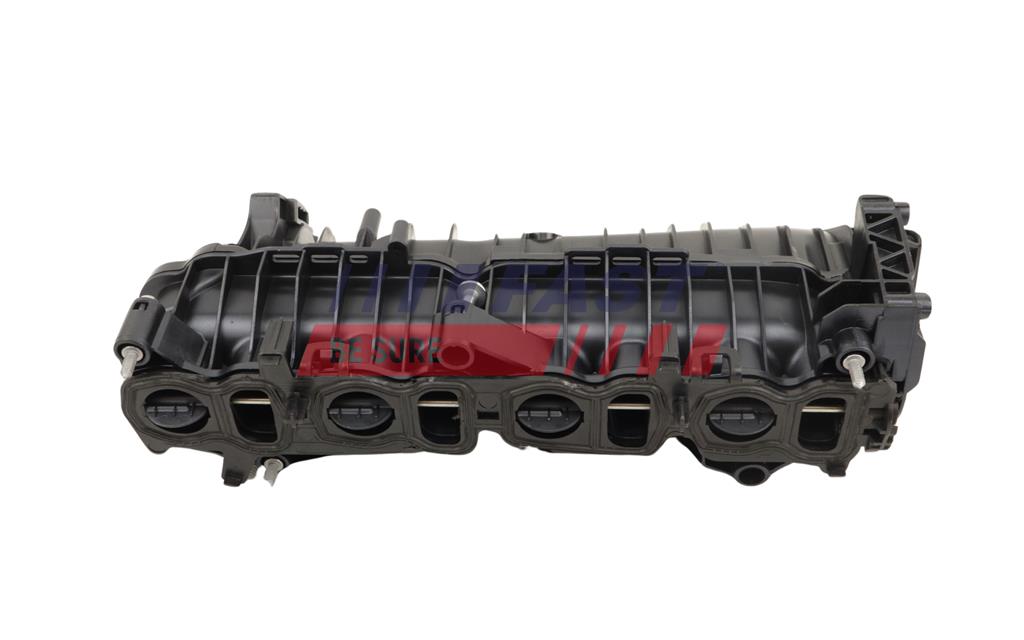
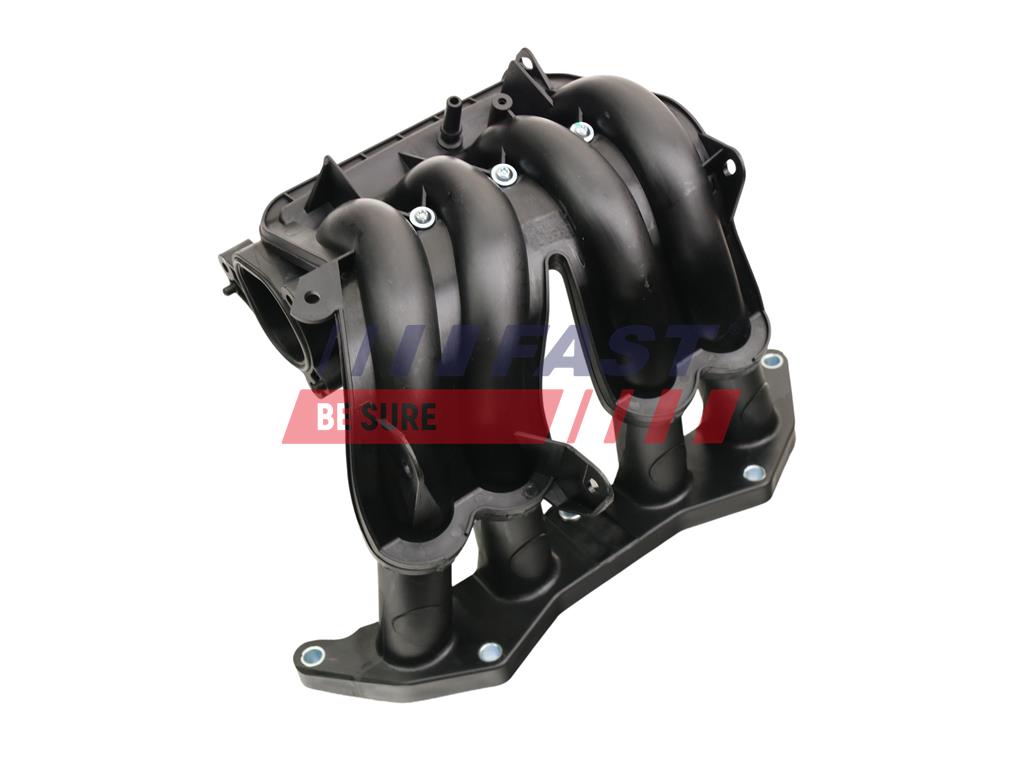
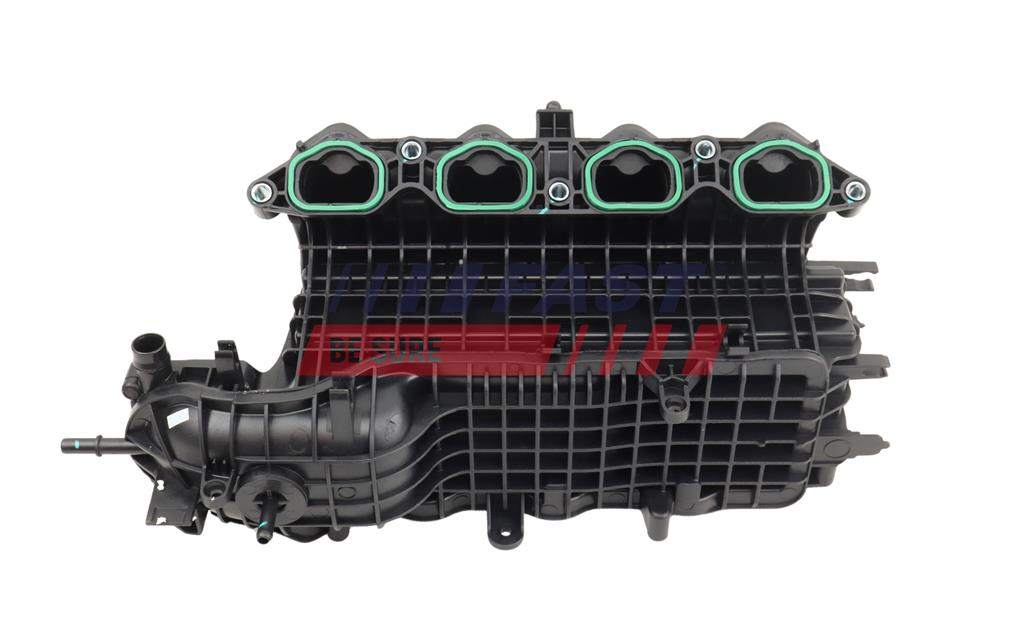

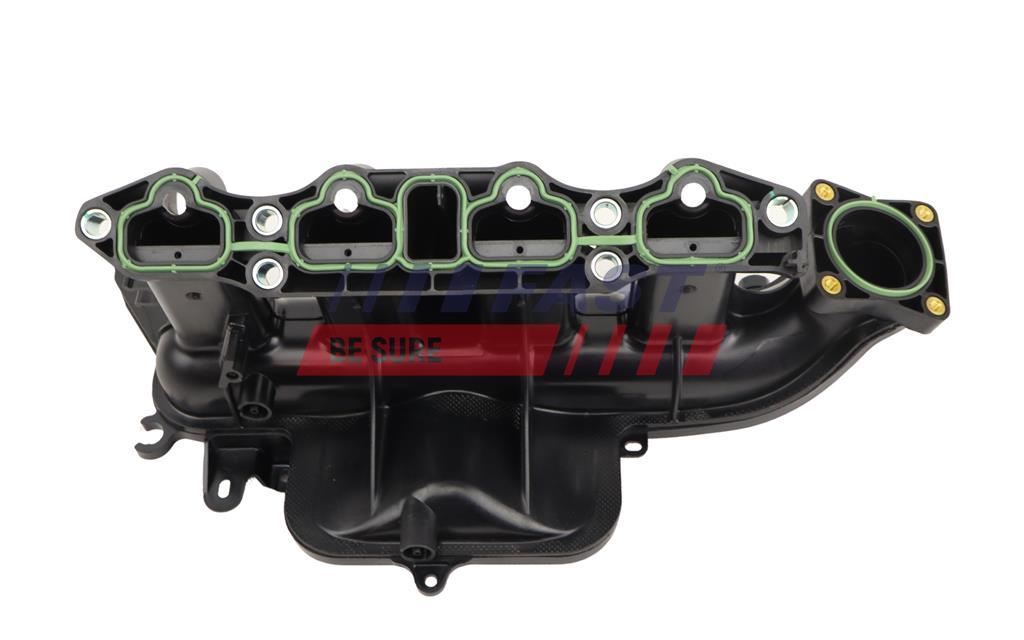
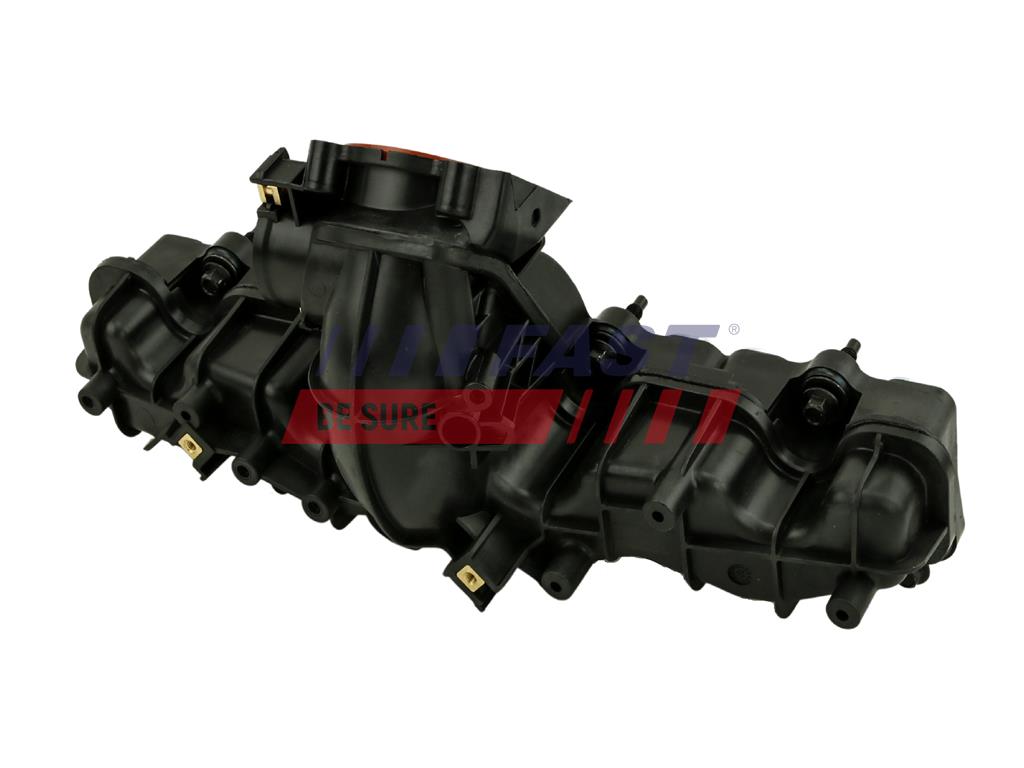
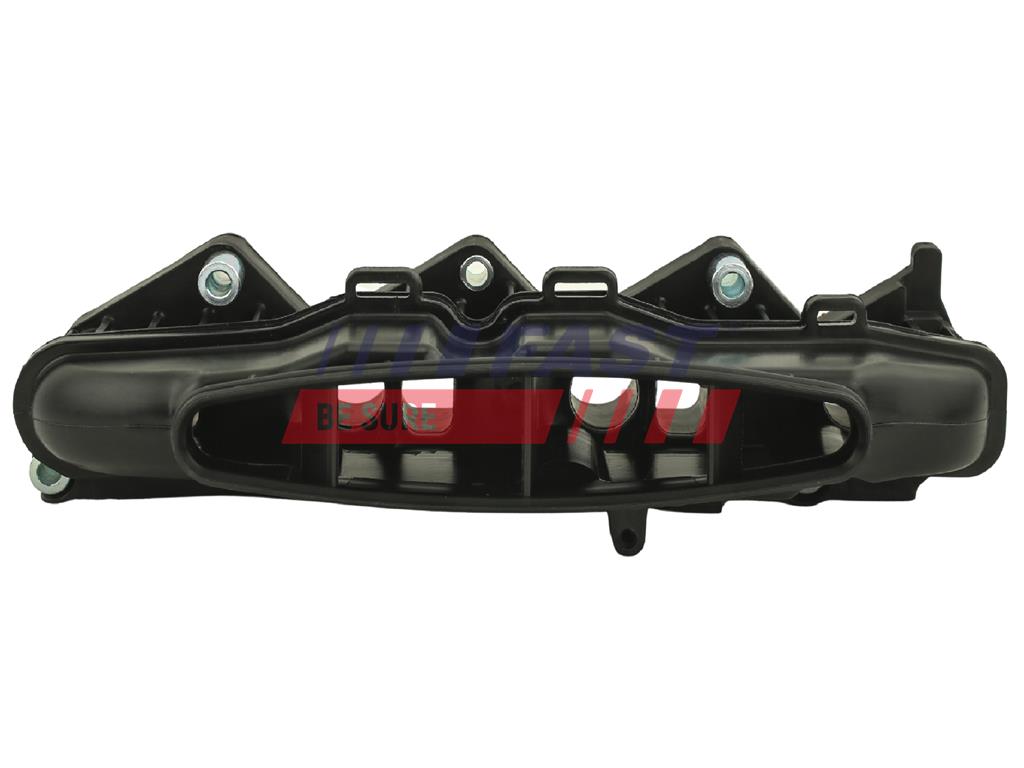
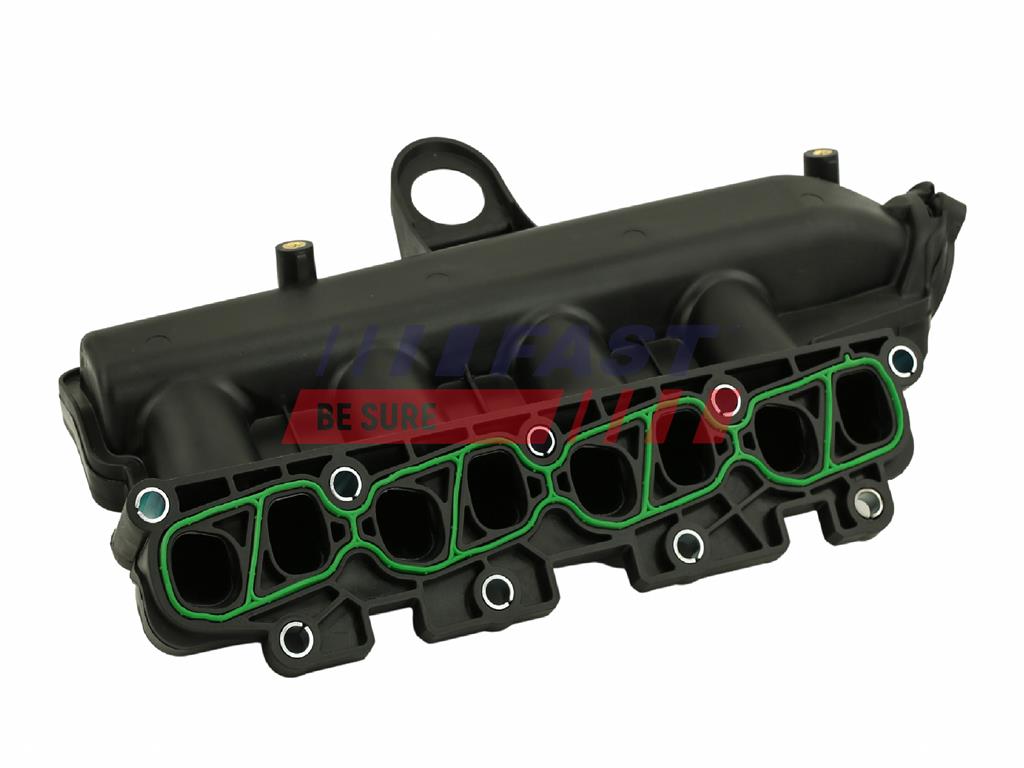
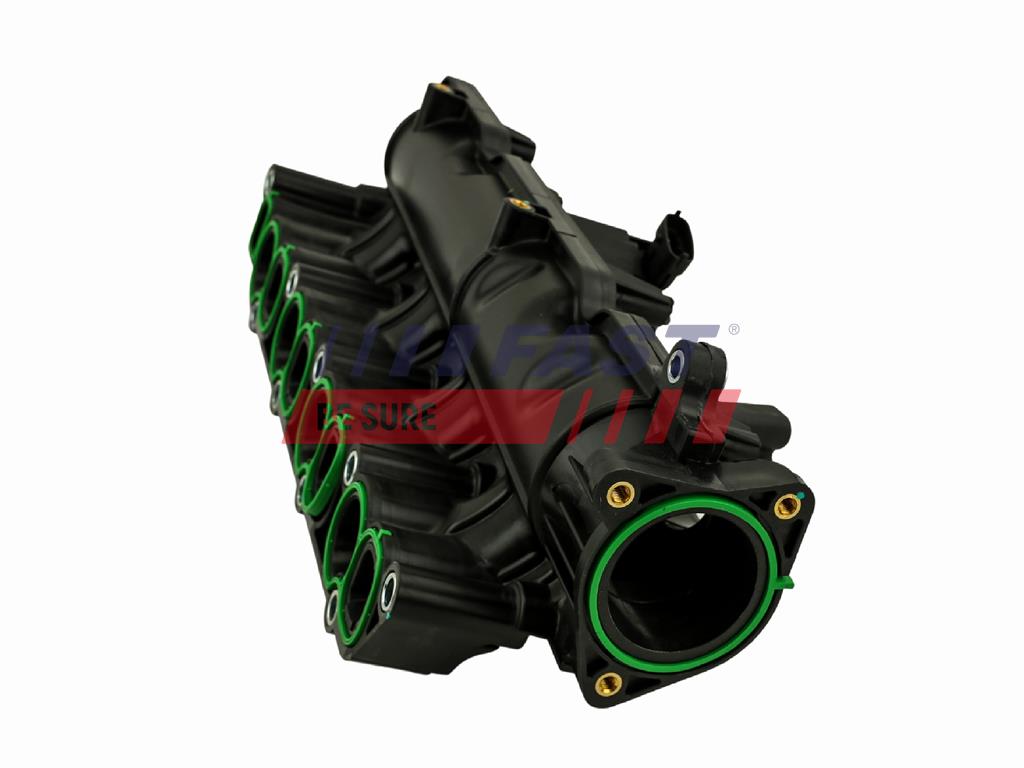
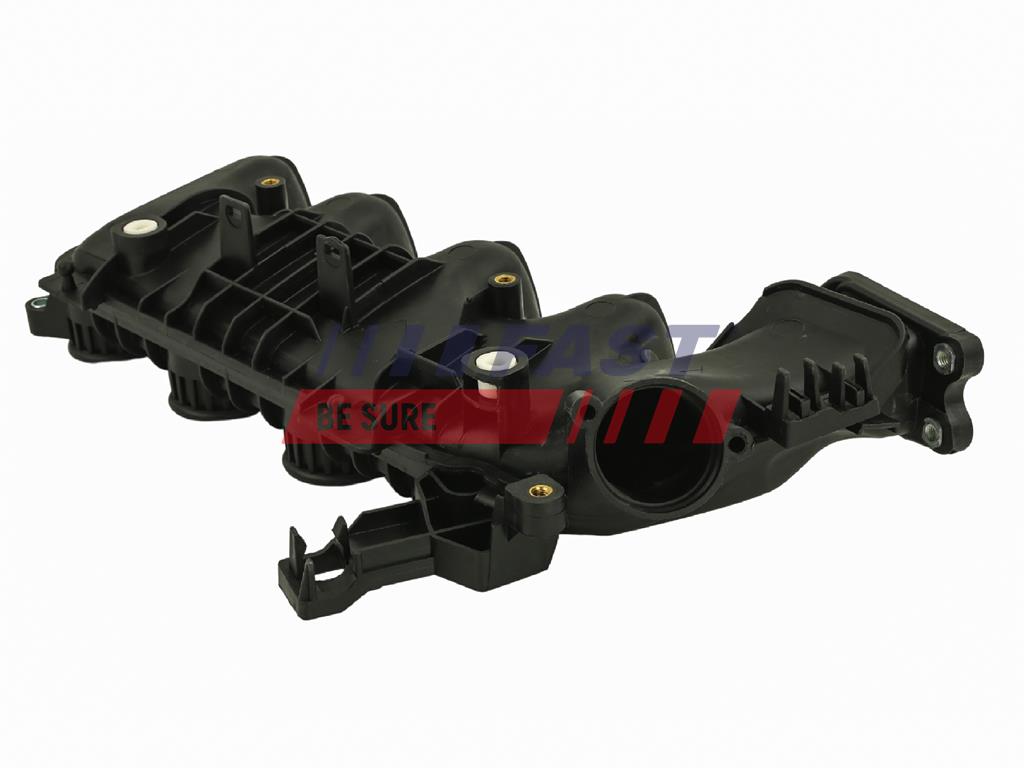
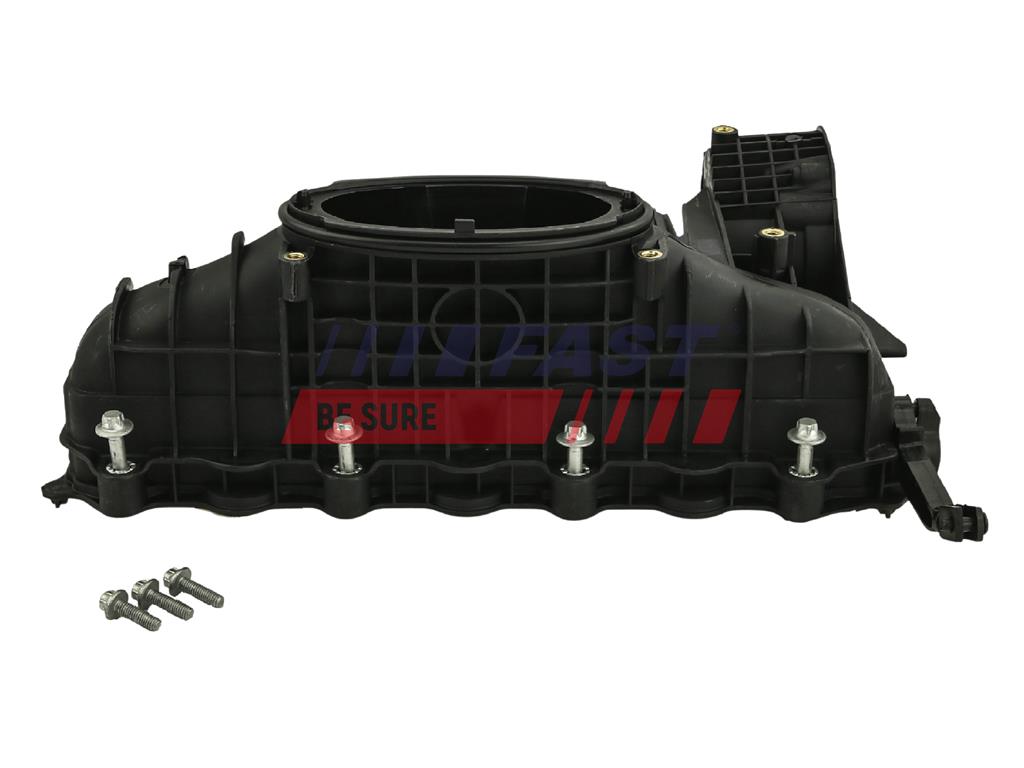
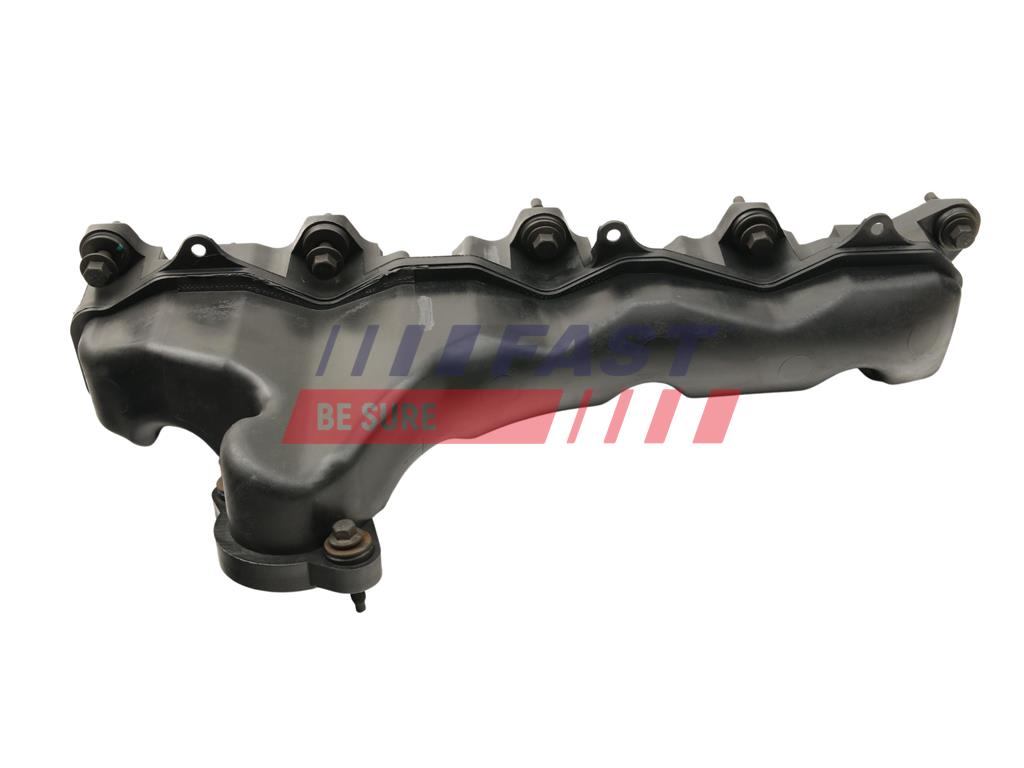
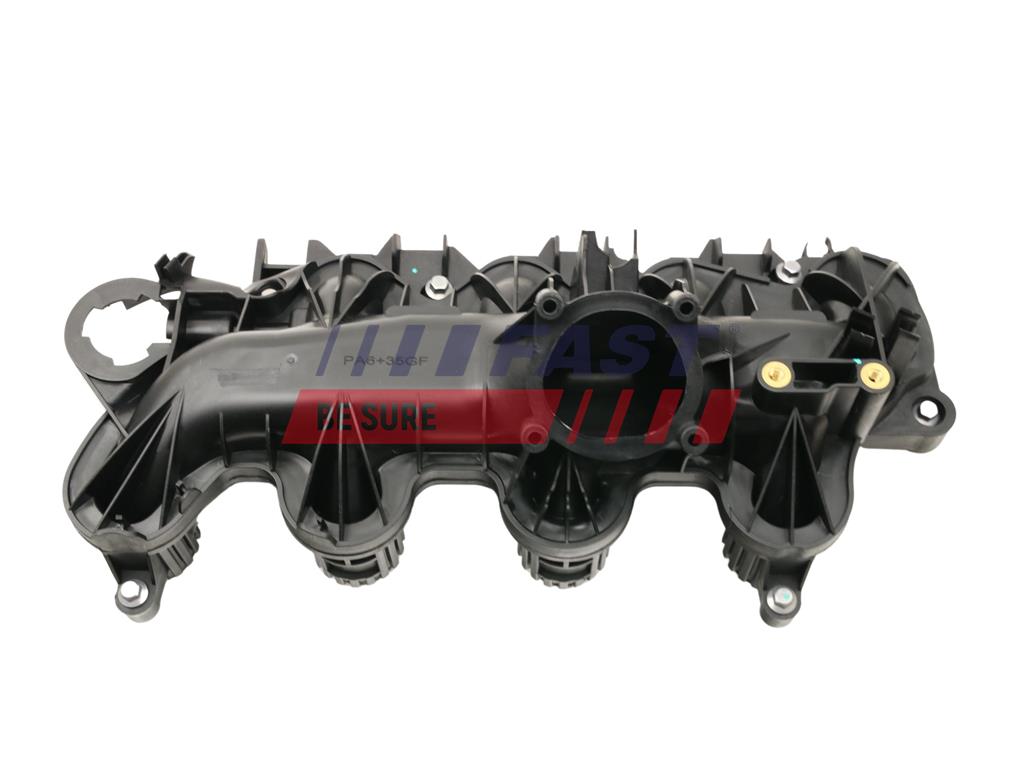
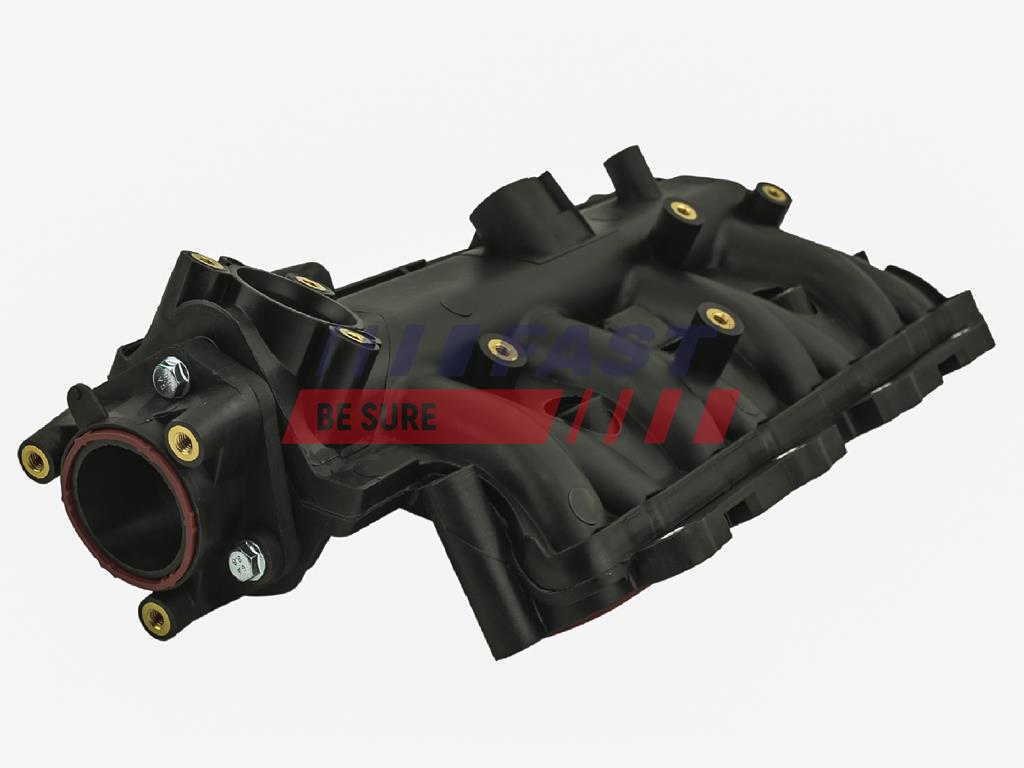
Explore the essential role of the intake manifold in your vehicle’s performance, whether in need of a replacement or looking to enhance efficiency. Identify symptoms of issues before they affect your drive, and consider modifications to boost power. Our range of top-quality FAST original intake manifolds ensures the perfect fit for every vehicle. Dive into our catalogue for a complete selection and sign up for our newsletter to stay informed about the latest products and trends in automotive components.
The intake manifold is an essential part of a vehicle’s engine, serving as a critical junction for the air and fuel mixture that powers the combustion process. Its primary function is to evenly distribute this mixture to each cylinder, ensuring that the engine runs smoothly and efficiently. The design and engineering of the intake manifold significantly affect the performance of the engine, as any imbalance in air-fuel distribution can lead to suboptimal operation, reduced power output, and increased emissions. A precise fit of the intake manifold is crucial, as it ensures that the air and fuel reach the cylinders in the correct proportions and at the appropriate times. This careful balance directly influences the engine’s performance, responsiveness, and fuel economy. Another vital aspect to consider is the intake manifold gasket replacement. Over time, gaskets can wear out or fail, leading to leaks that disrupt the delicate balance of air and fuel entering the engine. Such leaks can cause a variety of performance issues, including rough idling, poor acceleration, and increased fuel consumption. Timely intake manifold gasket replacement is necessary to maintain performance and prevent more serious engine problems down the line.
Intake manifolds, while crucial to engine performance, can encounter several common issues that affect vehicle efficiency and function. One prevalent problem is the development of cracks within the manifold, which can significantly disrupt engine operations. Cracked intake manifold symptoms often include engine misfires, rough idling, and even power loss, resulting from the improper delivery of the air-fuel mixture. These symptoms indicate that the structural integrity of the manifold is compromised, leading to air leaks that prevent the engine from performing optimally. Such issues necessitate a timely inspection and potential replacement to avoid further damage or costly repairs. In addition, another common concern is carbon buildup in the intake manifold. Over time, deposits can accumulate within the manifold, restricting the flow of air and fuel. This buildup affects the engine’s efficiency, leading to reduced power, increased fuel consumption, and higher emissions. Regular maintenance and cleaning of the carbon buildup intake manifold can help mitigate these issues, ensuring that the engine remains efficient and performs at its best.
For automotive enthusiasts seeking to enhance engine performance, modifications to the intake manifold can offer significant gains. One popular upgrade is the intake manifold swirl flap delete, which involves removing the swirl flaps designed to improve air turbulence under specific conditions. While swirl flaps can aid in combustion efficiency at lower RPMs, their removal is favoured by some for the potential increase in airflow, reducing restrictions that can impede performance. This modification may lead to a more responsive throttle and improved power delivery, particularly in tuned engines where maximising air intake is crucial. The intake manifold plays a pivotal role in this process, as it channels the increased airflow directly to the engine’s cylinders, supporting an optimal air-fuel mixture that can enhance overall engine efficiency and output. These modifications are part of a broader strategy to achieve peak performance from a vehicle, and when performed carefully, they can significantly boost power without compromising the engine’s reliability.
A cracked intake manifold can manifest through several symptoms, including engine misfires, rough idling, and a noticeable decrease in power and acceleration. Additionally, you might observe coolant leaks, leading to engine overheating, and hear unusual noises such as hissing or whistling from the engine bay. These signs indicate that the intake manifold may be compromised and requires prompt attention to prevent further engine damage.
A faulty intake manifold disrupts the proper air-fuel mixture distribution to the engine’s cylinders, resulting in inefficient combustion. This can lead to reduced engine power, sluggish acceleration, and increased fuel consumption. In severe cases, it may cause engine stalling or overheating due to coolant leaks associated with the manifold. Addressing intake manifold issues promptly is essential to maintain optimal engine performance and prevent more serious mechanical problems.
Intake manifolds are typically sold separately from gaskets. It’s important to verify whether the gasket is included when purchasing a new manifold, as a proper seal is crucial for engine performance. If the gasket is not included, it should be purchased separately to ensure a secure and leak-free installation.

Dołącz do naszego newslettera. Dlaczego warto? Co tydzień masa nowości produktowych, których nie możesz przeoczyć. Wystarczy podać swój adres e-mail i korzystać z dostępu do bazy nowych produktów marki Fast. Portfolio marki rozrasta się nawet o kilkadziesiąt produktów tygodniowo. Nie trać możliwości powiększenia swojej oferty o nowe kody FAST, zarejestruj się już teraz!