
PRZEWÓD HAM ELAST RENAULT MASTER II 98> TYŁ L/P 450MM



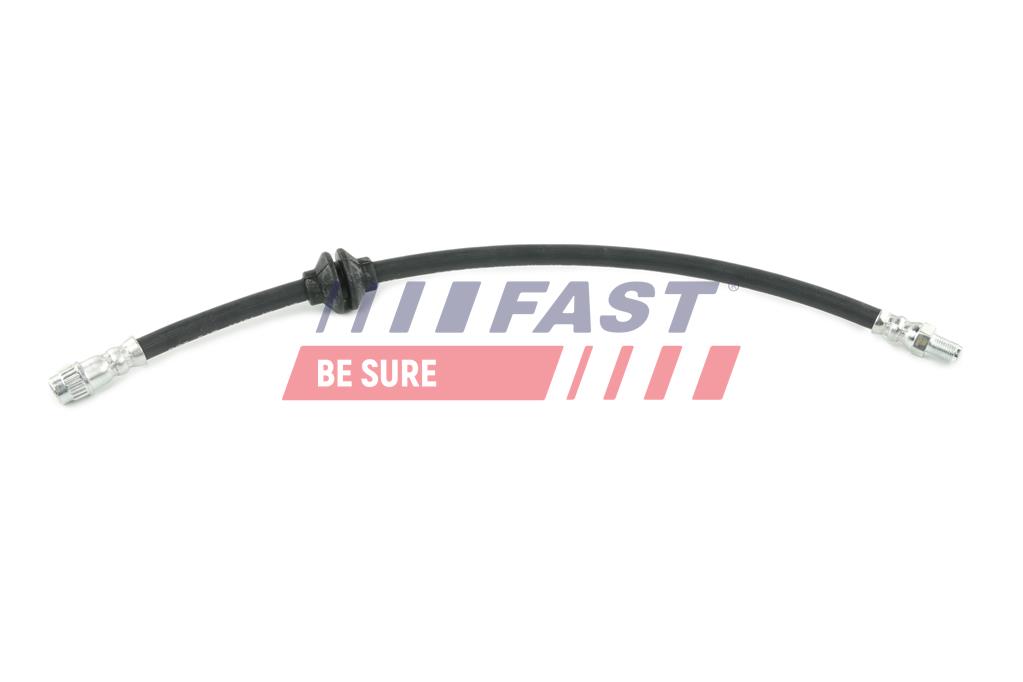
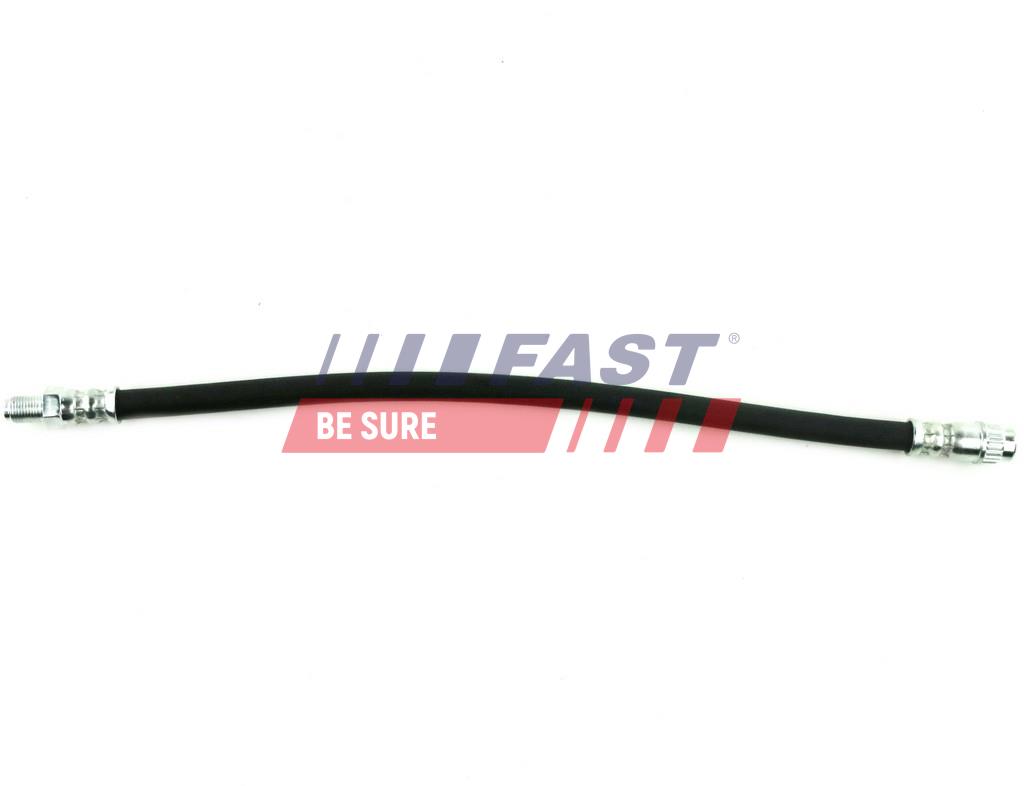
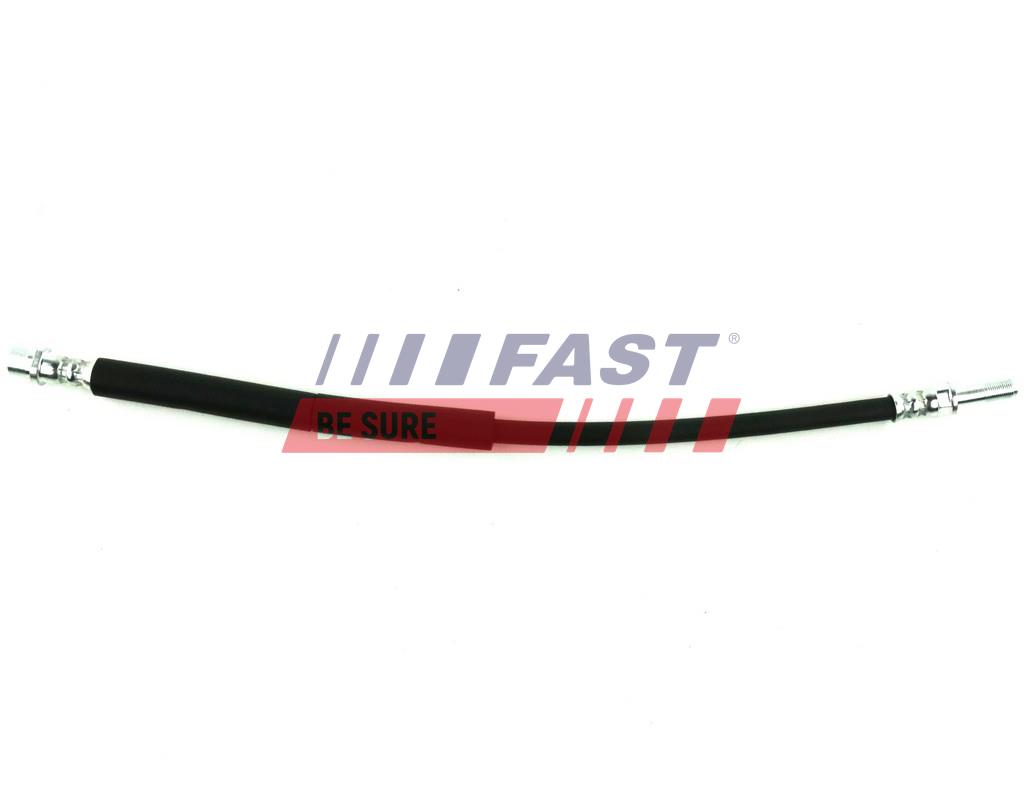
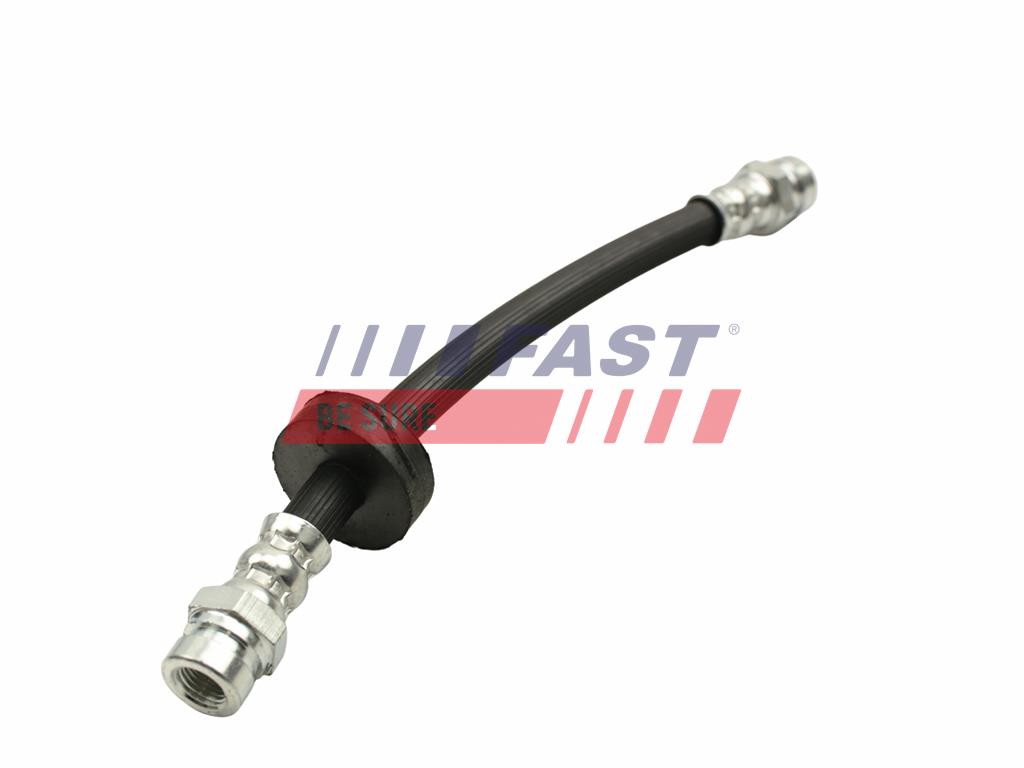
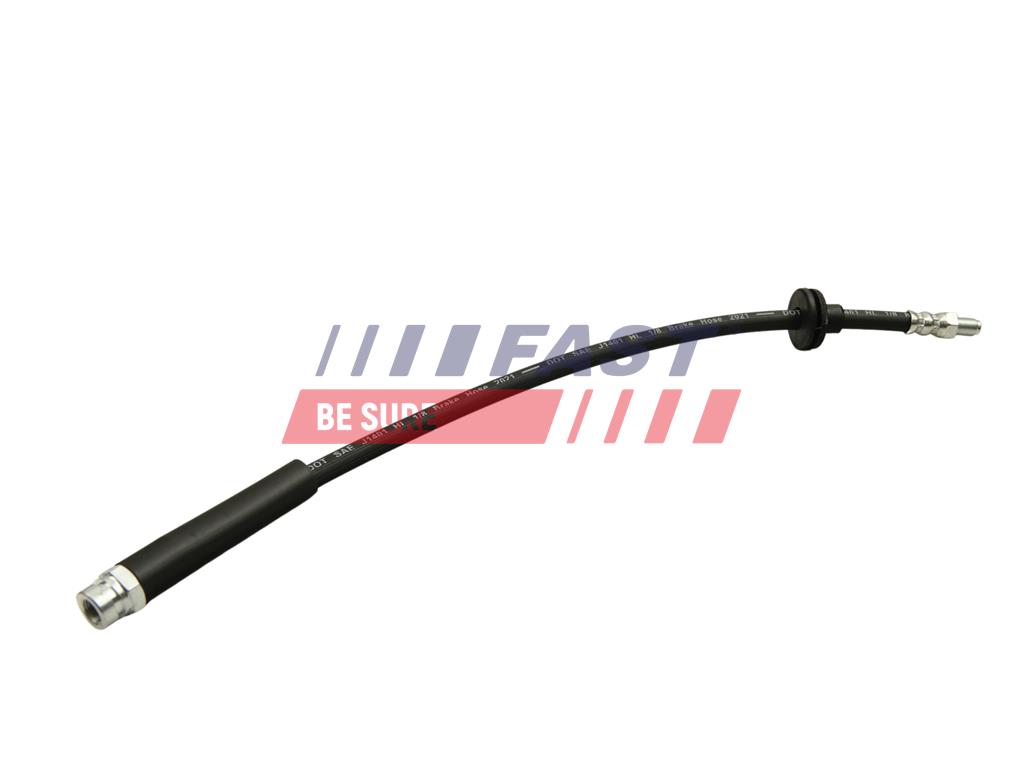
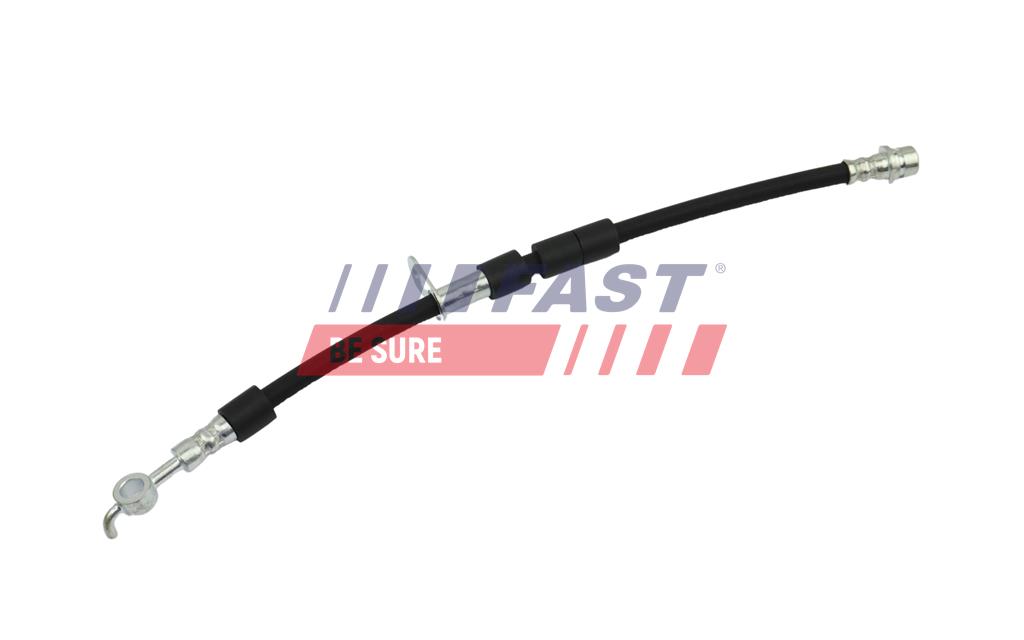

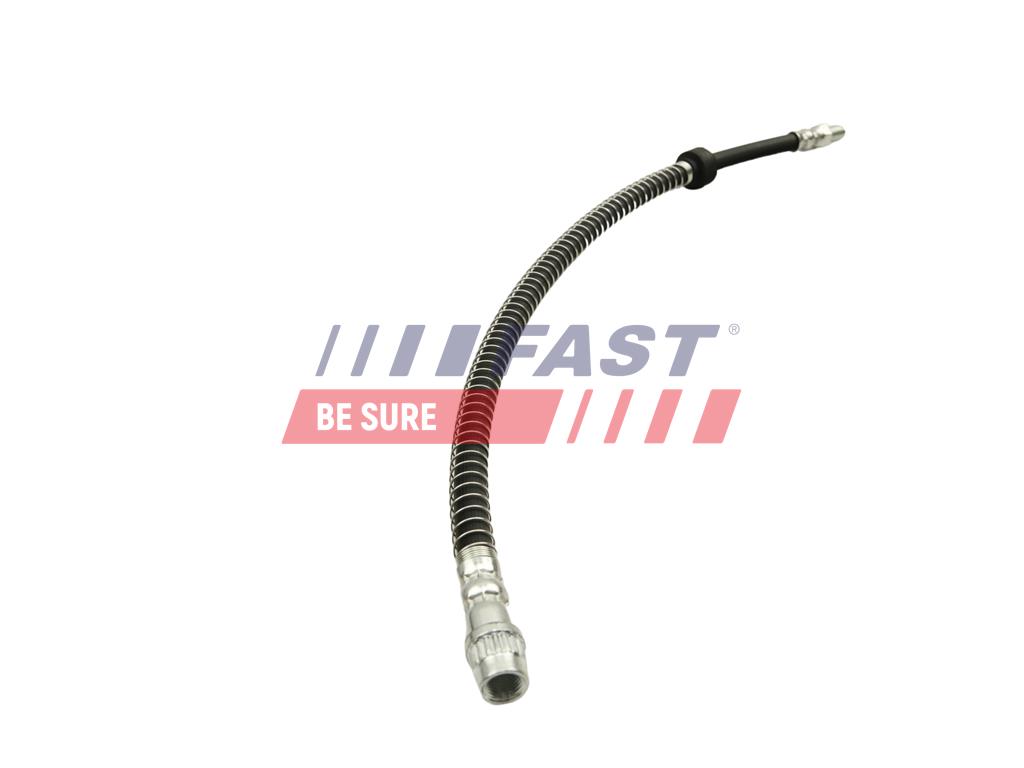
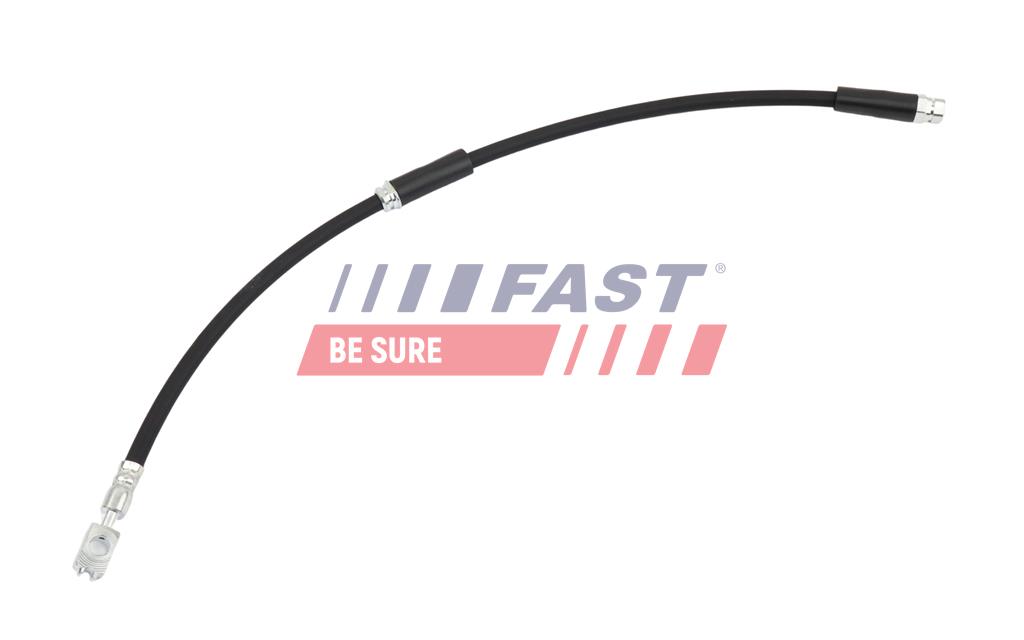
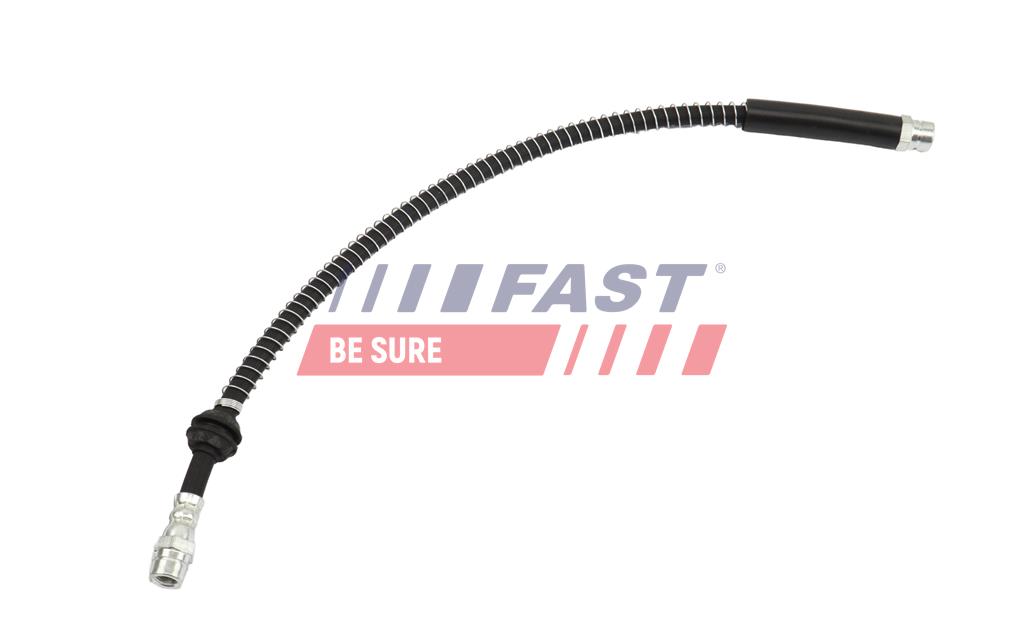
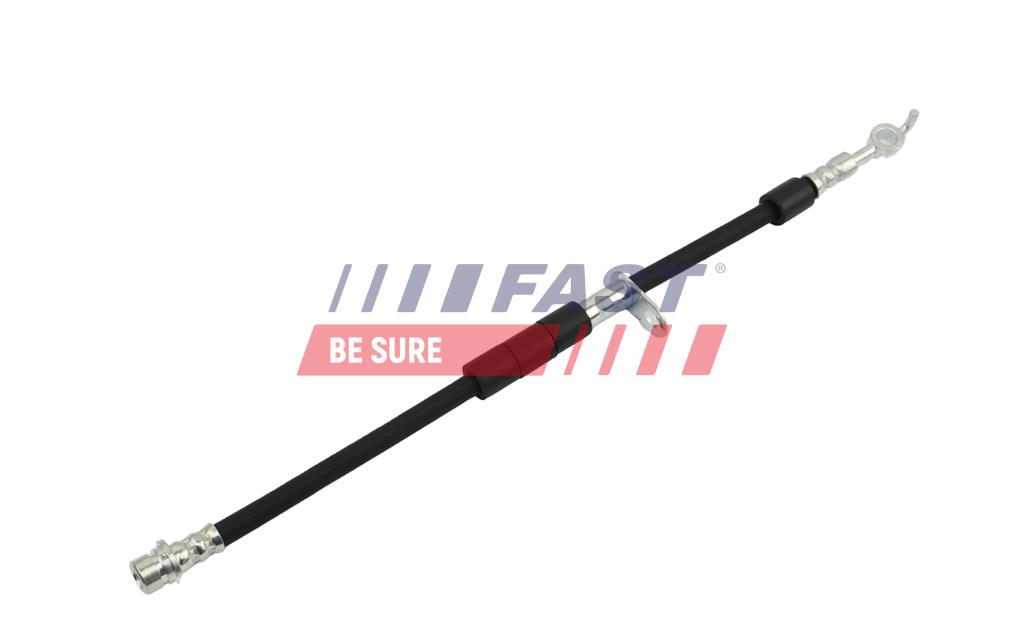
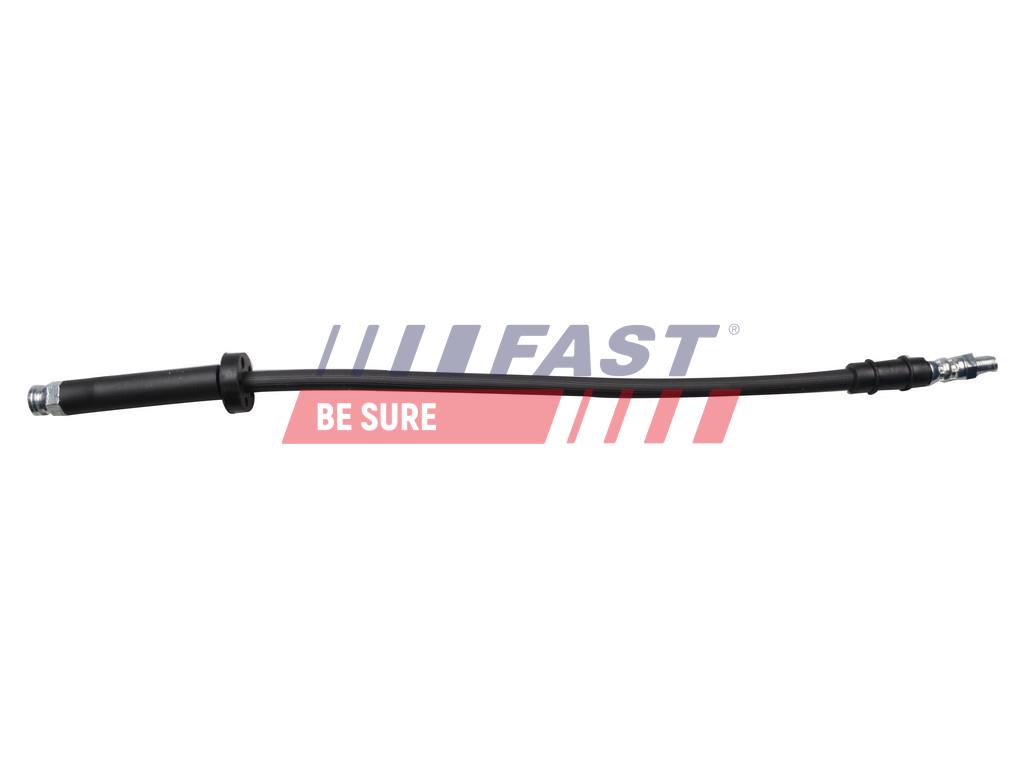

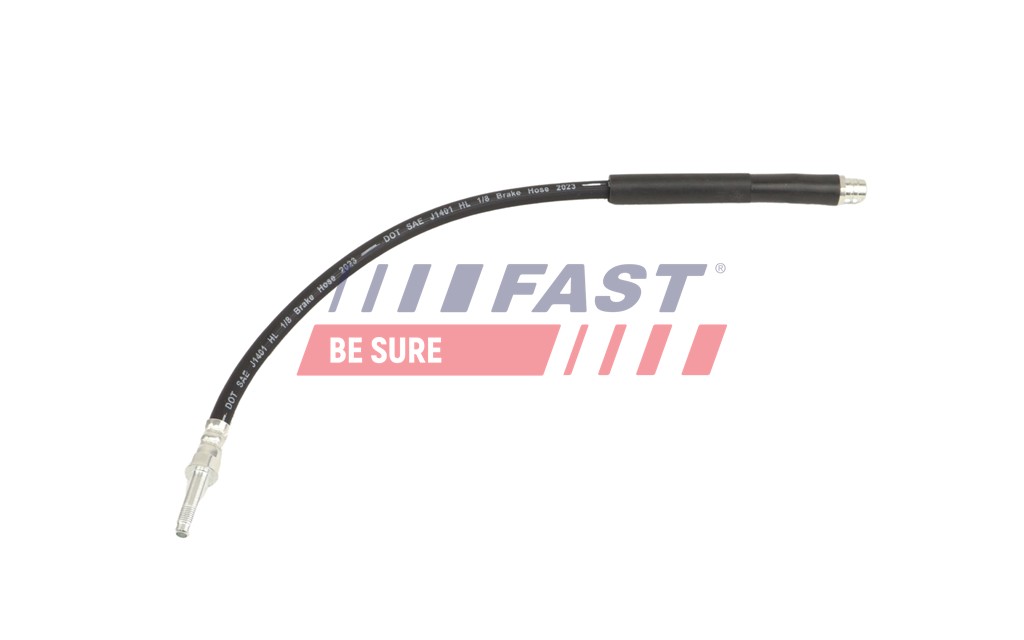
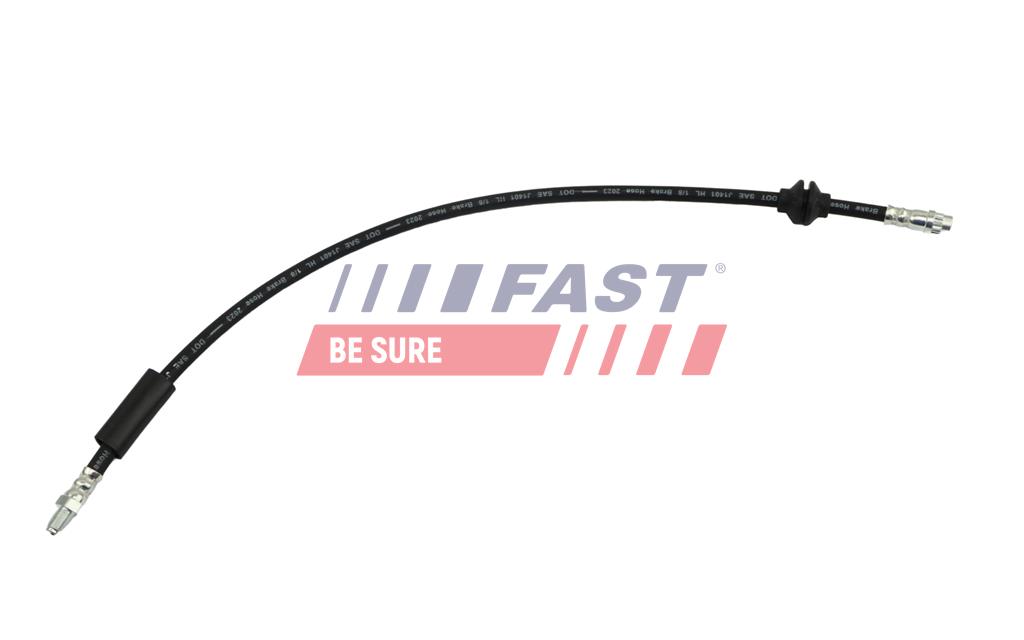
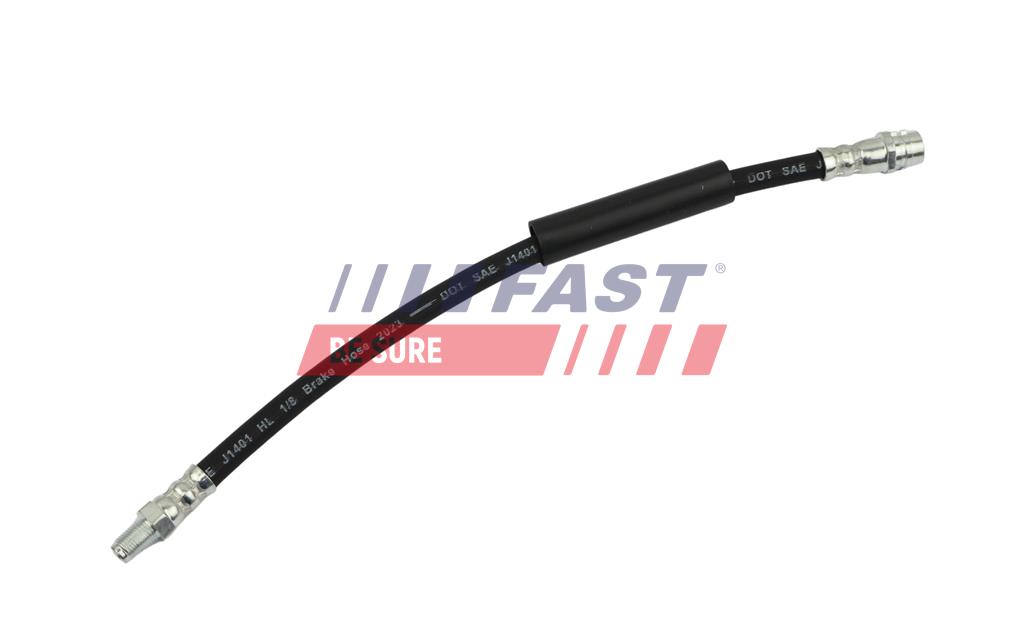
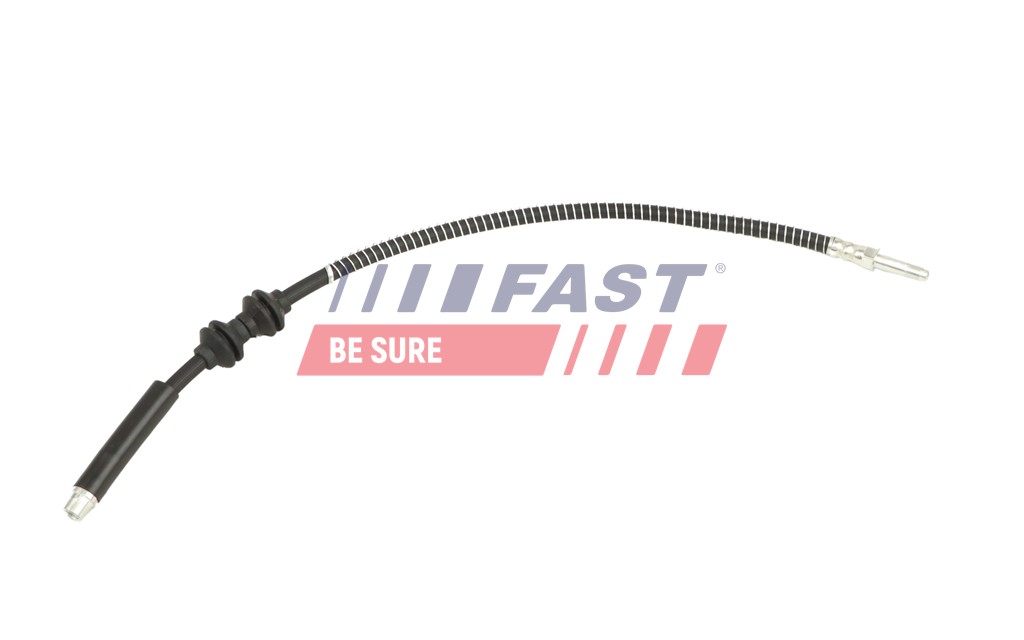
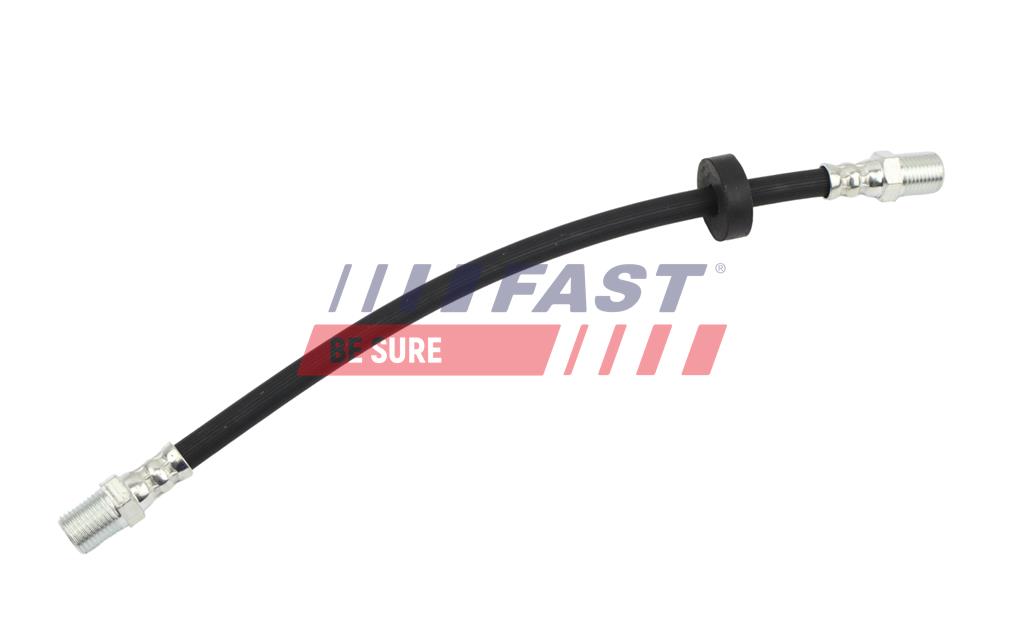
Flexible brake lines are essential for ensuring the safe operation of your vehicle’s braking system. Enhancing your braking performance begins with the right components, which is why choosing the appropriate brake lines is so crucial. Explore our variety of options, from standard rubber to advanced braided stainless steel, to suit your specific needs while considering practical aspects like flexible brake line repair and the brake hose replacement cost. Keep your vehicle safe and efficient-start exploring now!
Flexible brake lines play an indispensable role in the overall safety and functionality of a vehicle’s braking system. These components ensure that the hydraulic pressure needed to engage the brakes is effectively transferred from the hard metal lines to the brake callipers and cylinders. This seamless connection is vital for both commercial and passenger vehicles, providing the necessary flexibility for smooth and efficient brake operation. When selecting flexible brake lines, it is crucial to consider the material used, as it can significantly impact performance and longevity. Among the available options, braided stainless steel brake lines stand out due to their superior durability and ability to withstand increased pressure without expanding. This enhanced performance translates to a more responsive braking system, crucial for maintaining control and safety on the road. Furthermore, while the initial investment in high-quality materials like braided stainless steel may seem higher, it can ultimately prove cost-effective over the vehicle’s lifespan. By opting for durable and reliable brake lines, drivers can reduce the frequency and expense of replacements, ensuring peace of mind with every drive. Making informed choices about the materials and brands when selecting flexible brake lines is essential for optimising safety, performance, and cost-efficiency.
Recognising the signs of wear or damage in your vehicle’s brake lines is crucial for maintaining braking efficiency and safety. One common symptom of deteriorating brake lines is rubber brake hose cracking, which can lead to a loss of hydraulic pressure and compromised braking performance. Regular inspections are essential to identify such issues early, preventing potential failures. When you notice symptoms like spongy brakes, fluid leaks, or visible cracks, it might be time to consider flexible brake line repair. Repairing or replacing worn brake lines can restore the integrity of the braking system, ensuring reliable performance. In some cases, upgrading to braided stainless steel brake lines can be a smart decision. These offer enhanced durability and resistance to pressure changes, providing a more responsive braking experience. While flexible brake line repair is a feasible option for minor damages, significant wear or frequent issues may warrant a complete upgrade. By addressing these issues promptly and choosing high-quality materials, vehicle owners can ensure their braking system remains efficient and dependable, boosting safety and confidence on the road.
Maintaining your vehicle’s brake system is paramount for ensuring safety and optimal performance. Among the key components, flexible brake lines play a critical role in maintaining hydraulic pressure and ensuring efficient braking. Regular maintenance helps prevent issues such as rubber brake hose cracking, which can lead to brake fluid leaks and decreased braking effectiveness. Understanding the brake hose replacement cost is essential for planning cost-effective maintenance strategies that preserve the integrity of your brake system. By investing in regular inspections and timely replacements, you can avoid more significant problems down the road, ensuring your vehicle remains safe and reliable. Preventative measures, like checking for wear and replacing parts before they fail, extend the lifespan of your braking system and enhance vehicle reliability. Choosing high-quality brake lines and keeping track of their condition can significantly mitigate long-term expenses and improve safety, making it a vital aspect of vehicle upkeep.
Flexible brake hoses should be inspected regularly for signs of wear, such as cracks, bulges, or leaks. It’s advisable to replace them every 4 to 6 years, or sooner if any damage is detected, to maintain optimal braking performance and safety.
Brake lines can crack or bulge due to factors like age-related deterioration, exposure to harsh environmental conditions, and the stress of repeated braking. Over time, rubber hoses may degrade, leading to issues such as rubber brake hose cracking, which can compromise the braking system’s integrity.
Yes, our brake lines comply with the Department of Transportation (DOT) standards, ensuring they meet all safety and performance requirements. This certification guarantees that the brake lines are suitable for use in vehicles operating on public roads.

Dołącz do naszego newslettera. Dlaczego warto? Co tydzień masa nowości produktowych, których nie możesz przeoczyć. Wystarczy podać swój adres e-mail i korzystać z dostępu do bazy nowych produktów marki Fast. Portfolio marki rozrasta się nawet o kilkadziesiąt produktów tygodniowo. Nie trać możliwości powiększenia swojej oferty o nowe kody FAST, zarejestruj się już teraz!