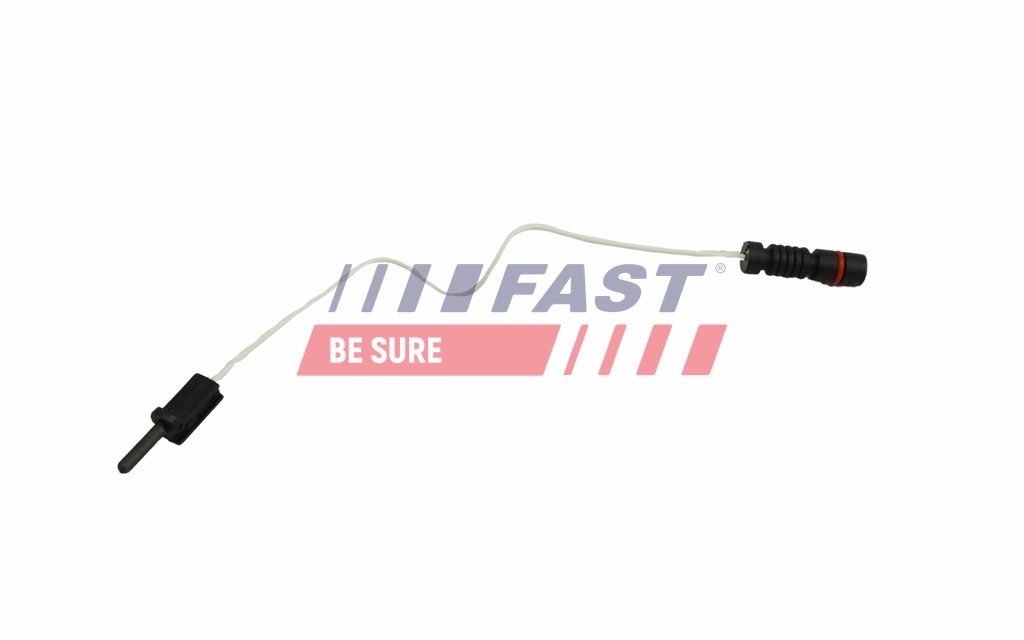
CZUJNIK KLOCKÓW HAM MERCEDES SPRINTER 95> 901-905 PRZÓD/TYŁ


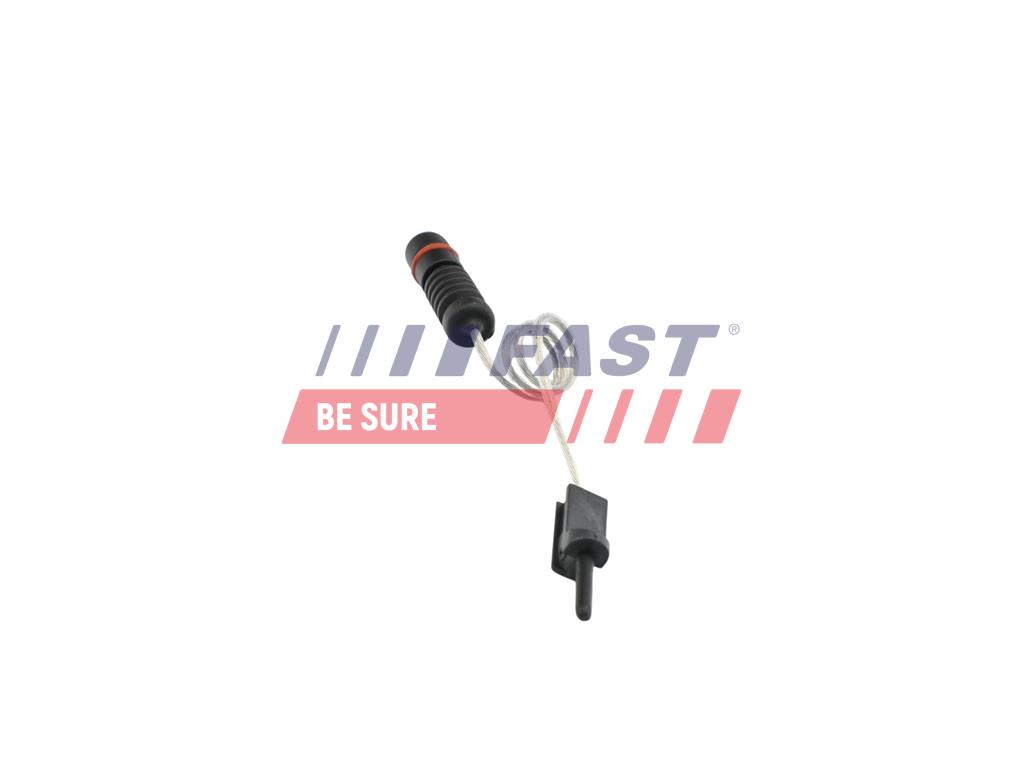
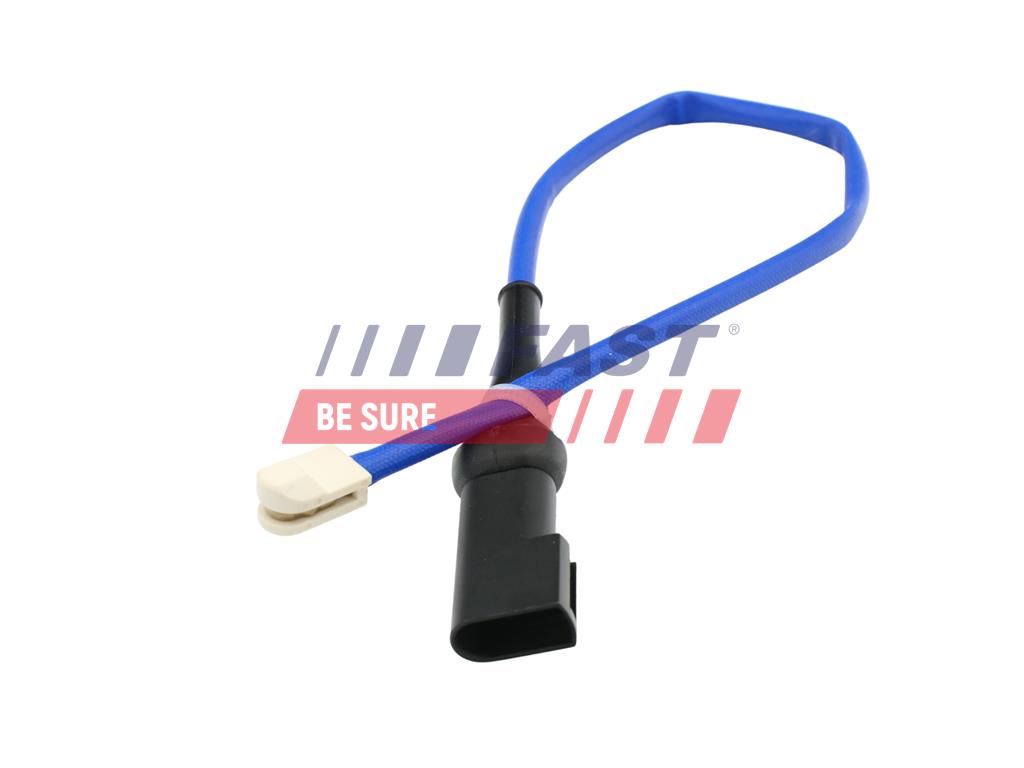
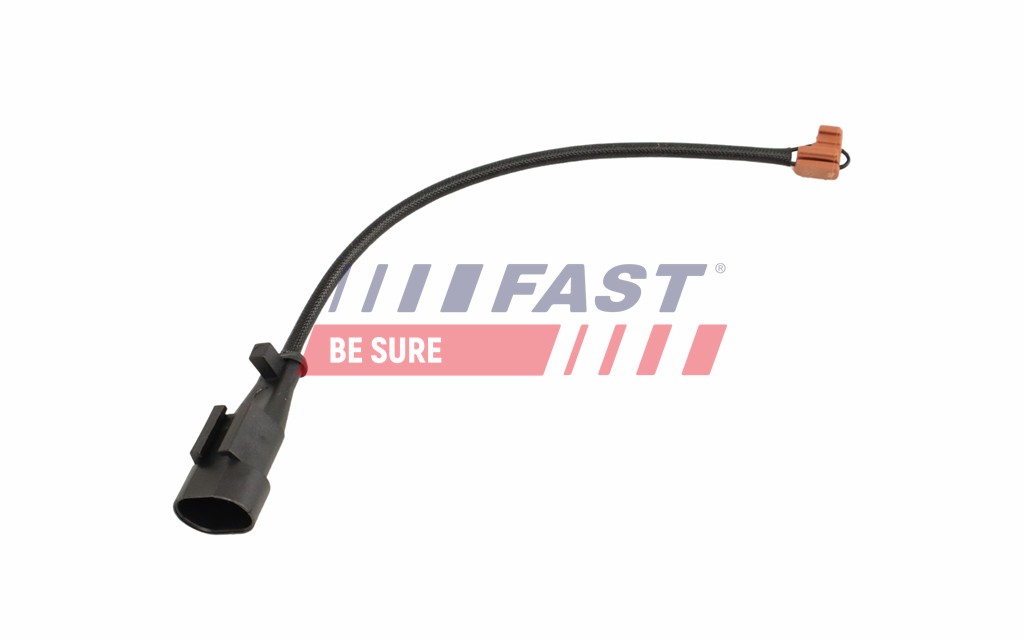

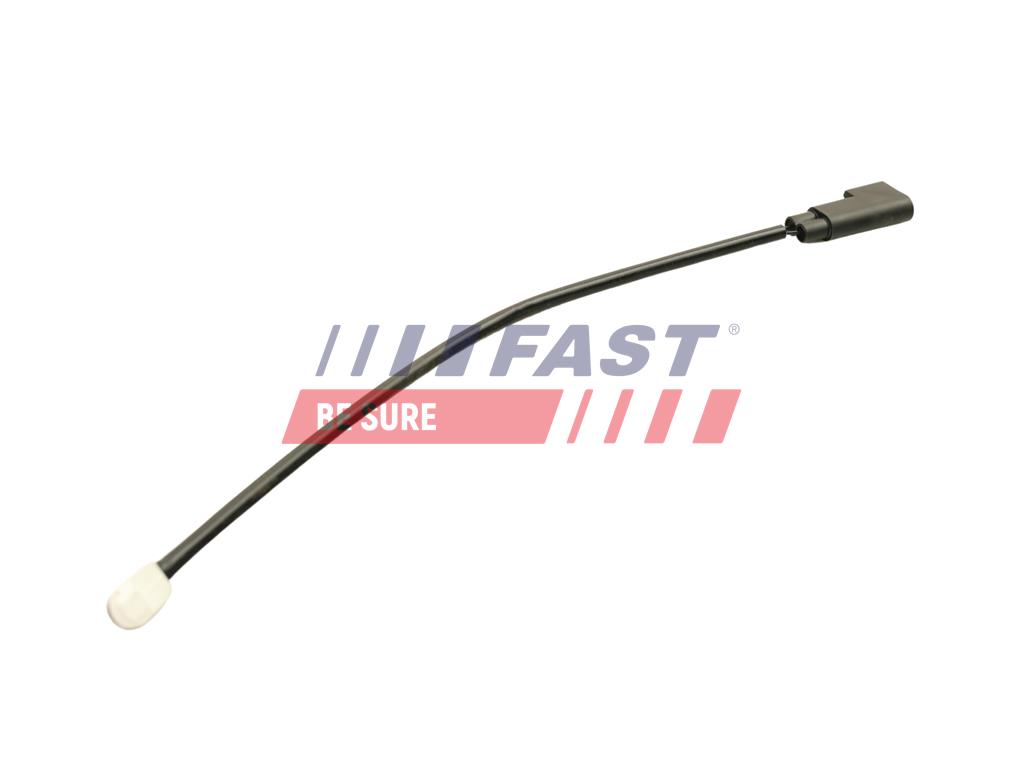

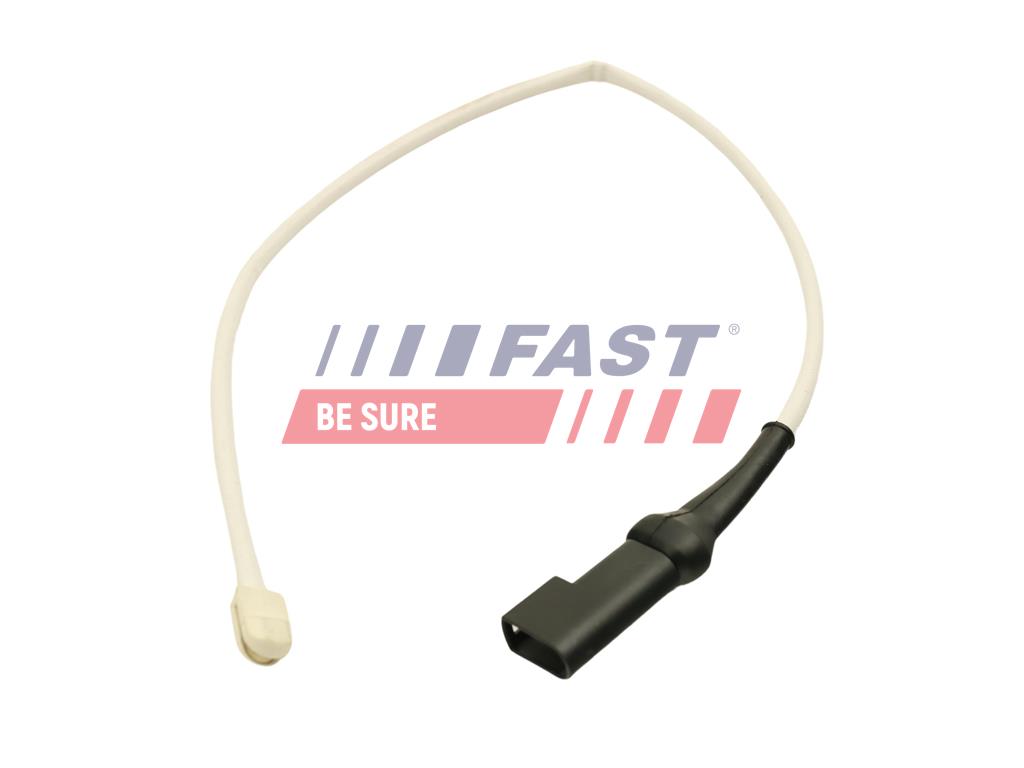
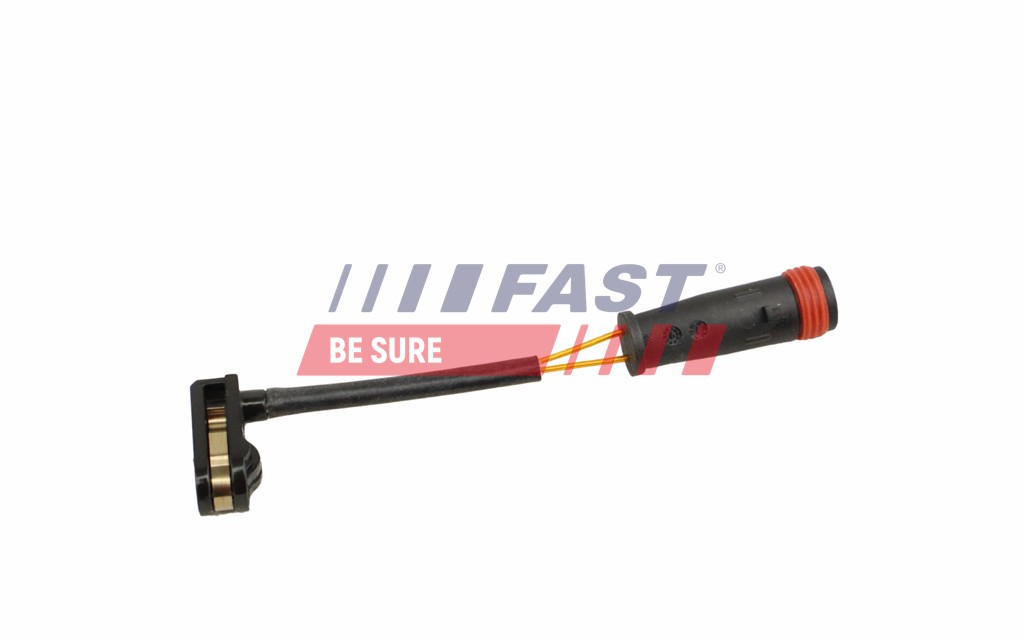
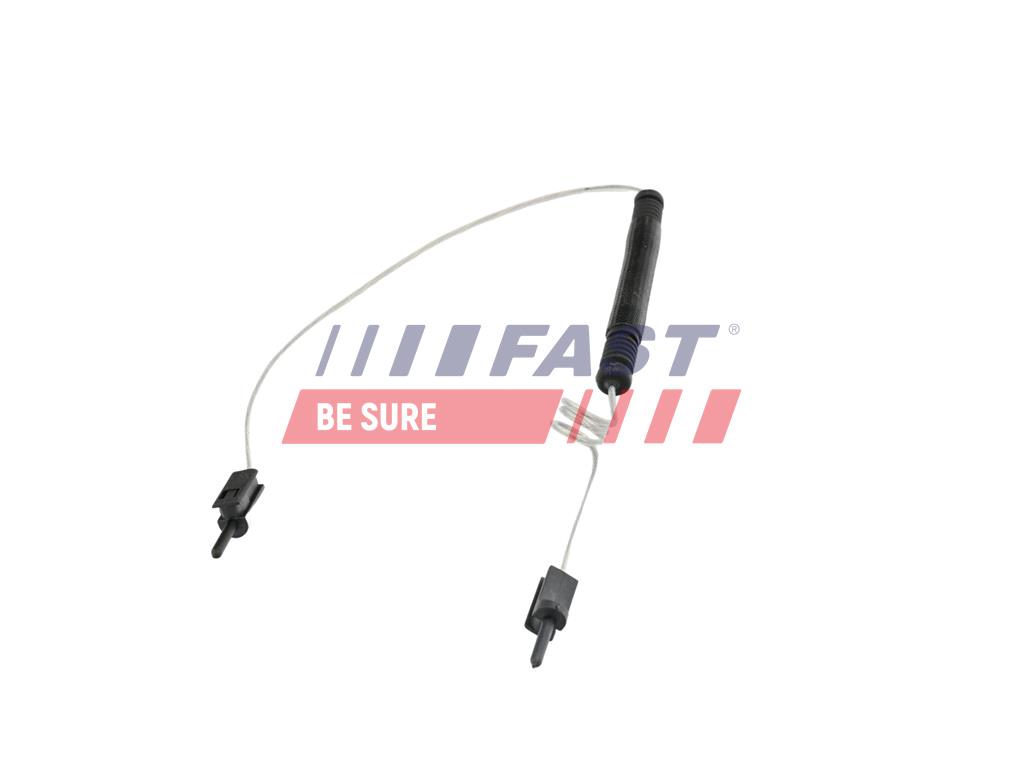
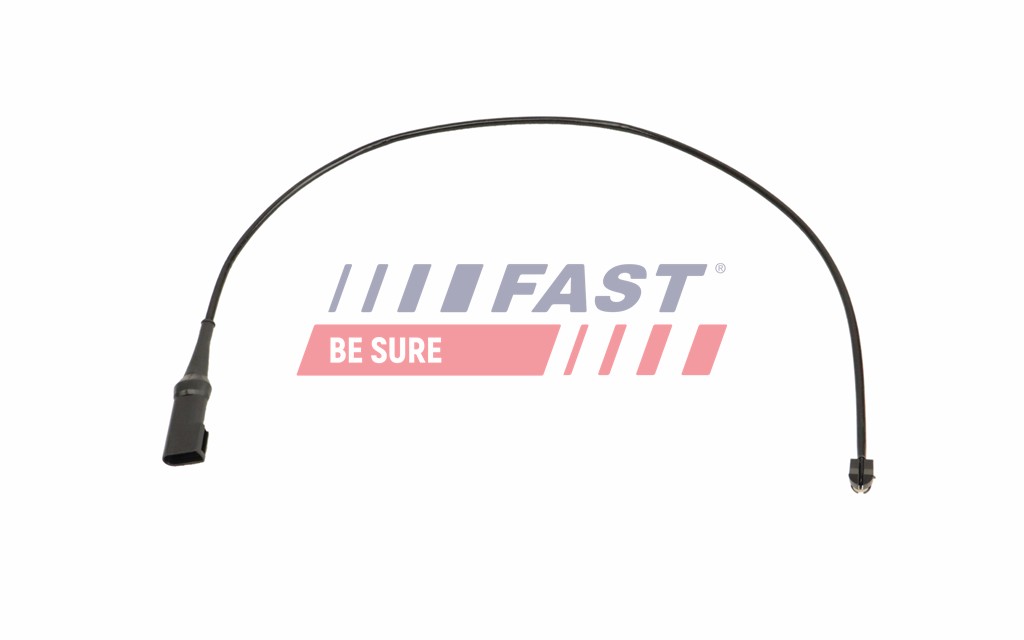
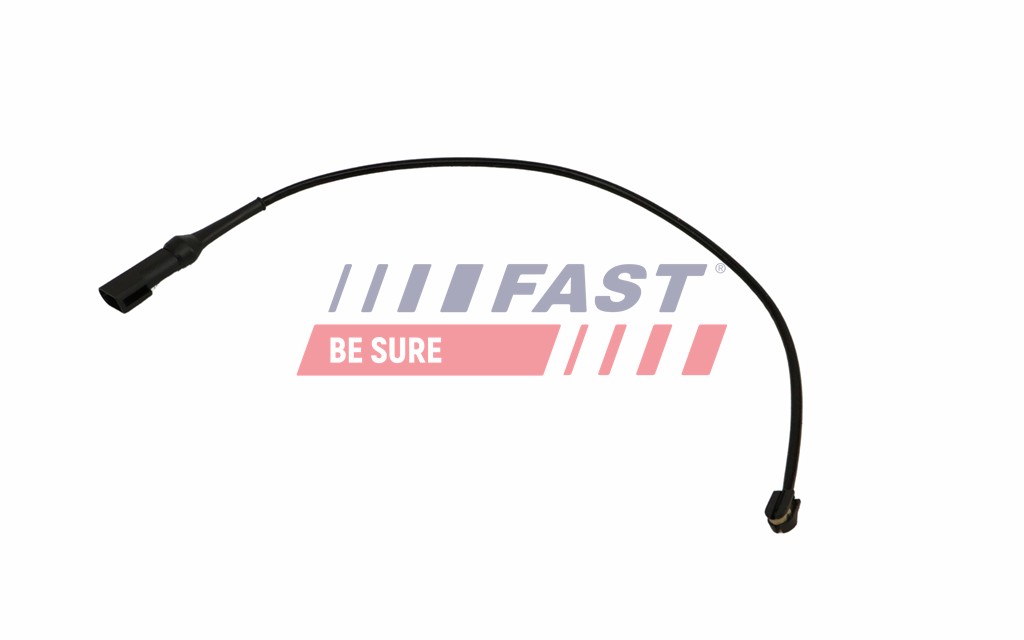
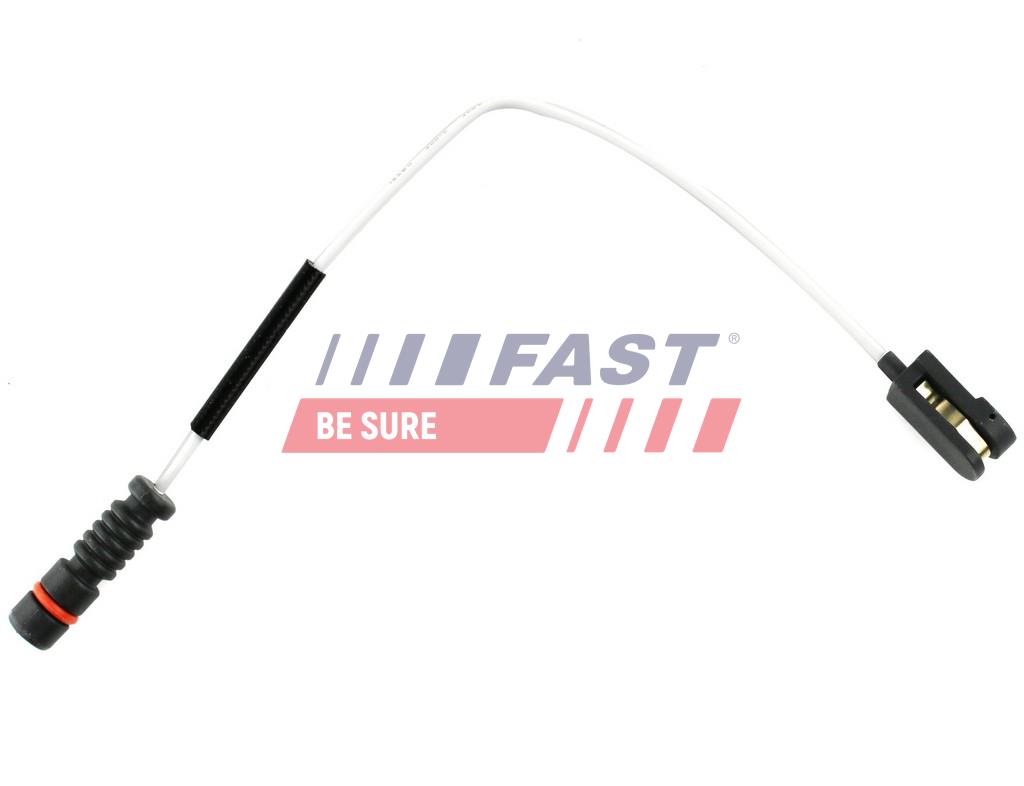
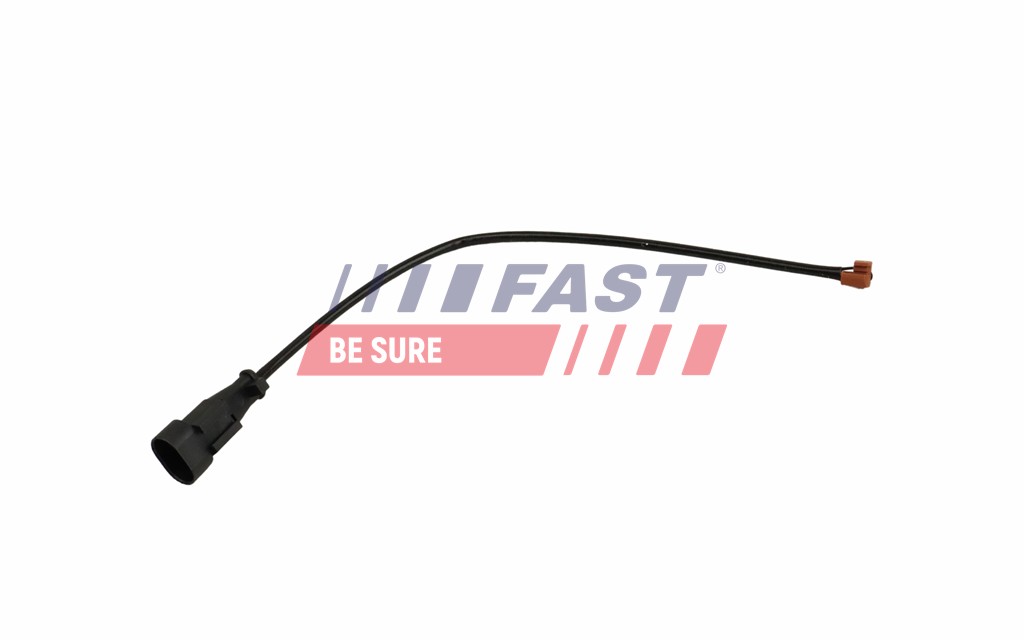
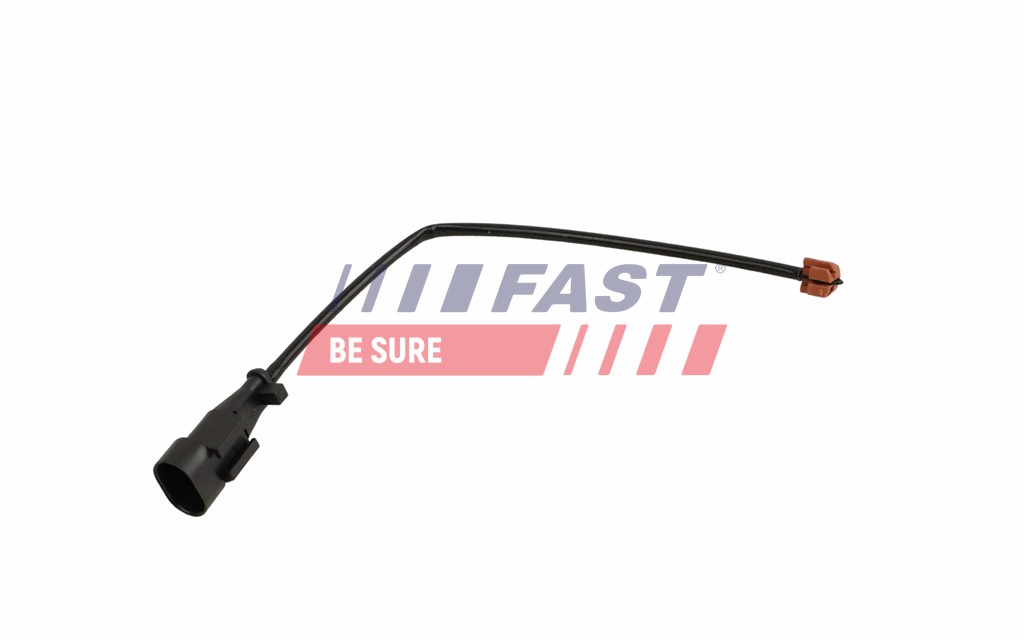
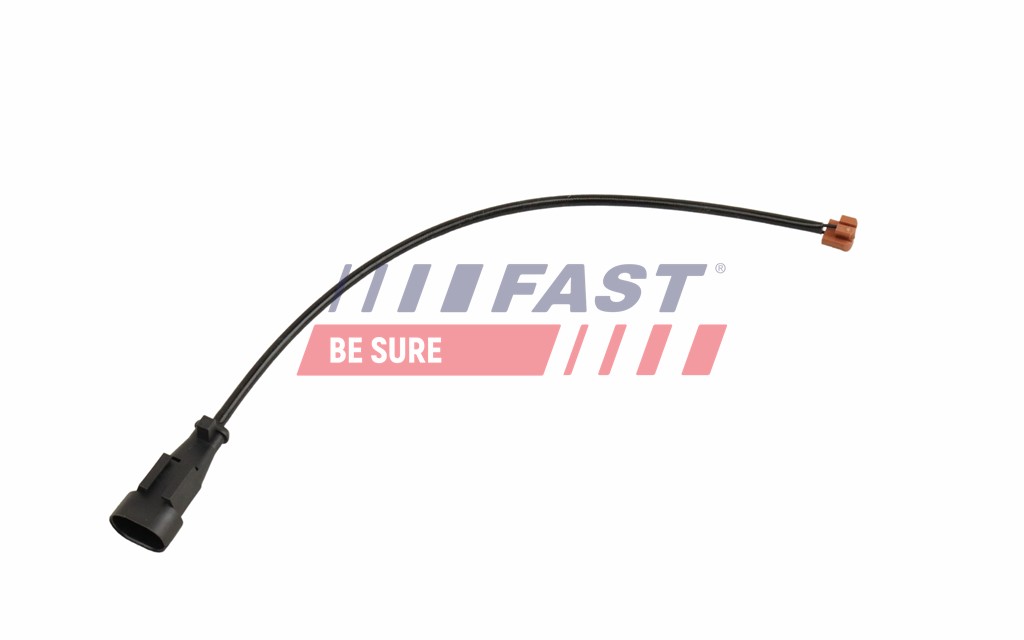
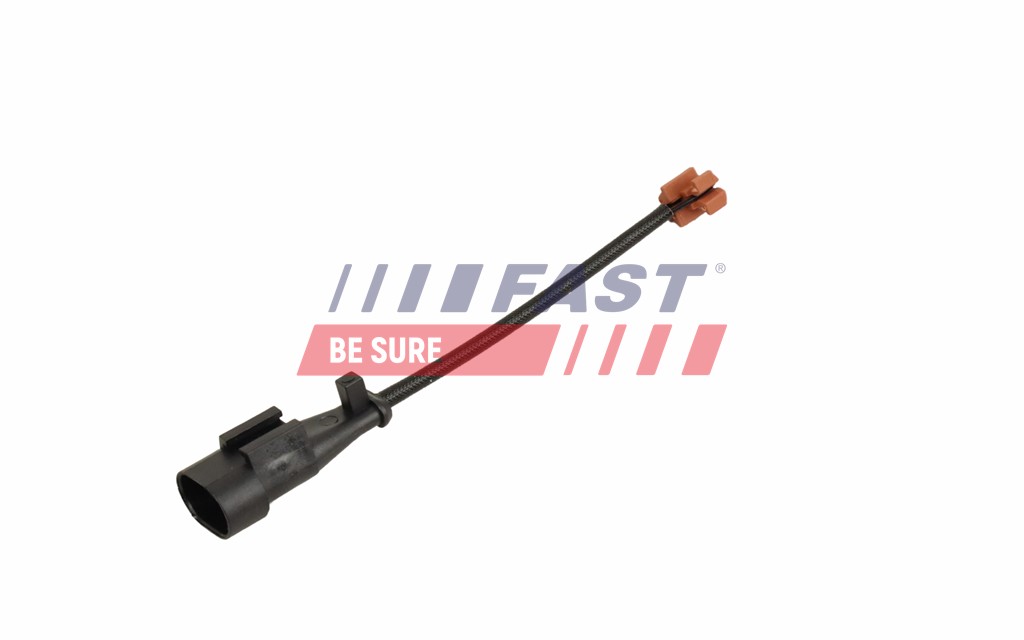
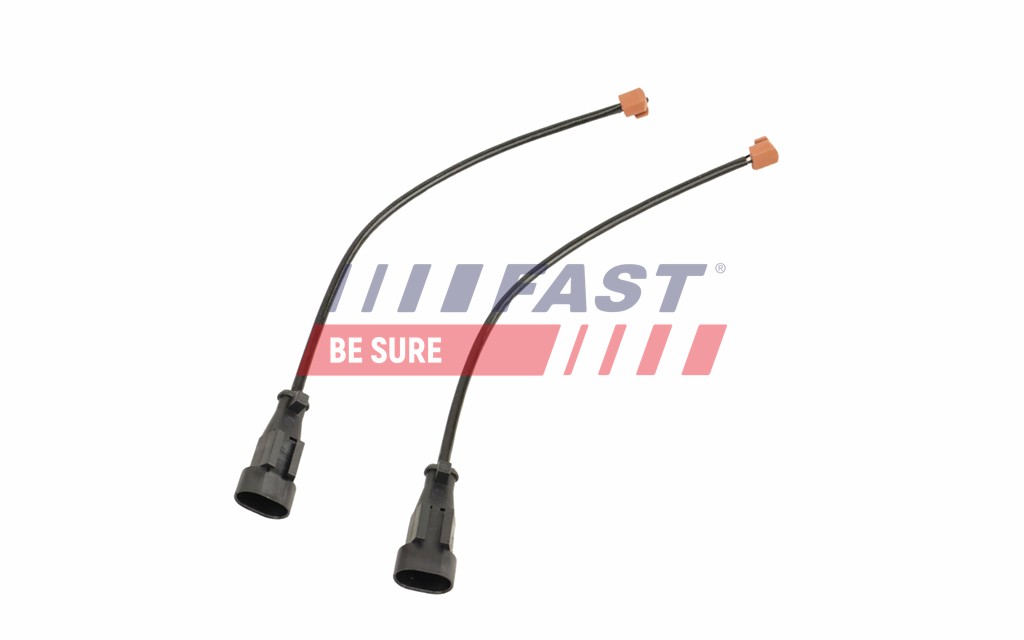
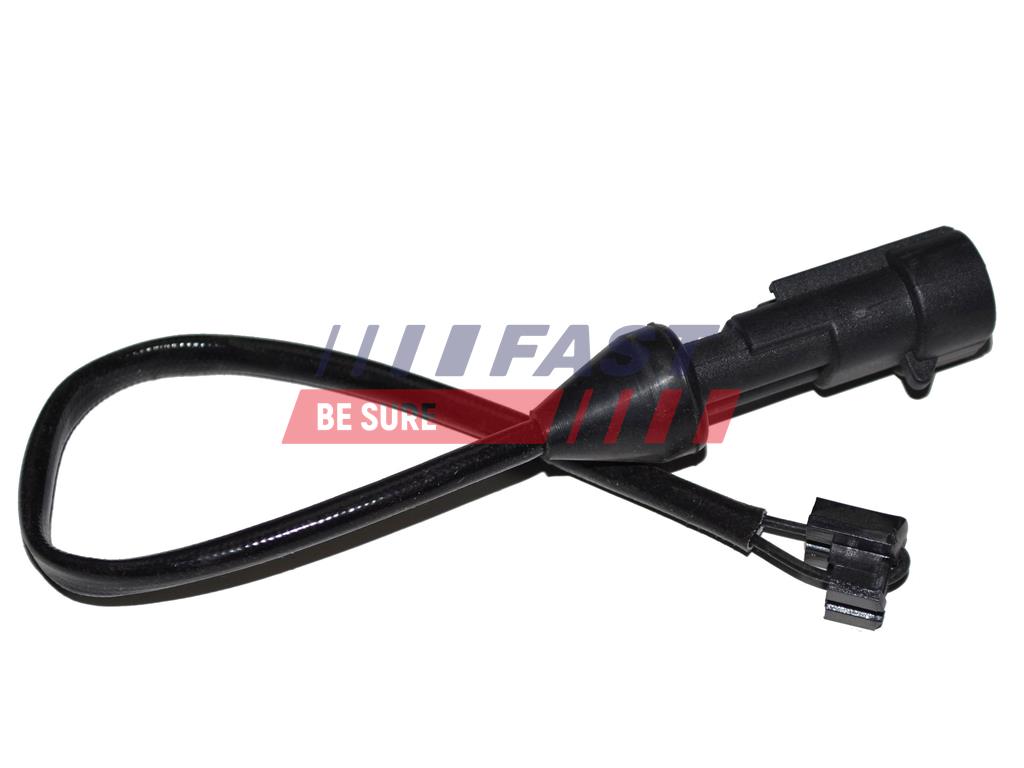
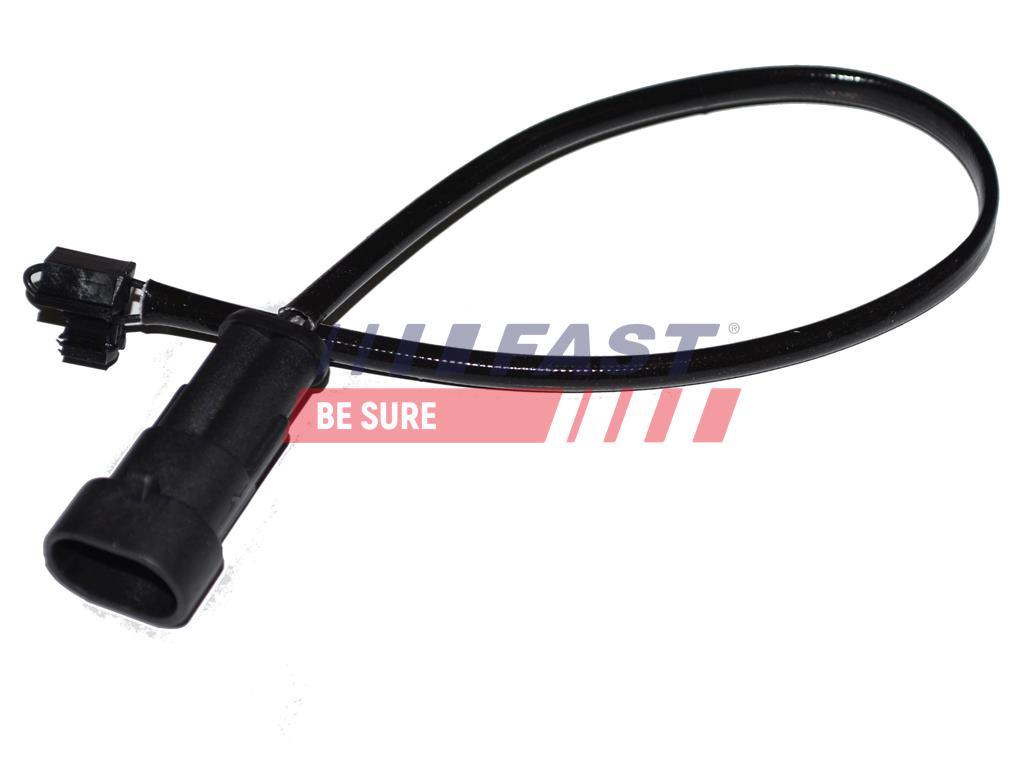
The brake pad sensor is vital for your vehicle’s safety and performance, alerting drivers when brake pads need replacing. Explore our wide selection of premium brake pad sensors in the FAST original catalogue. Find the perfect fit for your car, ensuring optimal function and peace of mind. Discover top brands and benefit from our user-friendly interface to meet all your brake system needs-keeping you safe on the road.
Understanding the role of a brake pad sensor is essential for any vehicle owner committed to maintaining optimal braking performance and safety. A brake pad sensor is a sophisticated electronic device integrated into the braking system, serving as an early warning system for brake pad wear. As the brake pads begin to wear down from regular use, the sensor detects these changes, alerting the driver to the need for maintenance. This proactive approach allows for timely brake pad wear sensor replacement, averting potential damage to the braking system and ensuring the vehicle’s stopping power remains uncompromised. Unlike traditional brake systems that rely solely on visual inspections, modern vehicles equipped with brake pad sensors provide real-time feedback, enhancing driver awareness and promoting safer driving conditions. By continuously monitoring the thickness of the brake pads, the sensor ensures that the driver is informed well in advance of any critical wear, facilitating prompt action before the brake pads become dangerously thin. This not only prevents potential brake failure but also extends the life of the braking components, reducing long-term maintenance costs. Ultimately, the brake pad sensor is a vital component that not only safeguards vehicle performance but also enhances the overall driving experience by providing peace of mind and improved safety on the roads.
When it comes to a brake pad wear sensor replacement, recognising the signs of a failing sensor is crucial for maintaining optimal vehicle safety. Typically, a worn-out sensor will trigger the brake pad warning light on your dashboard, indicating that the brake pads have reached a critical wear point. At this stage, it’s essential to inspect the sensor and replace it promptly to ensure the continued effectiveness of your braking system. The replacement process involves a few key steps, starting with safely lifting the vehicle and removing the wheel to access the sensor. Once located, carefully disconnect the old sensor from the brake pad assembly, taking note of its routing to facilitate the installation of the new sensor. After affixing the replacement sensor, ensure it is securely connected to the brake pad and routed correctly to avoid any interference with moving parts. Once the new sensor is in place, it’s important to perform a brake pad warning light reset, which can usually be done via the vehicle’s onboard computer system or manually following the manufacturer’s guidelines for your specific model. For some vehicles, the process may involve turning the ignition to the accessory position and holding down the brake pedal until the warning light resets. This task may vary between models such as BMW, Mercedes, and others, so consulting the owner’s manual for precise instructions is advisable. By addressing brake pad wear sensor replacement promptly and correctly, you help maintain your vehicle’s stopping power and ensure safety on the road.
Investing in high-quality front brake pad sensor wires is essential for ensuring the reliability and safety of your vehicle’s braking system. These wires play a critical role in transmitting accurate data from the brake pad sensor to the vehicle’s onboard computer system, alerting the driver when the brake pads are worn and need replacement. Using substandard wires can lead to inaccurate readings, compromising your ability to maintain optimal braking performance. Reliable sensors, such as the BMW brake pad wear sensor, are designed to withstand harsh driving conditions and deliver precise information, preventing potential brake failures. Quality sensor wires ensure that signals are correctly interpreted, allowing for timely maintenance and reducing the risk of unexpected brake issues. Therefore, prioritising premium front brake pad sensor wires not only protects your vehicle but also enhances overall driving safety.
The brake wear sensor warning light indicates that your vehicle’s brake pads have worn down to a level requiring replacement. This system alerts you to perform maintenance before the pads become too thin, ensuring continued braking efficiency and safety.
Yes, it’s advisable to replace the brake pad wear sensor each time you change the brake pads. These sensors are designed to wear out alongside the pads and may not function correctly if reused, potentially leading to inaccurate warnings or system malfunctions.
A brake pad wear sensor monitors the thickness of your brake pads. As the pads wear down, the sensor eventually makes contact with the brake rotor, completing an electrical circuit that triggers the warning light on your dashboard, indicating it’s time to replace the brake pads.

Dołącz do naszego newslettera. Dlaczego warto? Co tydzień masa nowości produktowych, których nie możesz przeoczyć. Wystarczy podać swój adres e-mail i korzystać z dostępu do bazy nowych produktów marki Fast. Portfolio marki rozrasta się nawet o kilkadziesiąt produktów tygodniowo. Nie trać możliwości powiększenia swojej oferty o nowe kody FAST, zarejestruj się już teraz!