
PRZEWÓD PALIWA MERCEDES SPRINTER 06> 906 POWROTNY 2.1 411 CDI 09>

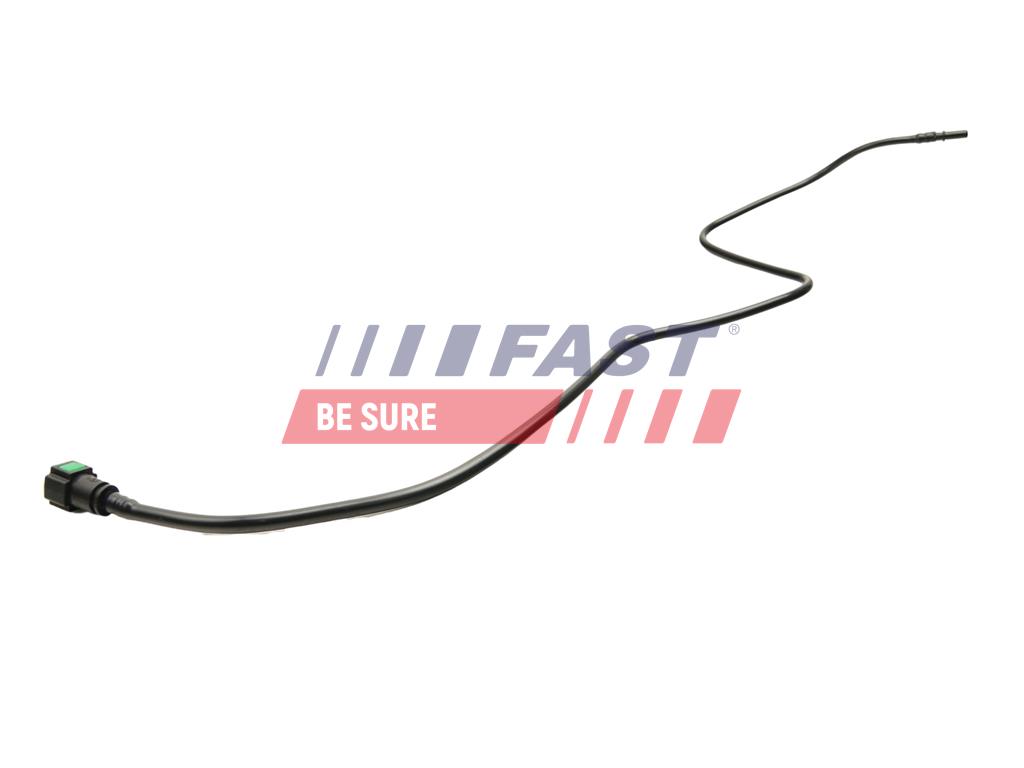
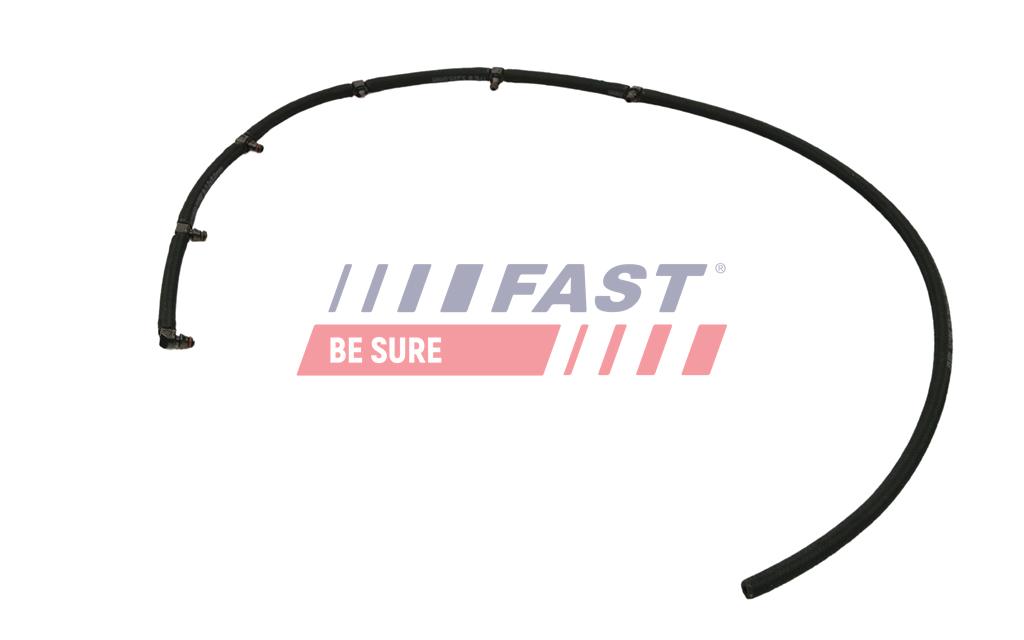
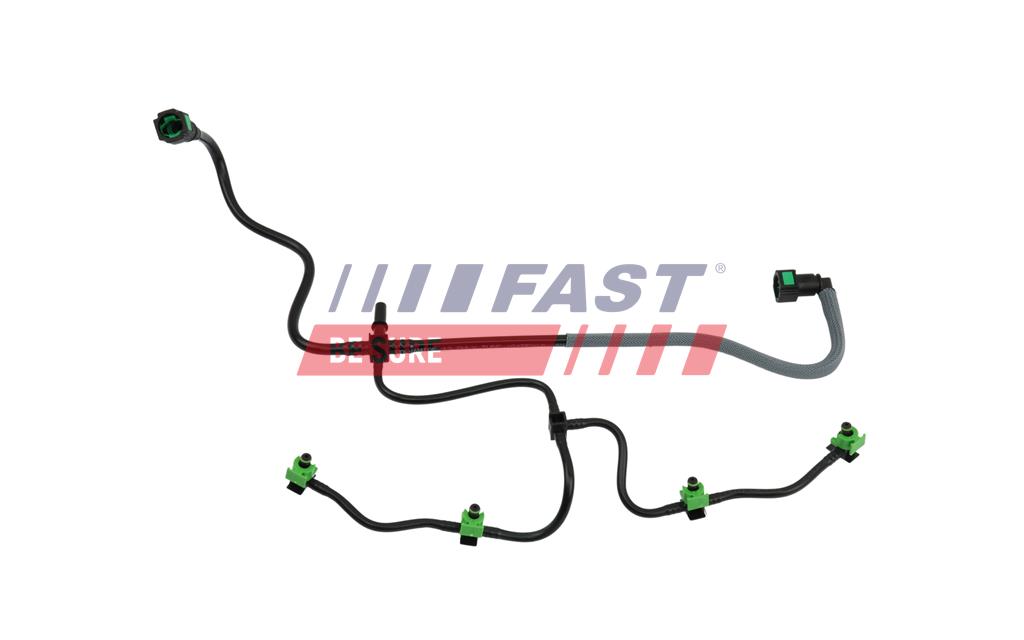
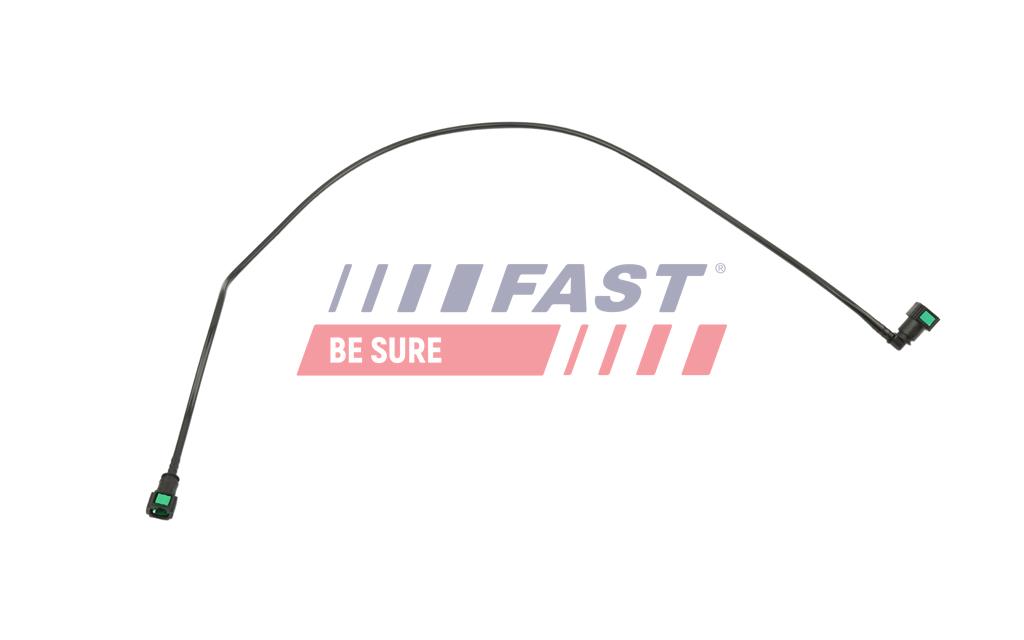
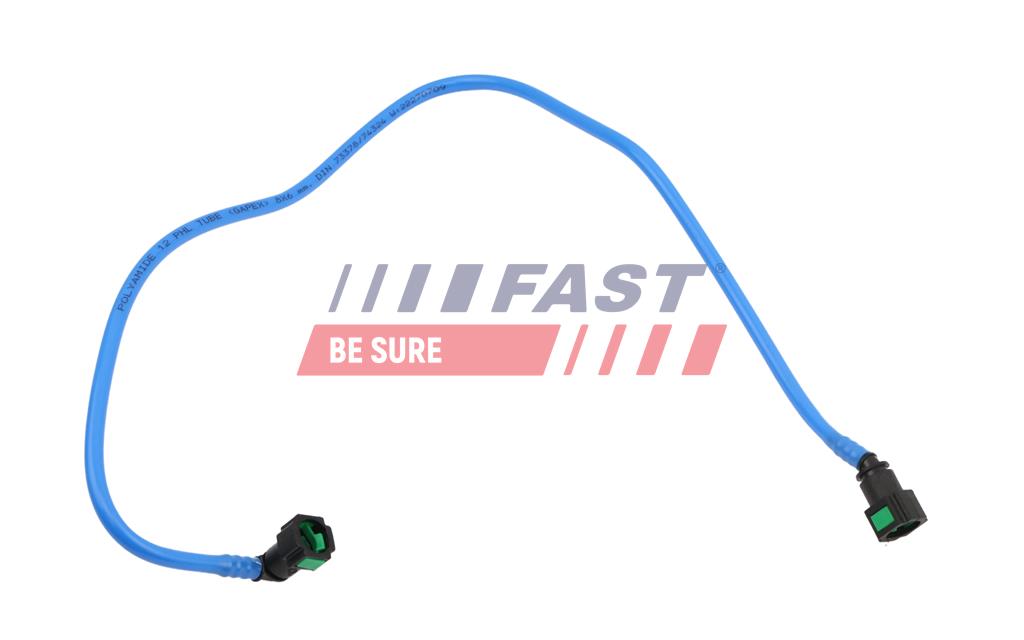


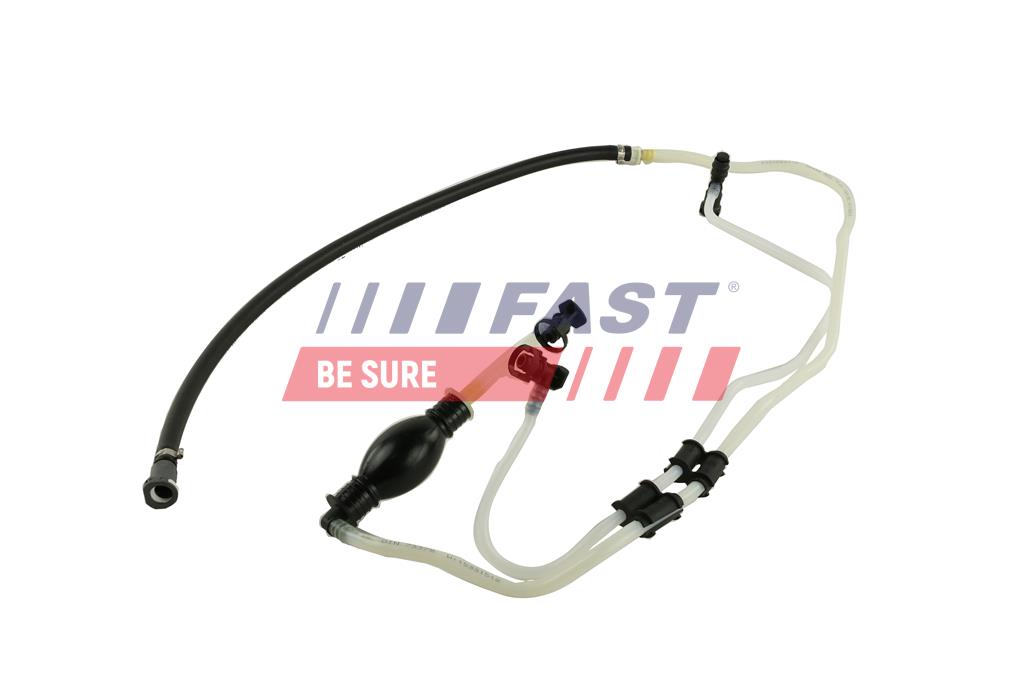
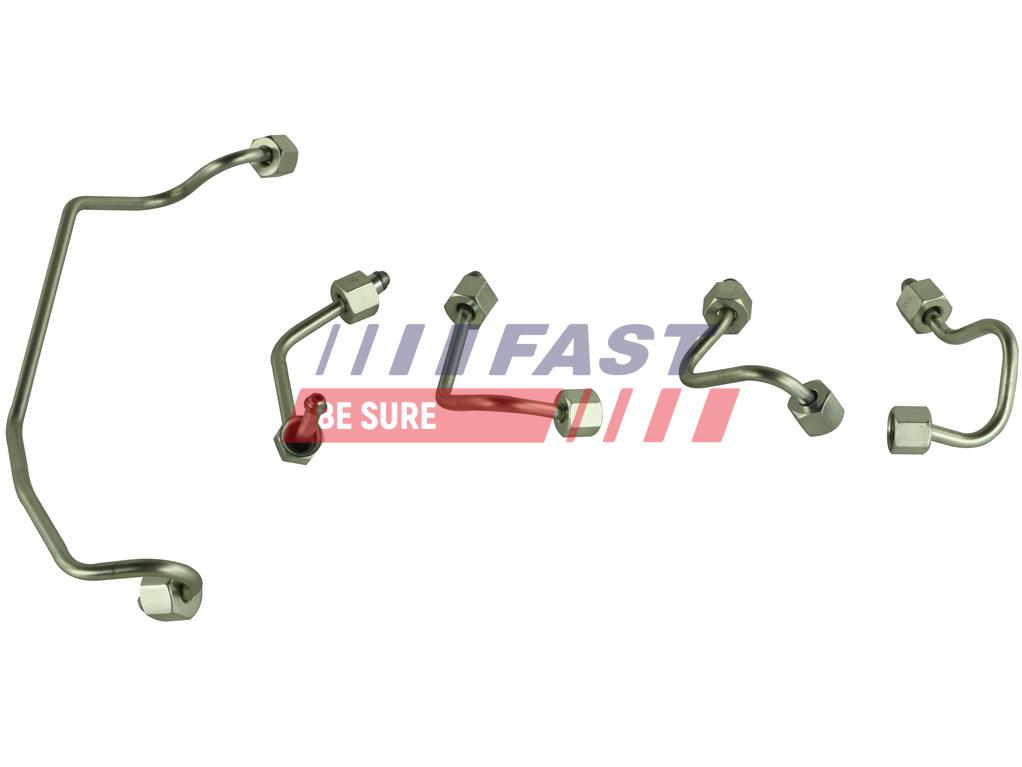
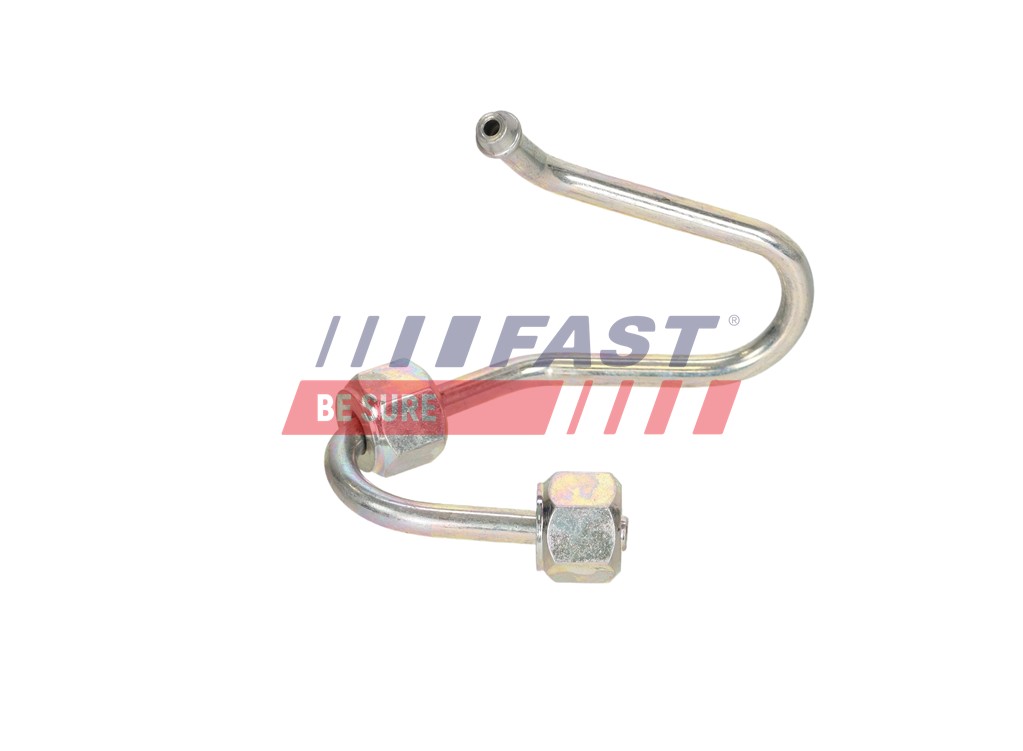
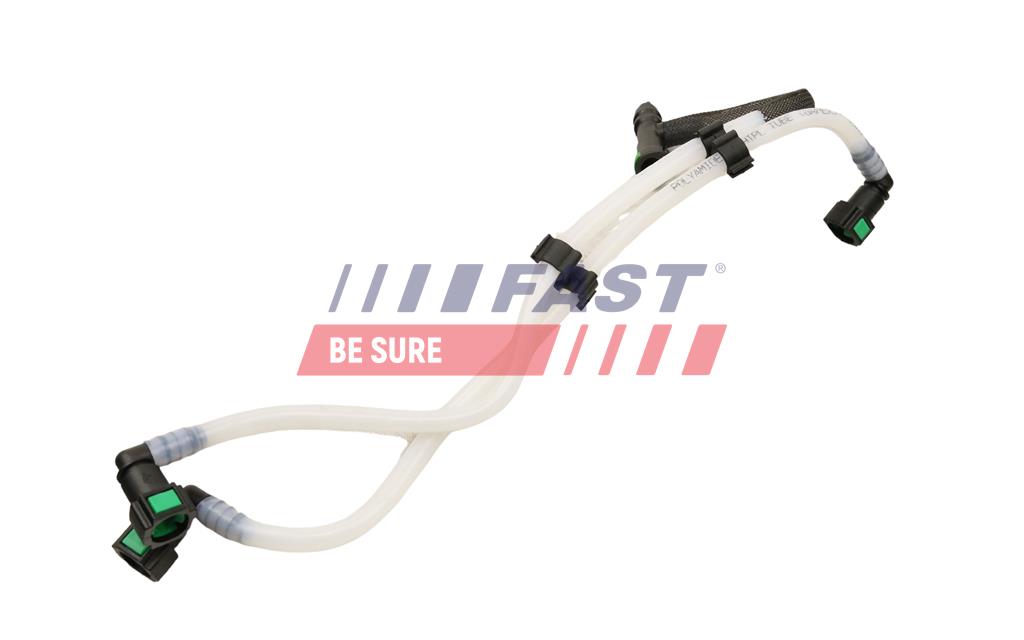
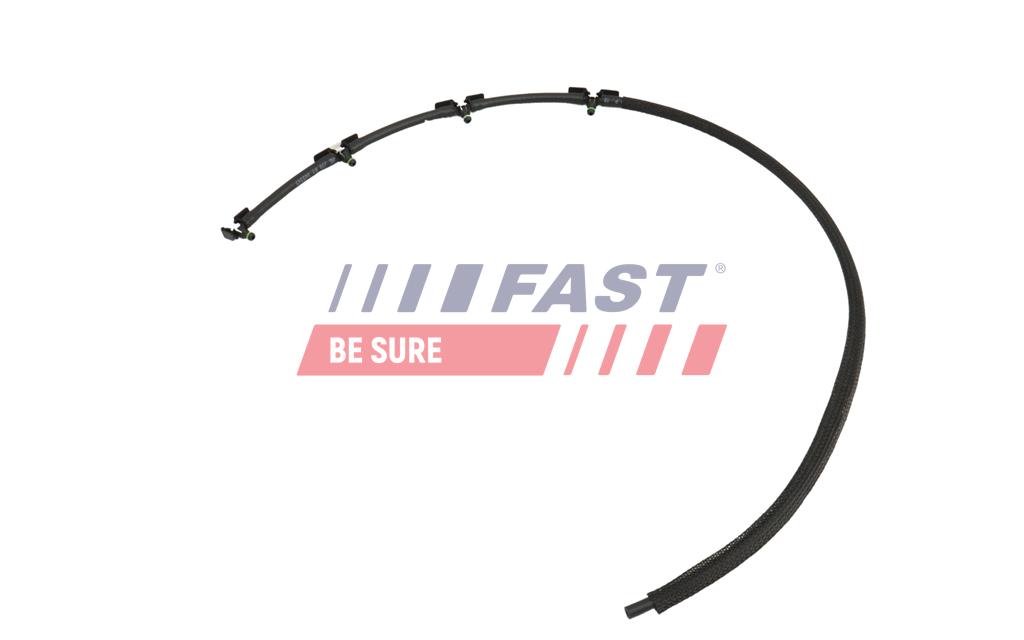
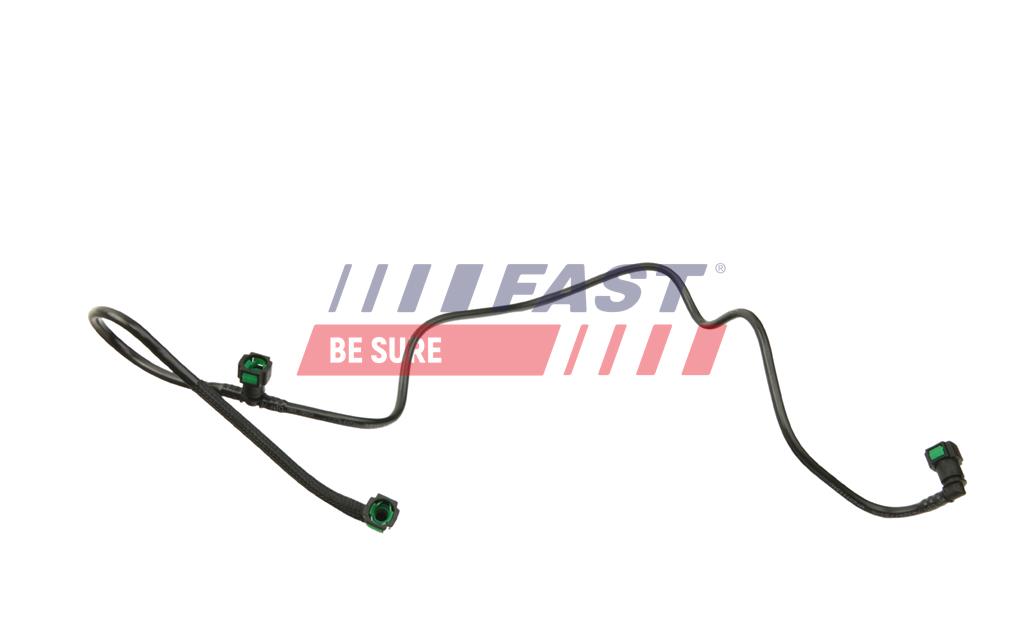
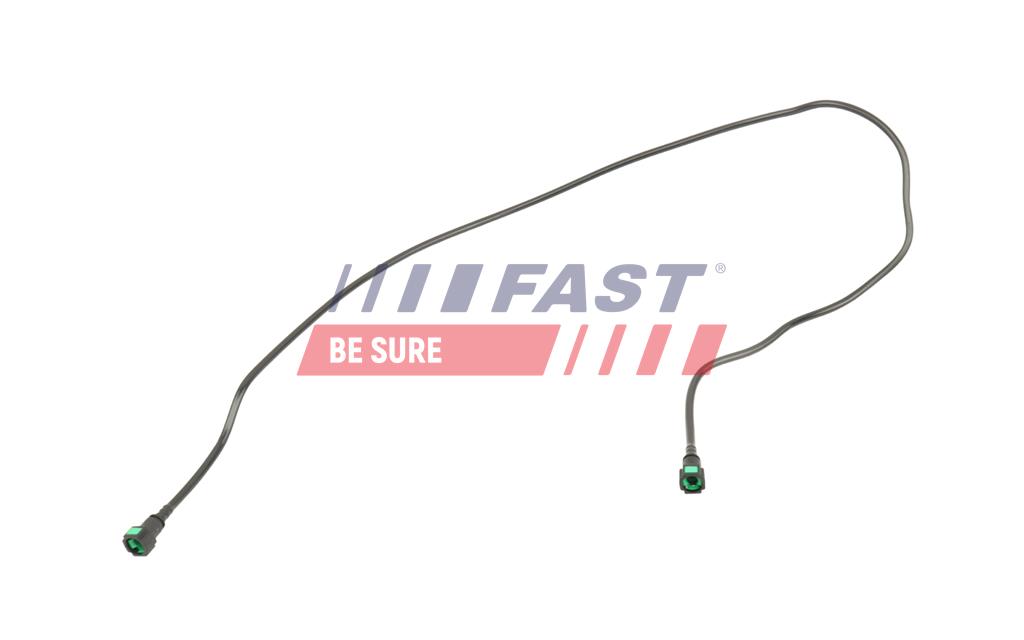
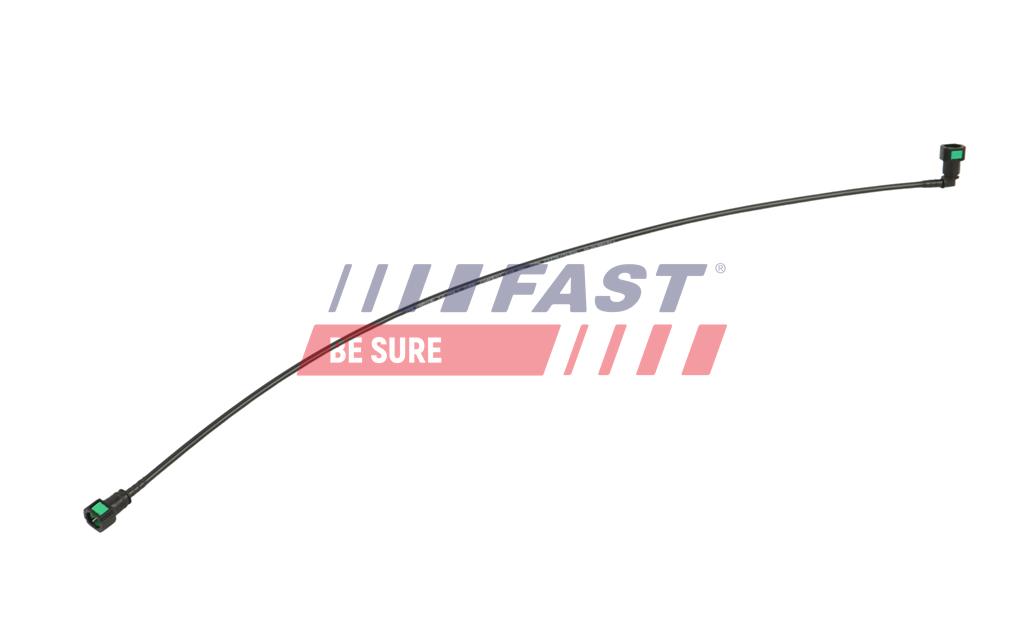
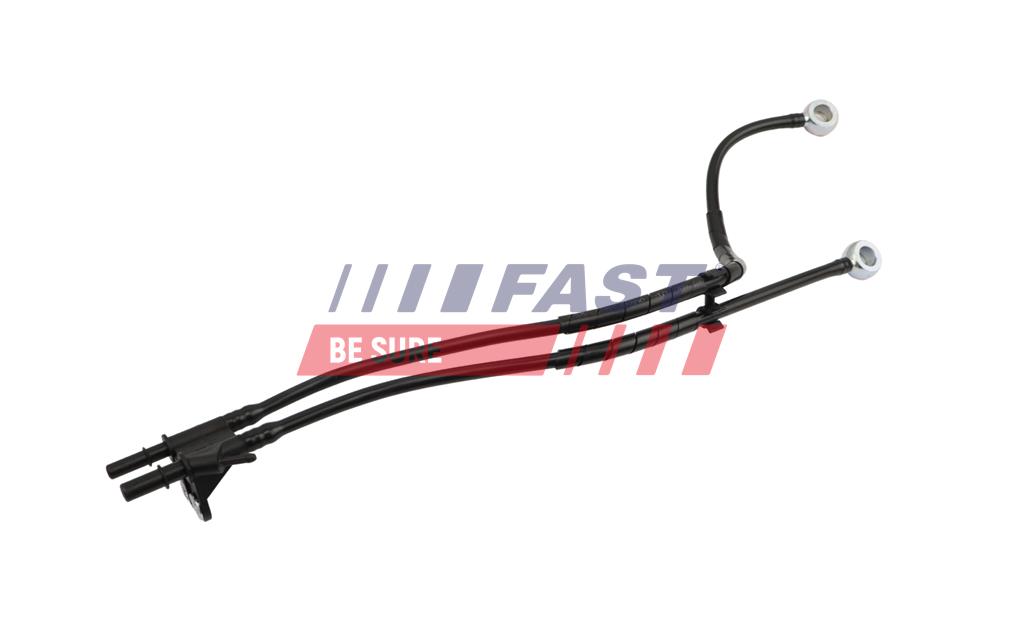
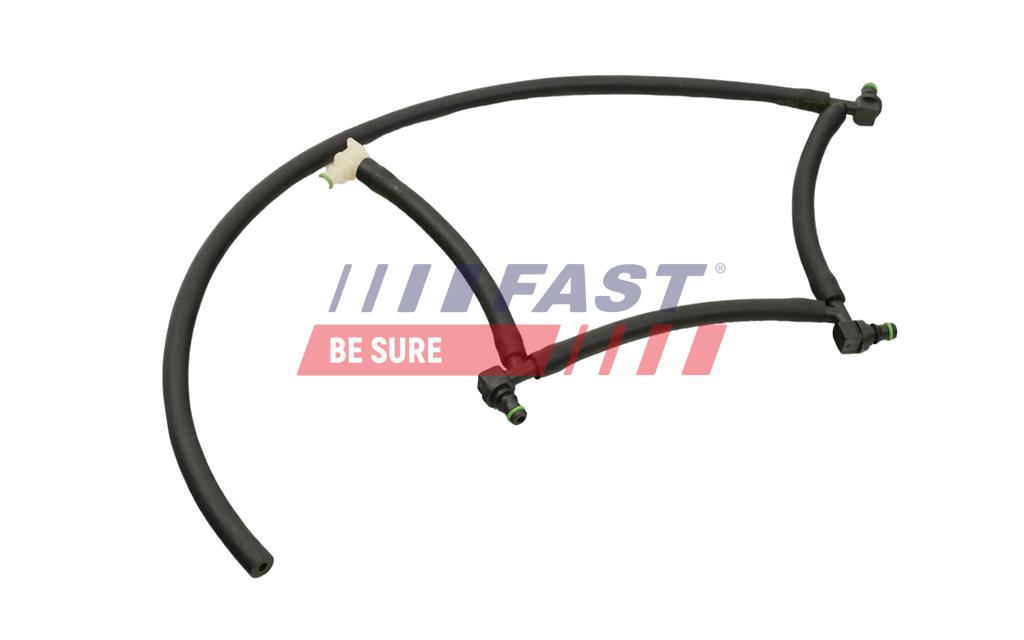

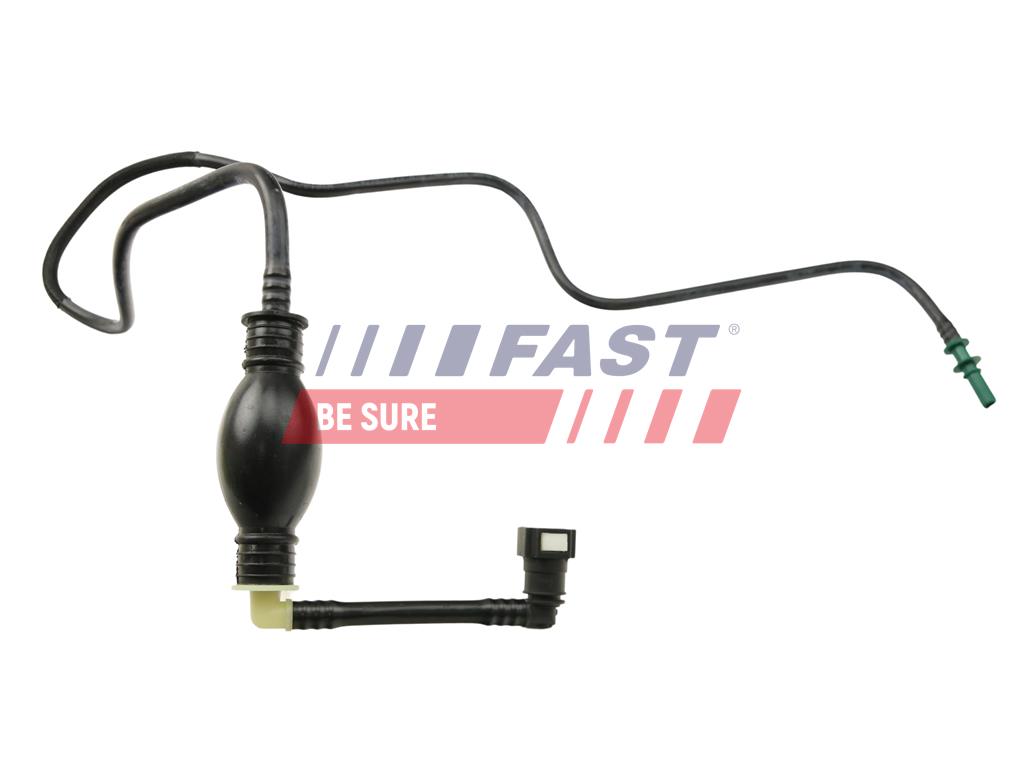
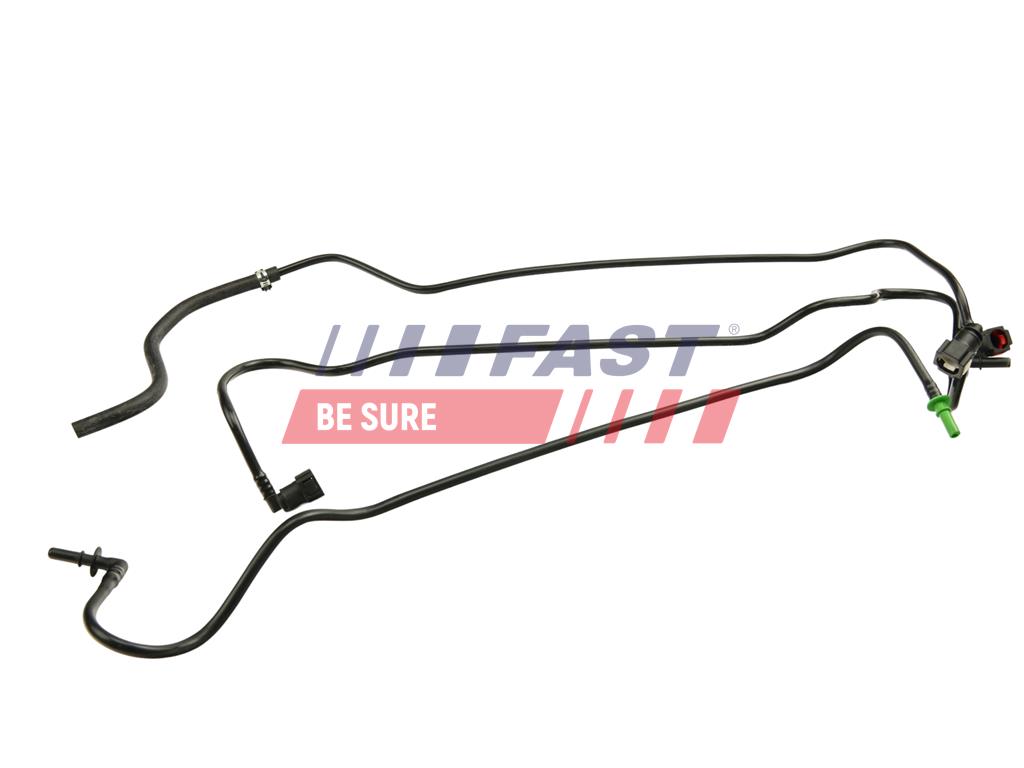
Ensure your vehicle runs smoothly by understanding the key role fuel lines play in your fuel system. Our comprehensive selection of high-quality replacements will meet all your needs, whether you’re tackling a rusted fuel line replacement or upgrading with a reliable fuel injection hose. Explore our FAST original catalogue today, boasting precision-fit options from top brands, and keep your vehicle in peak condition. Dive in and equip yourself with the best – your engine deserves it!
Fuel lines are integral to the efficient functioning of any vehicle’s fuel system, acting as the vital conduit that transports fuel from the tank directly to the engine. This seamless transportation is crucial for maintaining optimal engine performance and ensuring that fuel is used efficiently, impacting both the vehicle’s power output and its fuel economy. Without well-maintained fuel lines, engines can suffer from reduced performance, increased emissions, and even potential damage over time. Thus, ensuring the integrity of these lines is paramount for both vehicle longevity and operational efficiency. For those facing issues such as wear and tear or corrosion, especially in older vehicles, a rusted fuel line replacement becomes essential to prevent leaks and maintain safety. Fortunately, there are numerous solutions available, including the handy fuel line repair kit, perfect for addressing minor issues before they escalate. These kits are an invaluable resource for maintaining the health of fuel lines, allowing for quick and easy fixes that can extend the life of the vehicle’s fuel system. In summary, investing time and resources into the maintenance of fuel lines not only enhances engine performance but also contributes significantly to the overall durability and economy of the vehicle, making it a critical aspect of automotive care that should never be overlooked.
Selecting the right fuel lines and fittings is vital for ensuring the operational efficiency and safety of both passenger and commercial vehicles. With a vast array of makes and models on the market, choosing fuel lines that perfectly match your vehicle’s specifications is crucial. High-quality options not only provide a precise fit but also safeguard against potential fuel leaks or inefficiencies. One important component to consider is the nylon fuel line fittings, known for their durability and resistance to wear and tear. These fittings are essential for creating a secure connection, contributing significantly to the overall safety of the fuel system. Additionally, the use of a robust fuel injection hose is key for vehicles with advanced fuel delivery systems, providing the necessary pressure resistance and flexibility. Ensuring compatibility with your specific vehicle model is equally important; hence, consulting comprehensive catalogues and seeking expert advice can help in making the right choice. The FAST original catalogue offers a diverse selection that caters to a wide range of vehicle brands, ensuring compliance with industry standards for reliability. By prioritising the quality and compatibility of your fuel lines and fittings, you can maintain optimal vehicle performance while enhancing safety, making it an indispensable part of vehicle maintenance.
Maintaining your vehicle’s fuel system is essential for ensuring its longevity and performance. Regular inspections of fuel lines can prevent potential issues before they arise, allowing you to identify signs of wear or damage early. Timely replacement of worn fuel lines and related components helps to avoid costly repairs and ensures that your vehicle continues to function optimally. Using a fuel line repair kit can provide quick and efficient solutions for minor issues, preventing them from escalating into major problems. Additionally, replacing a fuel injection hose when necessary is crucial for avoiding fuel leaks and maintaining the appropriate pressure levels within the system. By adhering to these best practices, you can enhance the safety and efficiency of your vehicle’s fuel system, ensuring it remains in peak condition over time.
Detecting a fuel leak involves several steps. Start by inspecting the fuel lines for visible signs such as wet spots, stains, or puddles beneath the vehicle. A strong smell of petrol can also indicate a leak. For a more thorough check, elevate the vehicle safely and examine the fuel lines with a torch, looking for areas with dust buildup or wetness. Additionally, adding a fluorescent dye to the fuel can help identify leaks under a black light. If you suspect a leak, it’s crucial to address it promptly to prevent potential hazards.
Modern fuel lines are designed to be resistant to ethanol, accommodating the ethanol blends commonly found in today’s fuels. Materials such as nitrile rubber (NBR) and polytetrafluoroethylene (PTFE) are commonly used due to their excellent resistance to ethanol and other fuel additives. However, older fuel lines, especially those made from natural rubber or certain plastics, may not be compatible with ethanol-blended fuels and can degrade over time. It’s advisable to check the specifications of your fuel lines and replace them with ethanol-resistant options if necessary.
Replacing a rusted fuel line requires careful attention to safety and detail. Begin by relieving the fuel system pressure and disconnecting the battery to prevent accidental ignition. Safely elevate the vehicle and locate the rusted section of the fuel line. Using appropriate tools, remove the damaged section, ensuring to catch any residual fuel. Install a new, compatible fuel line, securing it with proper fittings and clamps. After installation, check for leaks by pressurising the fuel system before starting the engine. If you’re not confident in performing this task, it’s recommended to seek professional assistance.

Dołącz do naszego newslettera. Dlaczego warto? Co tydzień masa nowości produktowych, których nie możesz przeoczyć. Wystarczy podać swój adres e-mail i korzystać z dostępu do bazy nowych produktów marki Fast. Portfolio marki rozrasta się nawet o kilkadziesiąt produktów tygodniowo. Nie trać możliwości powiększenia swojej oferty o nowe kody FAST, zarejestruj się już teraz!