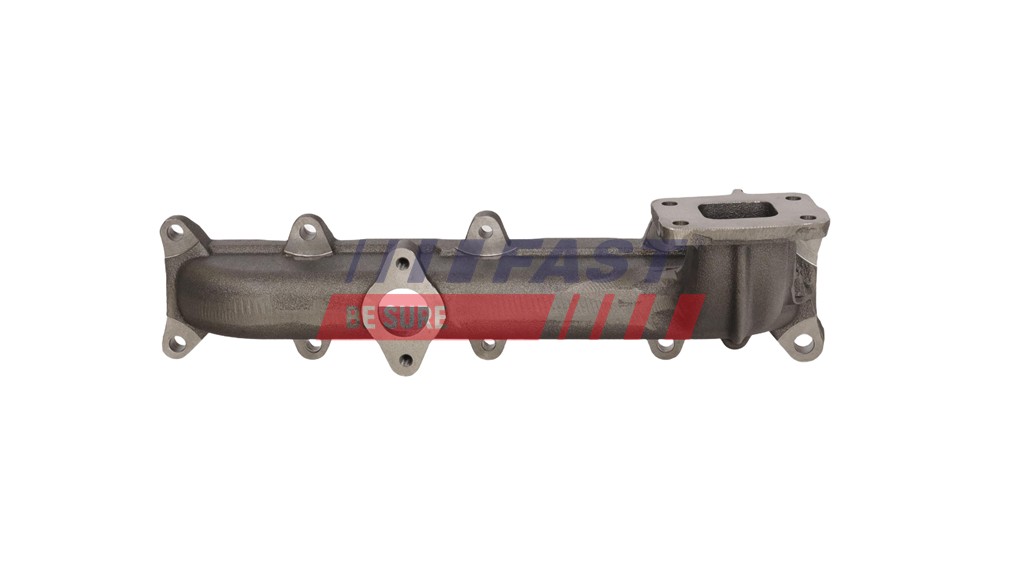
KOLEKTOR WYDECHOWY IVECO DAILY 00> 3.0

Discover how a high-quality exhaust manifold can transform your vehicle’s efficiency and performance. At FAST original, we offer a comprehensive range of exhaust manifolds for various makes and models. Whether you’re considering the cost of a replacement or exploring the benefits of headers versus manifolds, our selection ensures the perfect fit for your needs. Stay informed and keep your vehicle in top shape by choosing reliable parts and unmatched quality. Find your perfect exhaust solution today!
The exhaust manifold plays a pivotal role in enhancing your vehicle’s engine performance by efficiently directing exhaust gases from the engine’s cylinders to the exhaust system. This critical component ensures that exhaust gases are expelled quickly and effectively, which is essential for maintaining optimal engine performance. A properly functioning exhaust manifold optimises the flow of these gases, preventing backpressure and allowing the engine to breathe more freely. By doing so, it not only supports improved fuel efficiency but also helps to reduce harmful emissions, which is crucial for meeting environmental regulations and ensuring a cleaner ride.
However, when issues arise, such as cracks or leaks in the manifold, it can lead to a variety of problems that affect performance. Common cracked exhaust manifold symptoms include unusual noises, such as ticking or tapping sounds, which may become more pronounced as the engine warms up. Additionally, you might notice a decrease in engine performance, as the engine struggles to expel exhaust gases efficiently, leading to a drop in power output. If left unaddressed, these symptoms can further escalate, causing increased fuel consumption and potentially leading to more significant engine damage. Therefore, it is vital to pay attention to these indicators and ensure your exhaust manifold is in excellent condition to maintain your vehicle’s performance and longevity.
Understanding the exhaust manifold replacement process is essential for vehicle owners who wish to maintain their car’s performance and efficiency. Over time, the manifold may suffer from damage or wear due to extreme heat and pressure, necessitating a replacement. The exhaust manifold replacement cost can vary significantly depending on the make and model of the vehicle, as well as the complexity of the manifold’s design.
Simple replacements might be straightforward and relatively affordable, but if the manifold is made from materials like cast iron, it might require specialised services such as cast iron manifold welding when cracks are present. When considering a replacement, it’s important to first diagnose the extent of the damage. If the manifold is merely cracked, repairs can sometimes be made through welding, which can be a cost-effective solution. However, severe damage or significant wear may compel a complete replacement to ensure effective exhaust gas management. The replacement process typically involves removing the existing manifold, preparing the engine for the new component, and ensuring a precise fit to prevent leaks and maintain optimal engine functionality. Professional installation is often recommended to avoid errors that could lead to further issues. By understanding the nuances of the replacement process, vehicle owners can make informed decisions regarding maintenance and repairs, ensuring their exhaust system continues to function efficiently.
When deciding between exhaust headers and manifolds, vehicle owners must consider the specific needs of their car and their driving preferences. The debate of exhaust headers vs manifold primarily centres around performance and cost. Exhaust manifolds are compact, cast from iron, and designed to serve as a cost-effective solution that manages exhaust gases from multiple cylinders into one pipe. They are sufficient for most standard driving needs and offer durability. However, they can be prone to issues such as cracks, leading to symptoms like unusual noises or reduced engine performance.
Exhaust headers, on the other hand, are designed to enhance performance by allowing exhaust gases to flow more freely from each cylinder, reducing backpressure. They are often constructed from stainless steel or other high-performance materials, which can offer a boost in horsepower and torque, making them an appealing choice for performance enthusiasts. However, they come at a higher cost compared to traditional manifolds. For those primarily using their vehicle for daily commuting, a standard exhaust manifold might suffice, while performance drivers looking for extra power might benefit from upgrading to headers. By understanding the differences, drivers can make informed decisions to best suit their vehicle’s requirements and their own expectations.
A cracked exhaust manifold can manifest through several indicators. Common signs include unusual noises such as hissing or tapping sounds from the engine bay, especially during acceleration. You might also experience decreased engine performance, including reduced power and acceleration. Additionally, a burning smell from the engine bay can occur if the escaping exhaust gases damage nearby components. It’s crucial to address these symptoms promptly to prevent further engine damage.
Yes, a faulty exhaust manifold can negatively impact fuel efficiency. A crack or leak in the manifold can lead to an exhaust leak, which may cause the engine to run inefficiently. This inefficiency often results in decreased power and acceleration, compelling the engine to consume more fuel to maintain performance levels. Consequently, you may notice a reduction in miles per gallon and increased fuel costs.
Exhaust manifolds are commonly constructed from either cast iron or stainless steel. Cast iron is traditionally used due to its durability and excellent heat resistance, making it suitable for standard vehicles. Stainless steel manifolds, on the other hand, are lighter and offer superior corrosion resistance, often found in performance or high-end vehicles. The choice between materials depends on factors such as vehicle type, performance requirements, and cost considerations.

Dołącz do naszego newslettera. Dlaczego warto? Co tydzień masa nowości produktowych, których nie możesz przeoczyć. Wystarczy podać swój adres e-mail i korzystać z dostępu do bazy nowych produktów marki Fast. Portfolio marki rozrasta się nawet o kilkadziesiąt produktów tygodniowo. Nie trać możliwości powiększenia swojej oferty o nowe kody FAST, zarejestruj się już teraz!