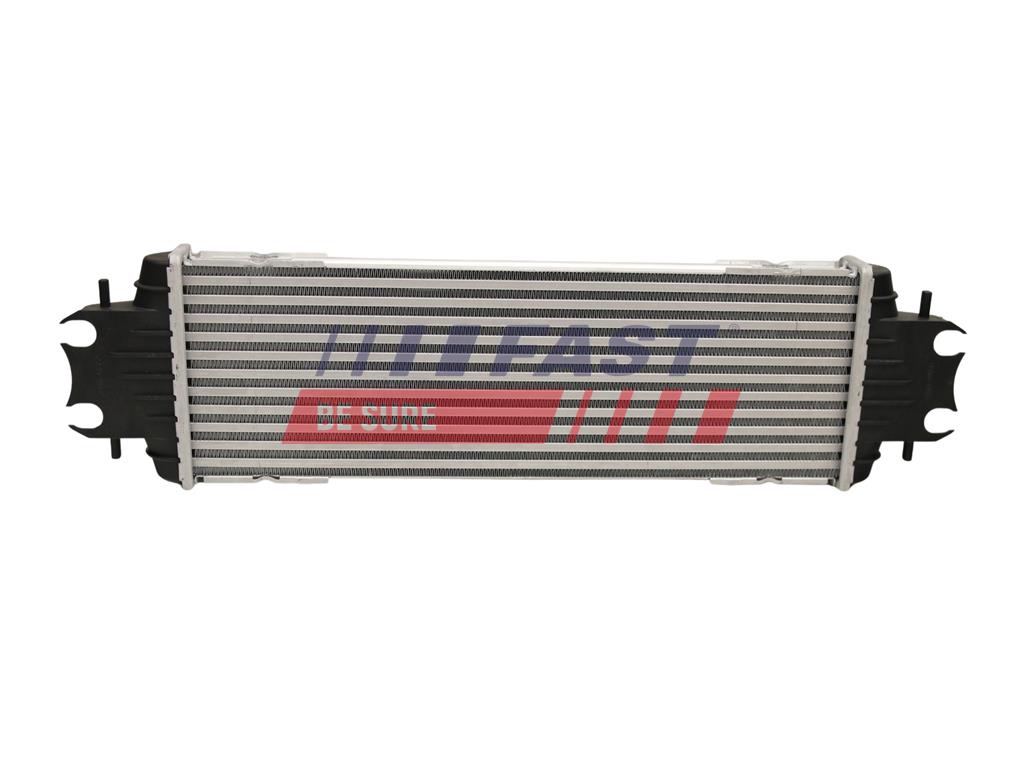
INTERCOOLER RENAULT TRAFIC 01> 1.9 dCi

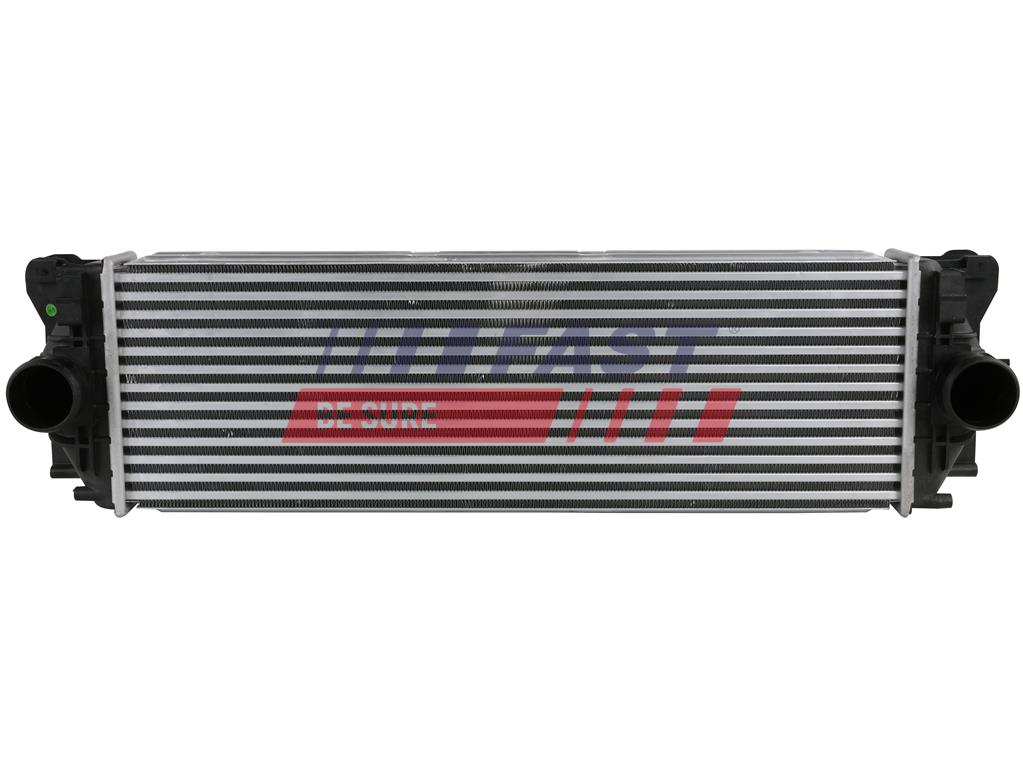
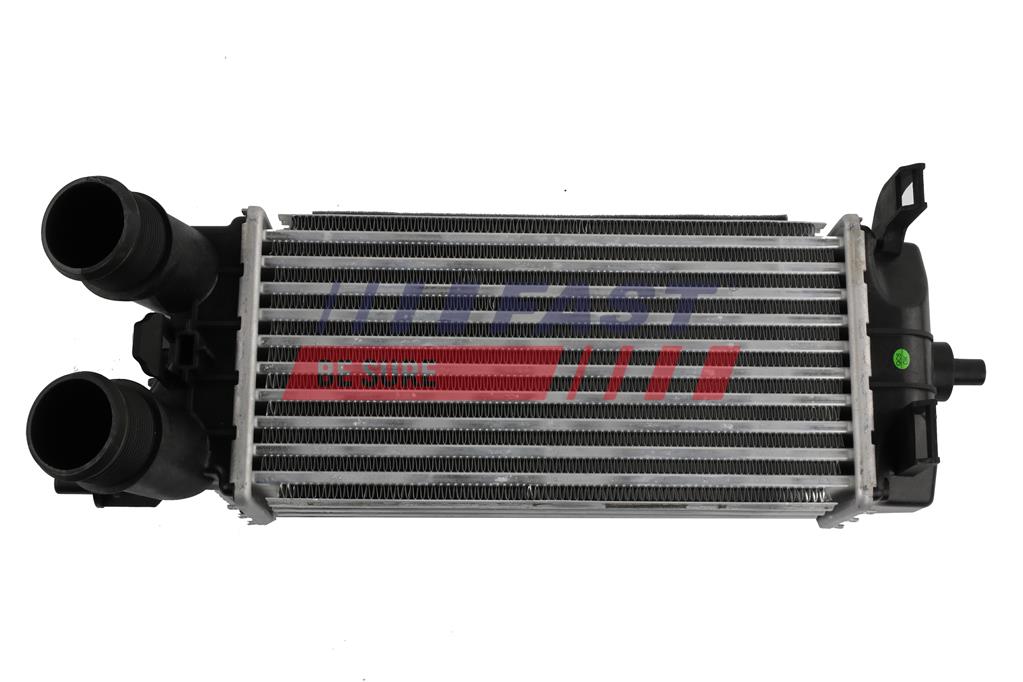
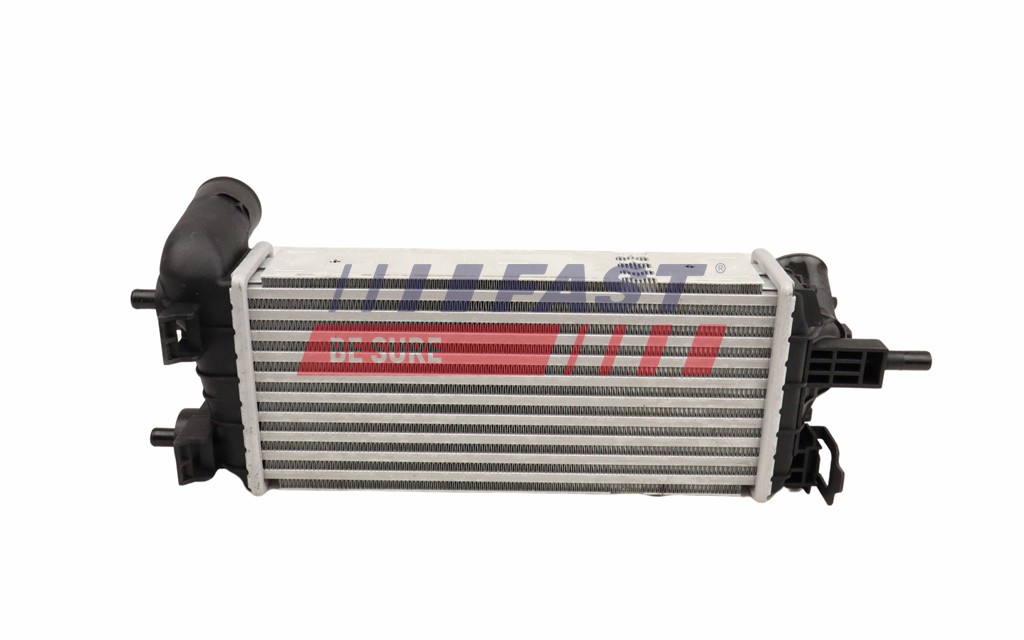
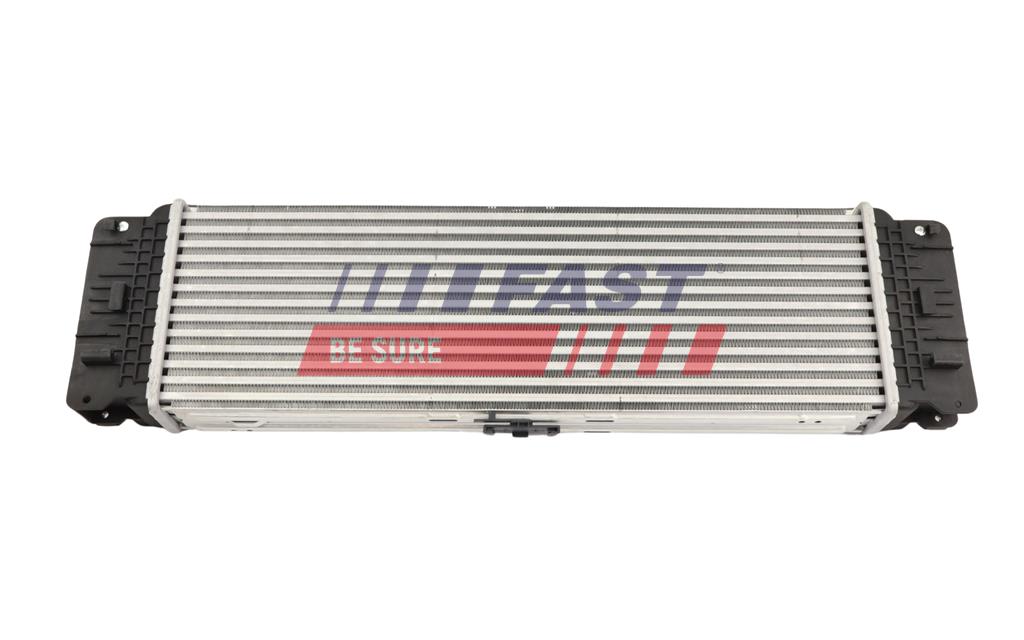
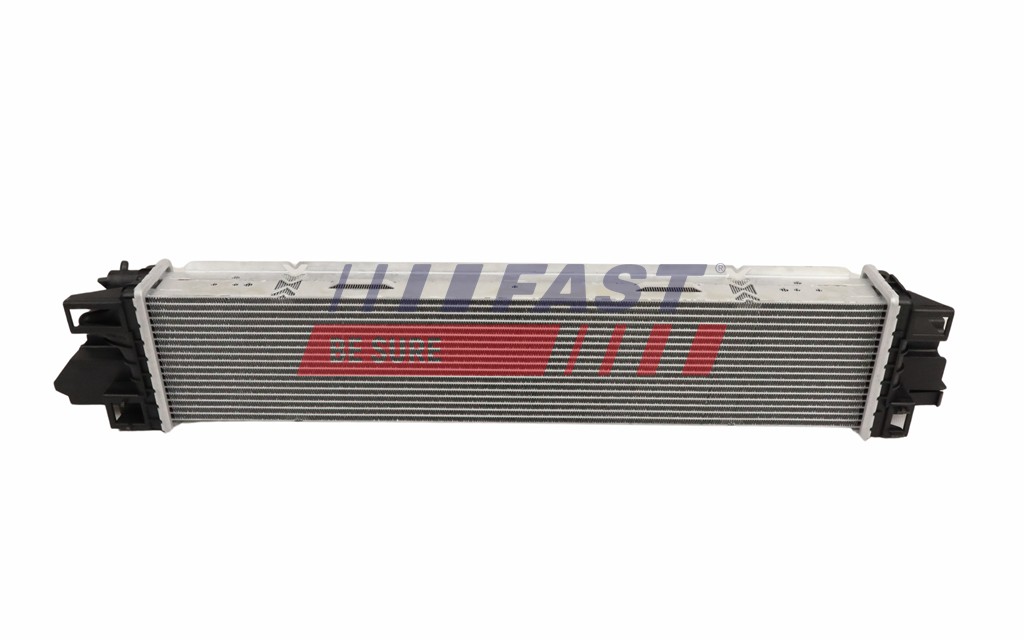
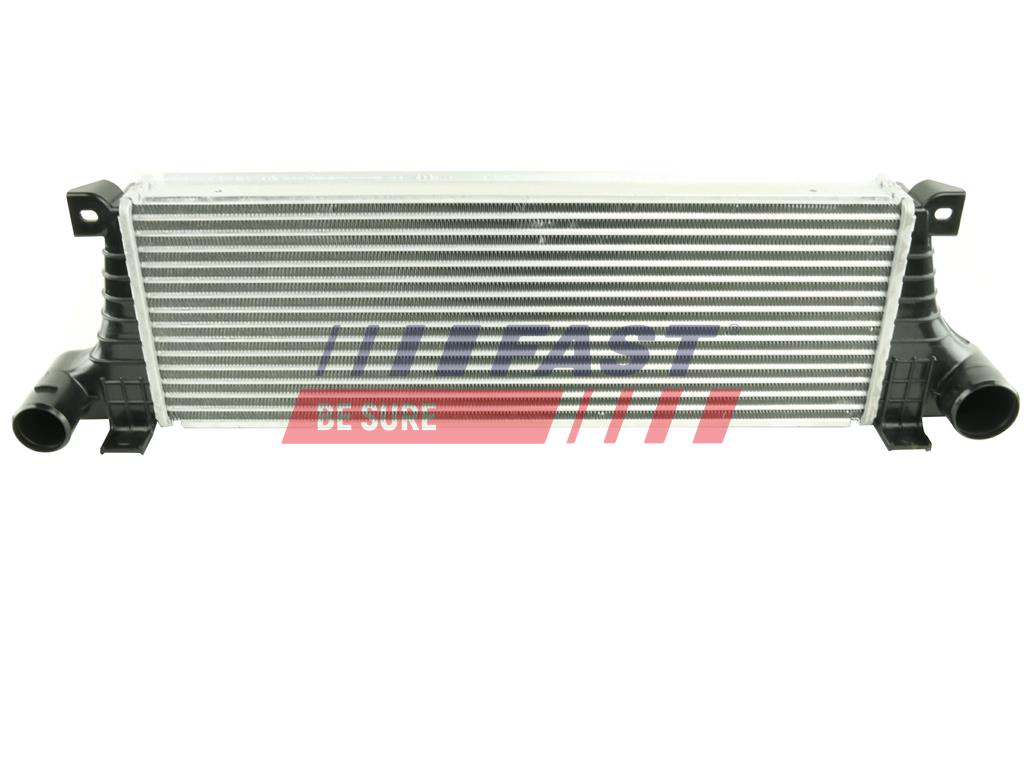
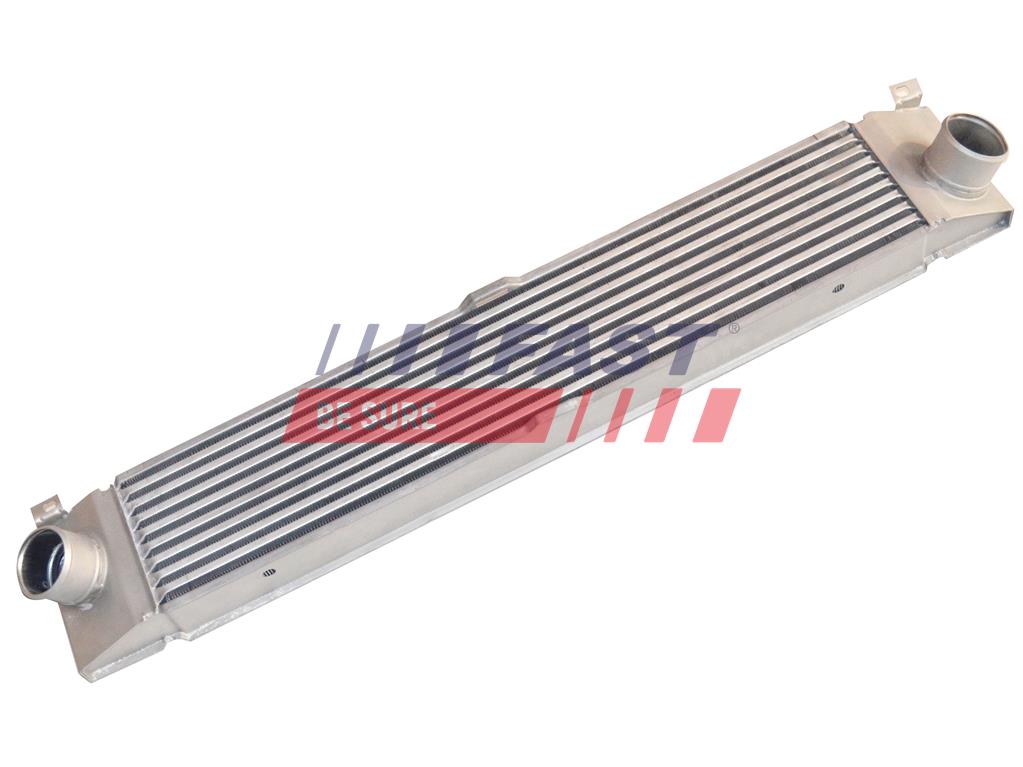
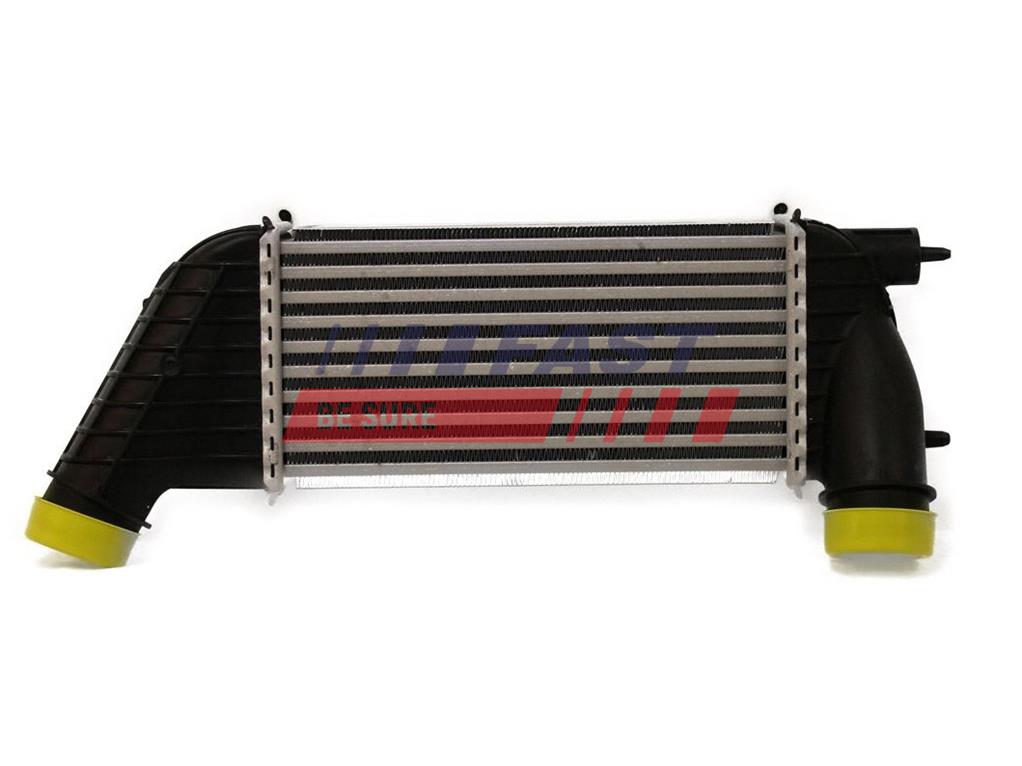
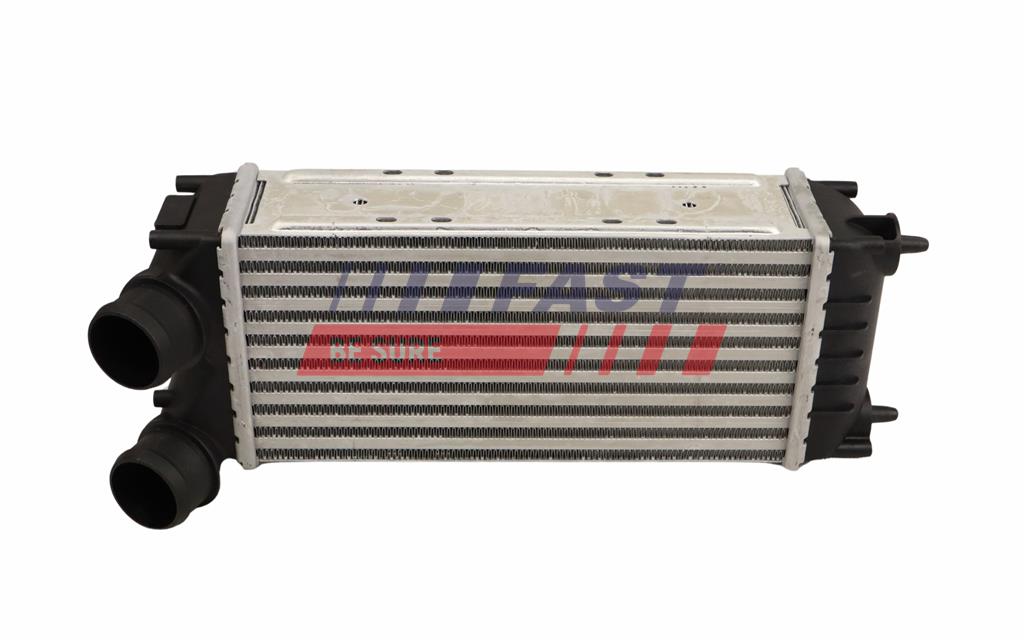

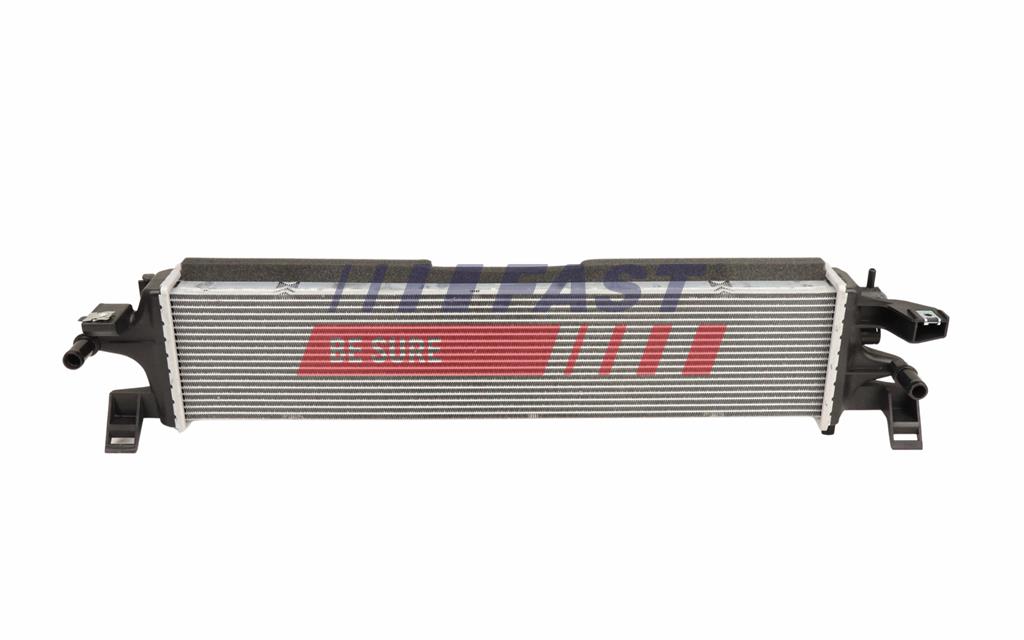
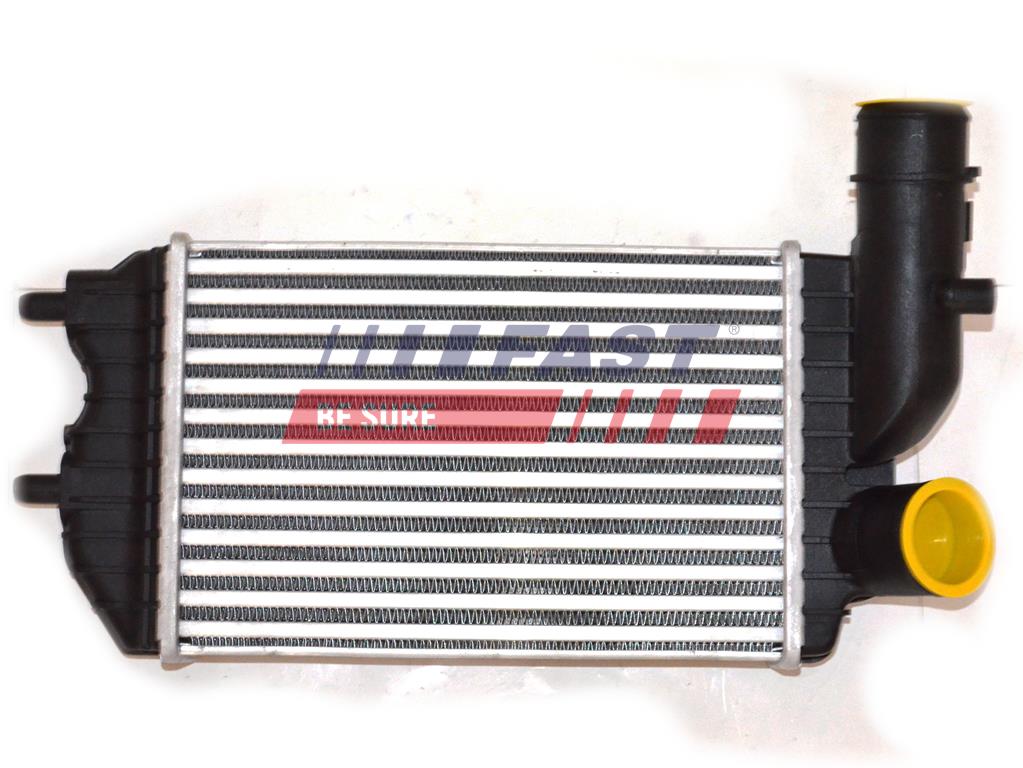
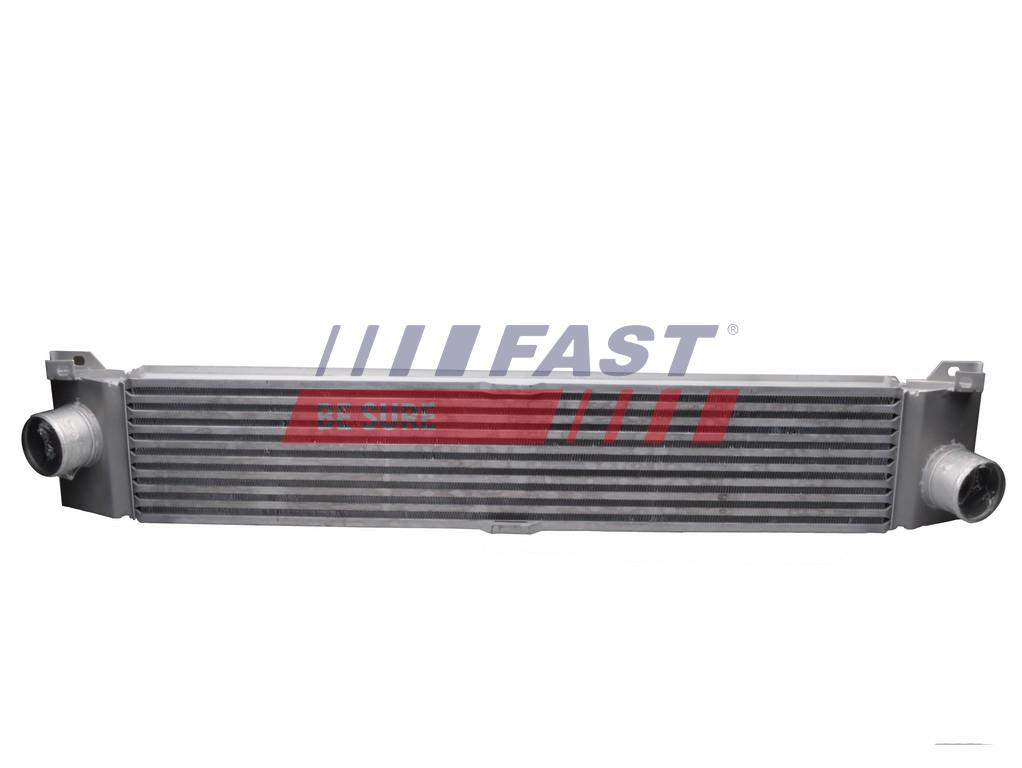

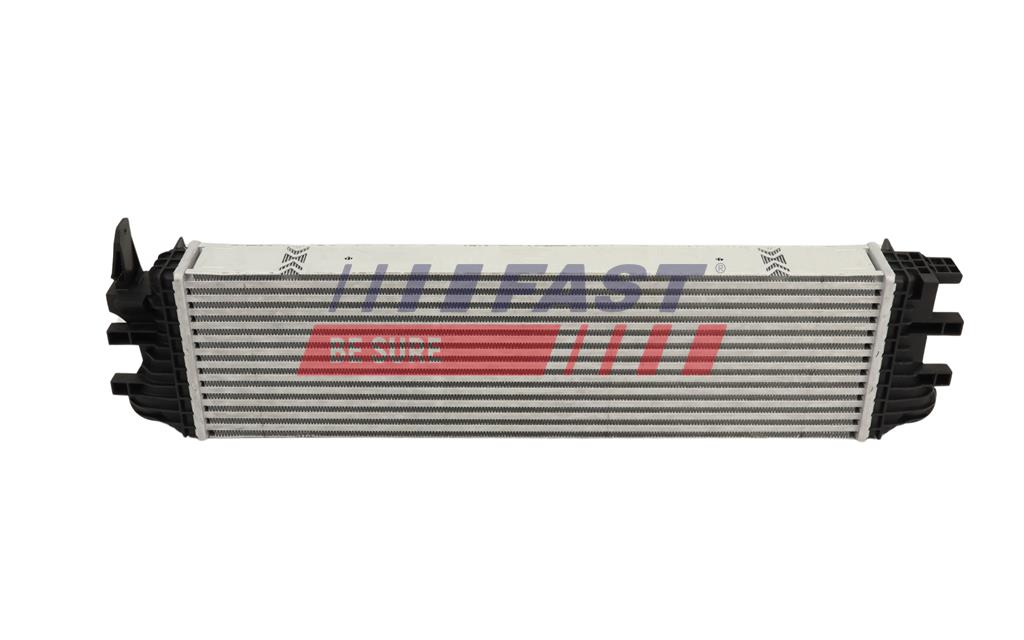
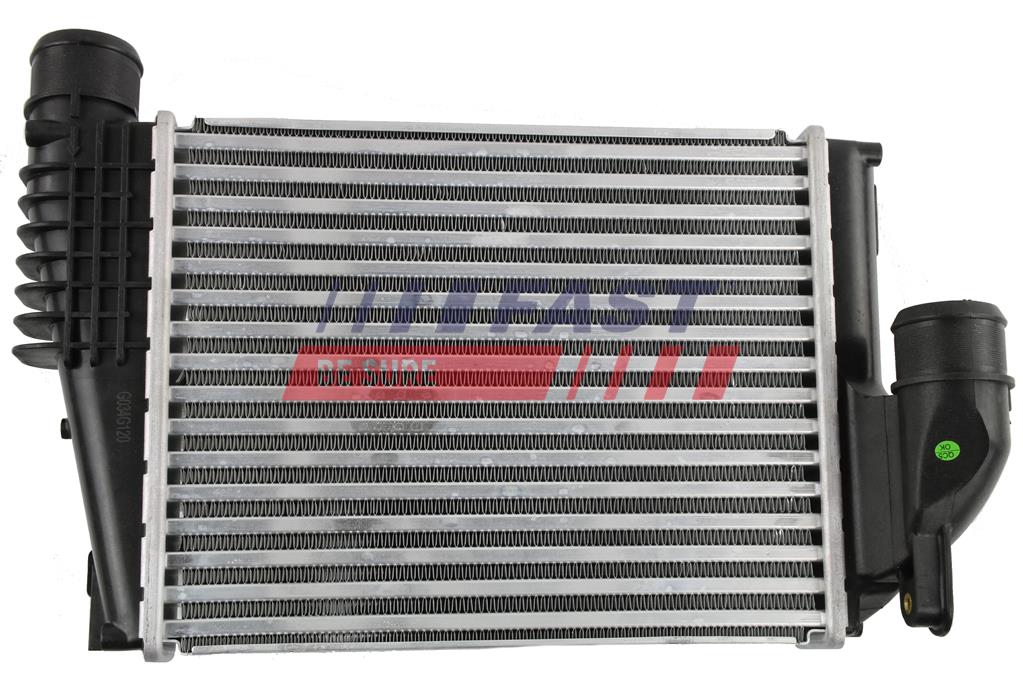
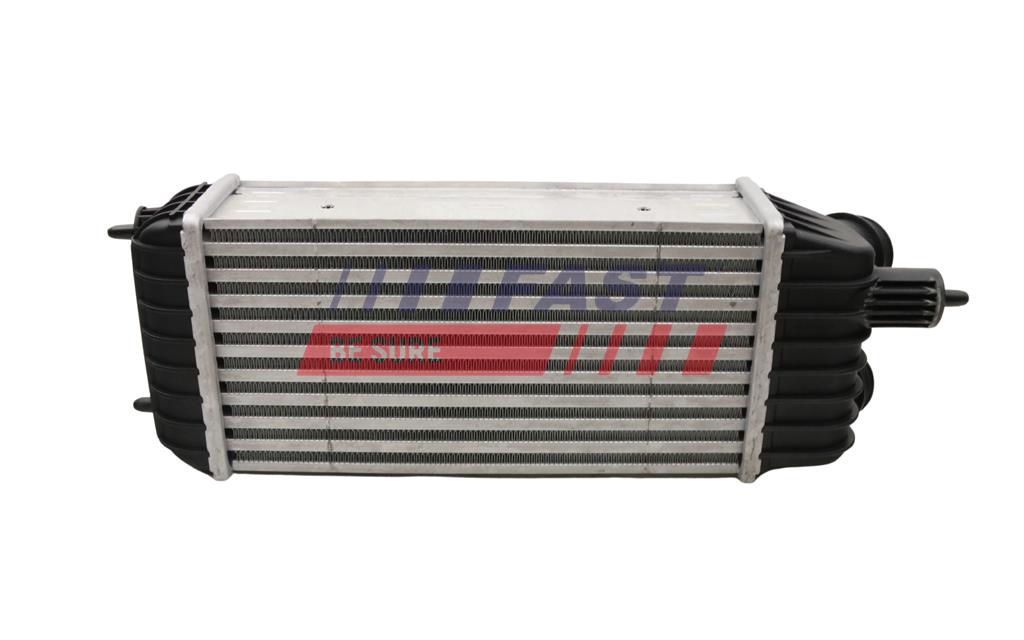
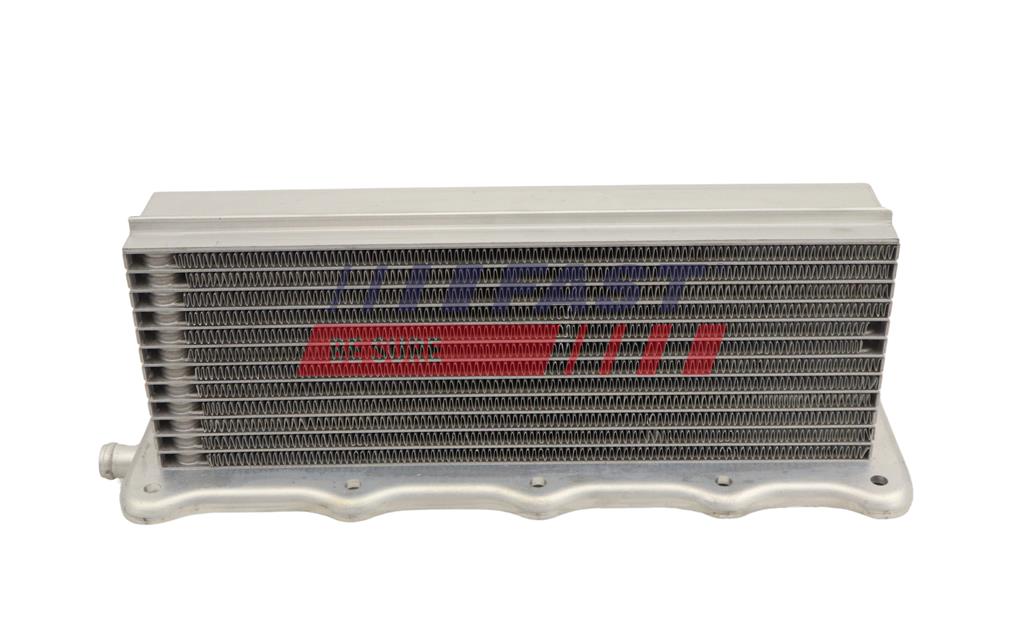
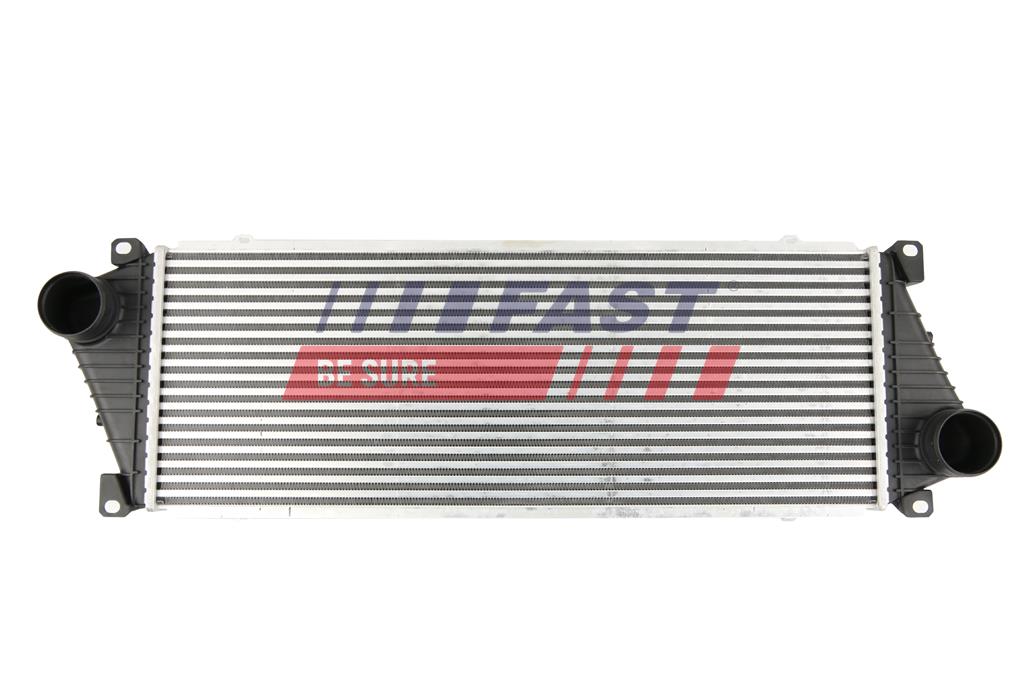
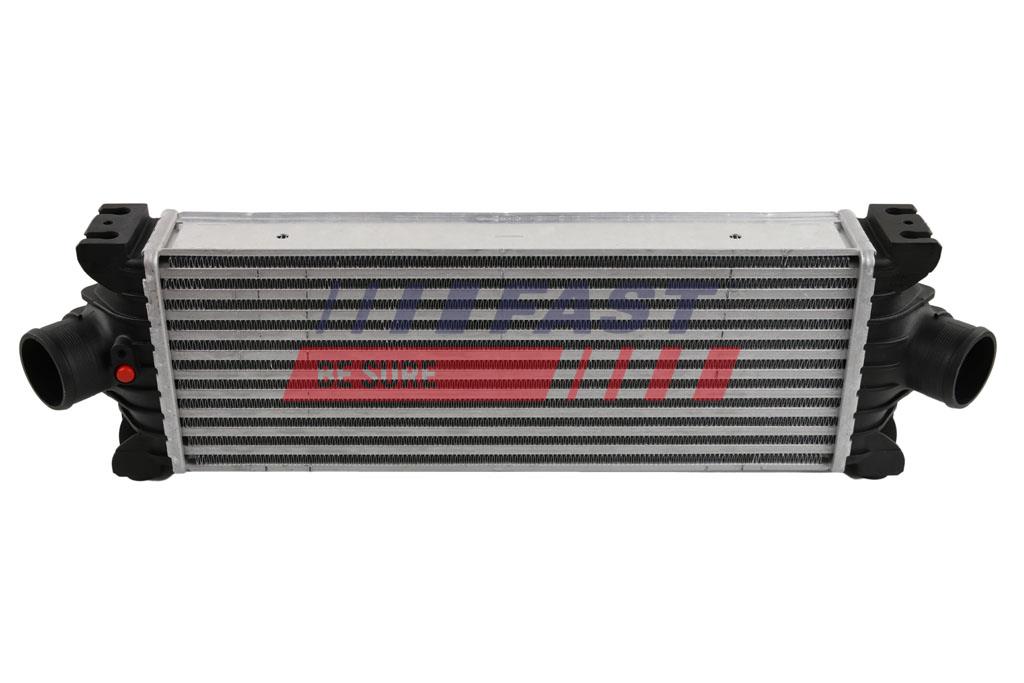
Explore our extensive range of intercoolers, crafted for optimal engine performance and reliability. Whether you seek a replacement or a spare part intercooler upgrade, our selection caters to renowned vehicle brands, ensuring precision and quality. Delve into our easy-to-navigate catalogue, stay informed with our latest additions, and maintain your vehicle’s peak performance. Experience the advantages of high-quality intercoolers for a seamless driving experience.
High-quality intercoolers play a vital role in enhancing the overall performance and efficiency of vehicle engines. By efficiently reducing air intake temperatures, an intercooler ensures that the engine receives cooler, denser air, which improves combustion efficiency and boosts engine power. This is particularly crucial for turbocharged and supercharged engines, where high intake temperatures can otherwise lead to reduced performance and potential engine damage. A superior intercooler not only optimises engine output but also contributes to better fuel economy, making it an essential component for both commercial and passenger vehicles. Furthermore, maintaining the health of an intercooler is critical to vehicle performance. Owners should be aware of common issues, such as intercooler hose leak symptoms, which can lead to a decrease in engine efficiency and increased temperatures. Regular inspections and maintenance can help identify these symptoms early on, preventing more costly repairs in the future. Investing in a high-quality intercooler and keeping it well-maintained ensures that your vehicle runs smoothly and efficiently, offering a more reliable and responsive driving experience.
Choosing the right spare parts intercooler upgrade is crucial for any vehicle owner looking to enhance engine performance and efficiency. This upgrade offers benefits including improved air cooling and increased horsepower. However, selecting the appropriate intercooler involves careful consideration of several factors. Firstly, vehicle compatibility is paramount; it’s essential to choose an intercooler that fits perfectly within the engine bay and aligns with the existing turbo or supercharging system. Performance goals also play a decisive role in this process. Whether the aim is to improve fuel efficiency or maximise power output, there are specific designs tailored to meet these objectives. Size and core design are additional factors that influence effectiveness. The upgrade can contribute to longer engine life and reliability, offering substantial gains in performance and efficiency.
Proper maintenance of your vehicle’s intercooler is vital for ensuring consistent performance and longevity. One essential aspect of this maintenance is cleaning oil from the intercooler, which can accumulate over time and impede airflow, thereby reducing efficiency. Regular cleaning helps maintain optimal air cooling and ensures the intercooler operates at peak efficiency. Understanding the difference between an intercooler vs radiator is crucial for vehicle owners. While both components play roles in managing engine temperatures, they serve distinct functions. An intercooler primarily cools the compressed air from turbochargers or superchargers before it enters the engine, enhancing combustion efficiency and power output. By prioritising routine maintenance, vehicle owners can ensure reliable engine performance and avoid costly repairs in the long run.
An intercooler leak can manifest through several indicators. Common symptoms include reduced engine power, sluggish acceleration, and increased fuel consumption. Drivers might also notice black smoke from the exhaust, which suggests incomplete combustion due to insufficient air supply. Additionally, unusual hissing or whistling noises during acceleration can indicate air escaping from the system. It’s essential to address these signs promptly to maintain optimal engine performance and prevent further damage.
The frequency of intercooler cleaning depends on driving conditions and vehicle usage. For standard driving environments, it’s advisable to inspect and clean the intercooler every 15,000 to 20,000 miles. In harsher conditions, such as dusty or off-road terrains, more frequent cleaning, approximately every 10,000 miles, is recommended. Regular maintenance ensures efficient heat exchange and prevents performance degradation.
Yes, a damaged intercooler can significantly impact turbo performance. The intercooler cools the compressed air from the turbocharger before it enters the engine. If compromised, it may fail to reduce air temperatures effectively, leading to decreased air density and reduced engine power. Additionally, leaks or blockages can cause the turbocharger to work harder, potentially resulting in increased wear and a higher risk of failure. Maintaining the intercooler’s integrity is crucial for the overall health and efficiency of the turbocharged system.

Dołącz do naszego newslettera. Dlaczego warto? Co tydzień masa nowości produktowych, których nie możesz przeoczyć. Wystarczy podać swój adres e-mail i korzystać z dostępu do bazy nowych produktów marki Fast. Portfolio marki rozrasta się nawet o kilkadziesiąt produktów tygodniowo. Nie trać możliwości powiększenia swojej oferty o nowe kody FAST, zarejestruj się już teraz!