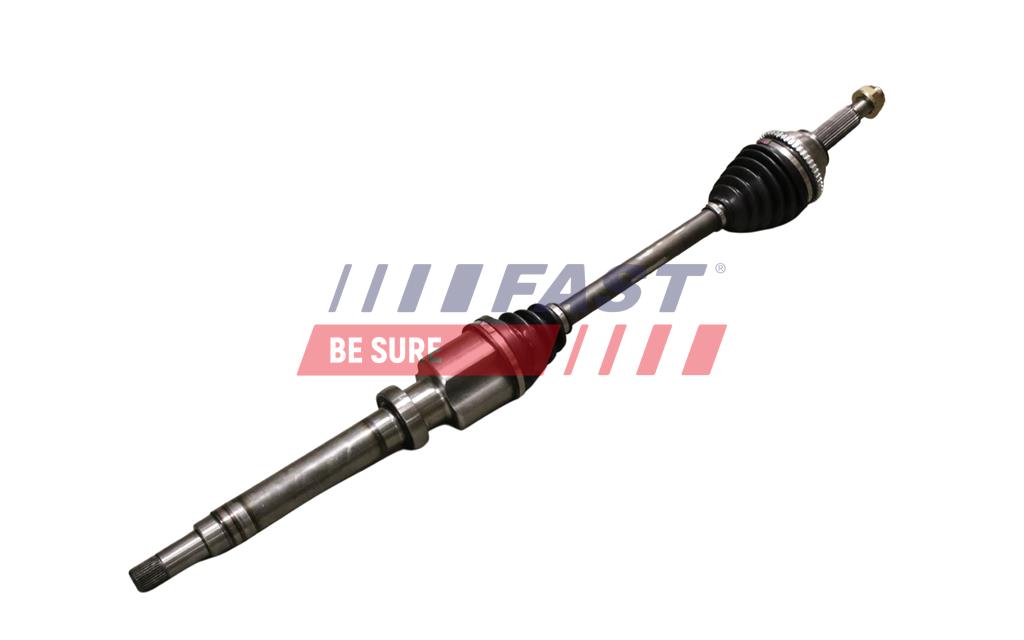
PÓŁOŚ FORD TRANSIT 00> PR 2.0 TDCi 02>

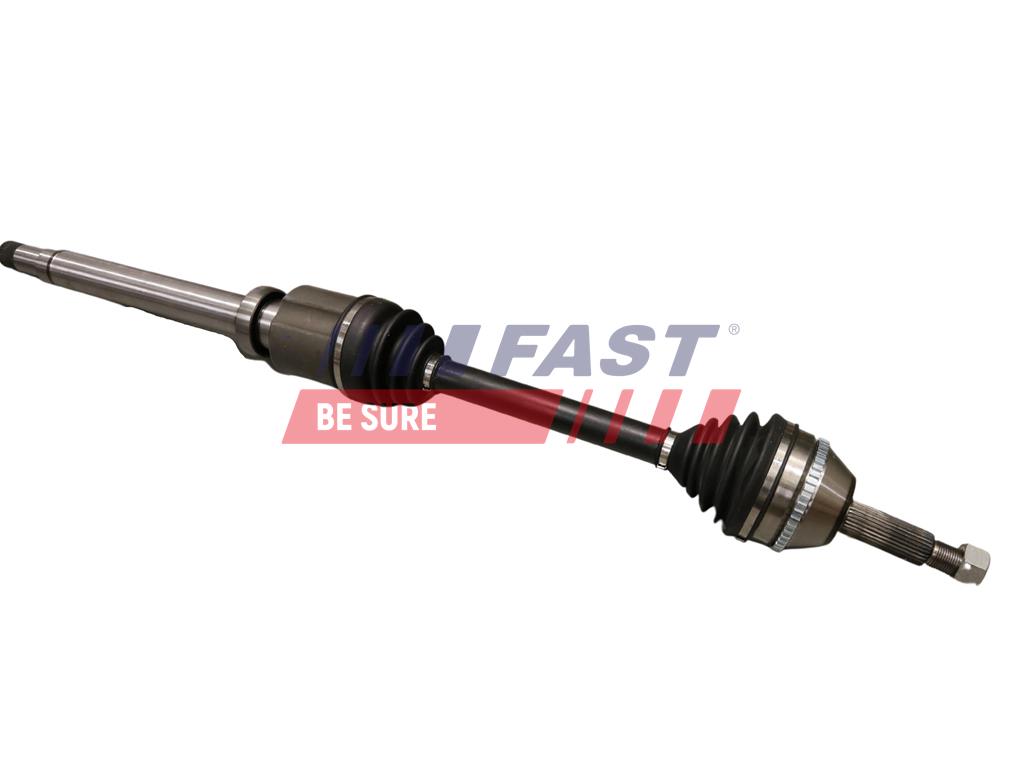
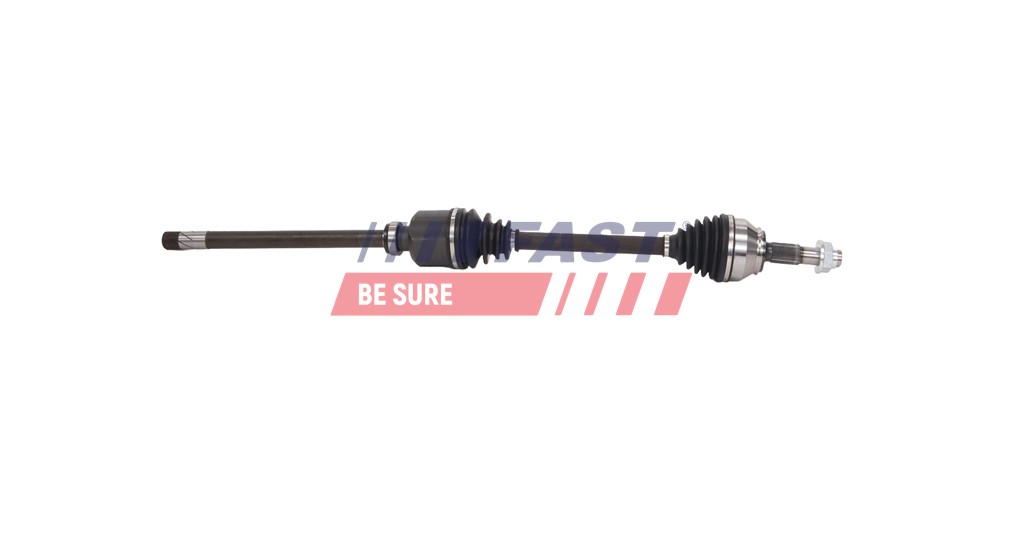
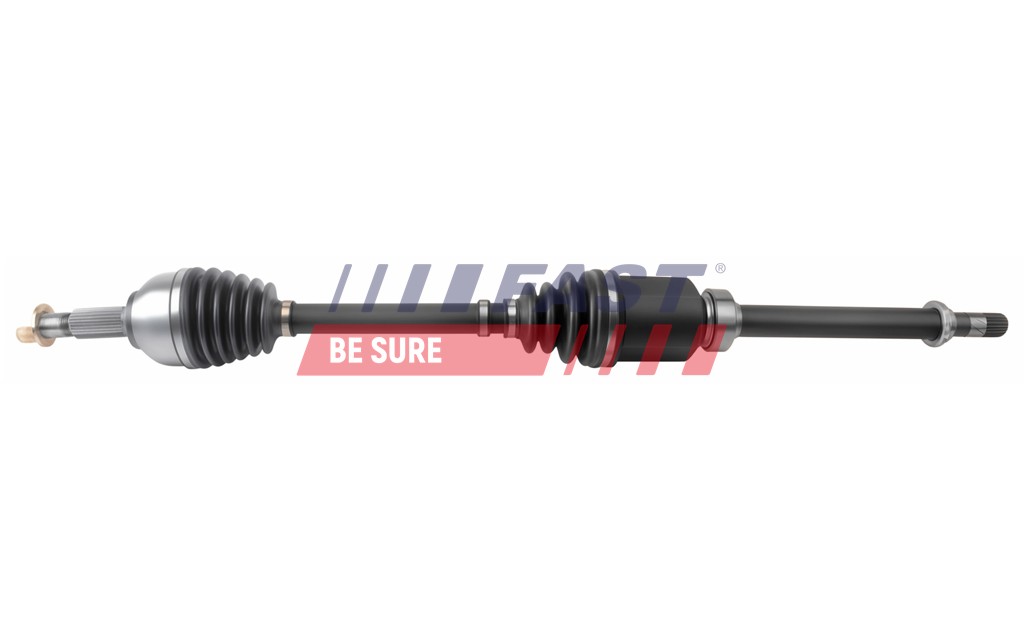

![FT27168 PÓŁOŚ RENAULT KANGOO I 97> 1.2/1.5DCI[+]ABS=44](https://fastoriginal.eu/katalog/wp-content/uploads/2025/07/91944.jpeg)
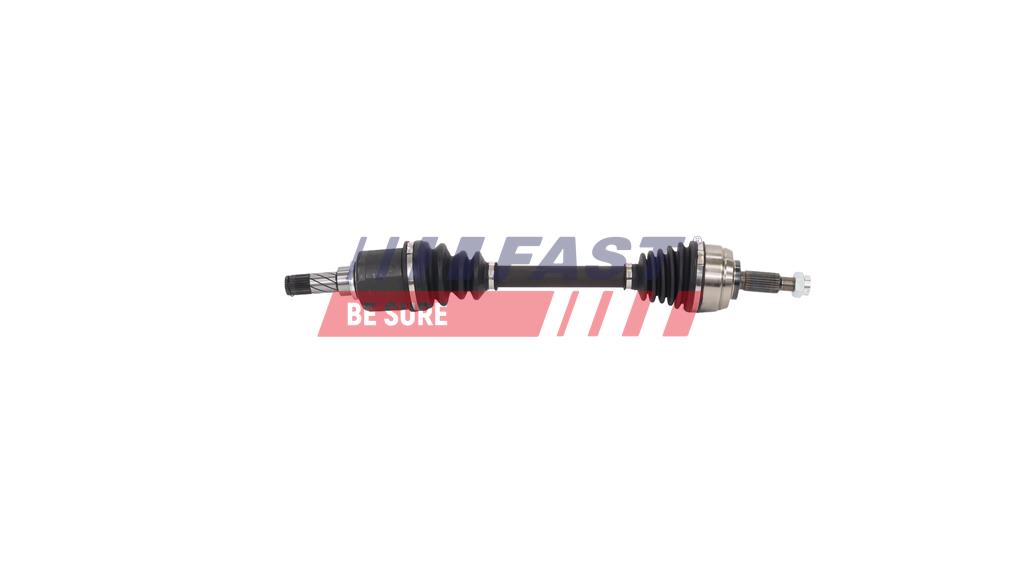
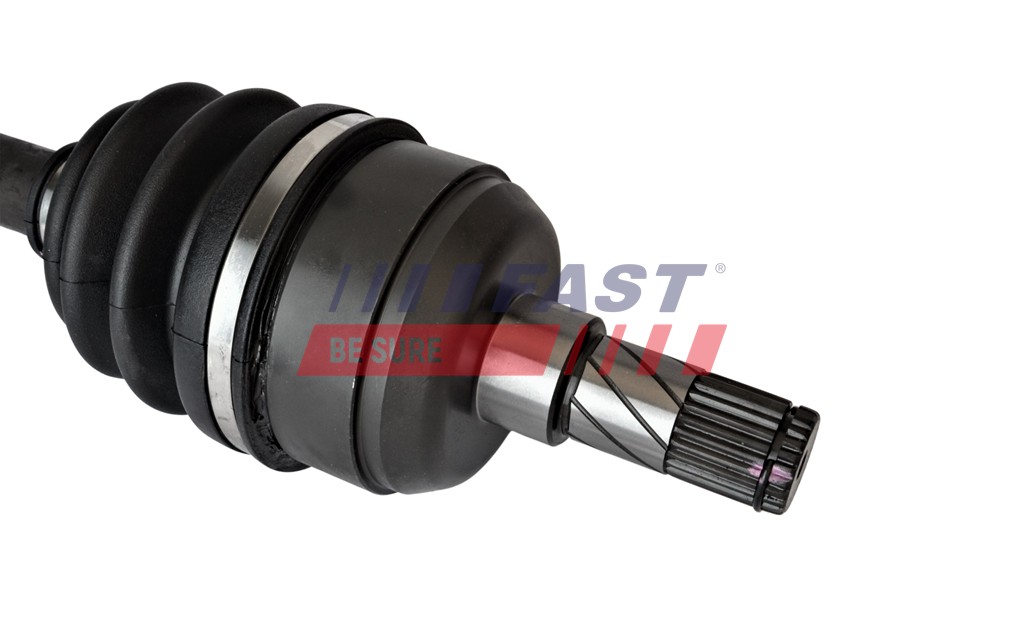
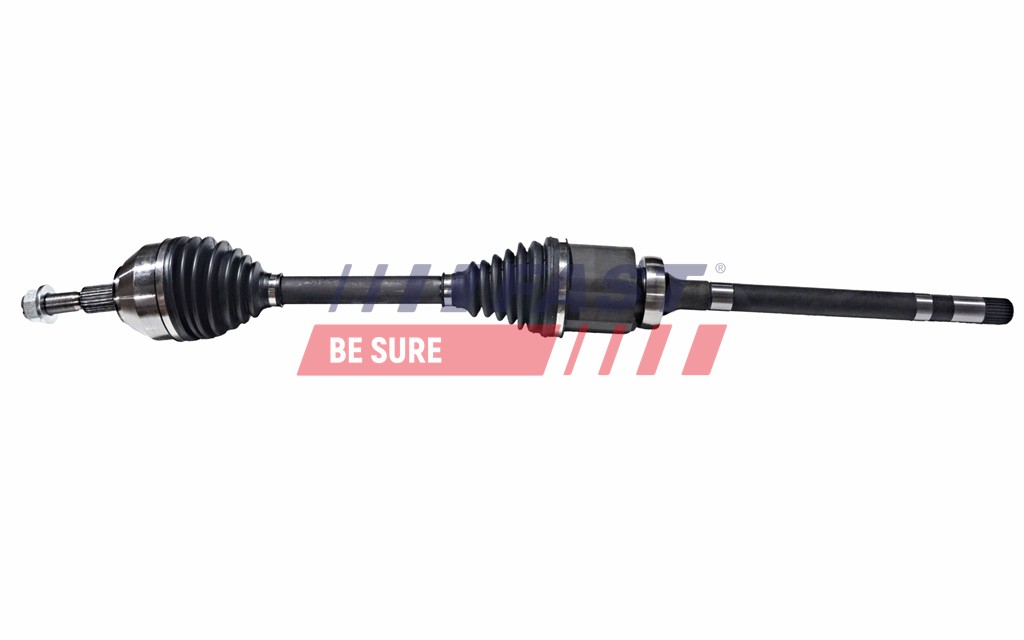
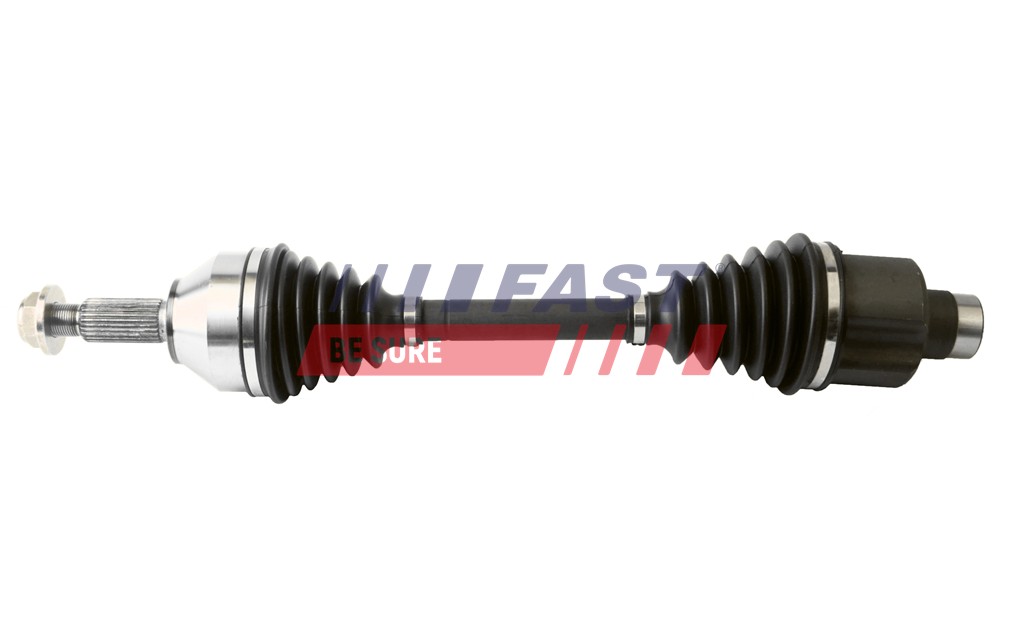
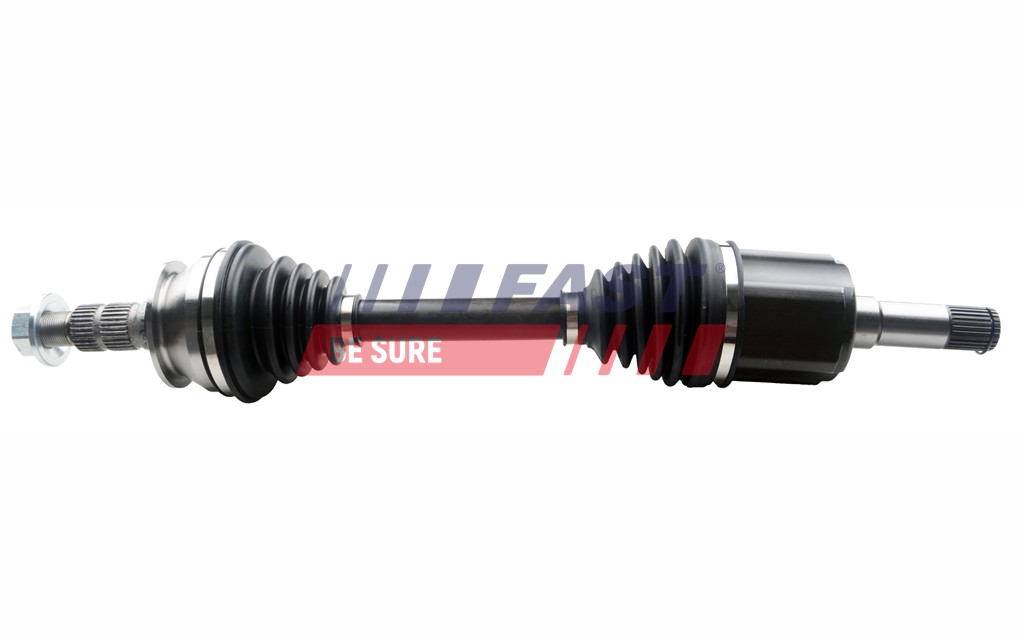
![FT27159 PÓŁOŚ RENAULT KANGOO II 08> PR 1.5DCI [+]ABS=26 81KM](https://fastoriginal.eu/katalog/wp-content/uploads/2025/07/91935.jpeg)
![FT27181 PÓŁOŚ FORD TRANSIT 06> LE 2.2 TDCI [+]ABS](https://fastoriginal.eu/katalog/wp-content/uploads/2025/07/92386.jpeg)
![FT27176 PÓŁOŚ CITROEN BERLINGO 96> PR 1.4 [+]ABS](https://fastoriginal.eu/katalog/wp-content/uploads/2025/07/91969.jpeg)

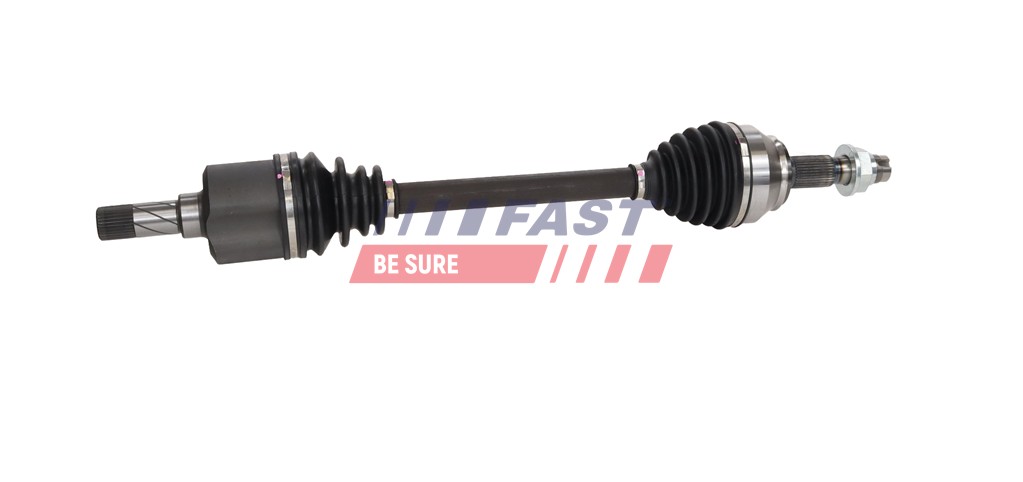
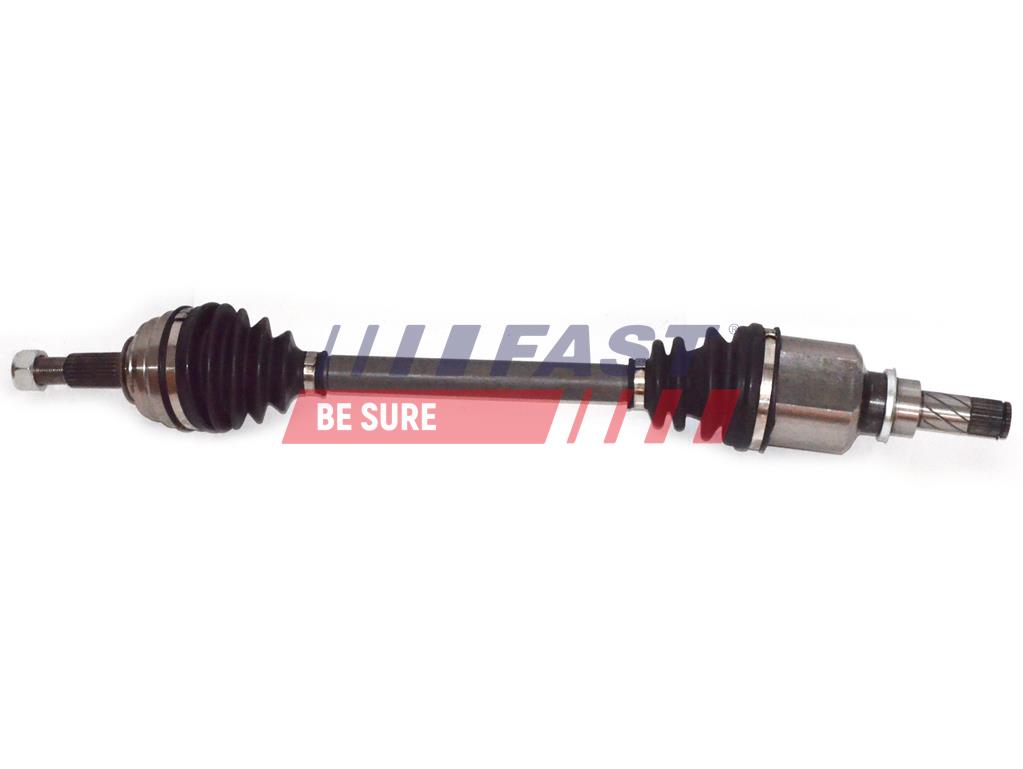
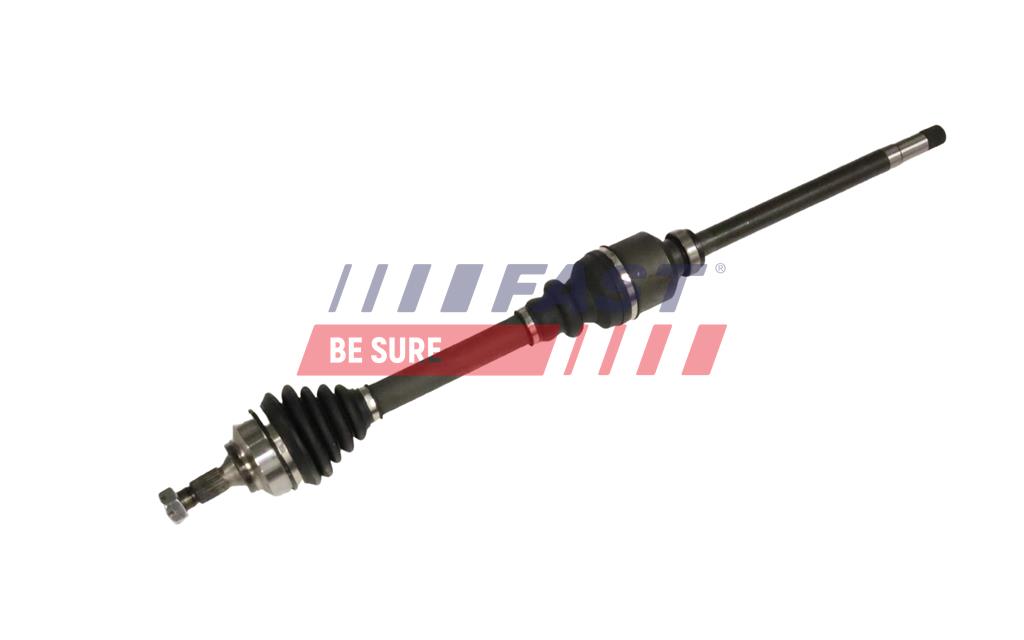
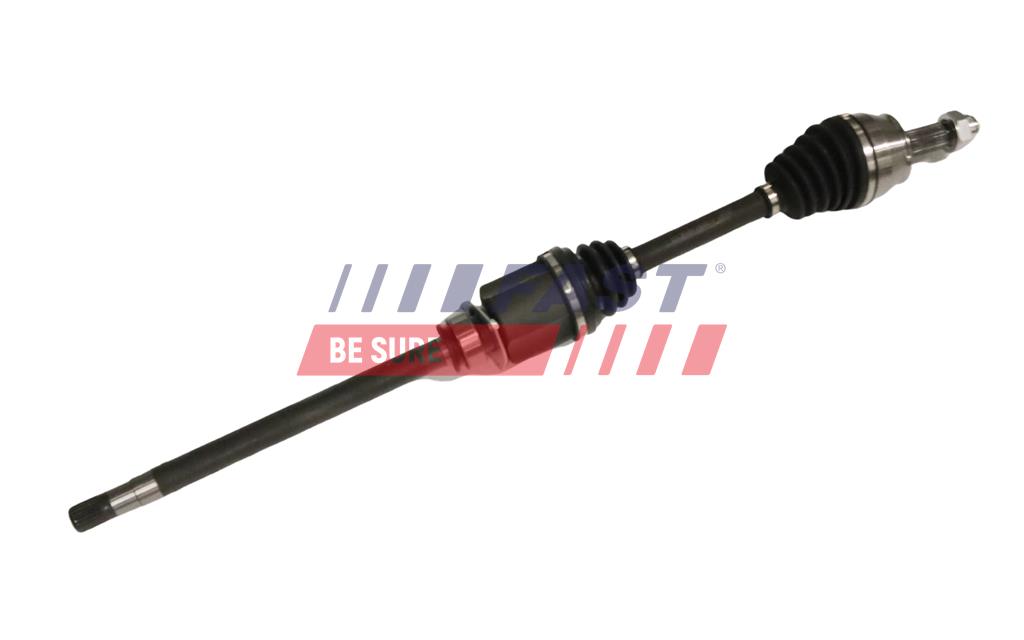
![FT27136 PÓŁOŚ CITROEN BERLINGO 96> PR 1.8/1.9D/2.0HDI [+]ABS](https://fastoriginal.eu/katalog/wp-content/uploads/2025/07/91912.jpeg)
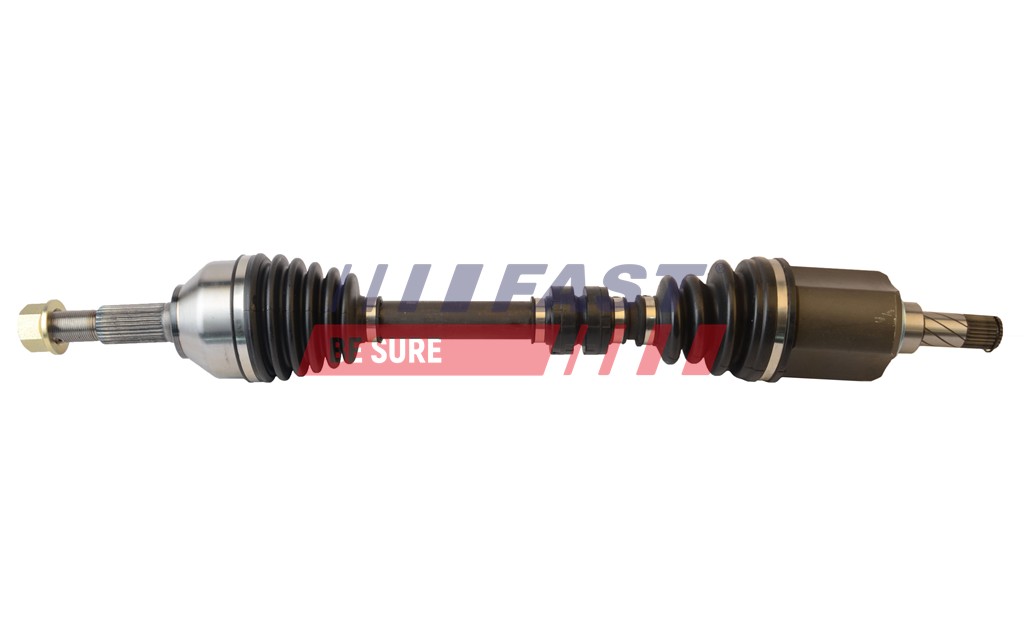
Explore our extensive range of Half-shaft components, where finding the perfect fit for your vehicle has never been easier. Whether you’re a professional or a DIY enthusiast, our selection simplifies the process of sourcing high-quality parts. Stay informed and make the smart choice with FAST original products, ensuring improved performance and longevity for all your automotive needs. Get started today and ensure your vehicle runs as smoothly as when it first hit the road!
The Half-shaft plays a crucial role in your vehicle’s drivetrain system, acting as a vital component that connects the wheels to the transmission. This essential part facilitates the transfer of power from the engine to the wheels, ensuring a smooth and efficient driving experience. Without a properly functioning Half-shaft, your vehicle might struggle with power delivery, leading to impaired performance or even vehicle breakdown. Understanding its significance involves recognising that it is not just a standalone component but part of a more extensive system known as the cv axle shaft assembly. This assembly works in harmony to absorb torque and accommodate suspension movements while maintaining the rotation of the wheels. By ensuring that you have a robust Half-shaft within your cv axle shaft assembly, you can enhance vehicle performance, reduce wear on other components, and maintain safety on the road. Regular inspection and timely replacement of this part can prevent significant issues and contribute to the overall longevity of your vehicle.
Recognising the broken half shaft symptoms is crucial for maintaining the health and performance of your vehicle. One of the most common indicators includes unusual noises such as clicking or clunking sounds, especially when you are turning the vehicle. You might also experience vibrations or shuddering, which can be felt through the steering wheel or the vehicle’s floor. Addressing these issues early can prevent further damage to other components and help maintain vehicle safety. When these signs are evident, it is wise to have a professional inspection to confirm the diagnosis. Understanding the potential half shaft replacement cost is also important to budget for repairs. Costs can vary based on the vehicle’s make and model, as well as labour rates, but early detection and replacement of a faulty half shaft can prevent more extensive and expensive repairs in the future. Staying informed about these symptoms and associated costs ensures that your vehicle continues to operate smoothly.
When it comes to choosing the right front axle shaft replacement, several factors must be considered to ensure optimal performance and avoid unnecessary expenses. One of the primary considerations is the make and model of your vehicle, as different vehicles require specific axle shafts designed for their unique configurations. Quality and precise fitment are crucial, as these guarantee that the new axle shaft will function seamlessly with other drivetrain components. Opting for high-quality parts not only enhances vehicle performance but also reduces the likelihood of premature wear and potential future failures. Additionally, understanding the half shaft replacement cost plays a vital role in budgeting for repairs. By being aware of these costs and choosing the right part from the outset, you can prevent more extensive and expensive issues down the line. By investing in the right front axle shaft replacement, you ensure that your vehicle remains reliable and safe on the road.
A half-shaft, also known as an axle shaft, is a component that transmits torque from the differential to the wheels, allowing for independent wheel movement. In contrast, a drive shaft, or propeller shaft, is a longer component that transmits torque from the engine or transmission to the differential, especially in rear-wheel-drive vehicles. Essentially, the drive shaft delivers power to the differential, which then distributes it to the wheels via the half-shafts.
Signs of a bent half-shaft include vibrations or shuddering during acceleration, unusual noises such as clunking or clicking, especially when turning, and uneven tyre wear. Additionally, you might notice the vehicle pulling to one side or experiencing instability at higher speeds. If you observe any of these symptoms, it’s advisable to have the half-shaft inspected by a professional to prevent further damage.
Yes, the half-shaft typically includes Constant Velocity (CV) joints at both ends. These joints allow the half-shaft to transmit power smoothly while accommodating the up-and-down motion of the suspension and the steering movements of the wheels. The CV joints are crucial for maintaining consistent drive force and ensuring flexibility in the drivetrain.

Dołącz do naszego newslettera. Dlaczego warto? Co tydzień masa nowości produktowych, których nie możesz przeoczyć. Wystarczy podać swój adres e-mail i korzystać z dostępu do bazy nowych produktów marki Fast. Portfolio marki rozrasta się nawet o kilkadziesiąt produktów tygodniowo. Nie trać możliwości powiększenia swojej oferty o nowe kody FAST, zarejestruj się już teraz!