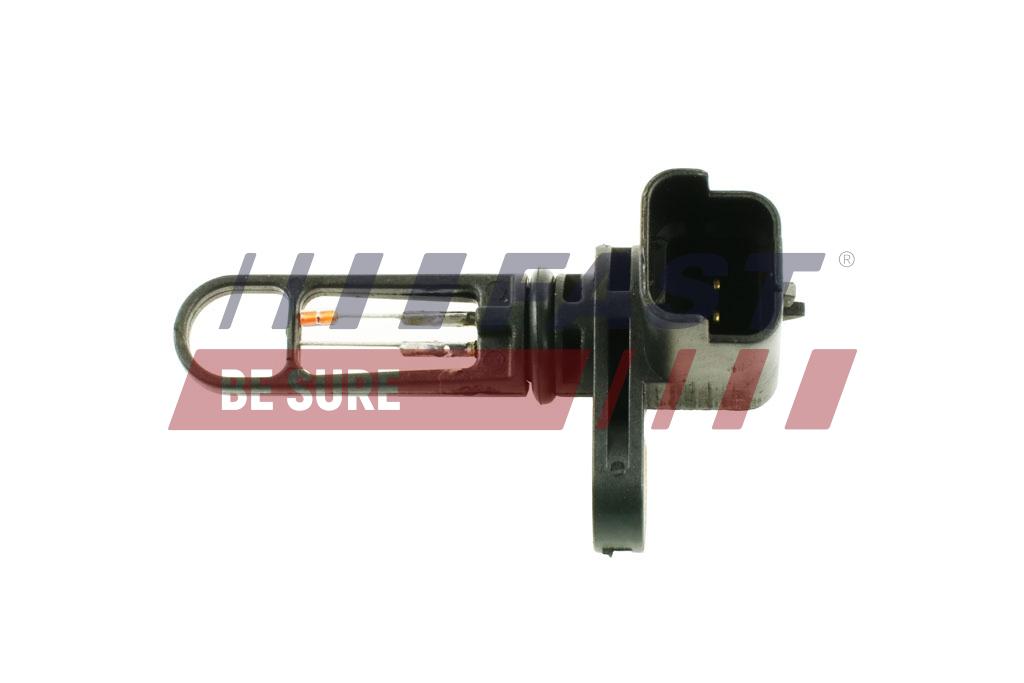
Z łatwością zlokalizuj dowolną potrzebną część w wygodnym katalogu FAST!
Czujnik temperatury powietrza
Ensure your vehicle runs smoothly and efficiently with our high-quality FAST original air temperature sensors. Designed to fit various models, our sensors provide precise air temperature readings essential for optimal engine performance. Browse our user-friendly FAST original catalogue to find the right fit for your vehicle and keep your engine in top condition. Stay informed about new products and maintenance tips by subscribing to our updates. Keep your vehicle performing at its best with the right air temperature sensor!
Importance of the air temperature sensor in your vehicle
The FAST original air temperature sensor is a critical component in ensuring your vehicle operates at peak performance and efficiency. This sensor plays a pivotal role by precisely monitoring the temperature of the air that enters the engine. By providing accurate temperature readings, the air temperature sensor enables the engine management system to adjust fuel delivery and ignition timing, which helps optimise fuel efficiency and ensures the engine runs smoothly under various driving conditions. Without this essential feedback, the engine may not perform optimally, potentially leading to increased fuel consumption and reduced performance. Beyond its role in regular vehicle operation, the air temperature sensor also aids in detecting potential issues. Recognising intake air temperature sensor symptoms early can prevent more severe engine problems. Some symptoms to watch for include a noticeable decrease in fuel economy, rough idling, or hesitation during acceleration, indicating the sensor might not be providing accurate data. Maintaining a functional air temperature sensor is crucial for keeping your vehicle in optimal condition, ensuring both performance and fuel efficiency are consistently maintained.
Locating and replacing your intake air temperature sensor
Knowing where the IAT sensor is located in your vehicle is essential for both maintenance and troubleshooting. Typically, the IAT sensor is found in the intake manifold or air intake duct, as it needs to measure the temperature of the air before it enters the engine. This strategic location allows it to provide accurate data crucial for adjusting the air-fuel mixture and ensuring optimal performance. When it comes to air charge temperature sensor replacement, follow a few key steps to ensure the process is completed correctly. First, safely disconnect the battery to prevent any electrical mishaps. Next, carefully disconnect any electrical connectors attached to it. Remove the sensor by unscrewing or unclipping it from its position. When installing the new sensor, ensure it’s securely fitted and all connections are properly reattached. The importance of correct installation cannot be overstated, as a misaligned or loose sensor can lead to inaccurate readings. Regular checks and timely replacements can help maintain the efficiency and reliability of your vehicle.
Impact of a faulty air temperature sensor on fuel economy
A malfunctioning air temperature sensor can have a detrimental impact on fuel economy, leading to increased costs and reduced efficiency. When the sensor fails, it may provide inaccurate readings to the engine management system, causing an improper air-fuel mixture. This can result in the engine running too rich or too lean, both of which can significantly affect performance and fuel consumption. The bad air temp sensor fuel economy issue is a common problem that can lead to more frequent trips to the pump. Moreover, a faulty sensor can cause problems such as rough idling, engine hesitation, and stalling, which compromise the smooth operation of your vehicle. Regular maintenance and timely replacement of the air temperature sensor are crucial to preventing these issues. By keeping this sensor in good working condition, you can maintain optimal fuel economy and enhance your vehicle’s overall performance.
FAQ
A malfunctioning intake air temperature (IAT) sensor can lead to inaccurate air temperature readings, causing the engine control unit (ECU) to miscalculate the air-fuel mixture. This often results in a richer mixture, leading to increased fuel consumption and reduced fuel efficiency. Additionally, incorrect readings can cause the engine to run inefficiently, further impacting fuel economy.
The air temperature sensor is typically located in the intake manifold or the air intake duct, positioned to measure the temperature of the air entering the engine. In some vehicles, especially those with mass air flow (MAF) sensors, the IAT sensor may be integrated into the MAF sensor assembly. The exact location can vary depending on the vehicle’s make and model.
To diagnose issues with the IAT sensor, start by using an OBD-II scanner to check for related trouble codes, such as P0110, P0111, P0112, or P0113. Physically inspect the sensor and its wiring for signs of damage or corrosion. Using a multimeter, measure the sensor’s resistance and compare it to the manufacturer’s specifications; deviations may indicate a faulty sensor. Additionally, observe the engine’s performance for symptoms like rough idling, hesitation during acceleration, or decreased fuel efficiency, which can suggest IAT sensor problems.