
USZCZELKA KOLEKTORA FORD TRANSIT 06> SSĄCY /11> 2.2 TDCI

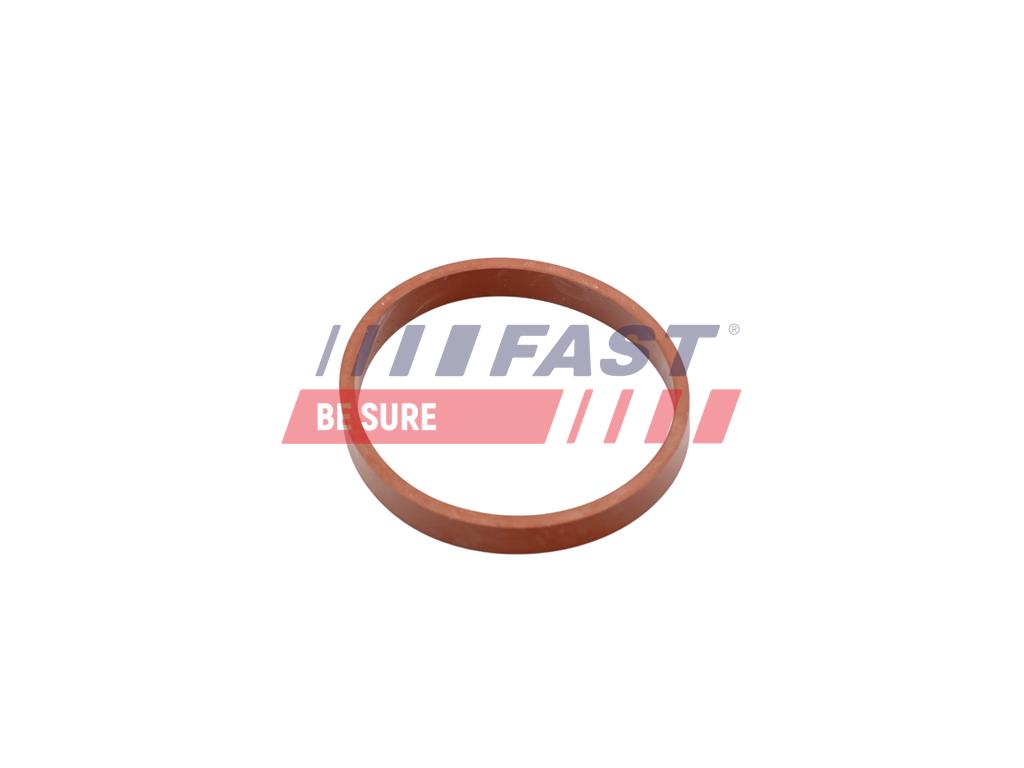


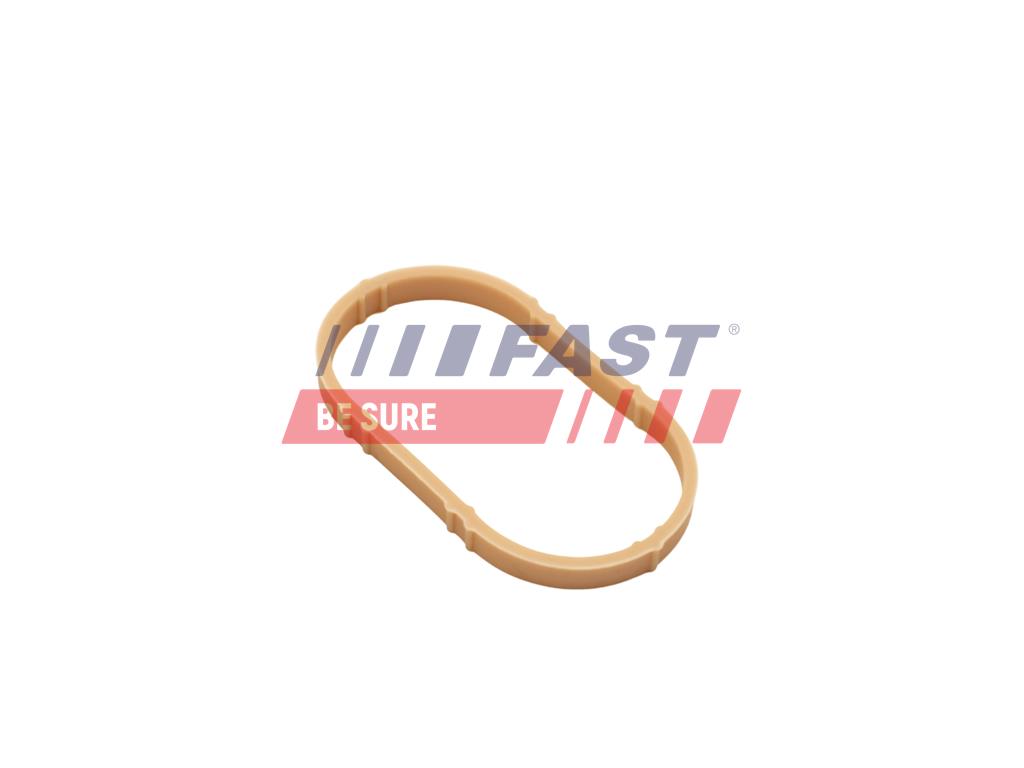
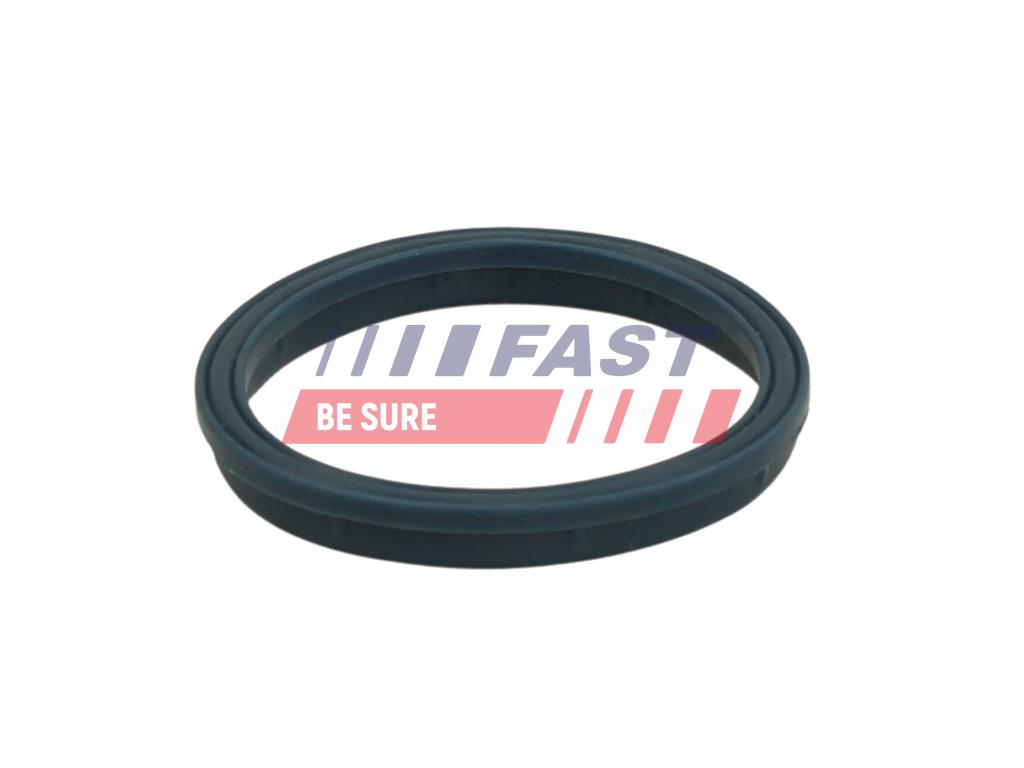


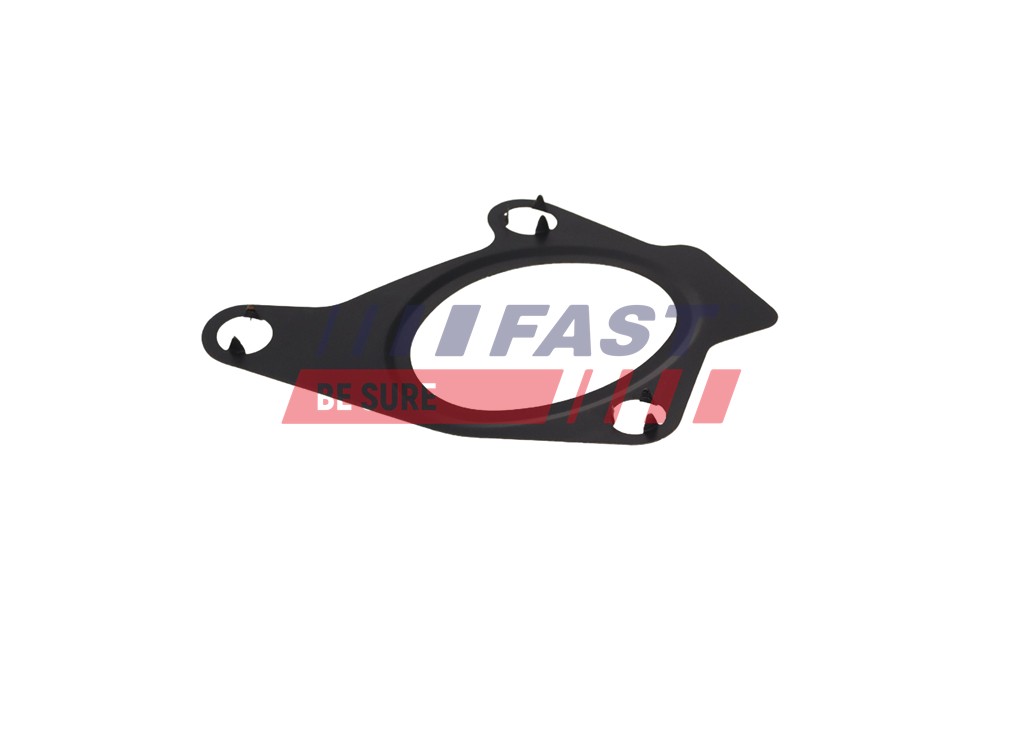


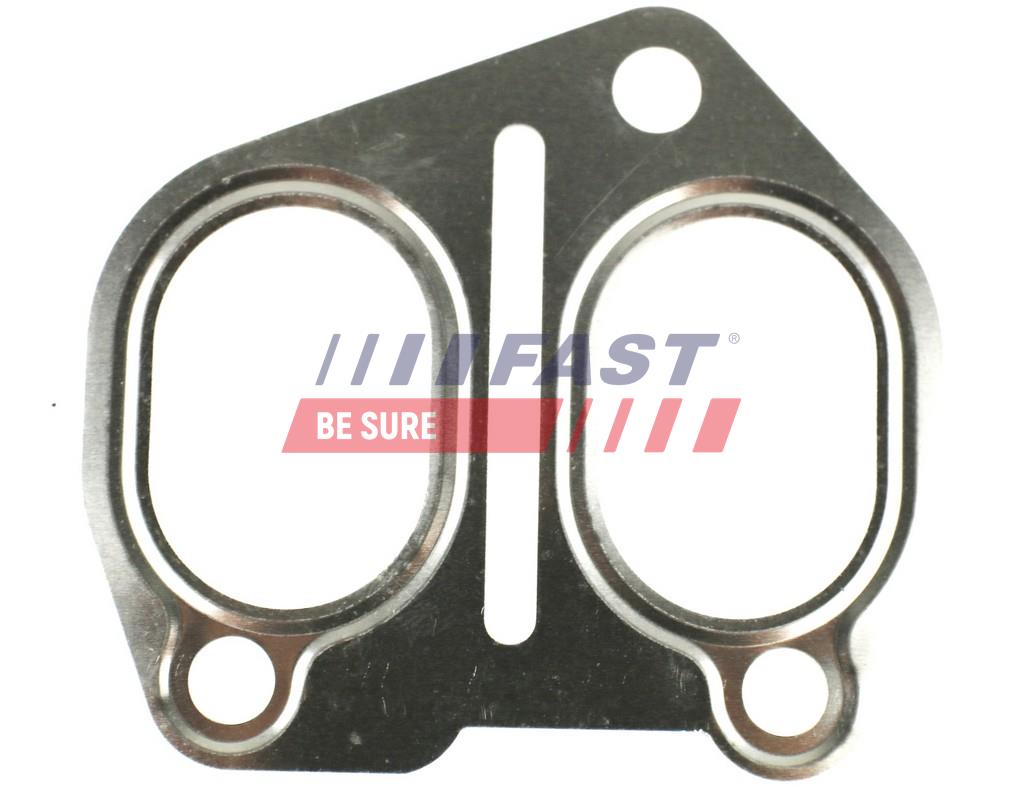



Discover the critical role manifold gaskets play in your vehicle’s engine efficiency. Our extensive catalogue offers top-quality manifold gaskets for a variety of car models. Learn how to spot intake manifold gasket symptoms and identify exhaust manifold gasket leak sounds to save on replacement costs. Stay ahead in performance by choosing the right exhaust flange gasket for your specific needs. Enhance your engine’s performance with our expertly curated selection today, backed by a 5-year warranty for ultimate peace of mind.
Manifold gaskets are vital components in maintaining the efficiency and performance of an engine. These gaskets ensure airtight seals between the manifold and engine components, preventing any gas leaks that could compromise engine performance. A well-functioning manifold gasket is crucial because any leaks can lead to inefficient combustion, resulting in decreased power output, increased fuel consumption, and higher emissions. Recognising the importance of manifold gaskets, it is essential to understand and identify common intake manifold gasket symptoms. These symptoms can include:
Ignoring these symptoms can have severe consequences for your vehicle’s performance and longevity. Leaks in the manifold can cause the engine to work harder to compensate for the loss of pressure, accelerating wear and tear on engine components. Furthermore, prolonged exposure to leaks can lead to overheating and other more significant mechanical failures. Therefore, regular inspections and timely replacement of manifold gaskets, offered by FAST original, are imperative to maintain optimal engine health and avoid costly repairs. Understanding the role of manifold gaskets in your vehicle’s operation helps ensure your engine remains efficient and reliable.
Identifying common issues with manifold gaskets is crucial for maintaining engine integrity and avoiding costly repairs. One of the most noticeable signs of a problem is the distinctive exhaust manifold gasket leak sound, which often resembles a ticking or tapping noise as gases escape through the compromised seal. This sound is a clear indication that the gasket is no longer providing an effective seal, potentially leading to a loss of engine power and efficiency. If left unaddressed, such leaks can escalate, causing more extensive damage to the engine’s components. Therefore, recognising this sound early is essential to prevent further complications. In addition to the audible signs, visual inspections can reveal soot or residue around the manifold area, further confirming a leak. When it comes to addressing these issues, the manifold gasket replacement cost can vary depending on the vehicle make and model, as well as labour rates. However, investing in timely replacement with FAST original products ensures a smart choice for longevity and reliability. By staying vigilant and addressing gasket issues promptly, vehicle owners can ensure their engines operate efficiently and reliably.
Choosing the right manifold gasket for your vehicle is vital to ensure optimal engine performance and longevity. When selecting manifold gaskets, it is essential to consider the specific requirements of your vehicle model, as each type is designed to fit and function perfectly with certain engine configurations. High-quality materials are crucial for durable and effective sealing, preventing leaks and maintaining efficiency under varying temperature and pressure conditions. Among the types of gaskets available, the exhaust flange gasket plays a significant role in sealing the connection between exhaust pipes and the manifold, ensuring that exhaust gases are directed correctly. This type of gasket is particularly important for preventing harmful emissions from escaping into the engine bay or atmosphere. When selecting these components, verify compatibility with your vehicle’s make and model for a precise fit, as provided in the FAST original range. Investing in quality manifold gaskets is an investment in your vehicle’s reliability and performance, reducing the risk of future issues and ensuring that the engine runs smoothly and efficiently with original-equipment quality.
A leaking exhaust manifold gasket can manifest through several indicators:
Reusing a manifold gasket is generally not recommended. Once compressed, gaskets may not provide an effective seal if reused, leading to potential leaks. It’s advisable to install a new gasket during reassembly to ensure a proper seal and maintain engine performance.
To address an exhaust ticking noise:
If the noise persists after these steps, consult a professional mechanic for a thorough evaluation.

Dołącz do naszego newslettera. Dlaczego warto? Co tydzień masa nowości produktowych, których nie możesz przeoczyć. Wystarczy podać swój adres e-mail i korzystać z dostępu do bazy nowych produktów marki Fast. Portfolio marki rozrasta się nawet o kilkadziesiąt produktów tygodniowo. Nie trać możliwości powiększenia swojej oferty o nowe kody FAST, zarejestruj się już teraz!