
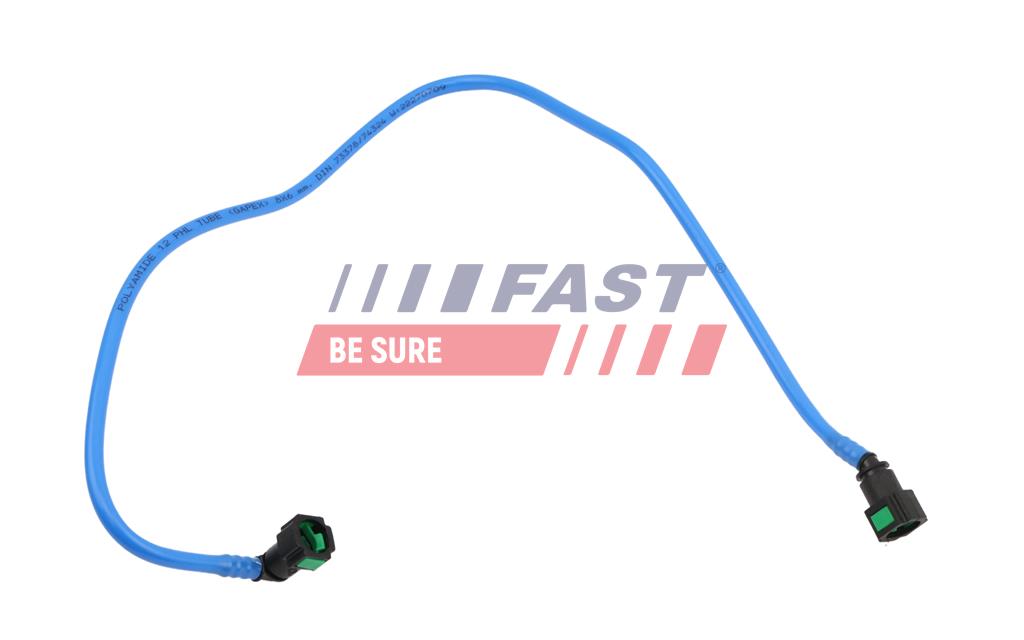
PRZEWÓD PALIWA MERCEDES SPRINTER 06> 906 POWROTNY 2.1 411 CDI 09>

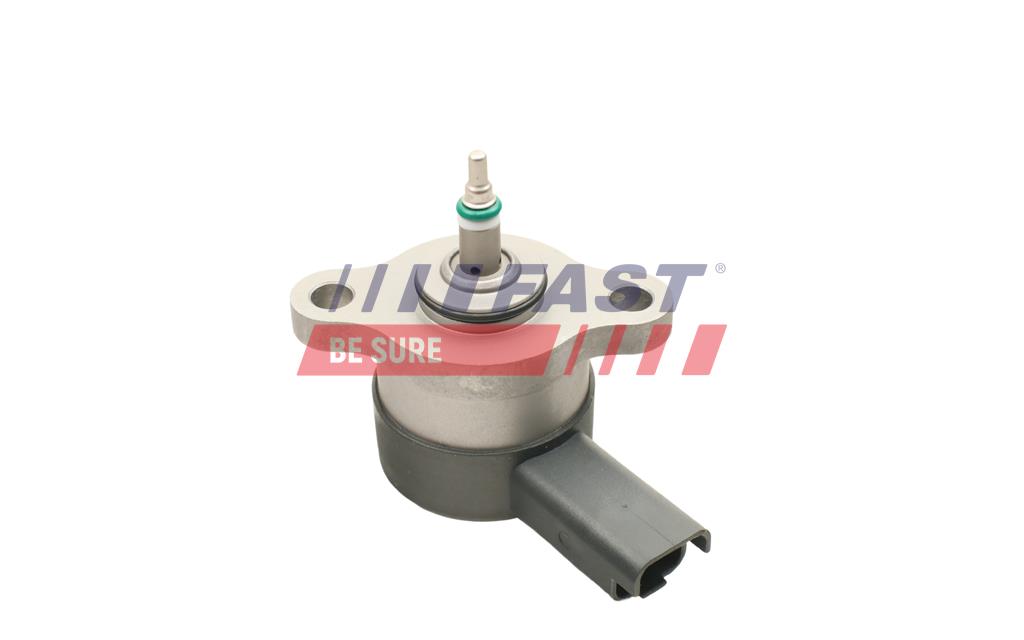
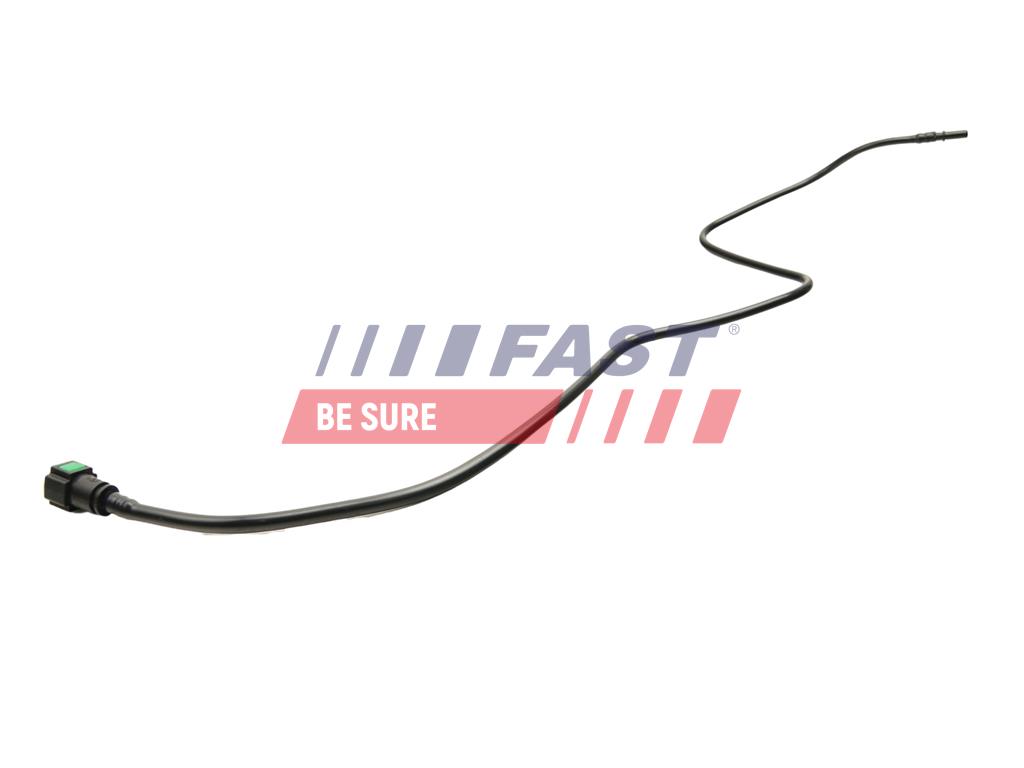
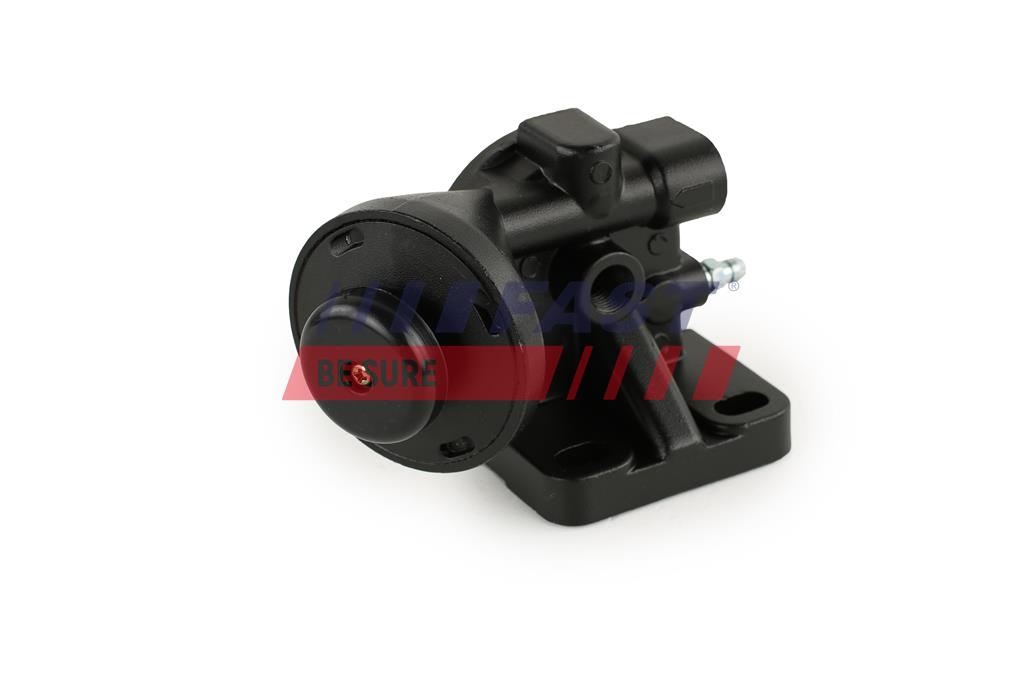
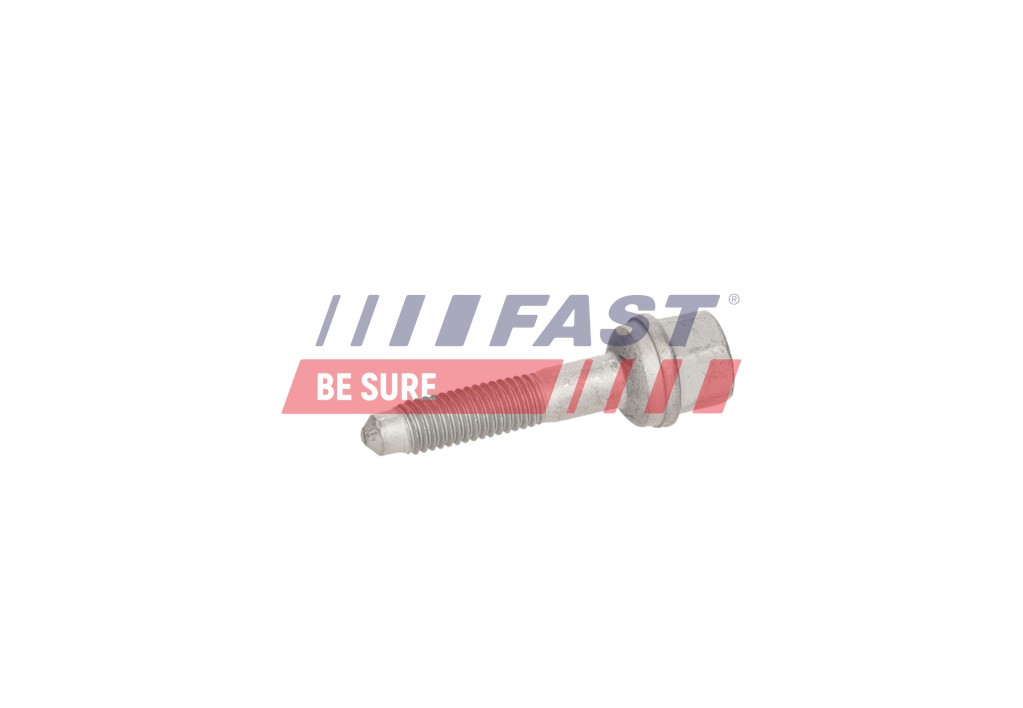
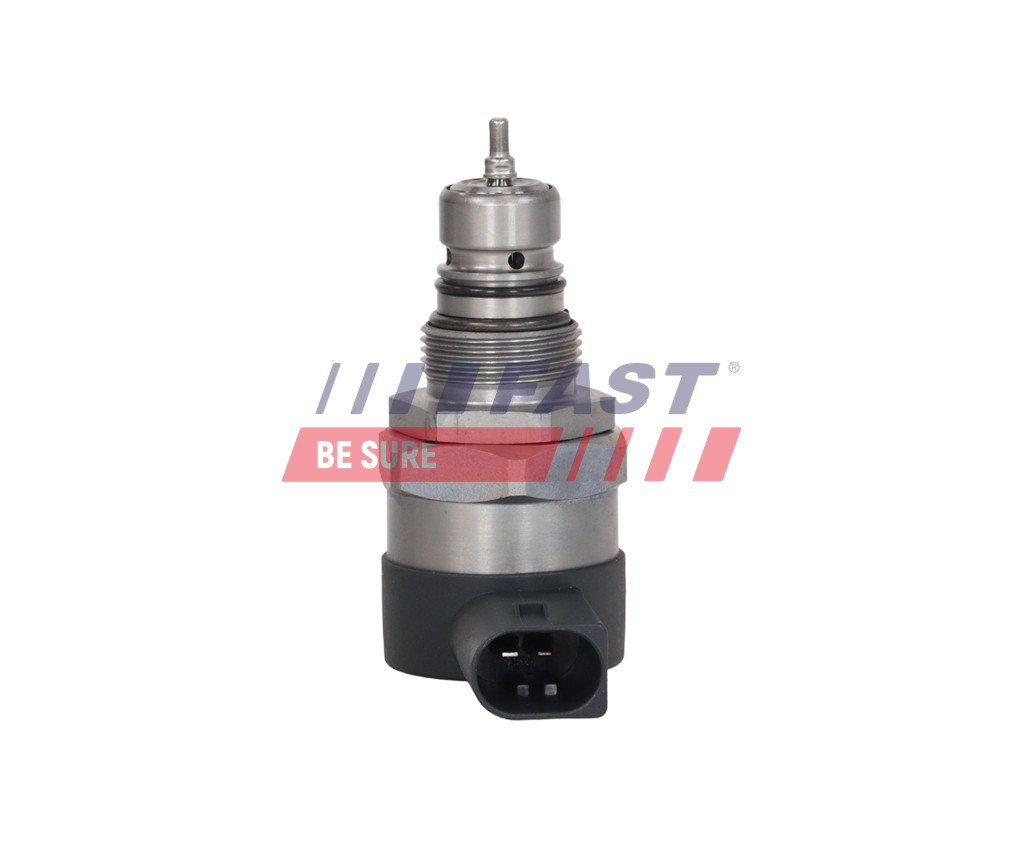
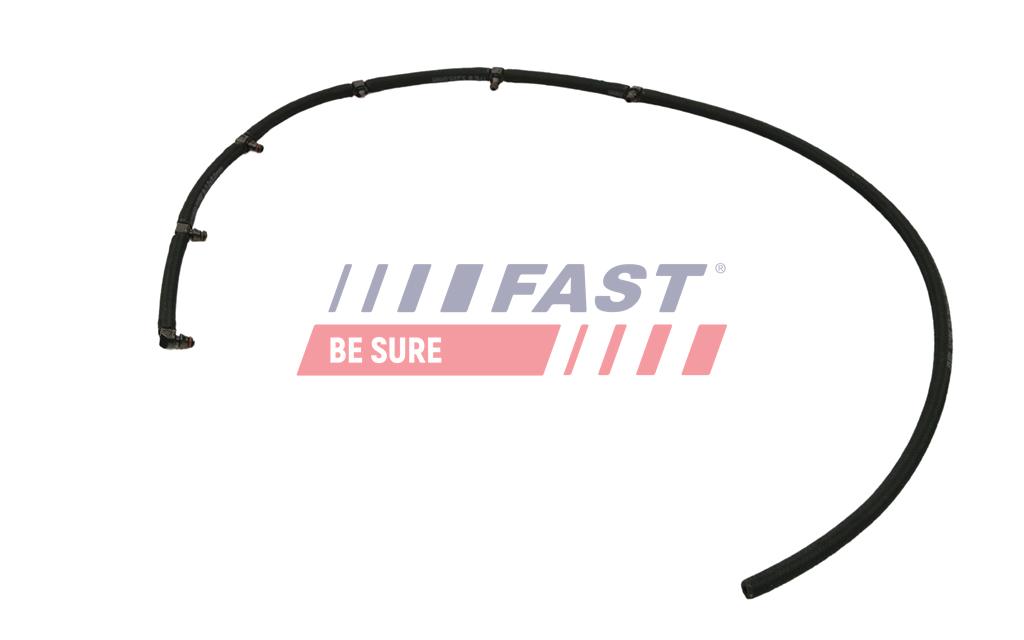
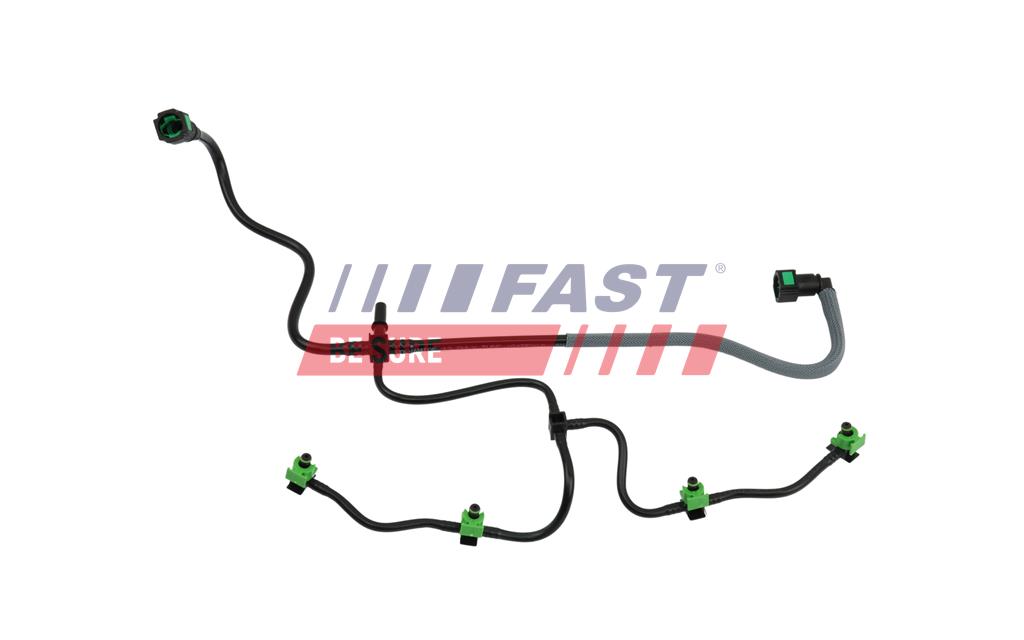
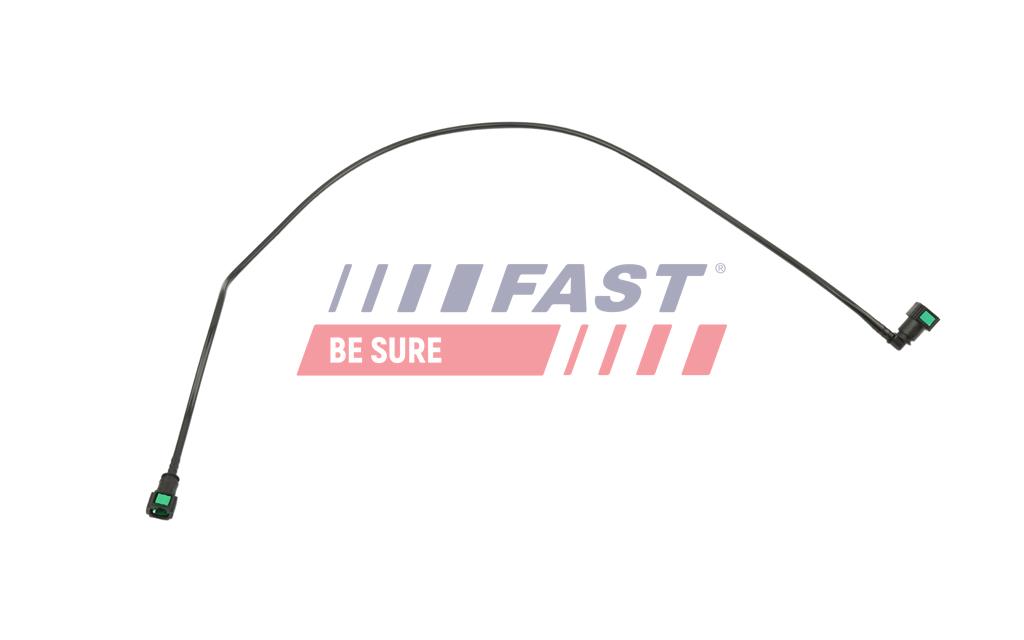
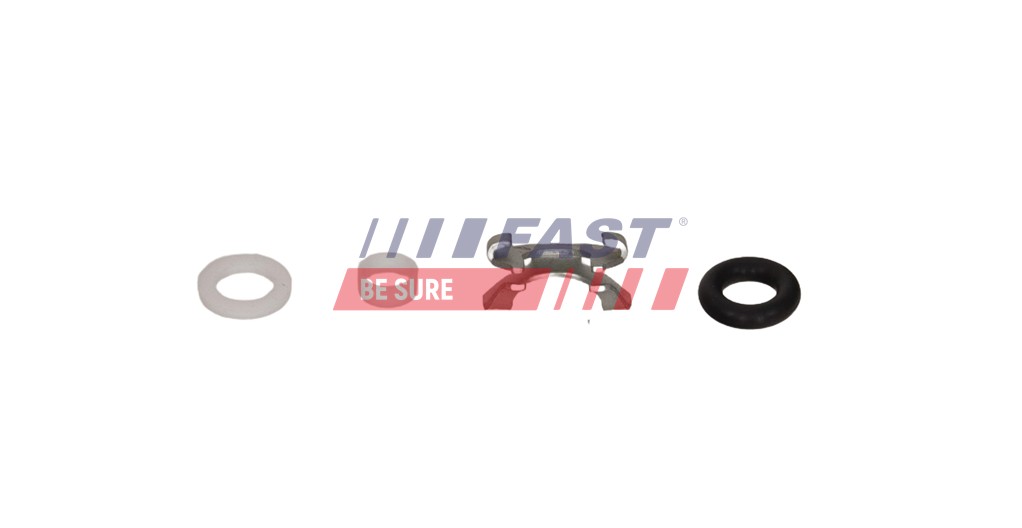
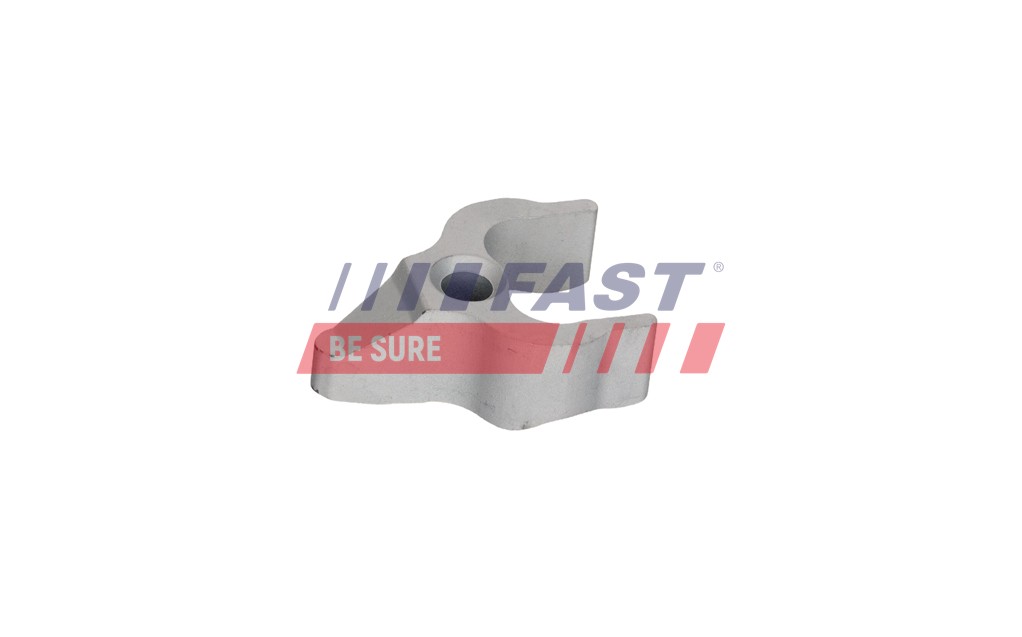
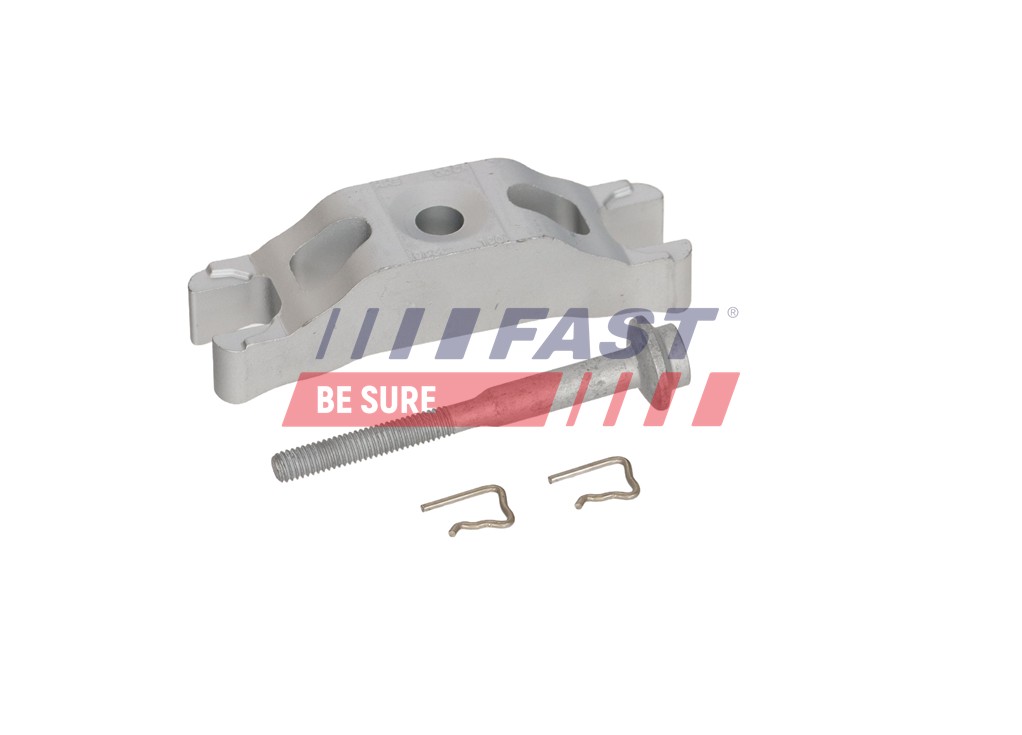

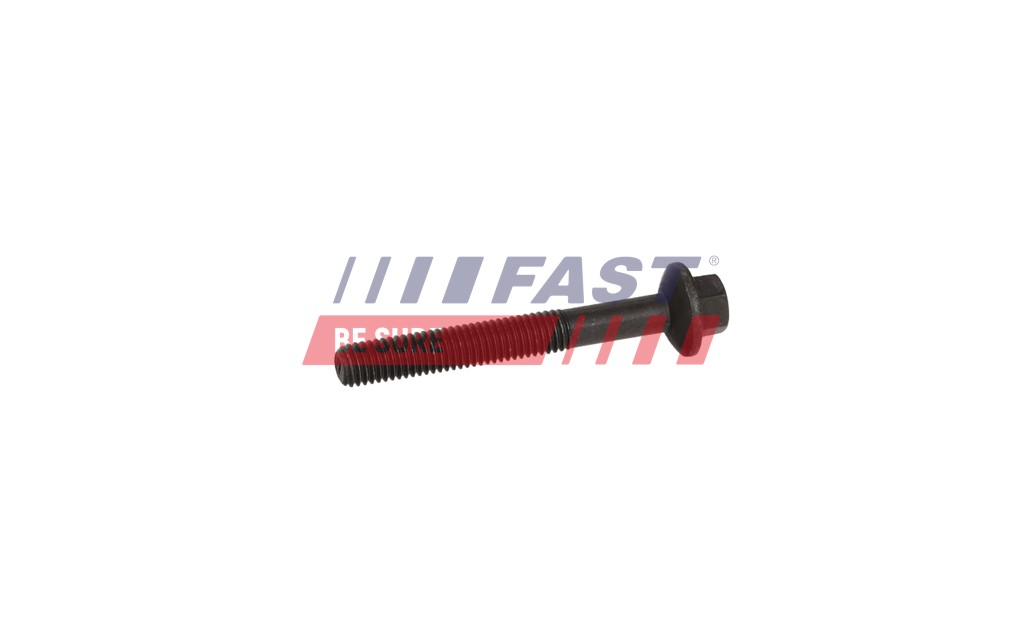
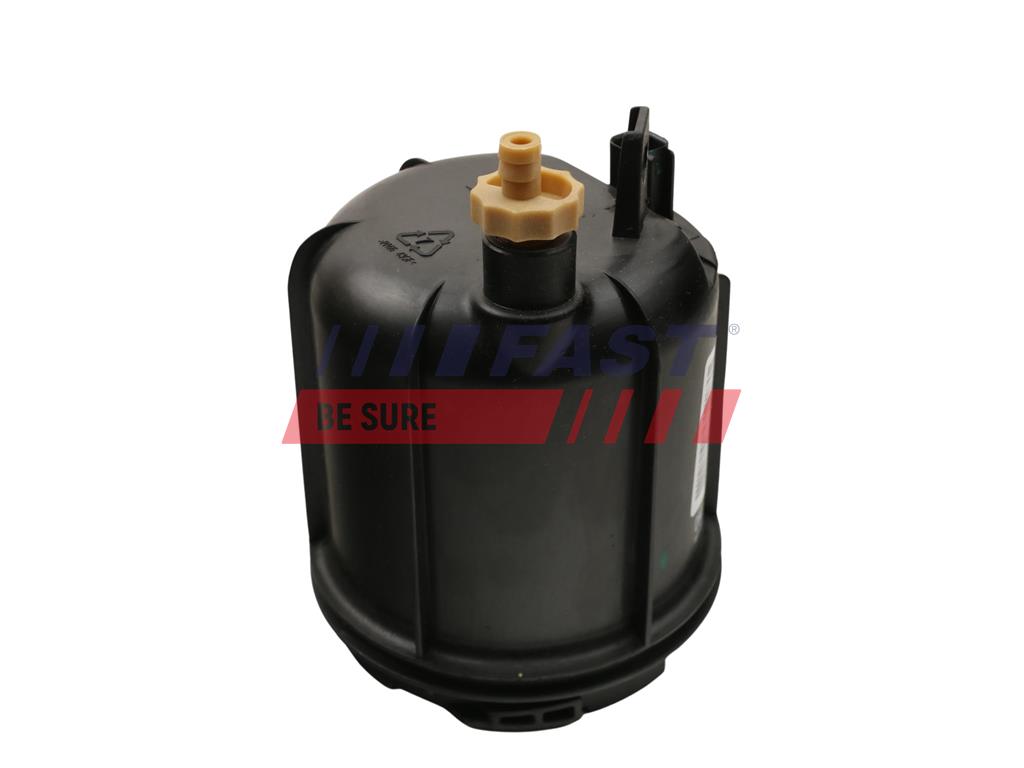
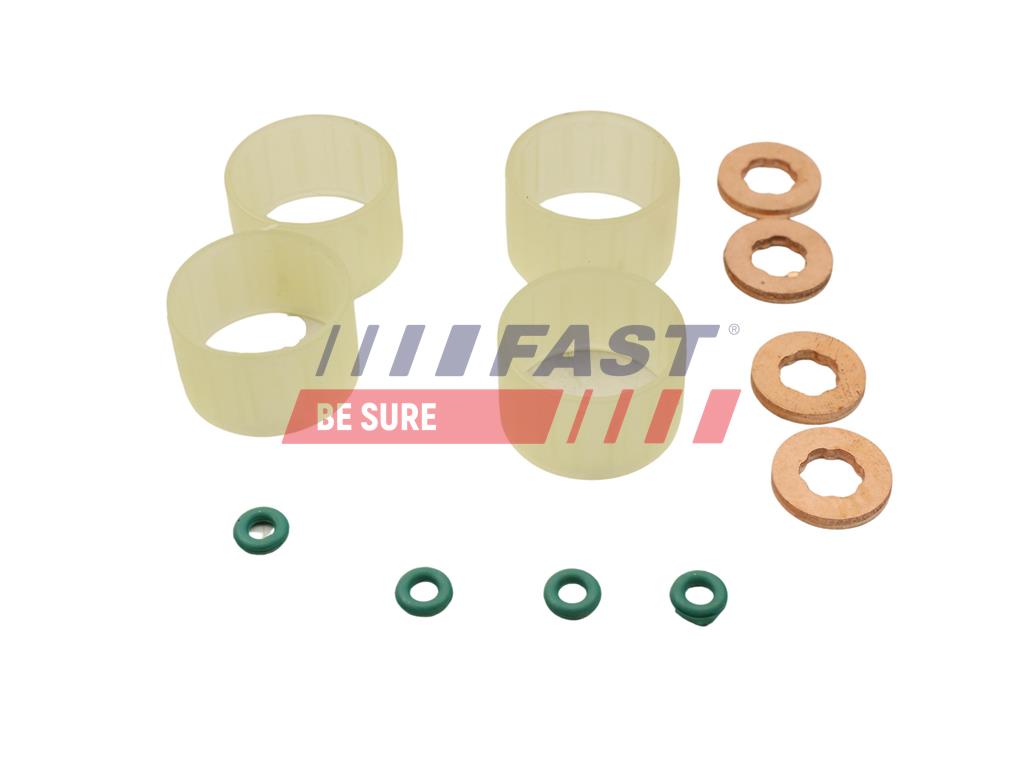

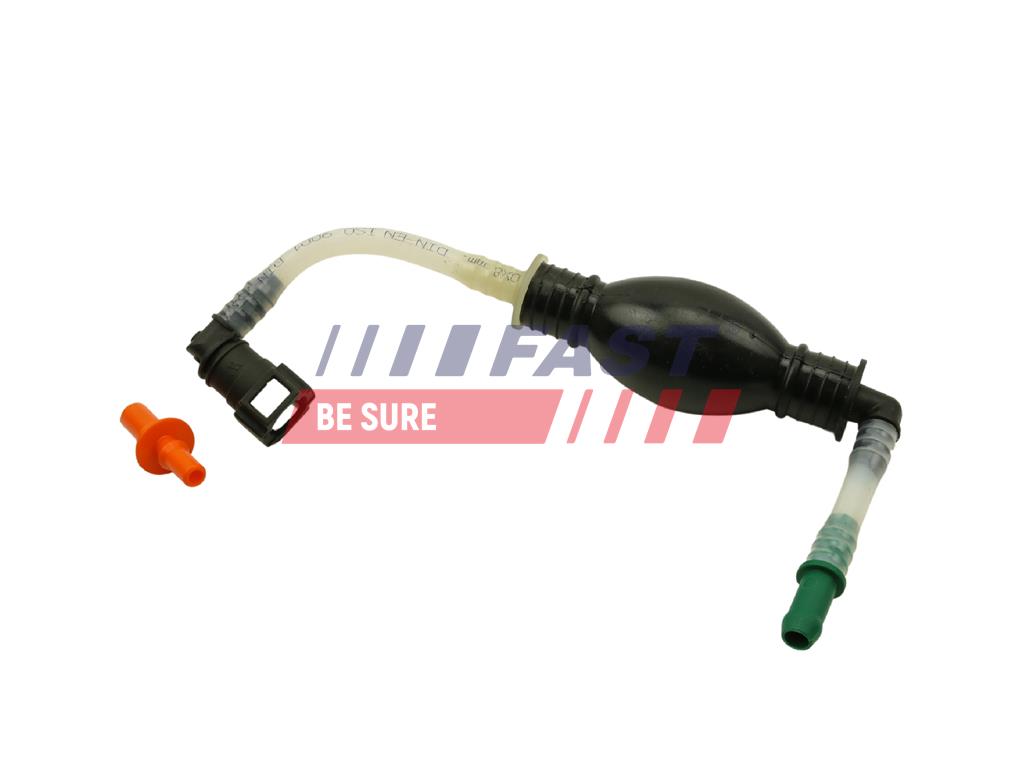
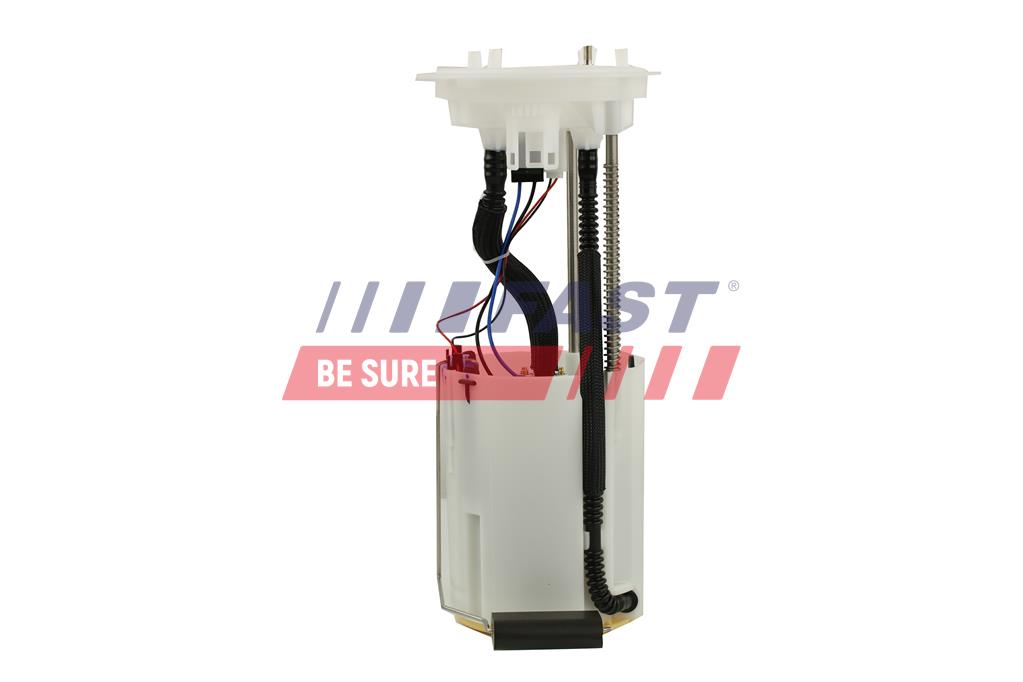
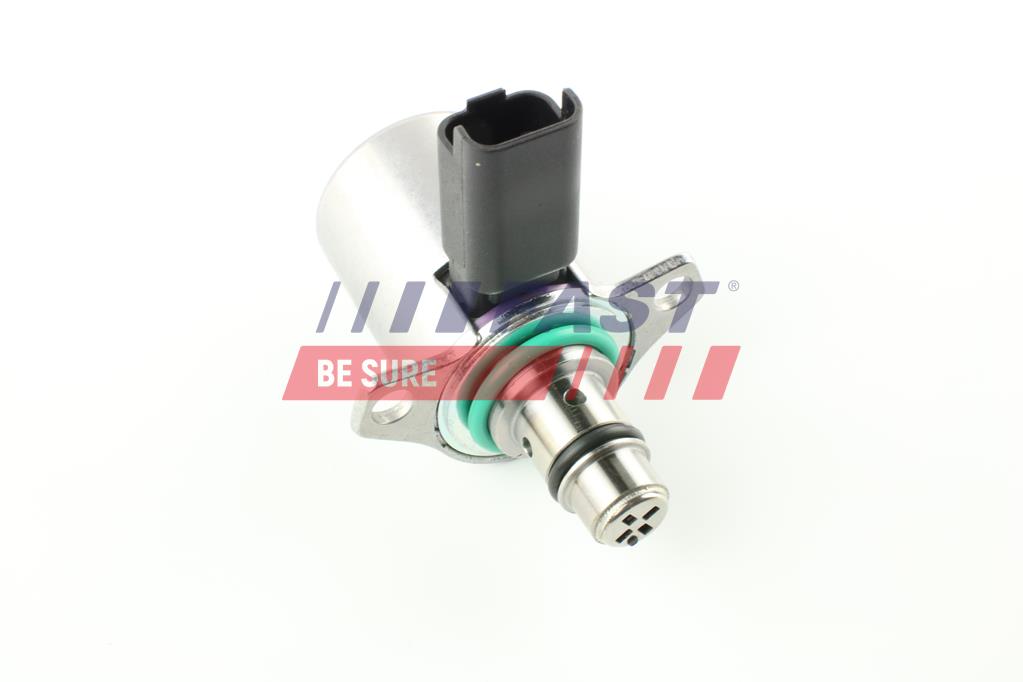
Explore our comprehensive Fuel System category to find top-quality components that ensure optimal performance and efficiency for your vehicle. Whether you’re looking to enhance the effectiveness of a fuel system cleaner or solve fuel injection system issues, our selection of parts and accessories is designed to meet your needs. Regular maintenance and timely repairs of diesel fuel systems can prevent contamination and extend engine life. Choose reliable parts and experience smoother rides today!
The fuel system is an intricate network of components working together to ensure that vehicles run smoothly and efficiently. At its core are elements such as fuel hoses, injectors, fuel pumps, and pressure regulators, each playing a crucial role in the system’s overall functionality. Fuel hoses are responsible for securely transporting fuel from the tank to the engine, tailored to fit specific vehicle models such as the Alfa Romeo 147/156, thus ensuring a precise fit and reliable function. Injectors then take over, atomising the fuel to mix with air for optimal combustion within the engine. Meanwhile, fuel pumps ensure a consistent supply of fuel is delivered under pressure, necessary for maintaining engine performance across various driving conditions. Pressure regulators, on the other hand, maintain the correct fuel pressure within the system, preventing damage and inefficiencies. Understanding these components is vital for recognising signs of wear or failure, which can be addressed with timely measures. By comprehending the roles and interactions of these components, one can enhance the fuel system’s efficiency and longevity, ensuring their vehicle remains reliable and performs optimally.
In the realm of vehicle maintenance, addressing common issues is critical for ensuring long-term reliability and performance. Several problems can arise, often stemming from wear and tear or external influences. Recognising the signs of contamination in the fuel system is crucial; symptoms may include rough engine idling, reduced fuel efficiency, or an illuminated check engine light. Effective troubleshooting of the fuel injection system involves systematic checks and adjustments to restore optimal fuel delivery. Key issues and solutions include:
By staying vigilant and performing regular maintenance, such as inspecting fuel lines and replacing filters, vehicle owners can manage contamination effectively and ensure efficient engine performance.
Maintaining the efficiency and longevity of diesel engines requires specific attention to their fuel systems. Regular maintenance is essential, starting with the use of a high-quality cleaner to prevent build-up and deposits that can impede performance. Ensuring the effectiveness of a fuel system cleaner is paramount in keeping injectors and pumps in top condition. Routine checks should also include examining filters, which play a critical role in preventing contaminants from entering the engine. Repairing diesel fuel systems often involves replacing worn components such as injectors or pressure regulators to restore optimal function. Additionally, it’s important to monitor for air leaks or fuel line degradation, as these can significantly impact engine performance. By adhering to these maintenance practices, diesel vehicle owners can ensure their engines run smoothly and efficiently, thus avoiding costly repairs down the line.
The primary components of a fuel system include:
To maintain a clean fuel system:
Indicators of fuel system contamination include:
If you observe any of these signs, it’s advisable to have your fuel system inspected and serviced promptly.

Dołącz do naszego newslettera. Dlaczego warto? Co tydzień masa nowości produktowych, których nie możesz przeoczyć. Wystarczy podać swój adres e-mail i korzystać z dostępu do bazy nowych produktów marki Fast. Portfolio marki rozrasta się nawet o kilkadziesiąt produktów tygodniowo. Nie trać możliwości powiększenia swojej oferty o nowe kody FAST, zarejestruj się już teraz!