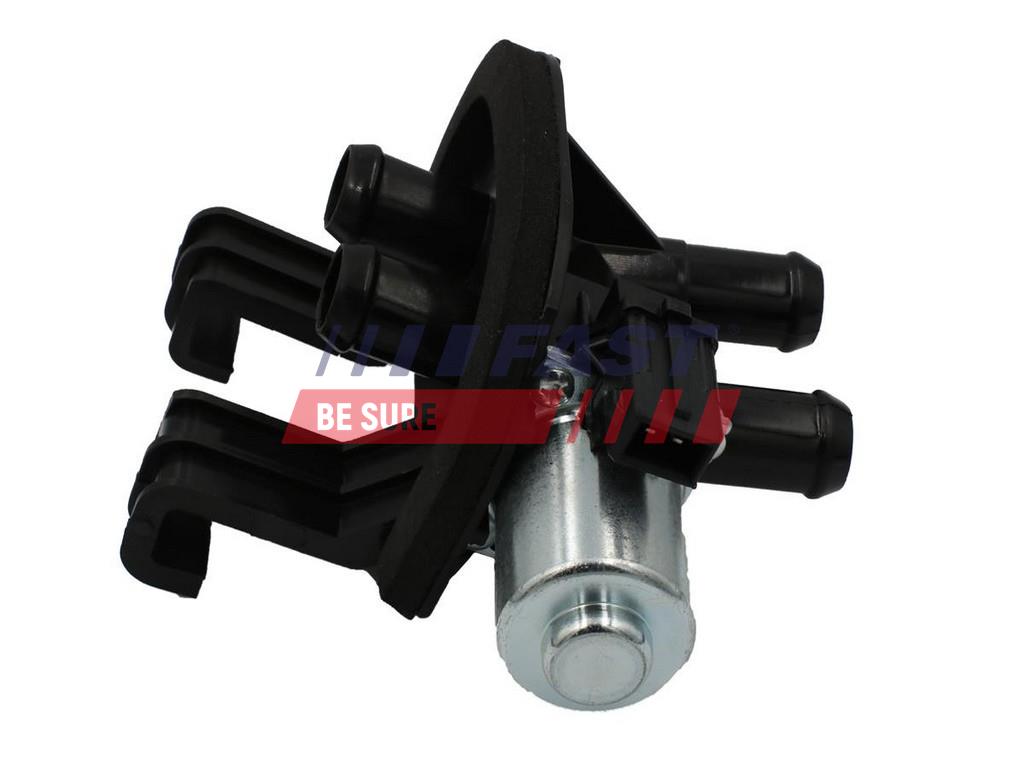
ZAWÓR NAGRZEWNICY FORD TRANSIT 00> 2.4 TDCI 2-PIN



Explore our vast selection of high-quality heater valves designed to keep your vehicle’s heating system running efficiently. Whether you’re dealing with a car heater blowing cold air or require a heater tap replacement, we provide top-notch solutions for both commercial and passenger vehicles. Our heater valves ensure optimal performance and are compatible with renowned brands like Fiat and Ford. Stay updated with the latest products and ensure your vehicle’s optimal performance with FAST original products.
The heater valve is a vital component in your vehicle’s heating system, playing a crucial role in ensuring a comfortable cabin environment during colder months. This component is responsible for regulating the flow of coolant through the heater core, which in turn heats the air that is blown into the car’s interior. A well-functioning heater valve ensures that your vehicle maintains the desired temperature, providing warmth and comfort to passengers. However, when a heater valve starts to malfunction, you may experience a range of issues, such as inconsistent cabin temperatures and, in some cases, the heater blowing cold air instead of warm. Regular maintenance and checks of the heater valve are essential to avoid such issues. By ensuring that the heater valve is in good working condition, you can prevent inconvenient cold air blowing and address malfunctions early on to save time and cost.
Choosing the right heater tap replacement for your vehicle requires considering crucial factors to ensure compatibility and optimal performance. The heater valve is a key component, so selecting the correct replacement is essential for maintaining cabin temperature. Start by identifying the make and model of your vehicle, as different vehicles may require specific types of heater valves. This ensures that the replacement part fits perfectly into your system. For those seeking enhanced efficiency, opting for an electronic heater control valve can be a wise choice. These advanced valves offer better control over the heating process, leading to improved temperature regulation. Prioritise high-quality replacements to ensure reliability and a longer service life, providing peace of mind. By selecting the appropriate heater tap replacement, you can prevent complications and ensure your vehicle’s heating system continues to operate effectively.
Proper maintenance of the heater valve is essential to ensure your vehicle’s heating system operates efficiently. Regular inspections can help identify heater control valve symptoms, such as fluctuations in cabin temperature, indicating potential issues. To maintain the heater valve, check for signs of wear, corrosion, or leaks. If the system is not functioning as expected, troubleshooting steps can involve checking coolant levels and ensuring no blockages in the heater core or hoses. For vehicles with an electronic heater control valve, ensure electrical connections are secure. If problems persist, seek professional assistance. Routine preventive maintenance extends the lifespan of the heater valve, ensuring consistent performance. Regular servicing by a qualified technician can offer peace of mind and maintain comfort.
The heater control valve regulates the flow of engine coolant into the heater core, a component responsible for warming the air that enters the vehicle’s cabin. By adjusting this flow, the valve helps control the temperature inside the vehicle, allowing passengers to set a comfortable climate. When the heater is turned on, the valve opens to permit hot coolant to pass through the heater core, thereby heating the air that is blown into the cabin.
If your vehicle’s heater is blowing cold air, several issues could be responsible. Common causes include low coolant levels, which prevent sufficient hot fluid from reaching the heater core; a malfunctioning thermostat that fails to regulate engine temperature properly; a clogged heater core obstructing coolant flow; or a faulty blend door actuator that doesn’t direct air through the heater core. Identifying and addressing the specific cause is essential to restore proper heating functionality.
To check the heater valve for leaks, first ensure the engine is cool to avoid injury. Locate the heater control valve, typically found on the heater inlet hose near the firewall. Inspect the valve and surrounding hoses for signs of coolant leakage, such as wet spots, corrosion, or a sweet smell indicative of coolant. If any leaks are detected, it’s advisable to replace the faulty valve or hose to prevent further issues with the vehicle’s heating system.

Dołącz do naszego newslettera. Dlaczego warto? Co tydzień masa nowości produktowych, których nie możesz przeoczyć. Wystarczy podać swój adres e-mail i korzystać z dostępu do bazy nowych produktów marki Fast. Portfolio marki rozrasta się nawet o kilkadziesiąt produktów tygodniowo. Nie trać możliwości powiększenia swojej oferty o nowe kody FAST, zarejestruj się już teraz!