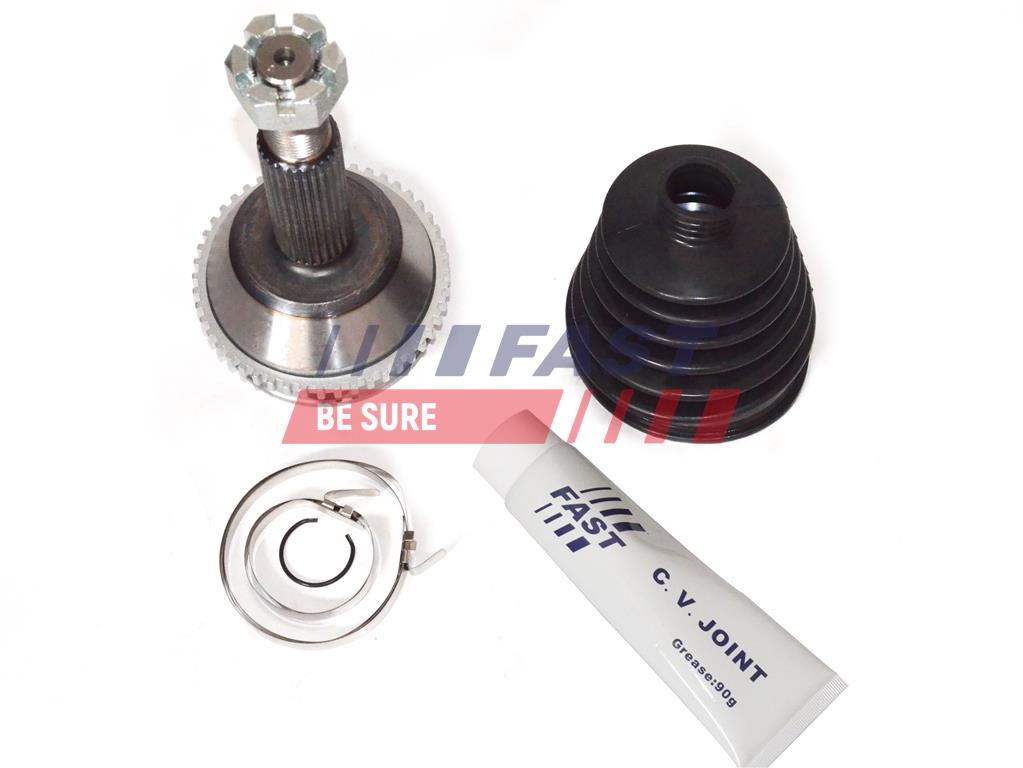
ШРУС FORD TRANSIT 06> ВНЕШ 2.2 DCI


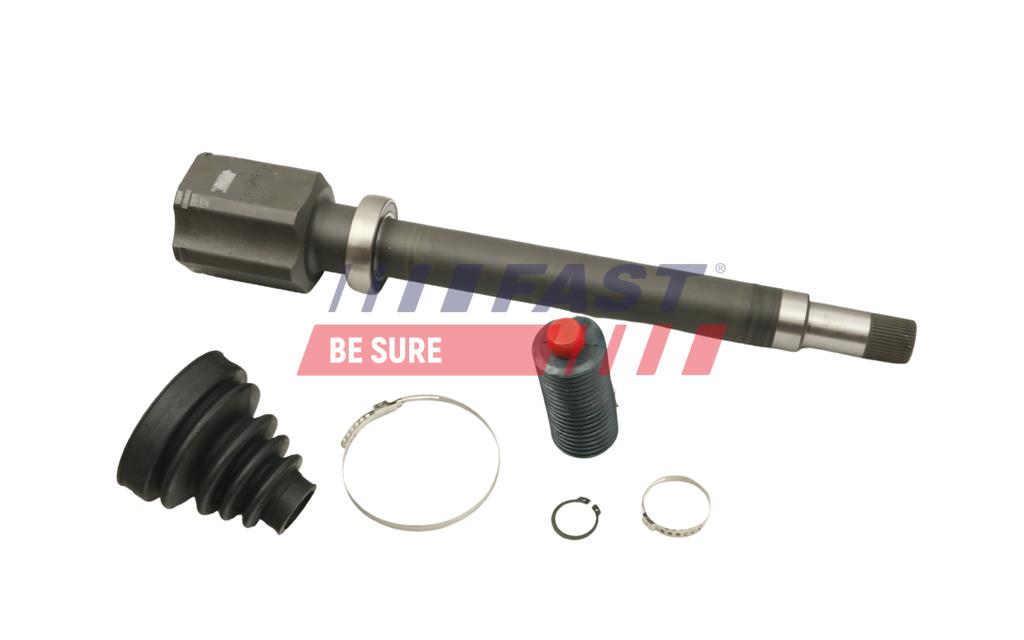

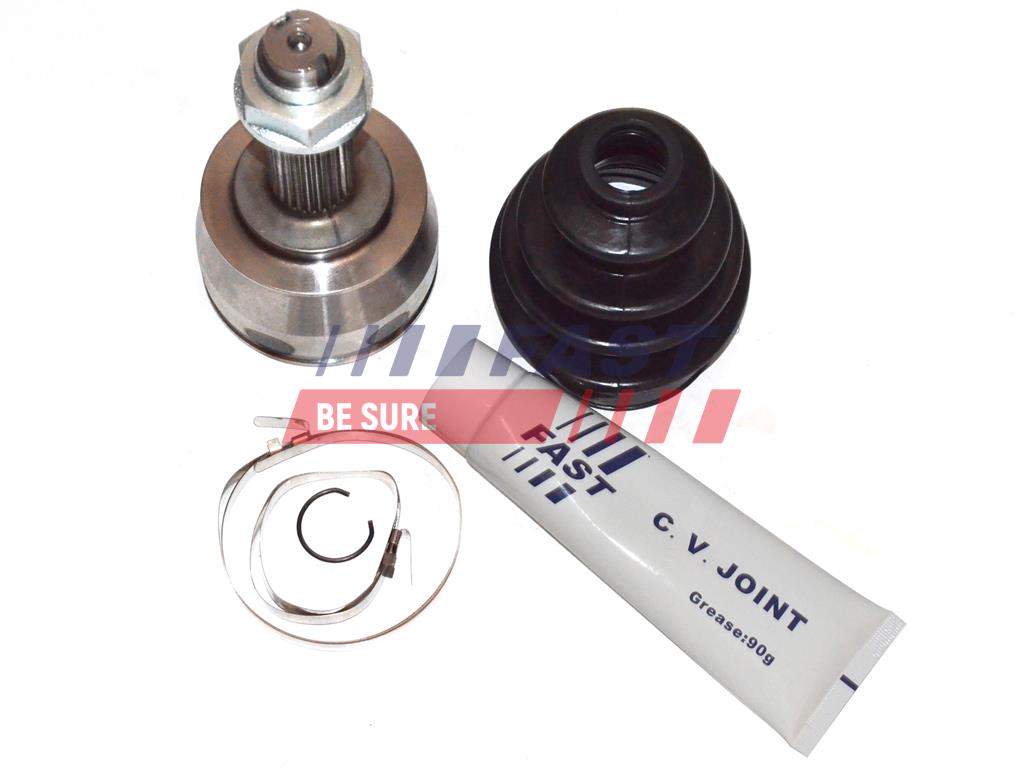
![FT25518K ШРУС RENAULT KANGOO I 97> ВНЕШ 1.5DCI [+]ABS=44](https://fastoriginal.eu/katalog/wp-content/uploads/2025/07/91965.jpeg)


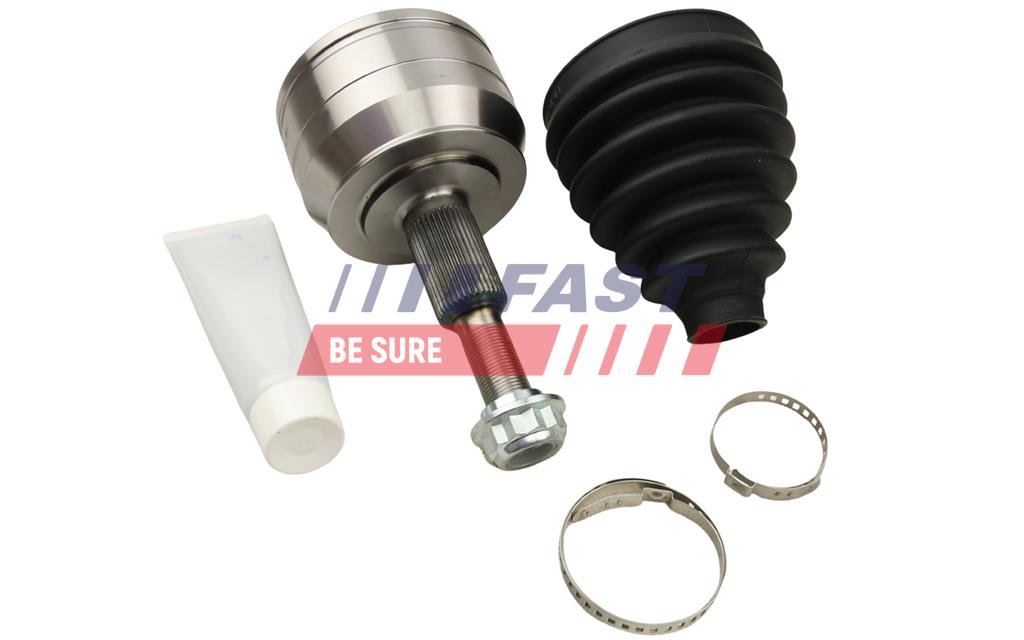
![FT25035K ШРУС FIAT SCUDO / ULYSSE 95> ВНЕШ 1.6/1.8/2.0/1.9D [+]ABS](https://fastoriginal.eu/katalog/wp-content/uploads/2025/07/83343.jpeg)
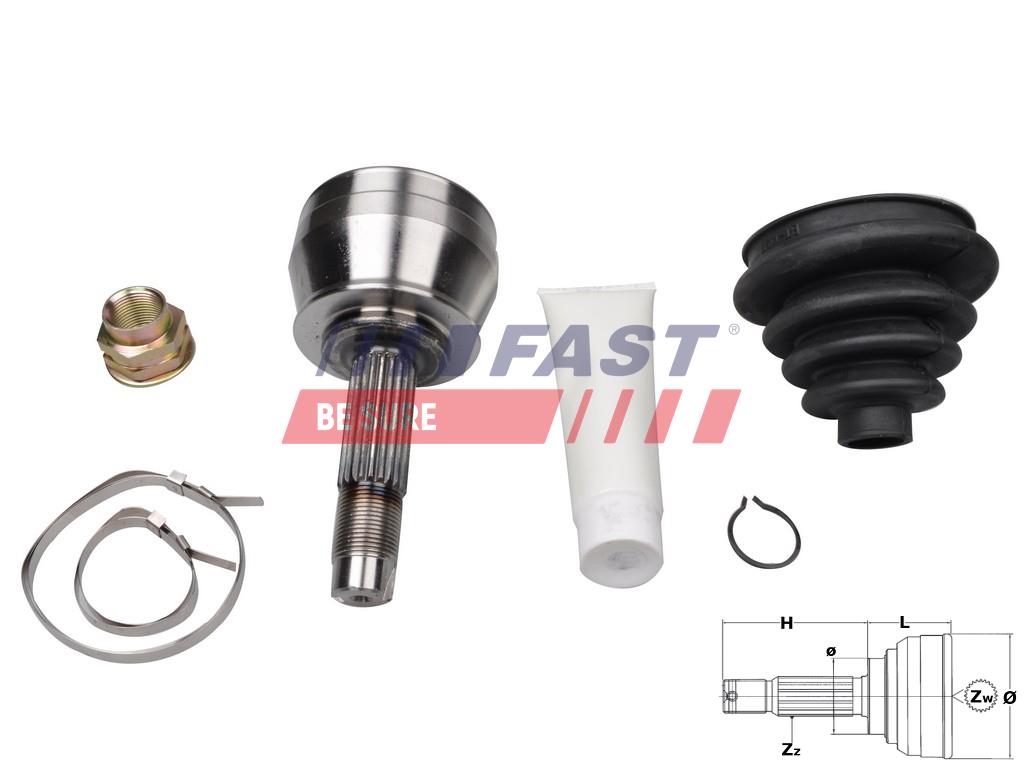
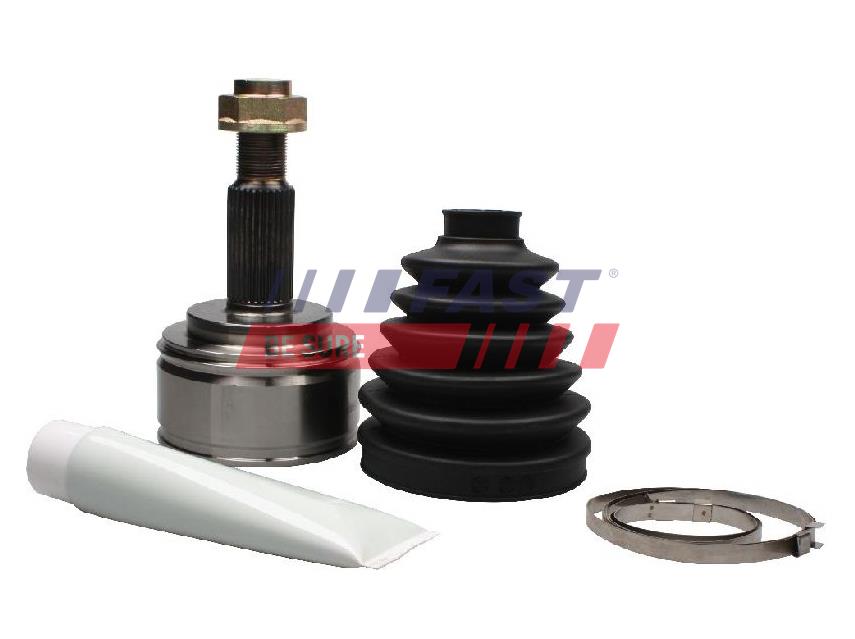
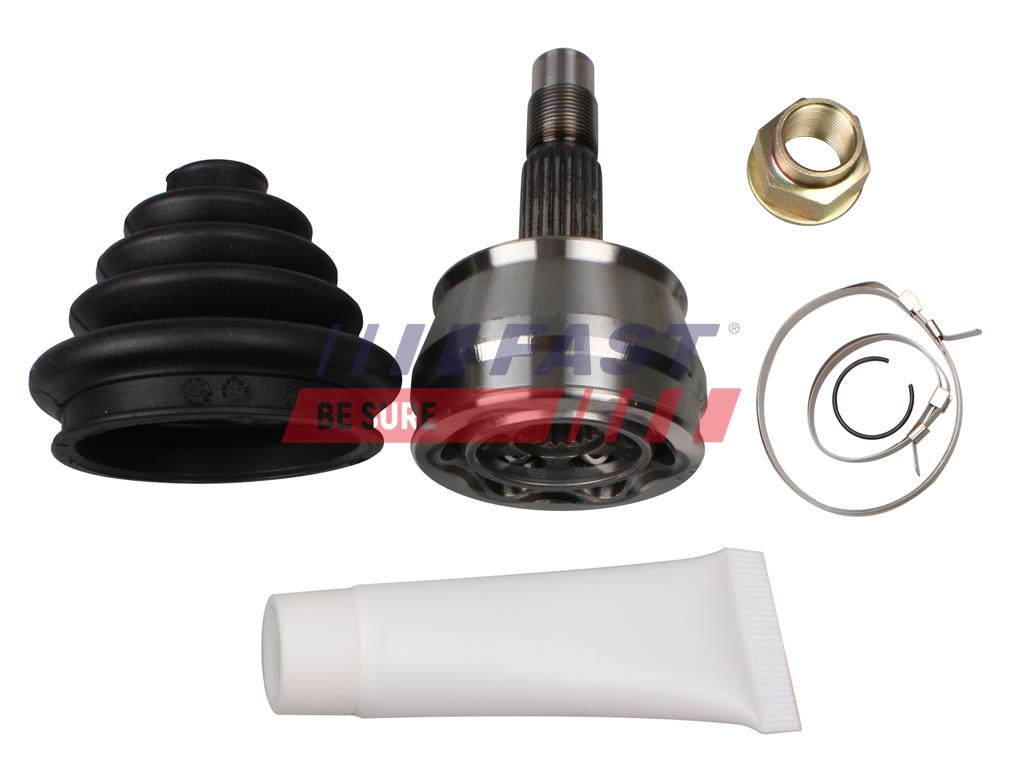
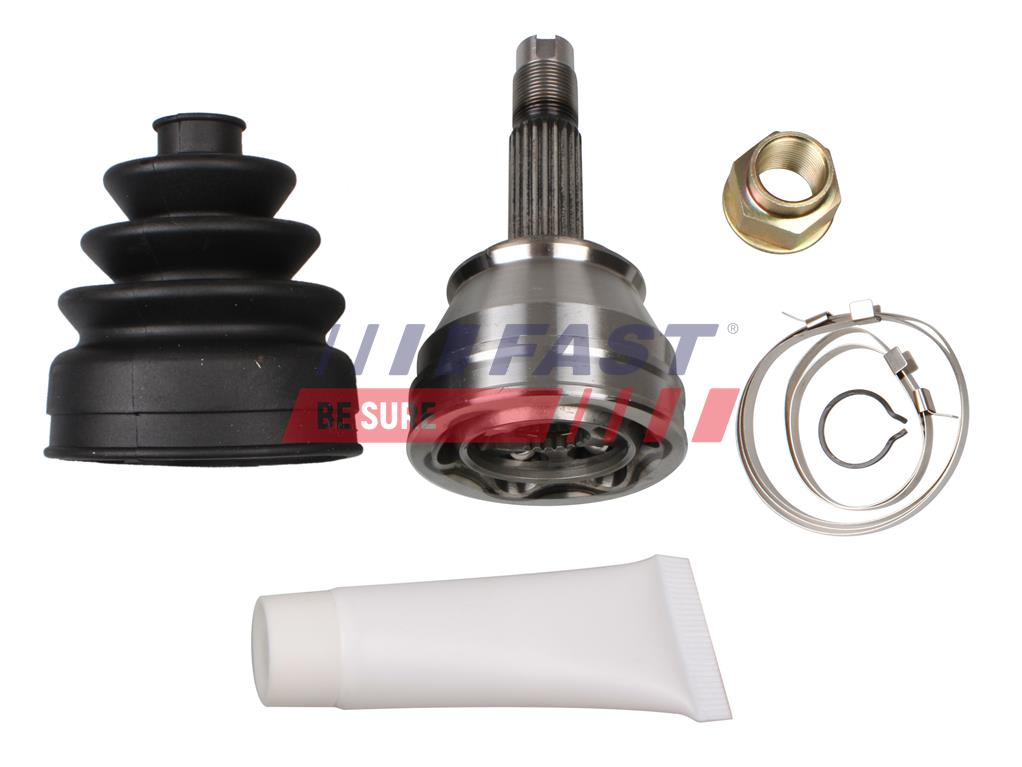
![FT25006K ШРУС FIAT DUCATO 94> ВНЕШ 10/14Q [+]ABS](https://fastoriginal.eu/katalog/wp-content/uploads/2025/07/53928.jpeg)
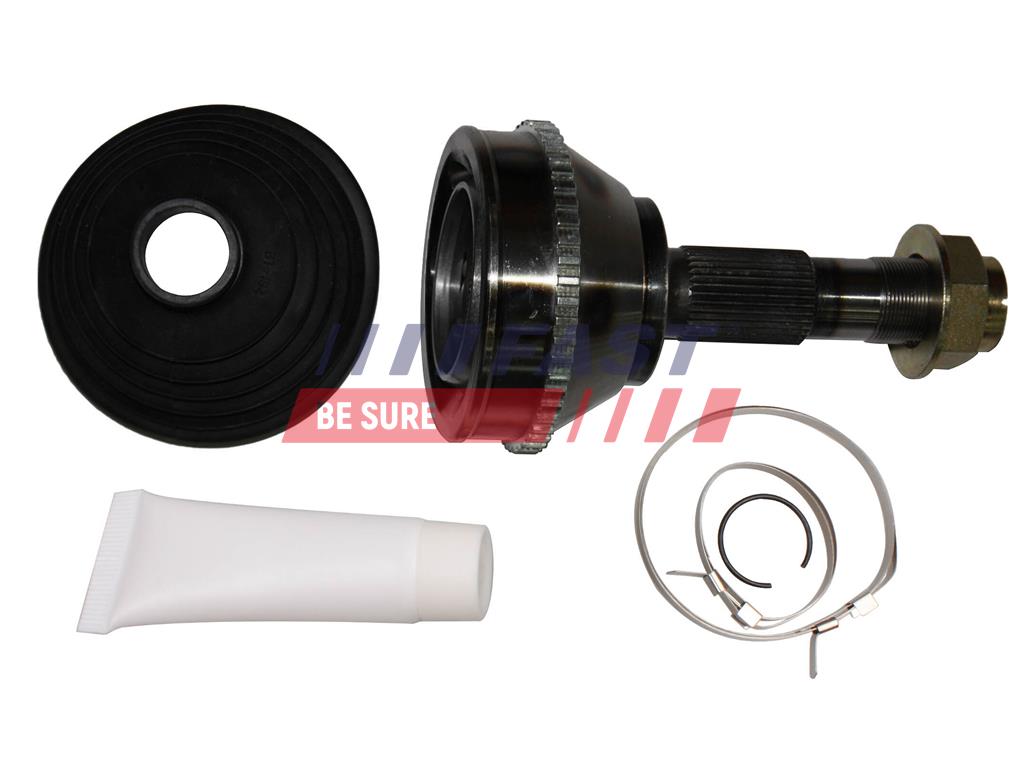
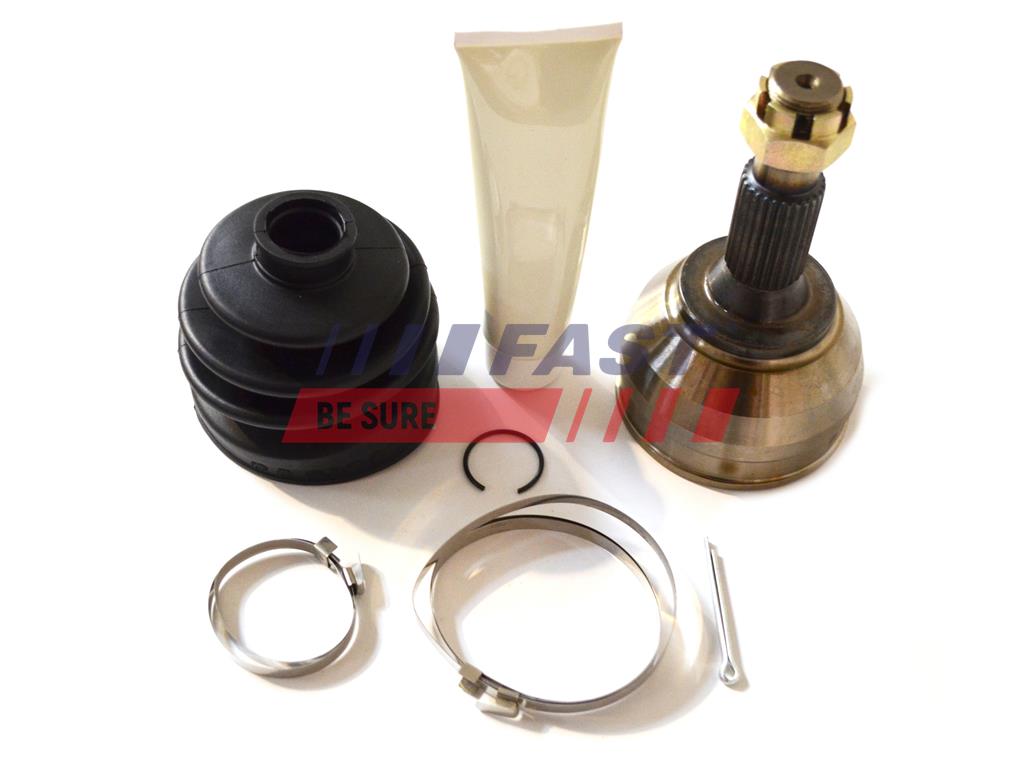
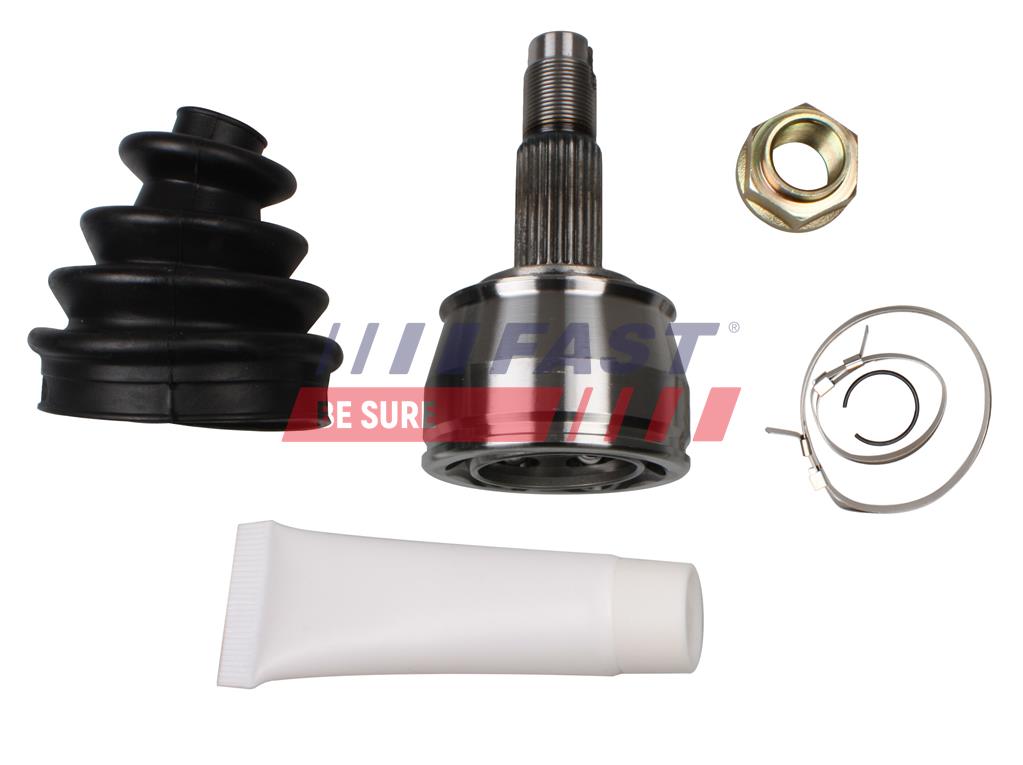
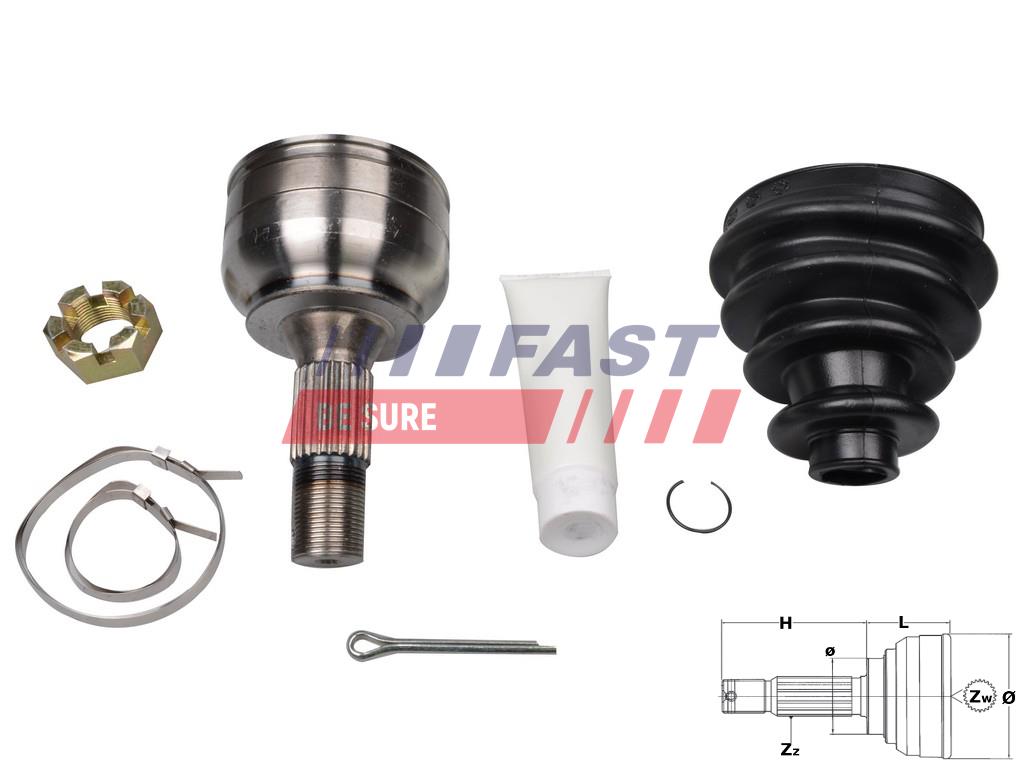

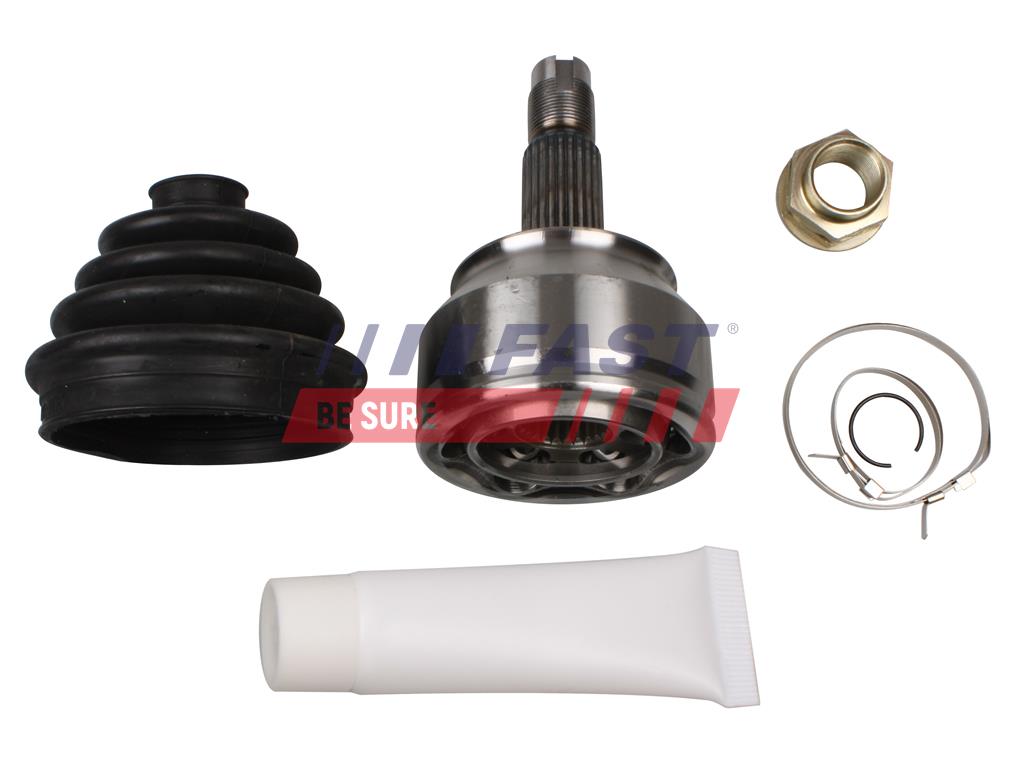
The constant-velocity joint connects the driveshaft to the wheel hub, allowing torque to flow as the suspension moves and the wheels turn. In working vans that spend long hours in traffic or carry heavy loads, this drivetrain element operates under constant stress. When wear develops, drivers may notice vibration or a distinct clicking noise during turns. In this category, you will find parts for many commonly used vans such as Ford Transit, Volkswagen Transporter, Renault Trafic, Fiat Doblo and Mercedes Vito.
Every front- or all-wheel-drive van relies on a constant-velocity mechanism to transmit torque from the gearbox to the wheels. Unlike a rigid shaft, this joint assembly allows the axle to move with the suspension while maintaining smooth rotation. In vehicles used for transport, servicing or deliveries, the drivetrain faces continuous load changes. Frequent acceleration, tight manoeuvres and uneven road surfaces all place stress on the driveshaft assembly. When this system works correctly, the vehicle accelerates smoothly, and steering remains predictable.
The FAST original range includes parts prepared for the realities of workshop work. Mechanics often look for components that slot into place immediately without extra adjustments. A precise fit shortens installation time and gives mechanics confidence in the installation. Workshops also value parts that simply work after installation. If the part aligns correctly from the start, mechanics can install it once and avoid customer complaints or returns. This reliability matters particularly for commercial vehicles that cannot remain off the road for long. The FAST original portfolio includes over 18,000 products, covering a wide range of parts for vans used across Europe. The brand is also supported by more than 10,000 mechanic reviews, confirming that workshops trust these parts in everyday service work. Workshops that choose FAST original CV joints often rely on other parts from the range as well, including mirrors, rear lighting, bumpers, suspension control arms, brake callipers, shock absorbers and air hoses for light commercial vehicles.
Understanding the difference between outer and inner light commercial vehicle joint components helps diagnose drivetrain problems quickly. The outer joint connects the driveshaft to the wheel hub. It handles steering angles during cornering and absorbs the movement created when the driver turns the wheel. Because of this constant articulation, this element usually wears first. A typical sign is the characteristic clicking sound when turning, particularly during tight manoeuvres. The inner joint sits closer to the gearbox. Its main role is to compensate for changes in the driveshaft length as the suspension moves up and down. Instead of steering movement, it absorbs vertical wheel travel. Both elements must work together to maintain stable drivetrain operation. If excessive play develops in either part of the driveshaft assembly, drivers may feel vibration during acceleration or notice instability under load. Correct identification of the faulty element saves time in the workshop. Replacing only the worn part keeps the repair straightforward and avoids unnecessary cost for the vehicle owner.
Wear in the drivetrain components rarely appears without warning. Several clear symptoms help mechanics determine when light commercial vehicle joint replacement becomes necessary. The most recognisable signal is a clicking sound when turning, often heard during parking or slow manoeuvres. This noise usually indicates wear in the outer joint housing, where the internal bearings operate at high angles. Other warning signs include vibration during acceleration, grease leaking from a torn protective boot or noticeable play in the axle. Once dirt enters the joint housing, internal wear accelerates quickly. In some situations, replacing the rubber boot may be enough, particularly if the damage is detected early. However, if noise or vibration already appears, installing a new joint becomes the safer option.
FAST original parts support workshops that want a repair completed efficiently. Each part comes with a 5-year warranty, giving mechanics and vehicle owners confidence that the repair will last. Combined with original-equipment quality at a reasonable price, this makes FAST original a smart choice for working vans that must stay on the road.
The most typical symptom is a clicking sound when turning, especially during slow manoeuvres such as parking. The sound usually becomes louder as the steering angle increases, indicating wear in the outer CV joint.
If the rubber boot is torn but the joint still operates quietly and without vibration, replacing the boot and adding fresh grease may be enough. If you hear noise, feel vibration or see metal particles in the grease, replacing the whole joint is usually the safer option.
Driving with a worn CV joint is risky. The noise and vibration will increase over time, and the joint may eventually fail, leading to loss of drive to the wheel. Early replacement prevents further drivetrain damage.

Подпишитесь на нашу рассылку, почему это стоит сделать? Каждую неделю множество новинок, которые вы не можете пропустить. Просто введите свой адрес электронной почты и получите доступ к базе данных новых продуктов Fast. Портфель бренда пополняется до нескольких десятков товаров в неделю. Не упустите возможность расширить свое предложение за счет новых кодов FAST, регистрируйтесь прямо сейчас!