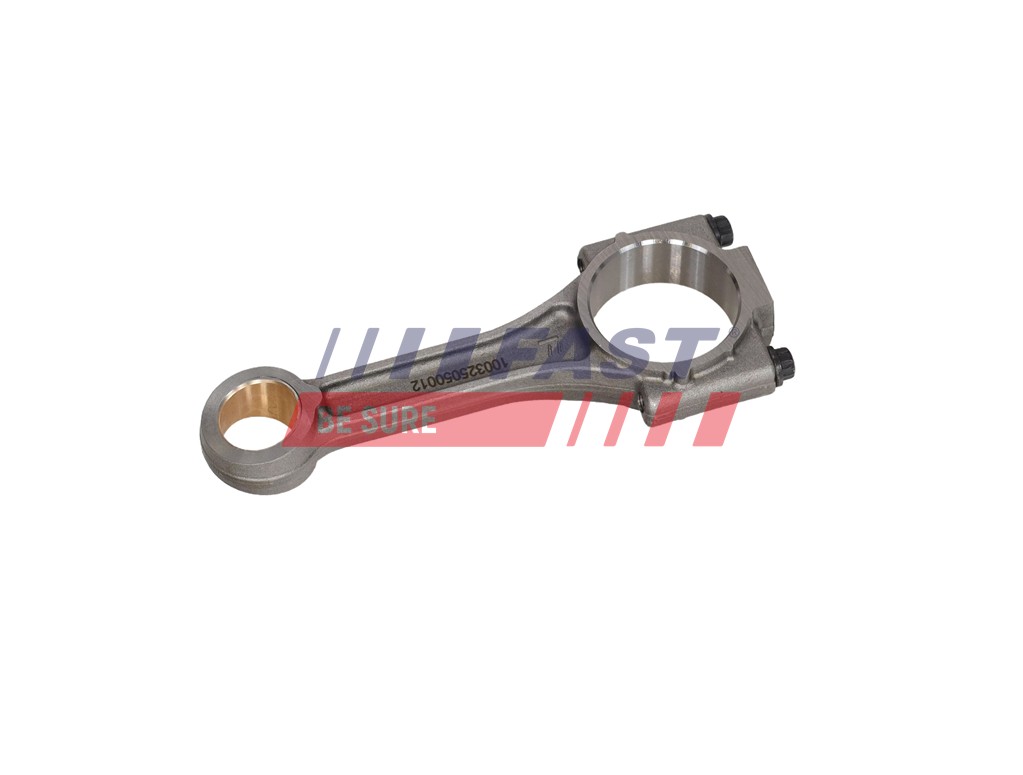
ШАТУН VW CADDY III 03> 1.9 TDI

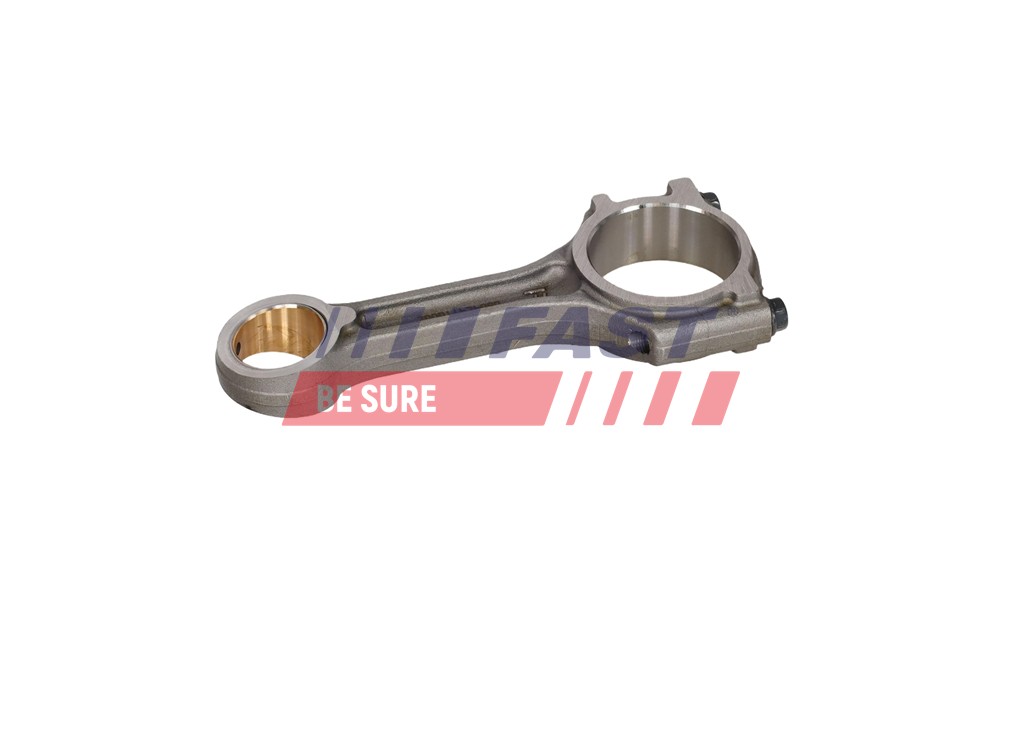
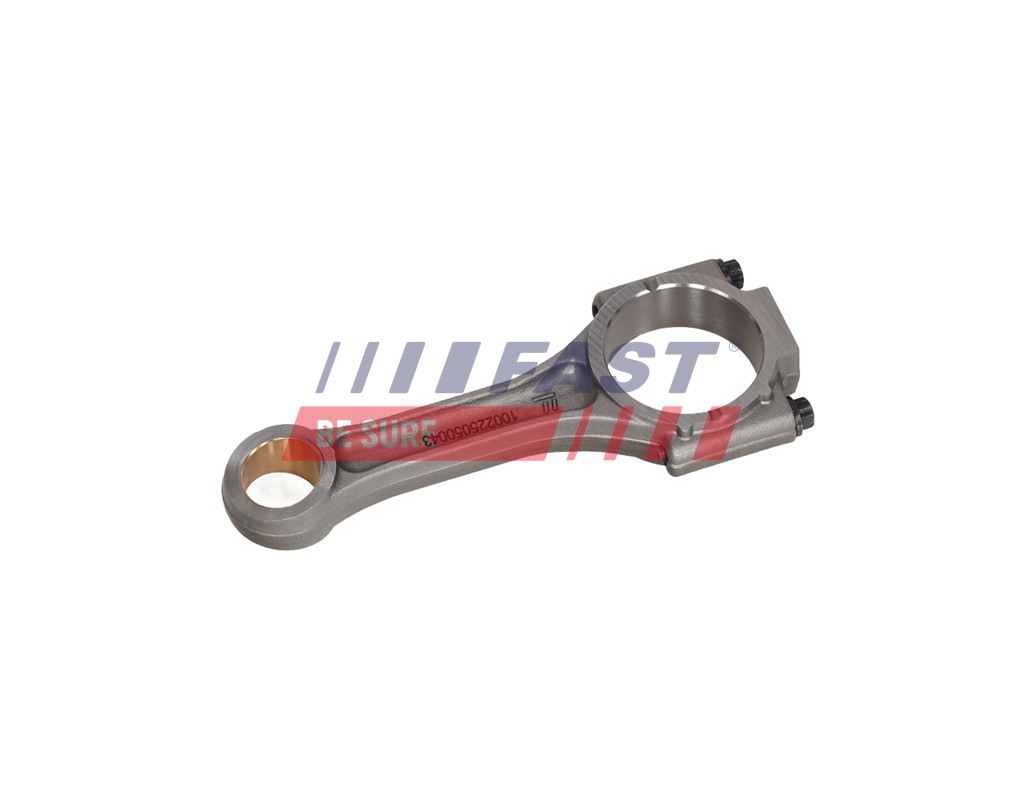

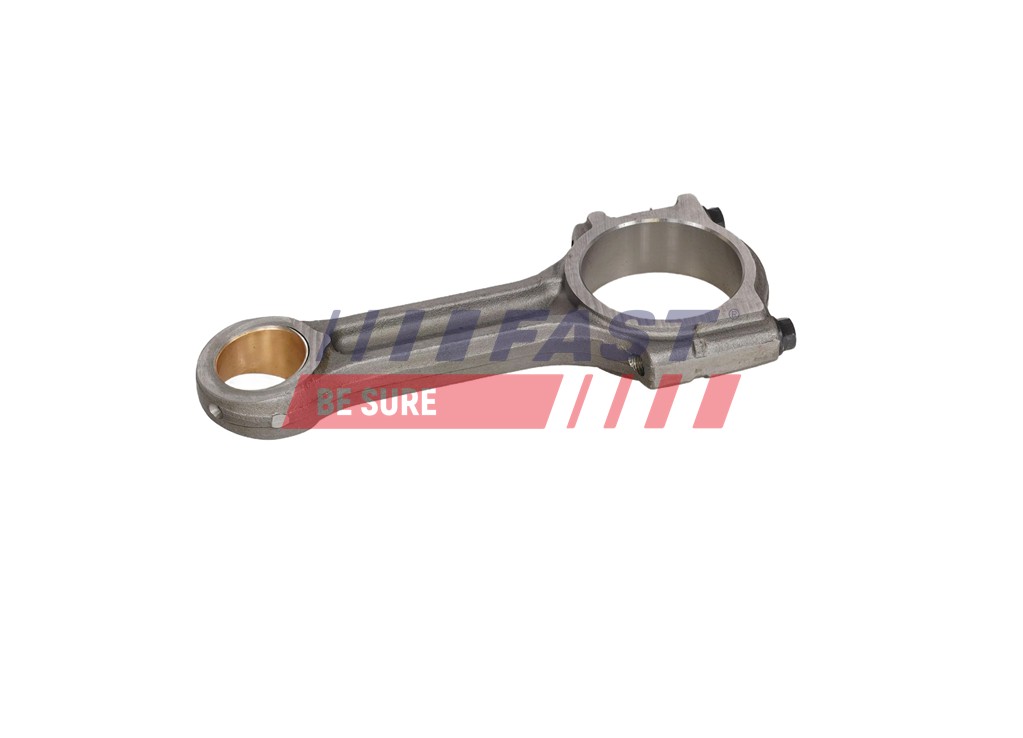

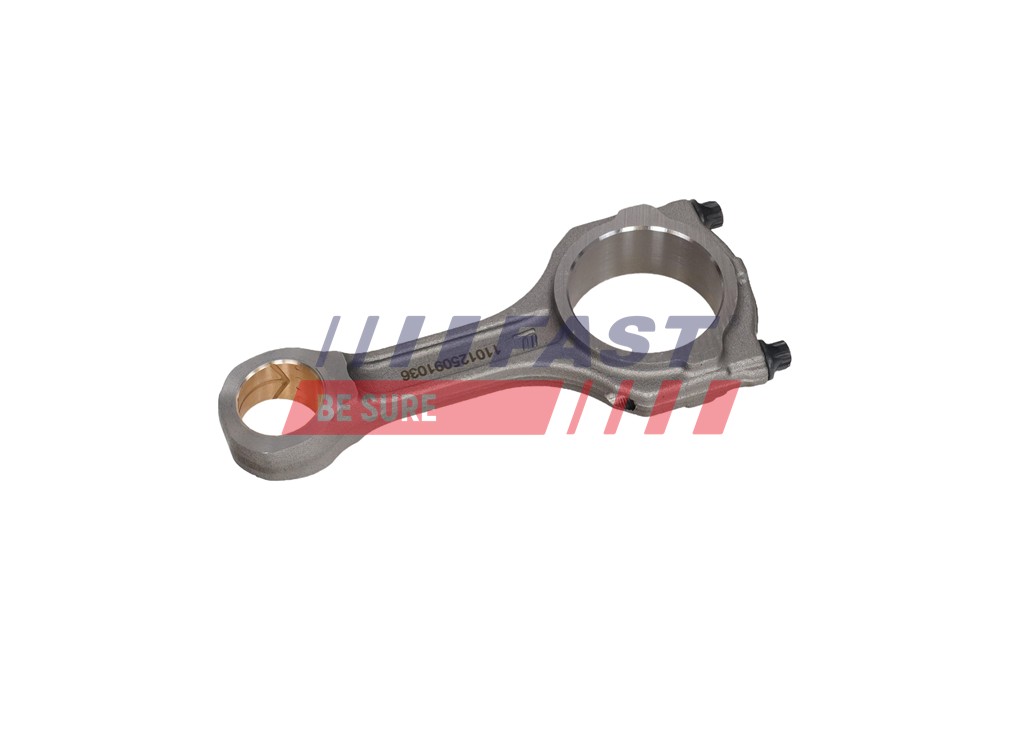
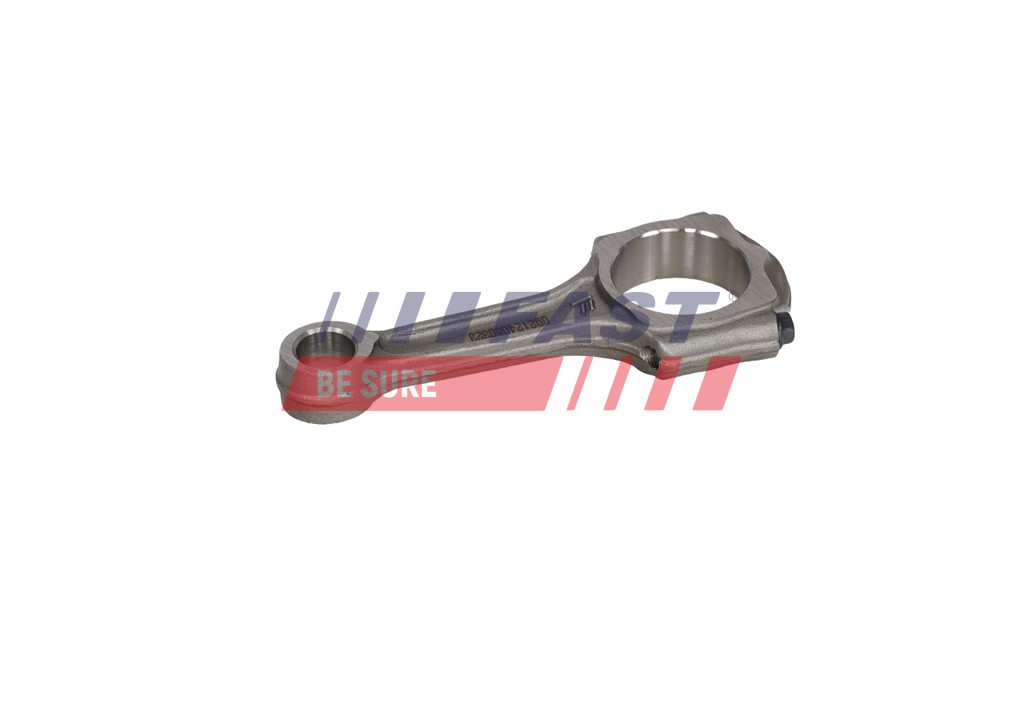
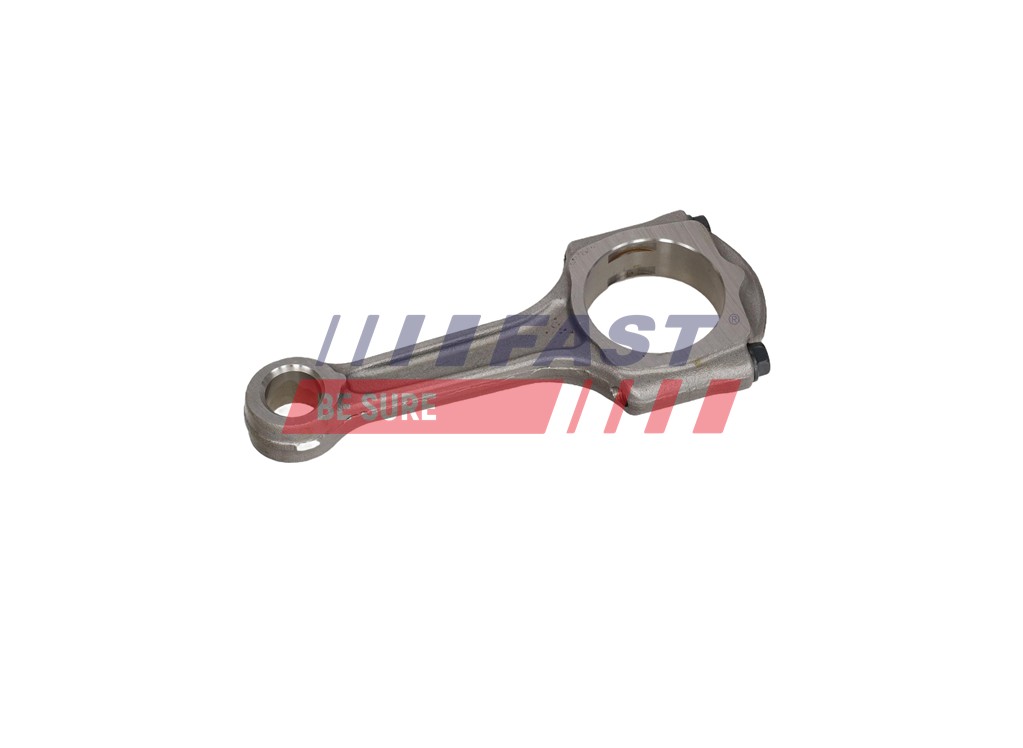


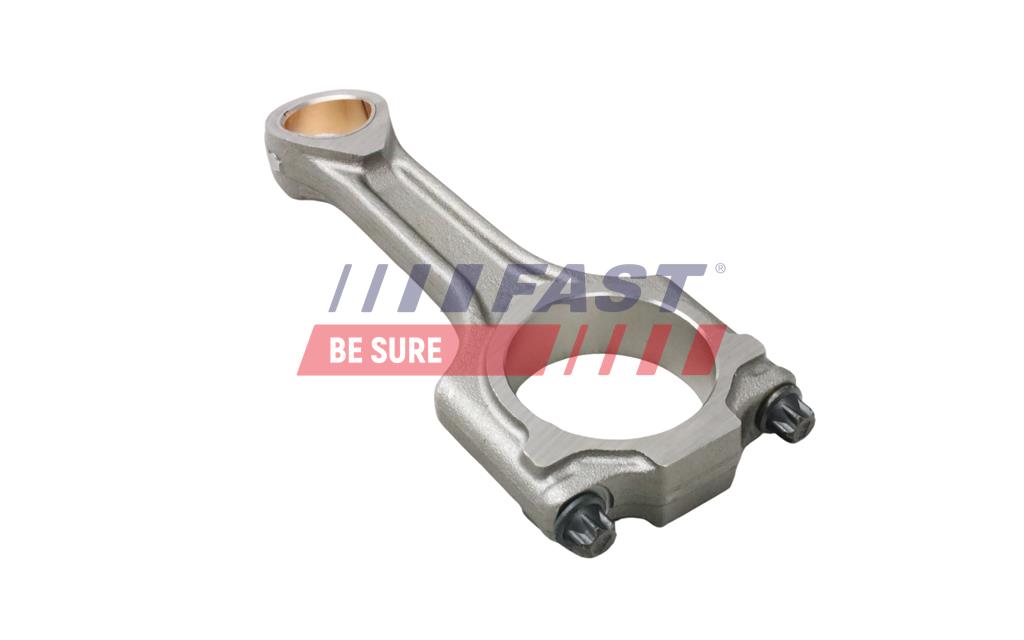
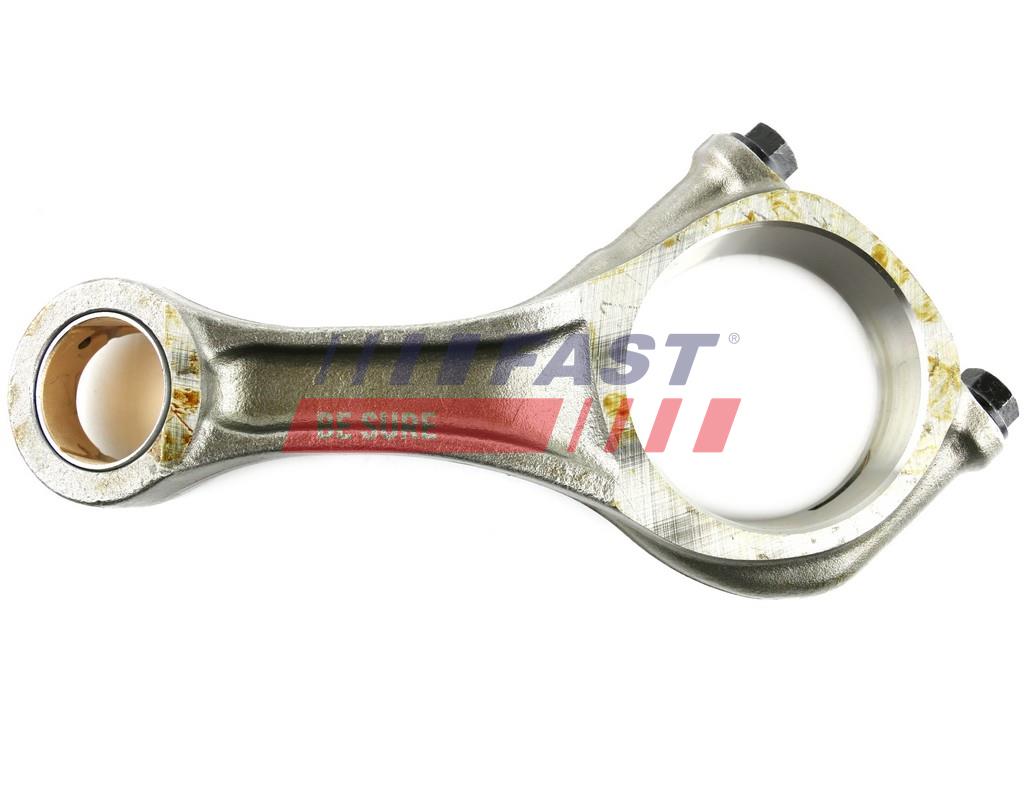
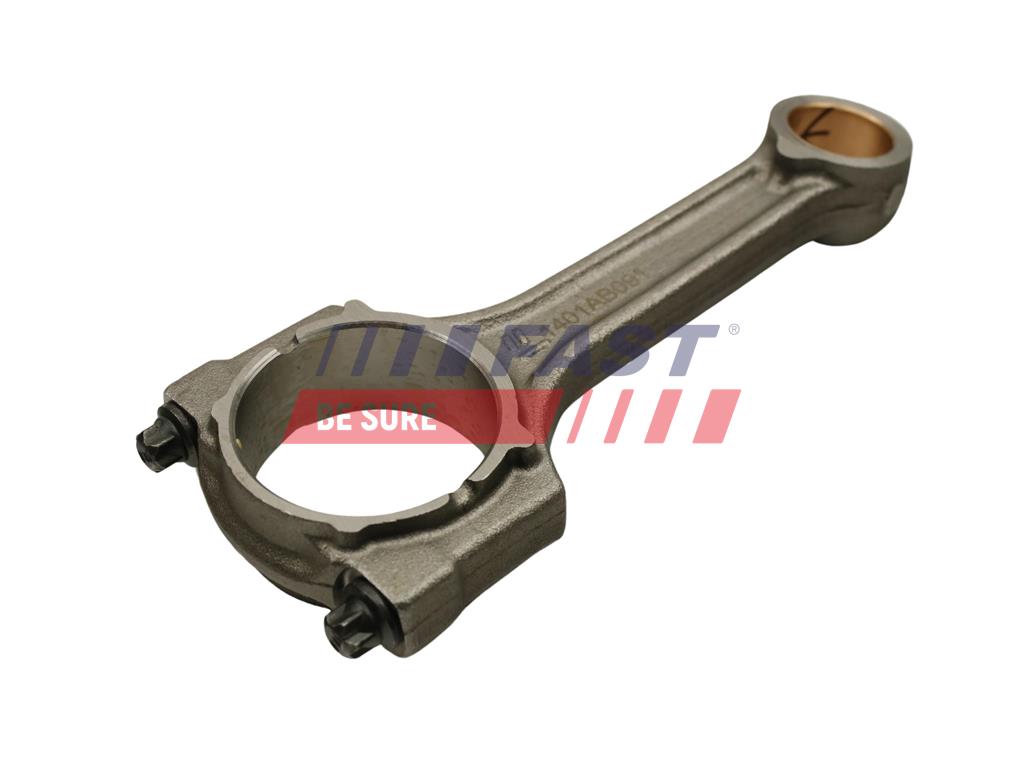

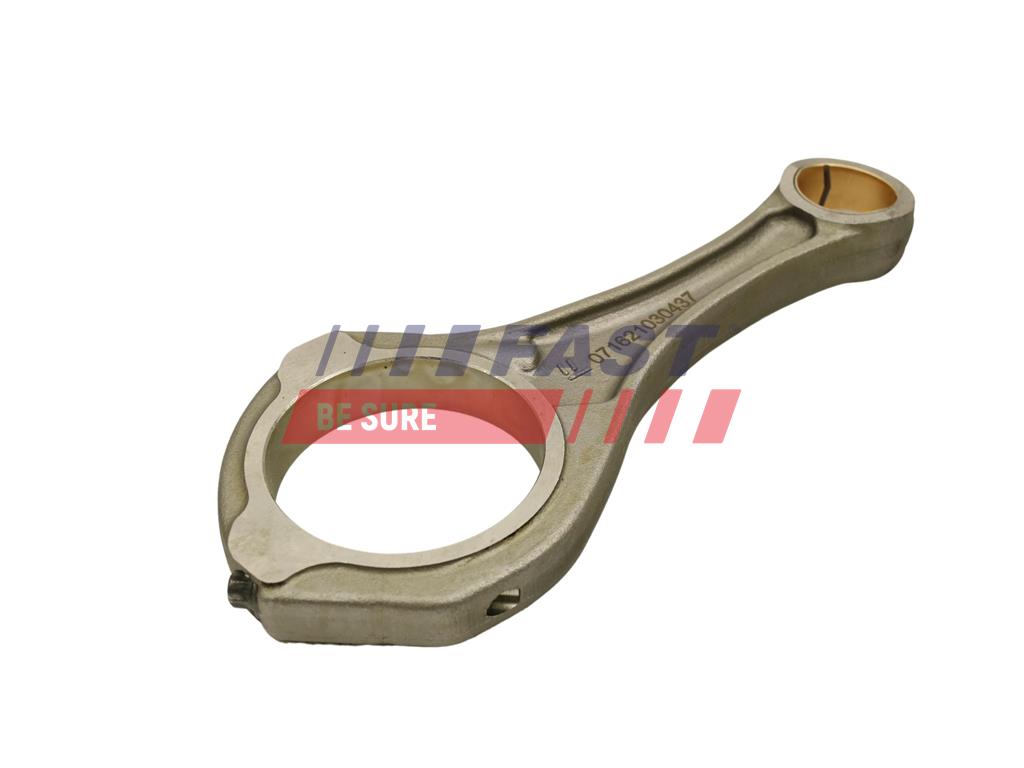
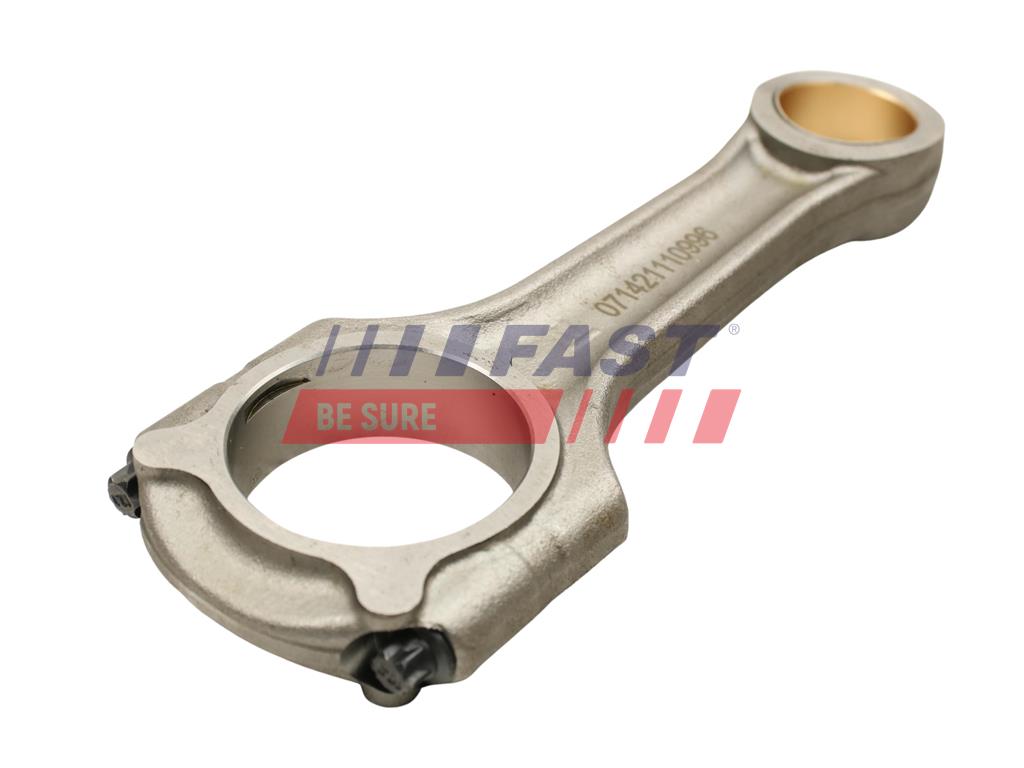
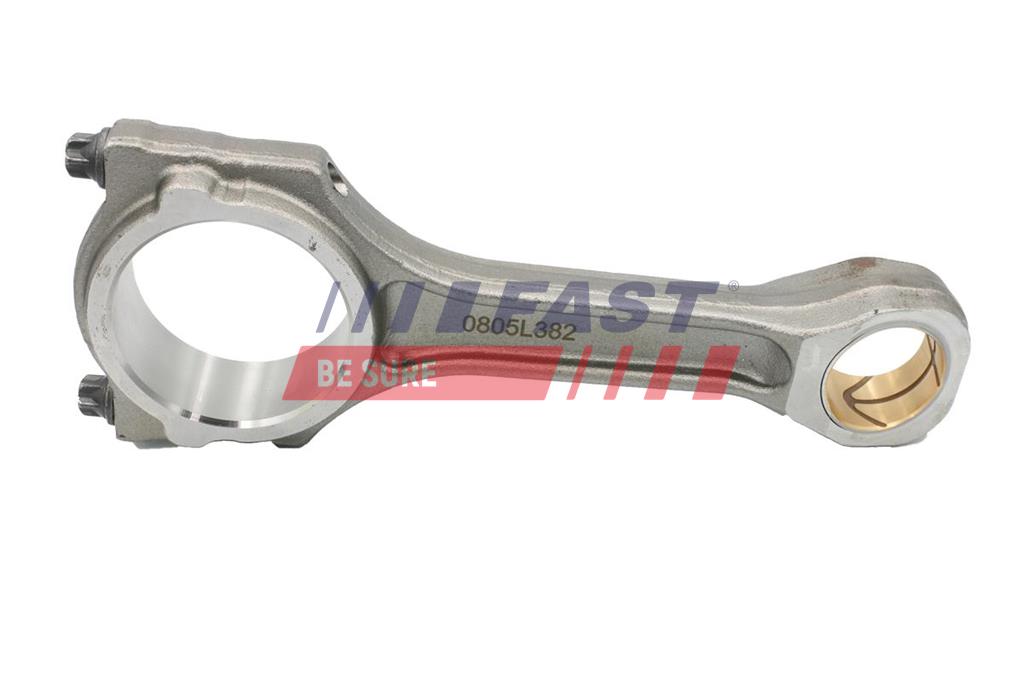
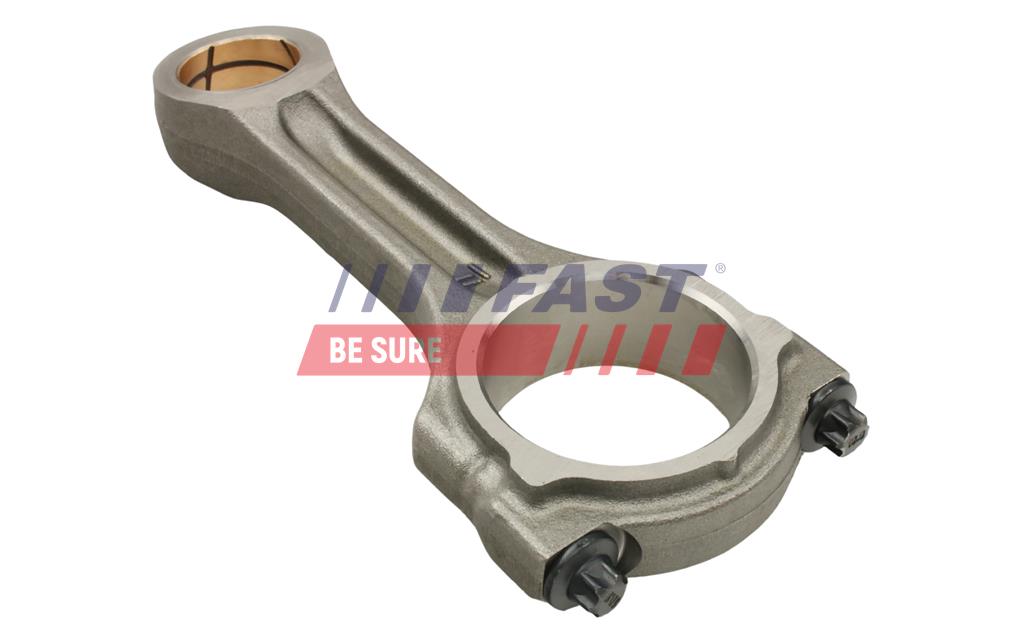
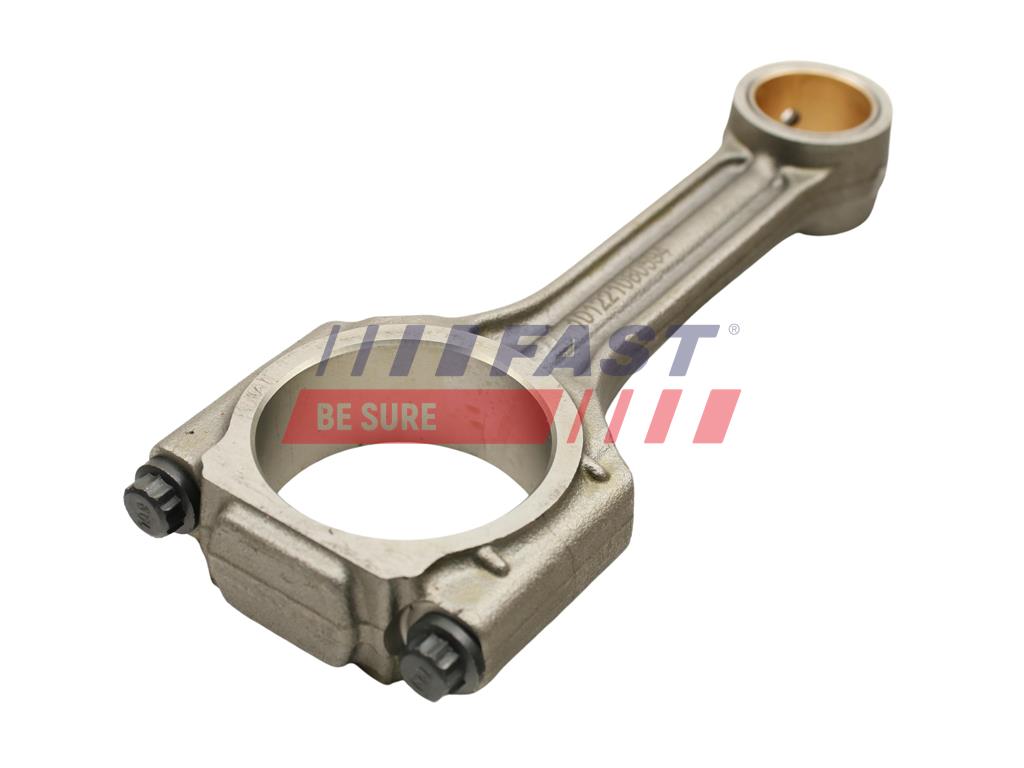
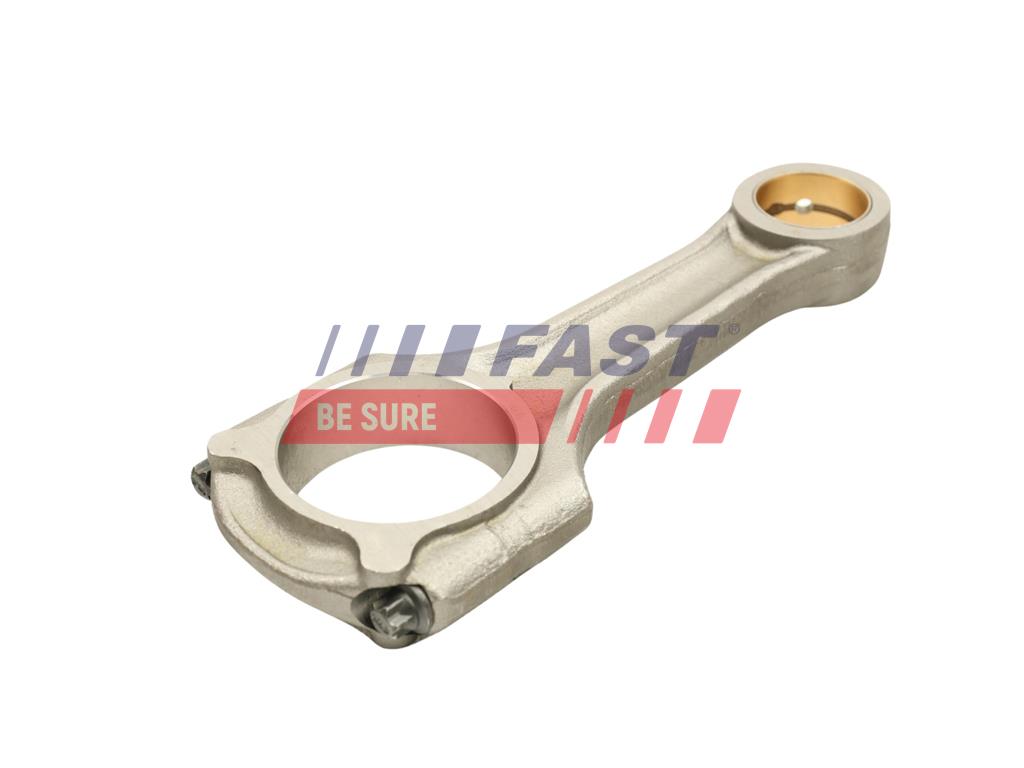
The connecting rod is a vital component in your vehicle’s engine system, linking critical parts for efficient performance. Explore our comprehensive catalogue for high-quality replacements suitable for various makes and models. Stay ahead of potential issues by understanding the signs of wear and know when it is time for a replacement. Join our community today to receive updates on the latest innovations in engine parts and ensure your inventory includes top-tier connecting rod solutions.
The connecting rod is a crucial element in the engine’s architecture, serving as the vital link between the pistons and the crankshaft. This indispensable component converts the linear motion of the pistons into the rotational motion required to propel the vehicle forward. At the heart of its functionality lies the engine connecting rod bearing, which ensures smooth and efficient operation. These bearings are designed to manage the immense pressures and stresses experienced during engine cycles. Quality is essential for minimising friction and wear, thereby extending engine life and ensuring optimal performance. The precision in the design and manufacture of both the connecting rod and its bearings is paramount, as even the slightest deviation can lead to inefficiencies or potential failures. Investing in high-quality components is not just about maintaining vehicle performance; it’s about ensuring reliability and longevity in demanding driving conditions. Properly functioning rods and their bearings facilitate the smooth interplay of engine components, contributing to fuel efficiency and reduced maintenance costs over time. Understanding the integral role of these elements highlights the importance of choosing components that adhere to rigorous standards, ensuring that your vehicle’s engine operates at its best.
Recognising the signs of bent connecting rod symptoms is crucial in preventing severe engine damage and costly repairs. These often manifest in various ways, with one common indicator being unusual noises emanating from the engine. These can include the distinctive connecting rod knock sound, typically a rhythmic knocking or tapping noise that intensifies under load or acceleration. This sound occurs when the bent rod alters the engine’s balance, causing improper alignment during the combustion cycle. In addition to auditory clues, a bent rod can lead to changes in engine performance, such as reduced power output, increased fuel consumption, and rough idling. These performance issues arise because the affected connecting rod disrupts the precise timing and movement required for efficient engine operation. Ignoring these symptoms can lead to more severe consequences, as continued operation with a bent rod can damage other engine components, including the crankshaft and bearings. Early detection and prompt action are essential in safeguarding the engine’s integrity. Regular maintenance checks and attention to changes in behaviour can help identify and address potential issues early on. Being aware of these symptoms not only preserves the vehicle’s performance but also extends its lifespan, ensuring a smoother and more reliable driving experience.
When considering connecting rod replacement cost, several factors can influence overall expenditure. These include the make and model of the vehicle, the quality of the replacement part, and the labour charges associated with the repair. Typically, the cost can vary significantly, with premium vehicles or those requiring specialised components often incurring higher charges. Opting for high-quality components is a prudent investment, as these are engineered to withstand the rigours of engine operation and maintain performance over time. Although initially more expensive, superior parts reduce the risk of premature failure and the need for frequent replacements, ultimately saving money in the long run. Moreover, quality parts contribute to overall reliability and efficiency, enhancing longevity and resale value. While the upfront replacement cost might seem substantial, it is a worthwhile expenditure that ensures optimal engine health and prevents costly future repairs.
Connecting rods can break or bend due to several factors, including insufficient lubrication, which leads to increased friction and wear; over-revving the engine, subjecting rods to excessive stress; hydrostatic lock, where incompressible fluids like water enter the combustion chamber; and manufacturing defects or material fatigue over time.
Rod knock typically presents as a deep, metallic knocking or tapping noise from the engine, especially noticeable under load or during acceleration. Additional symptoms may include noticeable engine vibrations, irregular oil pressure readings, and decreased engine performance.
Connecting rods are generally sold individually, allowing for the replacement of a single damaged rod without the need to purchase a full set. However, for performance or high-mileage engines, replacing all rods as a set is sometimes recommended to ensure balanced performance and longevity.

Подпишитесь на нашу рассылку, почему это стоит сделать? Каждую неделю множество новинок, которые вы не можете пропустить. Просто введите свой адрес электронной почты и получите доступ к базе данных новых продуктов Fast. Портфель бренда пополняется до нескольких десятков товаров в неделю. Не упустите возможность расширить свое предложение за счет новых кодов FAST, регистрируйтесь прямо сейчас!