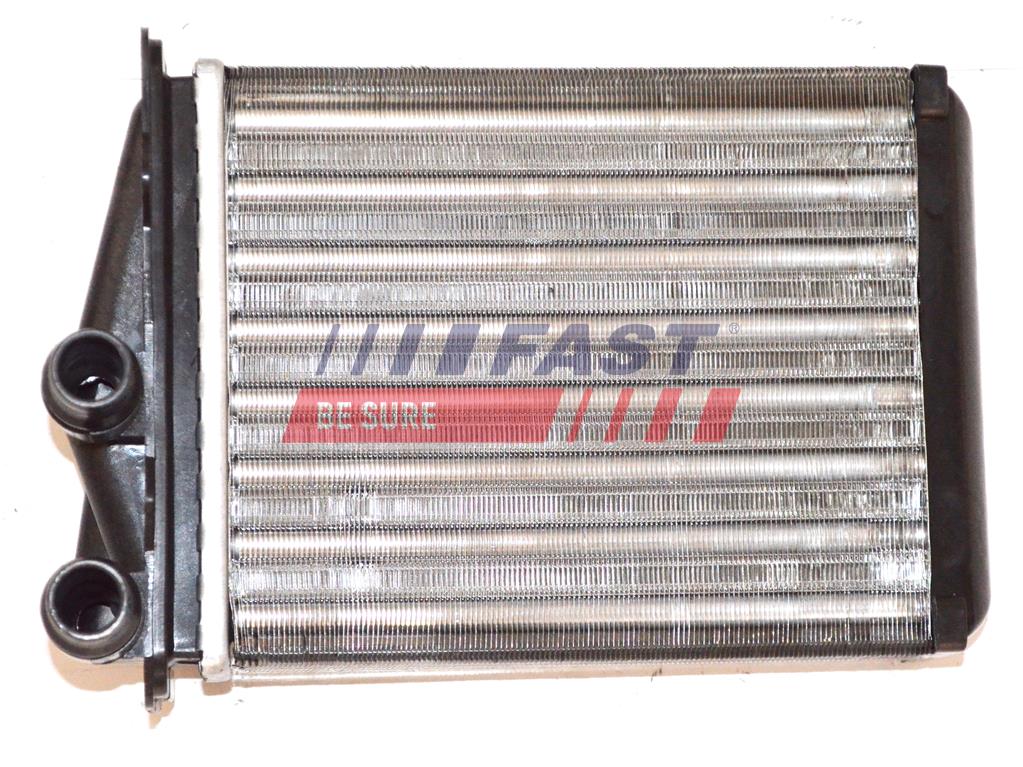
RADIADOR DE CALEFACCIÓN RENAULT TRAFIC 01> 2.5 dCI

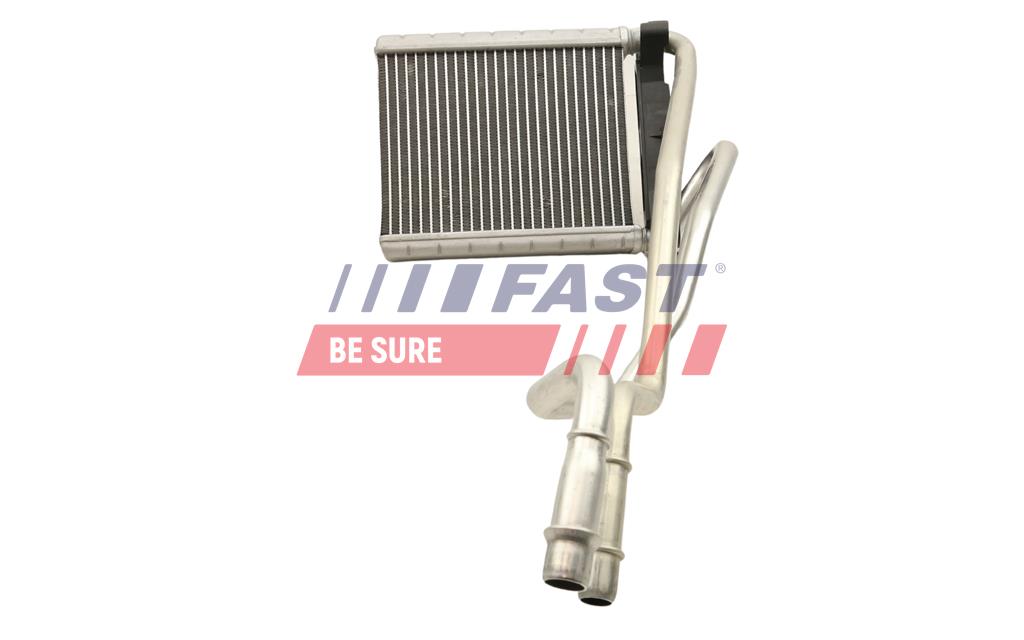
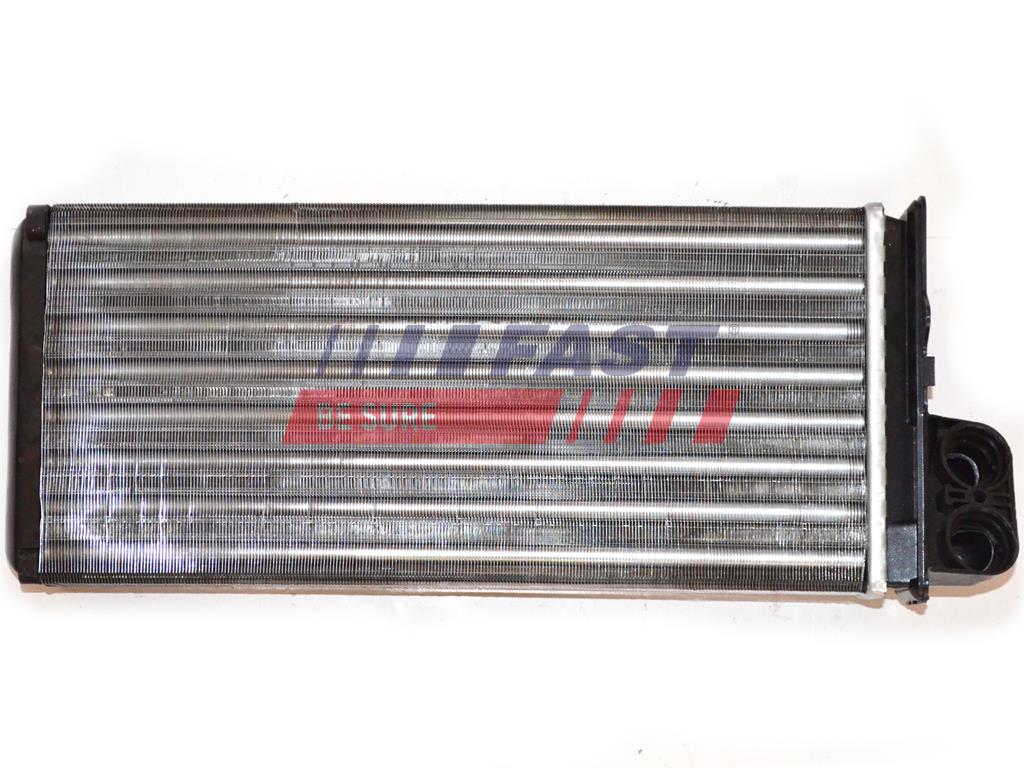
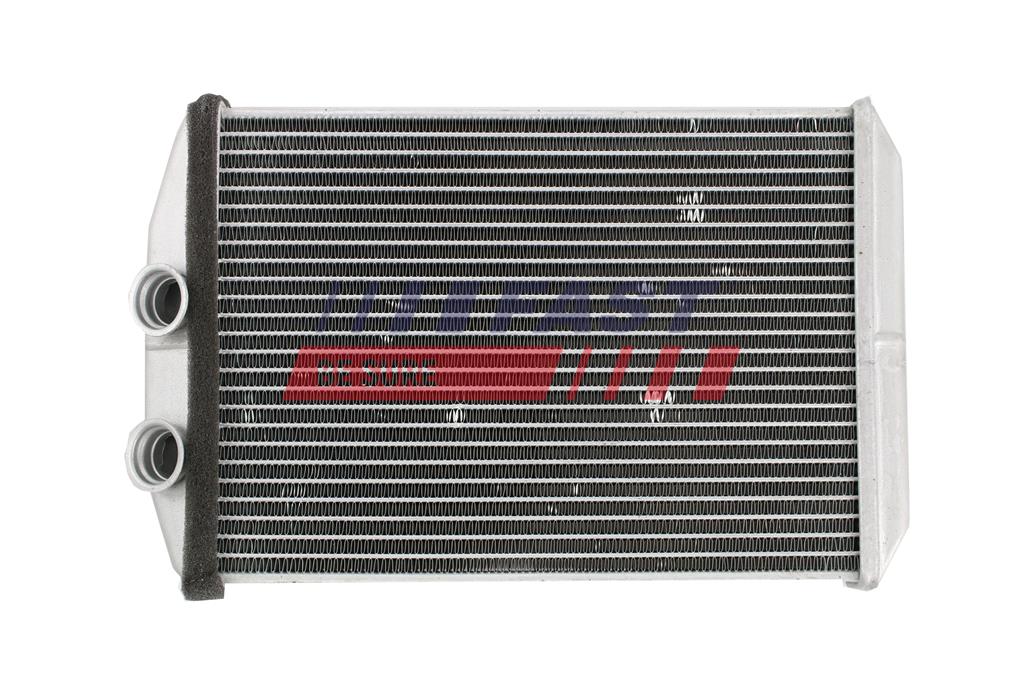
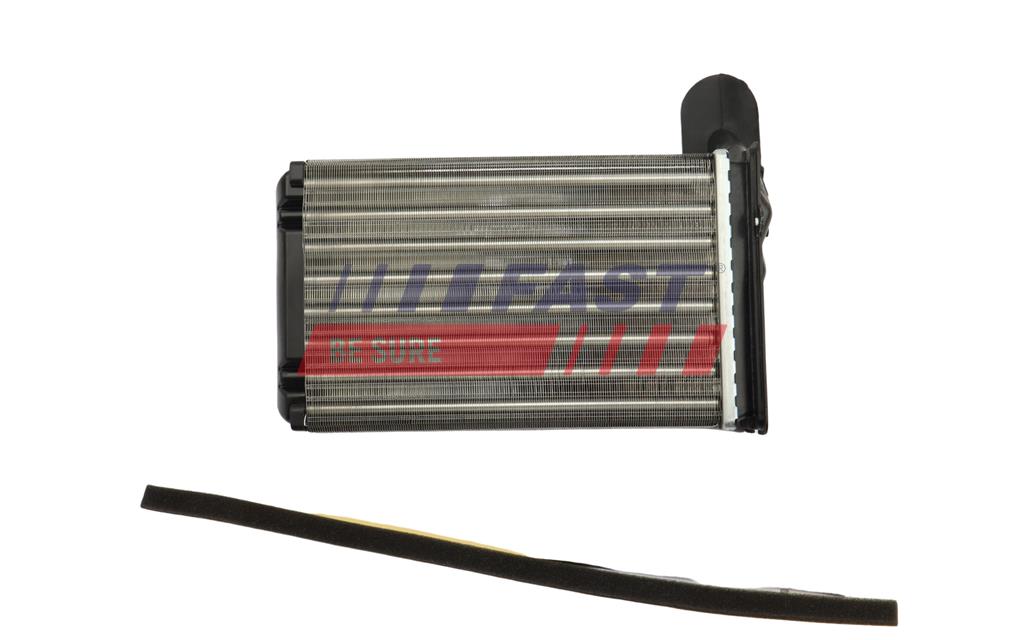
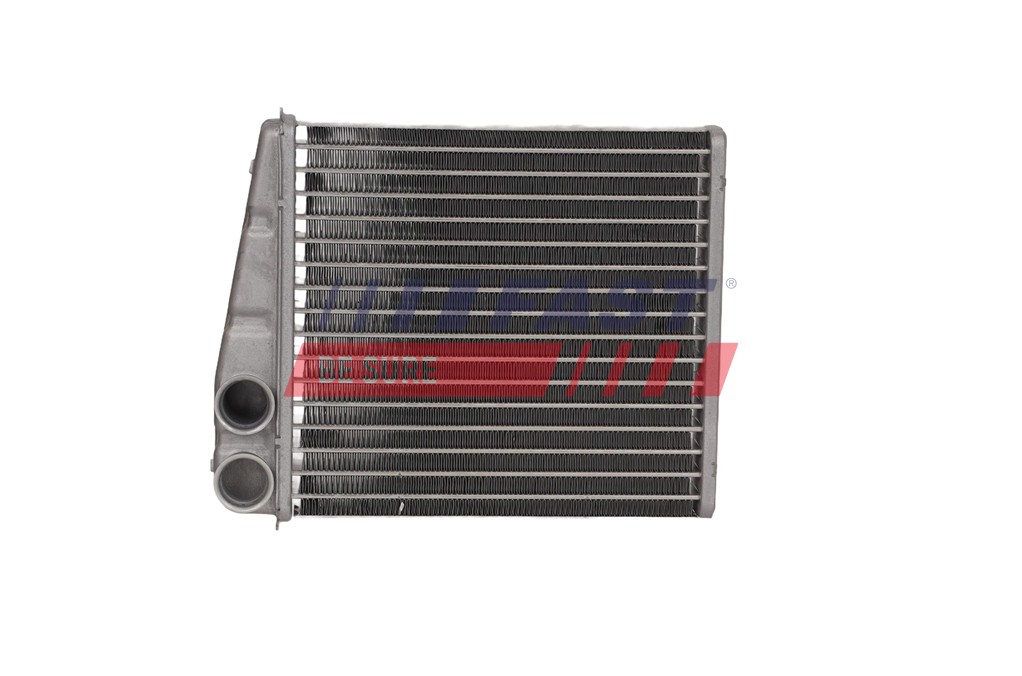
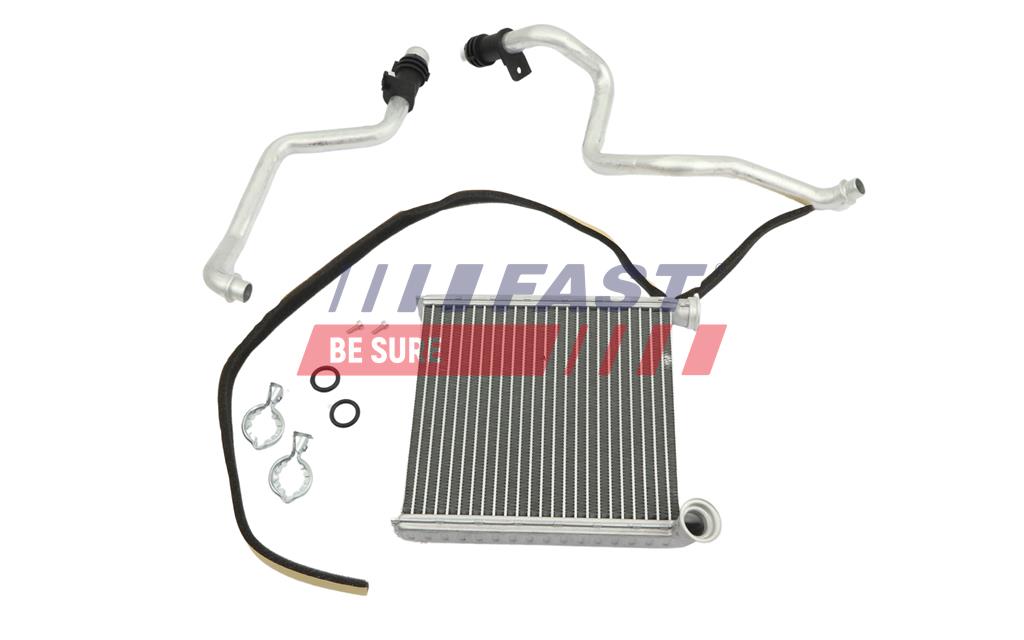
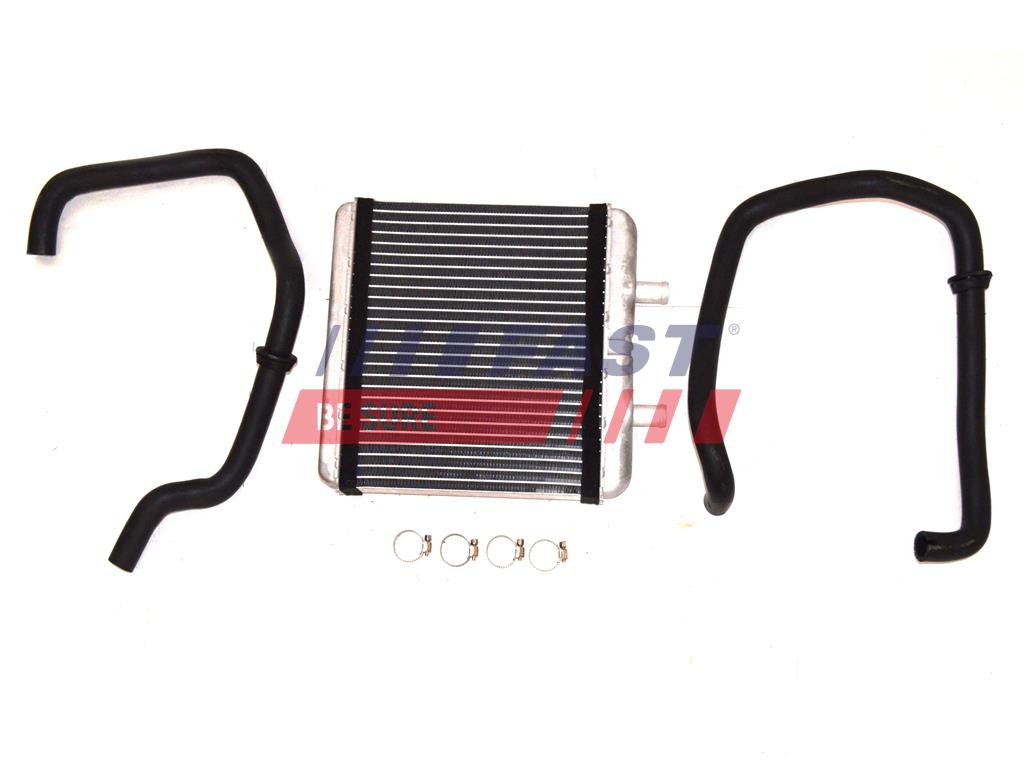
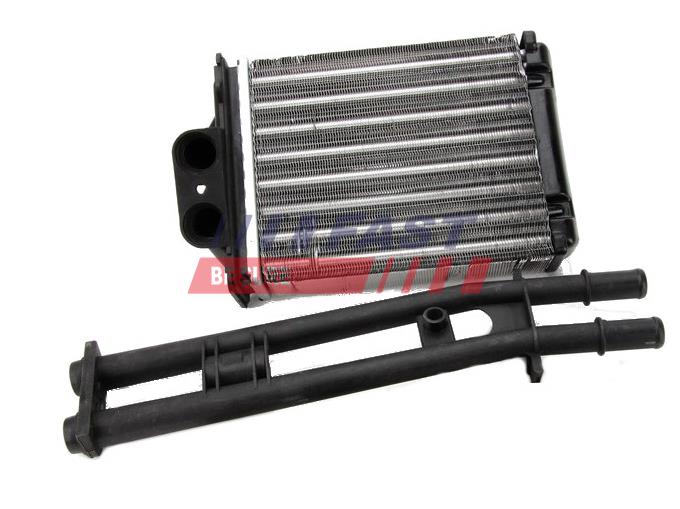


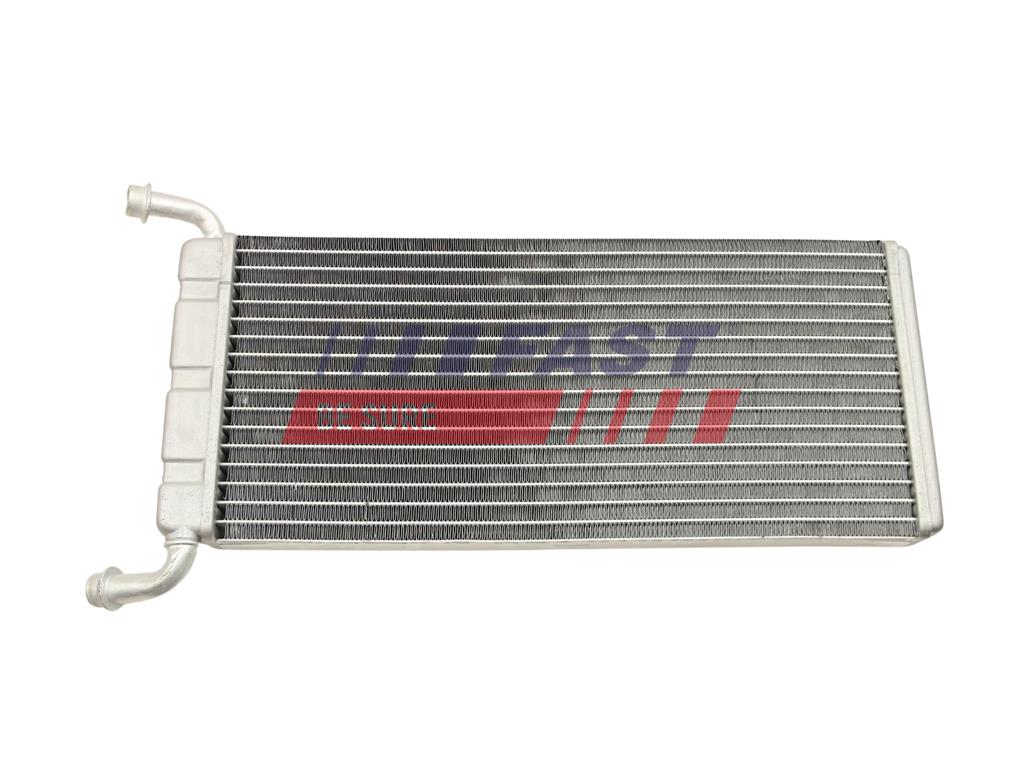

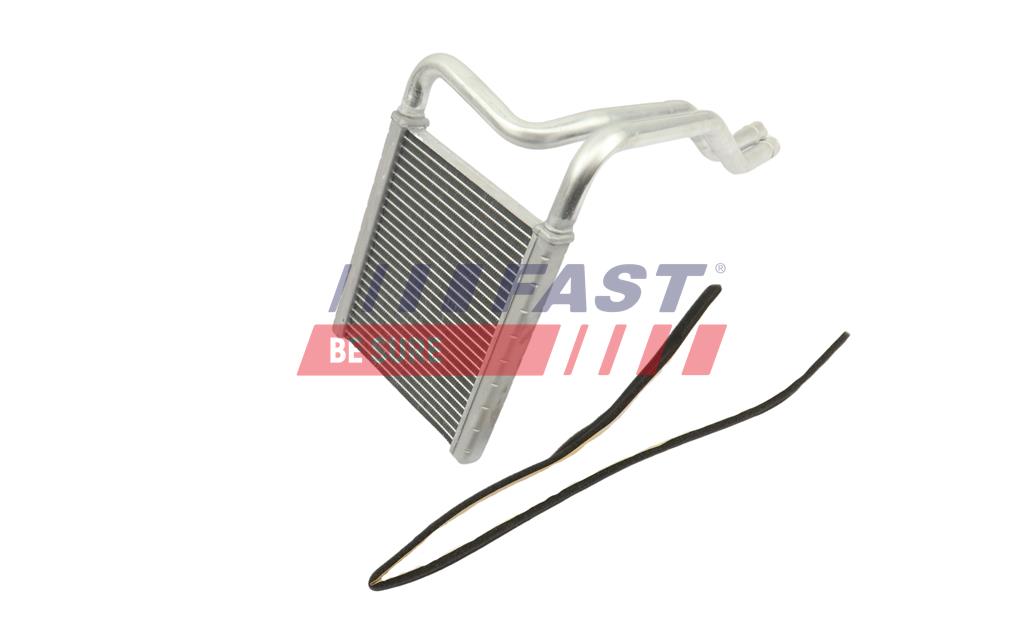
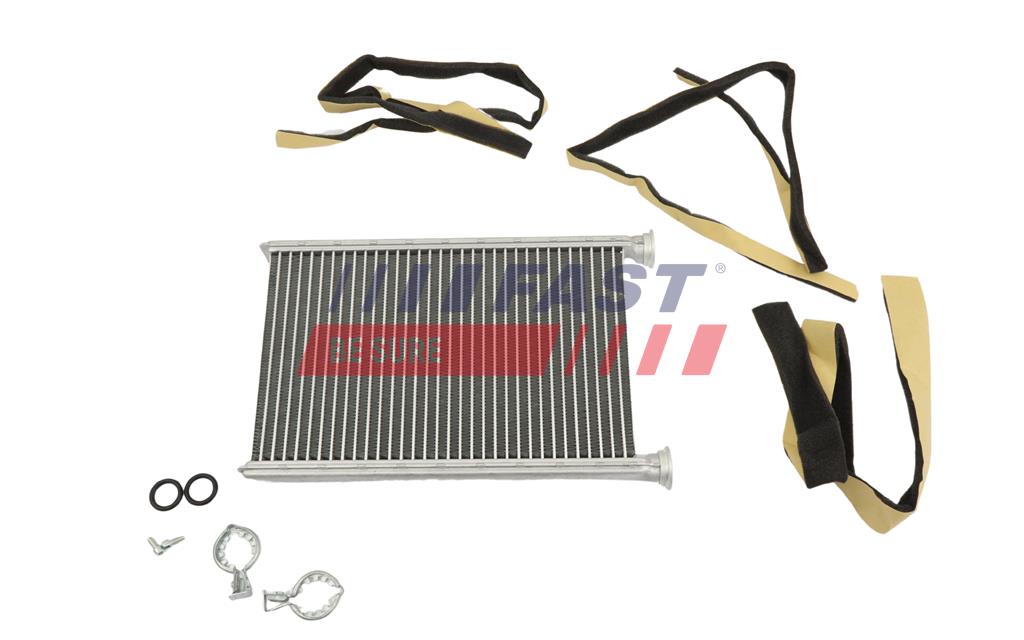
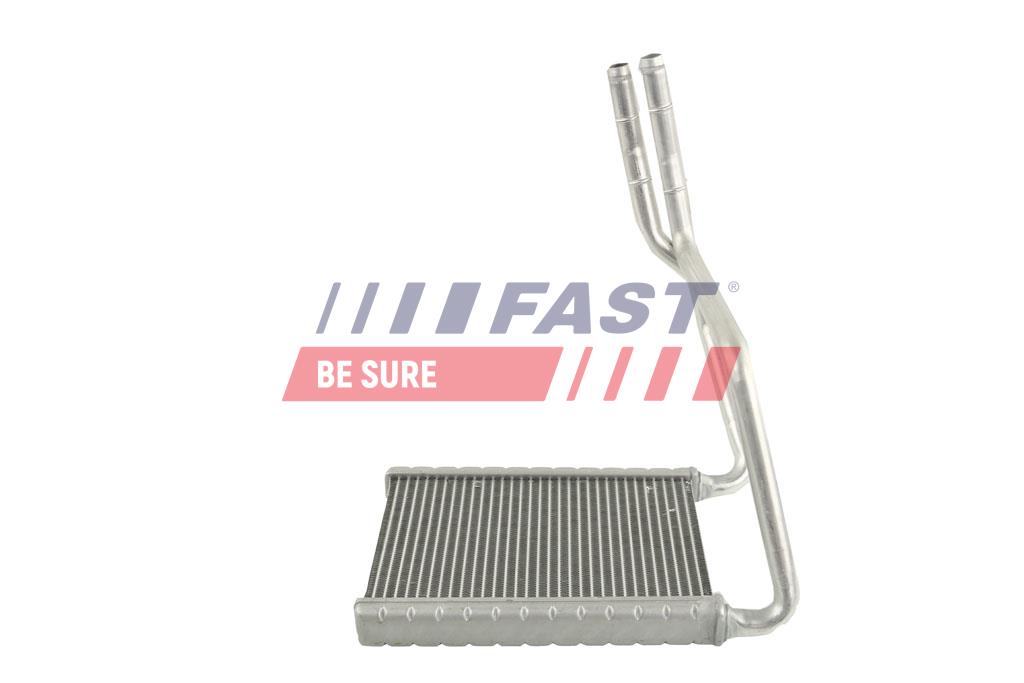
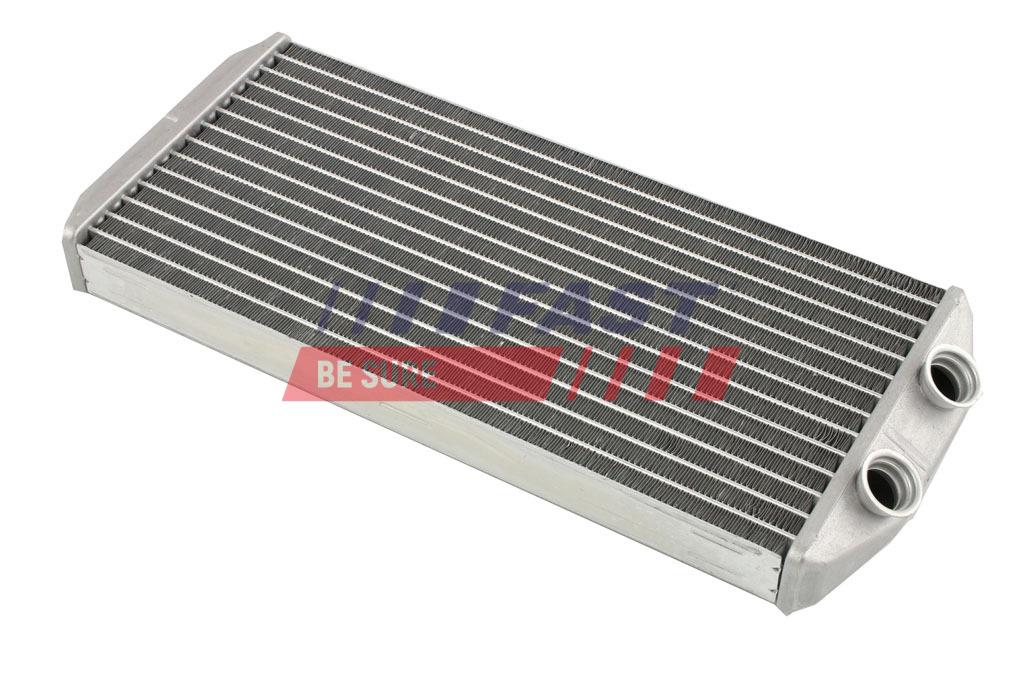
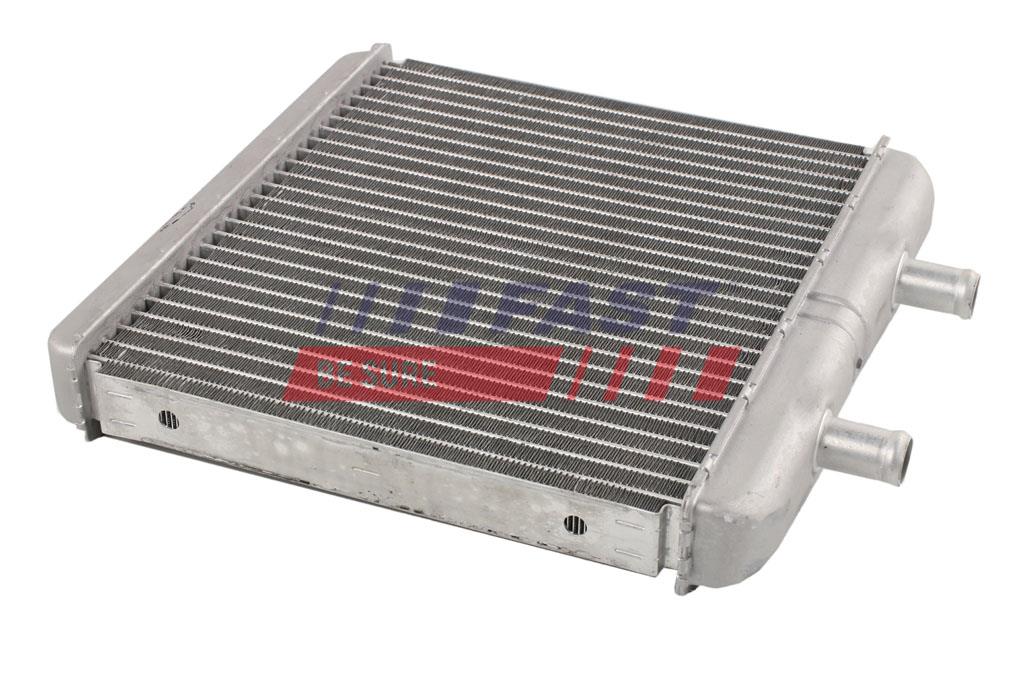


Explore high-quality heater components specifically designed for your vehicle. Our comprehensive selection ensures you have all you need to maintain an efficient heating system. From essential heater cores to cost-effective solutions, navigate our catalogue to discover parts that suit your needs. Stay ahead of costly repairs by learning the signs of a clogged heater core and keeping your vehicle in perfect condition. Ensure optimal comfort and safety all year round by choosing the right parts today.
The heater in a vehicle plays a crucial role in ensuring both comfort and efficiency, especially during colder months. As an integral part of the vehicle’s climate control system, the heater not only provides warmth but also aids in defogging windows, enhancing visibility and safety. Understanding the heater’s components and their functions is essential for maintaining optimal performance. One key component is the heater core, which acts like a small radiator transferring heat from the engine to the cabin air. Over time, the heater core can become clogged, leading to reduced heating efficiency and potential discomfort for passengers. Recognising signs of a clogged heater core is vital; these signs can include reduced air flow or fogging interiors. Addressing these issues promptly can prevent more significant problems. It’s also important to be aware of the heater core replacement cost, which can vary depending on the vehicle make and model. Knowing potential expenses helps in planning and budgeting for maintenance. To sum up, keeping tabs on your heater’s condition involves:
Attending to these aspects ensures your vehicle’s heater functions efficiently, providing comfort and safety throughout the seasons.
Maintaining your vehicle’s heating system is essential to ensure its longevity and efficiency, and understanding the tools and techniques available can make this process more manageable. One of the most effective tools in the maintenance arsenal is the heater core flush tool. This tool is specifically designed to clear any blockages within the heater core, restoring its ability to efficiently transfer heat from the engine to the cabin. Regular use of a heater core flush tool helps maintain optimal heating performance and reduces potential repair costs. Performing a flush with a special cleaning solution removes deposits that accumulate over time. This proactive approach in vehicle maintenance prolongs the functionality of the heating system and ensures a more comfortable driving experience throughout the year. Moreover, regular maintenance checks can help identify issues early, further reducing the likelihood of expensive replacements. By integrating these techniques into your vehicle care routine, you can effectively manage and extend the lifespan of your vehicle’s heater, ensuring reliable performance and comfort in varying weather conditions.
Early detection of heating issues in your vehicle is crucial for preventing larger, costly repairs and ensuring ongoing passenger comfort and safety. One of the most noticeable indicators of a problem is the smell of antifreeze in the car, which often signals a leak or malfunction within the heating system. Additionally, several signs of a clogged heater core, such as reduced air flow or inconsistent cabin temperatures, can alert you to potential issues before they escalate. Addressing these early warning signs can prevent significant damage to the heater, saving on repair costs and avoiding inconvenient breakdowns. Regular checks and maintenance not only help in identifying these signs promptly but also contribute to the overall efficiency and reliability of your vehicle’s heating system. By keeping a keen eye on these indicators, you can take swift action to rectify minor issues, ensuring a comfortable and safe driving environment all year round.
A leaking heater core can manifest through several signs:
A syrup-like smell inside your car is typically due to coolant leaking from the heater core. Coolant contains ethylene glycol, which has a naturally sweet odour. When the heater core leaks, this coolant can enter the vehicle’s cabin, producing the distinctive sweet smell. This issue often accompanies other symptoms such as foggy windows, damp carpets, or insufficient heat from the heater.
Flushing the heater core can help remove blockages and restore proper function. Here’s a general guide:
It’s advisable to consult your vehicle’s service manual for specific instructions, as procedures can vary between models. If unsure, seek assistance from a qualified mechanic.

Por que vale a pena? Todas as semanas muitas notícias de novos produtos que não pode perder. Basta introduzir o seu endereço de correio electrónico e desfrutar do acesso à base de dados de novos produtos da marca FAST. O portfólio da marca cresce até várias dezenas de produtos todas as semanas. Não perca a oportunidade de expandir a sua oferta com novos códigos FAST, registe-se agora!