
TAMBOR DE FRENO CITROEN BERLINGO 08> TRASERO



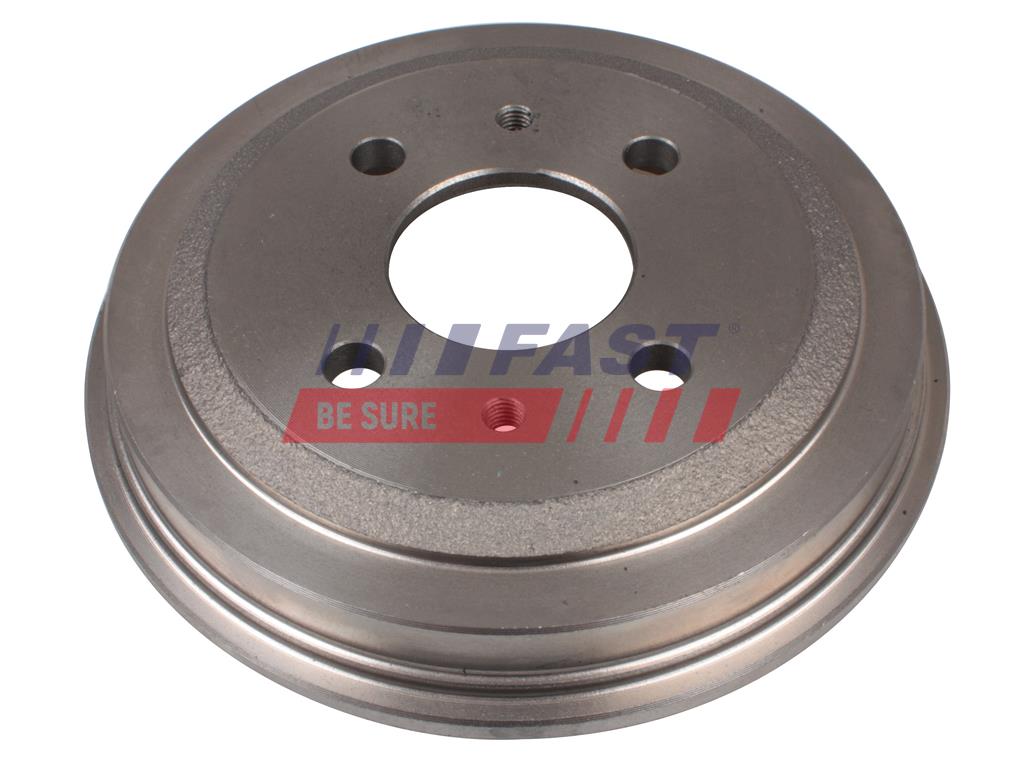


Brake drums play a crucial role in ensuring your vehicle’s safety and performance. Whether for routine maintenance or a necessary rear brake drum replacement, understanding their function and knowing the symptoms of worn brake drums is key. Our range offers various options, including comprehensive brake shoes and drums kits for different vehicles. Explore our selection to keep your vehicle’s braking system in top condition. Act now to ensure safe and reliable vehicle performance!
Brake drums are integral components of a vehicle’s braking system, playing a pivotal role in ensuring safe and effective stopping power, notably in rear braking applications. These components work in tandem with brake shoes to generate the friction necessary for slowing down or halting a vehicle, making them indispensable for overall vehicle safety. The brake drums are specifically crucial in rear braking systems, where they provide the needed interface to manage the braking force applied. Over time, usage and wear can affect their performance, highlighting the importance of regular inspection and the timely rear brake drum replacement. Such proactive measures are essential to maintain optimal braking efficiency and prevent potential safety hazards. Ensuring that brake drums are kept in good condition not only aids in maintaining the vehicle’s performance but also ensures the safety of passengers and other road users. Paying attention to the health of these components is vital, as opting for a rear brake drum replacement when necessary is essential for vehicle maintenance, ensuring the braking system remains dependable under various driving conditions.
Recognising the symptoms of worn brake drums is essential for maintaining your vehicle’s braking efficiency and safety. One of the most noticeable signs of wear is unusual noises originating from the rear wheels, such as grinding or squeaking sounds, indicating that the drum surface is compromised. Drivers may also experience vibrations or a pulsating brake pedal, often a result of uneven drum surfaces. These performance issues suggest that the brake drums need immediate attention. Addressing these symptoms early can prevent further damage and ensure continued brake effectiveness. Maintenance solutions like brake drum resurfacing can smooth out the drum surface, thus extending the drum’s lifespan and maintaining functionality. However, it’s crucial to weigh the brake drum resurfacing cost against the potential need for a complete replacement. Regular inspections and prompt addressing of these symptoms can help avoid costly repairs and keep your vehicle’s braking system reliable.
Choosing the right brake shoes and drums kit is crucial for ensuring optimal braking performance and the longevity of your vehicle’s braking system. When selecting a kit, compatibility with your specific vehicle model is paramount, as mismatched components can compromise the effectiveness of rear brake drum replacements. High-quality kits designed for specific makes and models guarantee a precise fit, enhancing overall efficiency and safety. Investing in premium brake shoes and drums kits supports consistent braking performance and reduces the likelihood of future issues. Quality materials in these kits ensure they withstand daily use, offering peace of mind and extended service life. By opting for a reliable, model-specific kit, you ensure that all components work harmoniously, contributing to the smooth and safe operation of your vehicle. This careful selection process ultimately saves time and money by minimising the need for frequent replacements and maintaining the expected safety standards of an effective braking system.
Recognising worn brake drums is crucial for vehicle safety. Common indicators include unusual noises such as squeaking or grinding when braking, vibrations or pulsations felt through the brake pedal, reduced braking efficiency leading to longer stopping distances, and the vehicle pulling to one side during braking. Additionally, a spongy or unresponsive brake pedal can signal issues with the brake drums. Regular inspections are recommended to identify these symptoms early and address them promptly.
Brake discs and brake drums are two types of braking systems used in vehicles. Brake discs, or disc brakes, consist of a rotor attached to the wheel and a caliper that squeezes brake pads against the rotor to create friction. They are known for better heat dissipation and performance in wet conditions. Brake drums, or drum brakes, have a drum that rotates with the wheel; when brakes are applied, brake shoes press against the inner surface of the drum to create friction. Drum brakes are often used in rear braking systems and can double as a parking brake mechanism.
Brake drums can sometimes be resurfaced to remove minor imperfections and restore a smooth braking surface. However, resurfacing is only viable if the drum’s thickness remains within the manufacturer’s specified limits. If the drum is worn beyond these limits, has deep grooves, cracks, or significant damage, replacement is necessary to ensure safe braking performance. Regular inspections can help determine whether resurfacing is sufficient or if replacement is required.

Por que vale a pena? Todas as semanas muitas notícias de novos produtos que não pode perder. Basta introduzir o seu endereço de correio electrónico e desfrutar do acesso à base de dados de novos produtos da marca FAST. O portfólio da marca cresce até várias dezenas de produtos todas as semanas. Não perca a oportunidade de expandir a sua oferta com novos códigos FAST, registe-se agora!