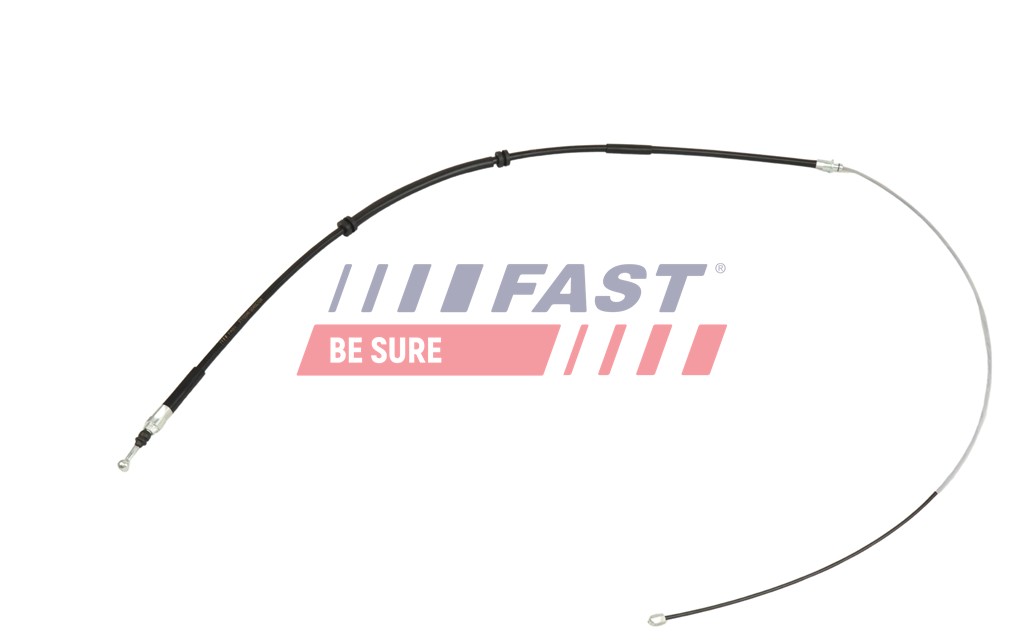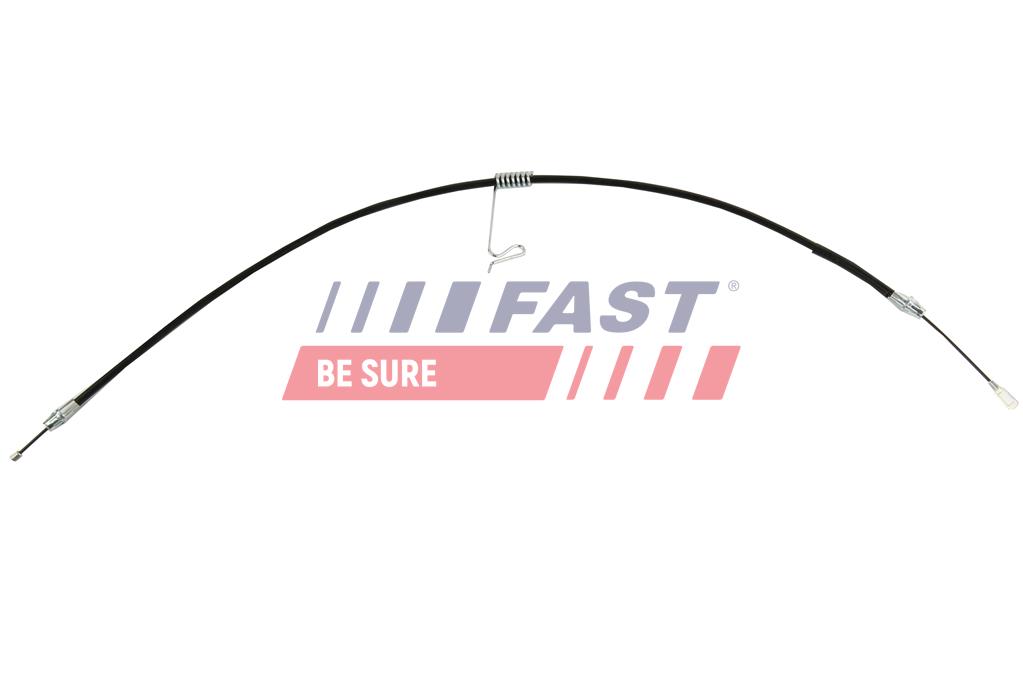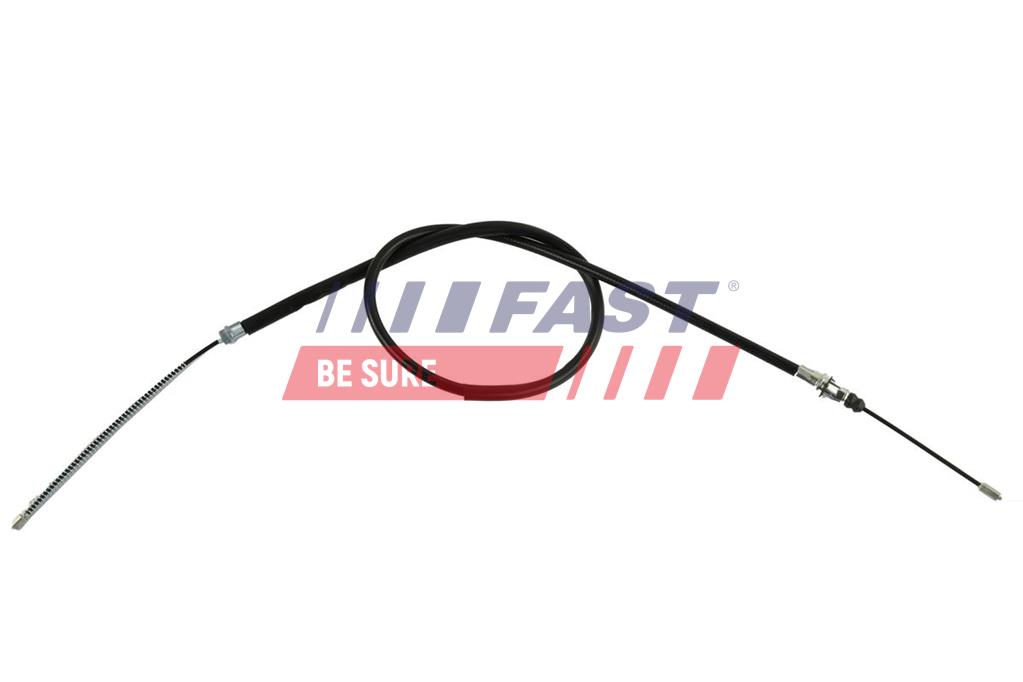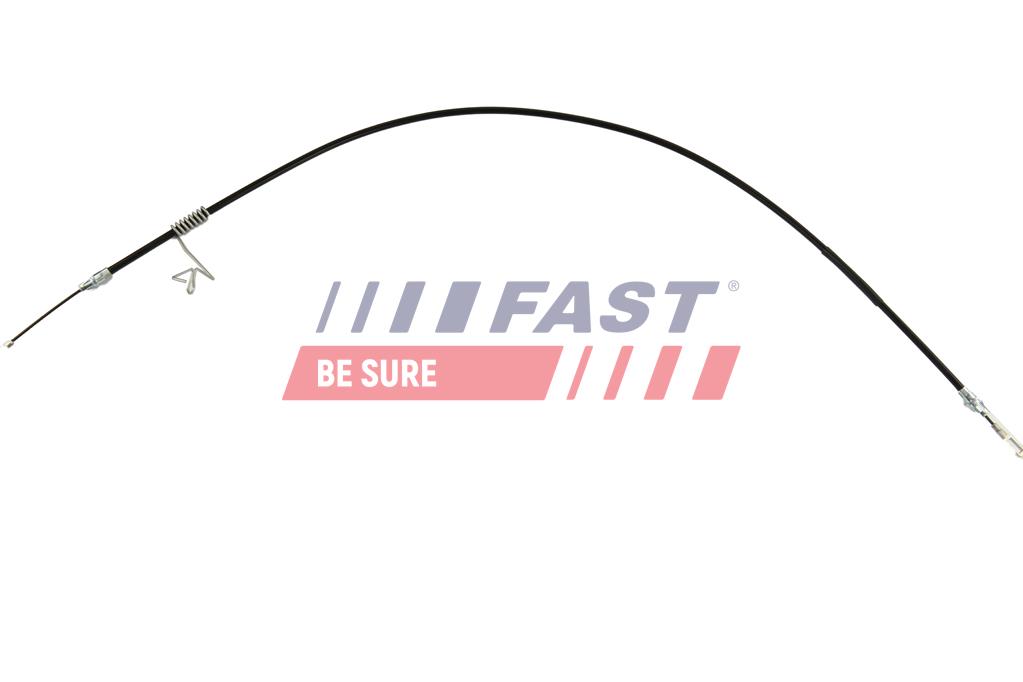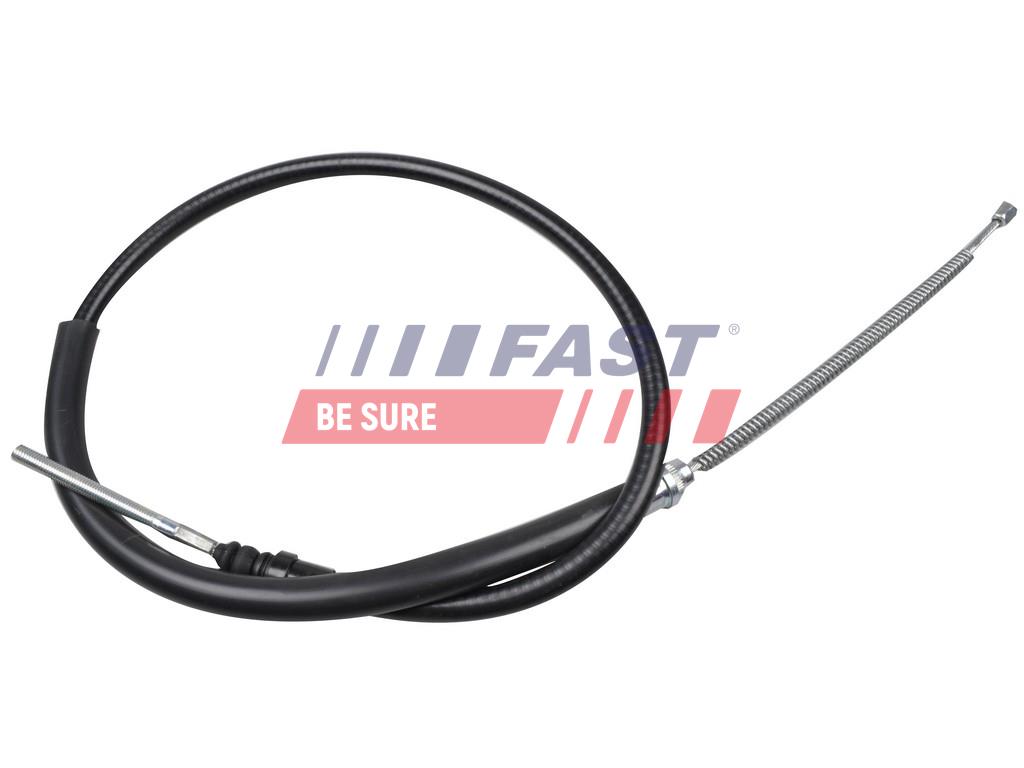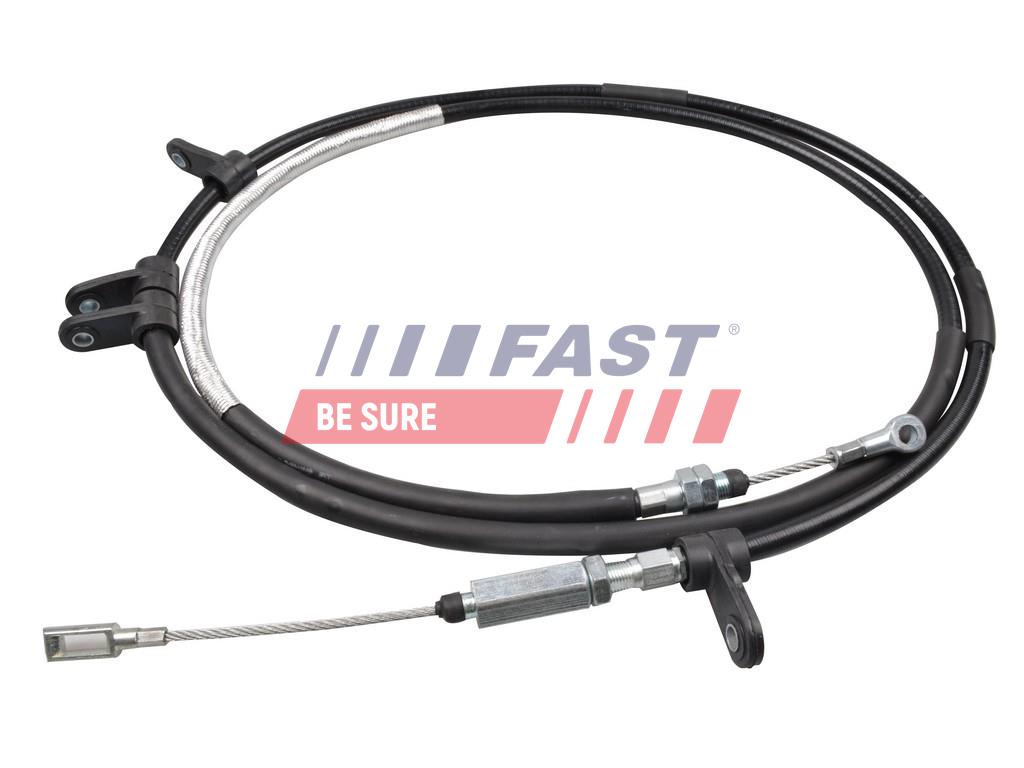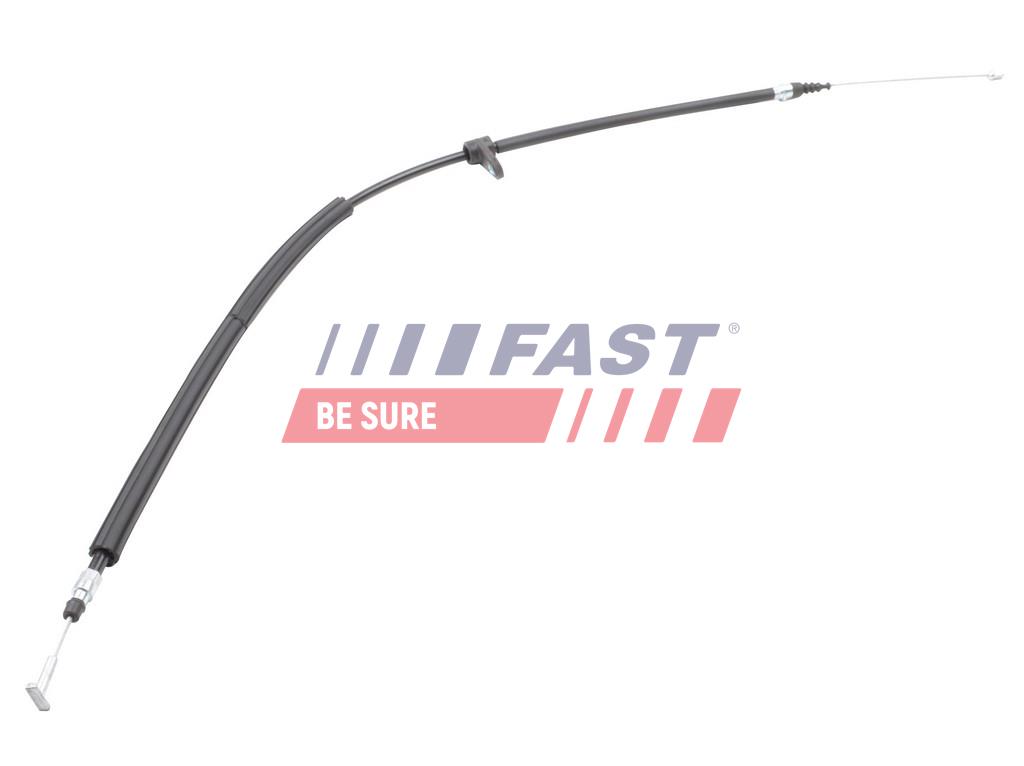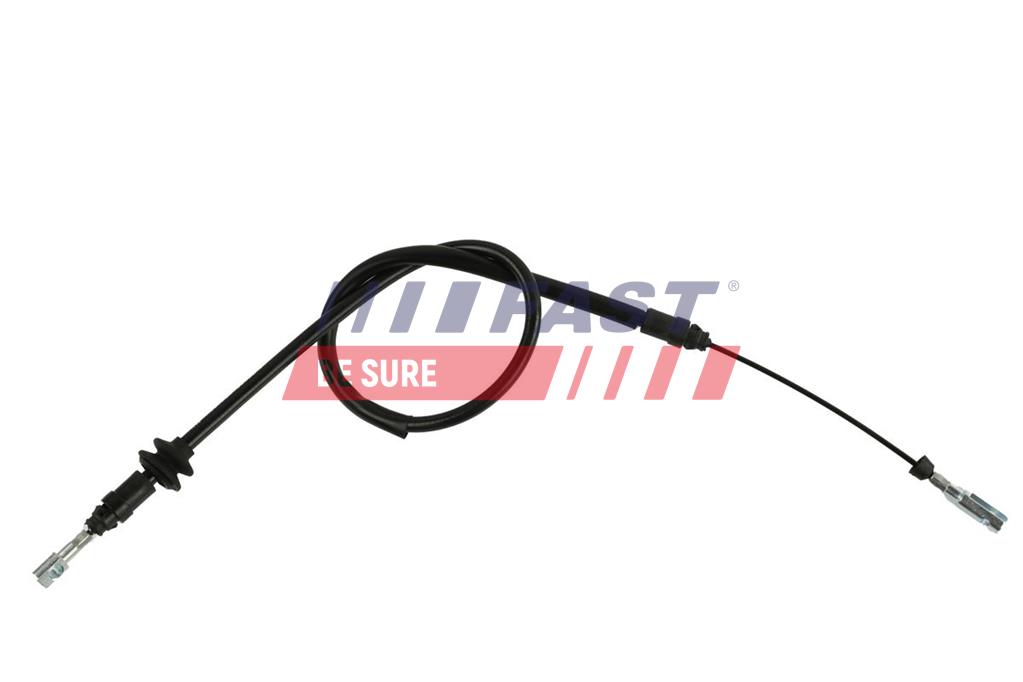
Localice fácilmente cualquier pieza que necesite en el cómodo catálogo FAST.

Descargar catálogos PDF

De freno

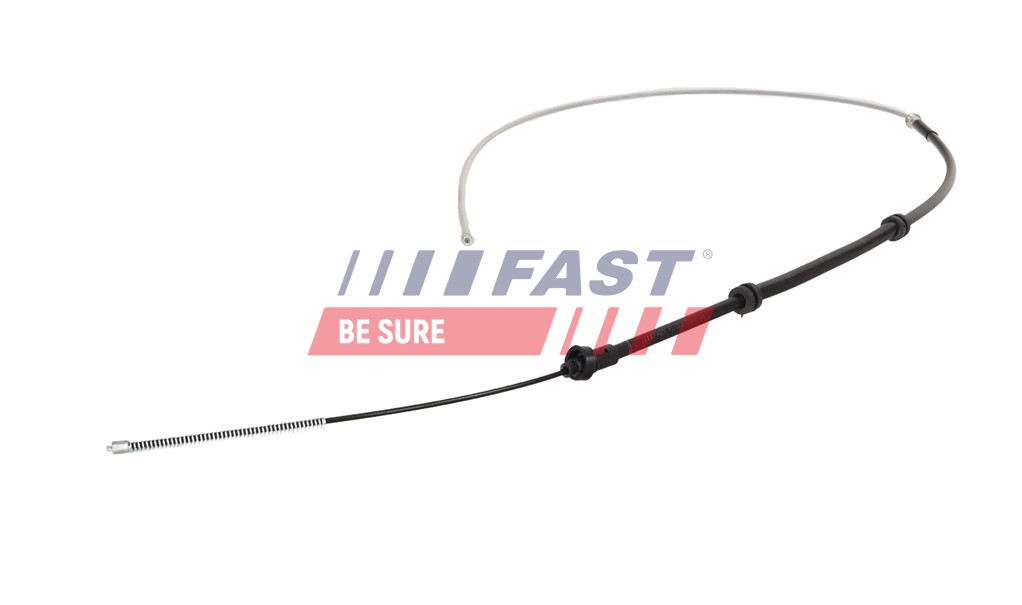
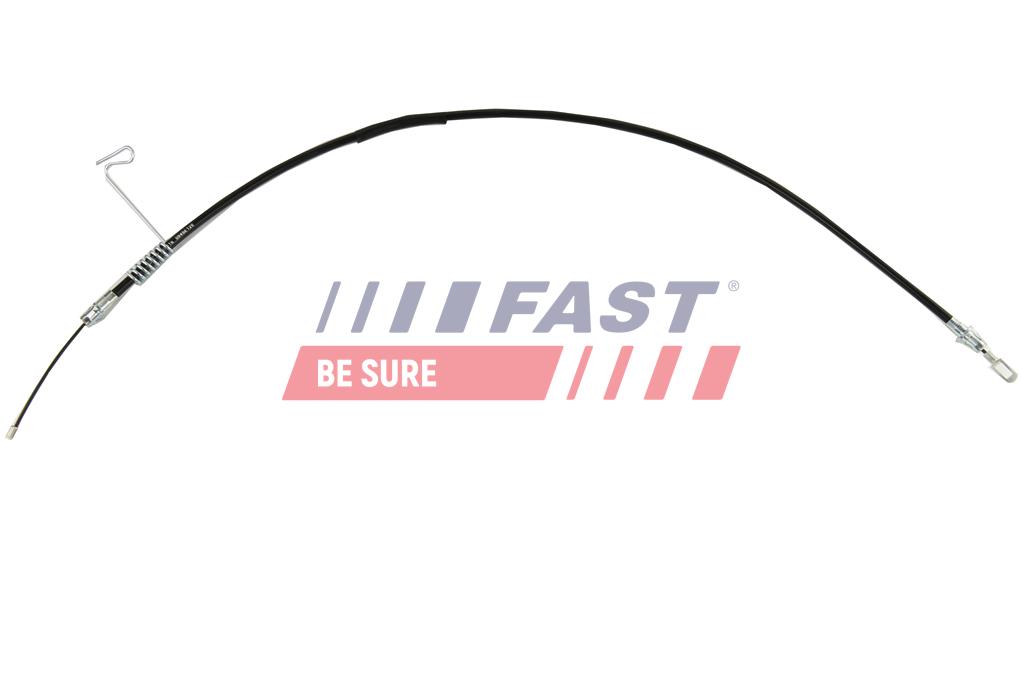
FT69225 CABLE DE FRENO RENAULT MASTER III 10> TRASERO IZQ./DCHA. FWD 1545/1210MM
CABLE DE FRENO RENAULT MASTER III 10> TRASERO IZQ./DCHA. FWD 1545/1210MM

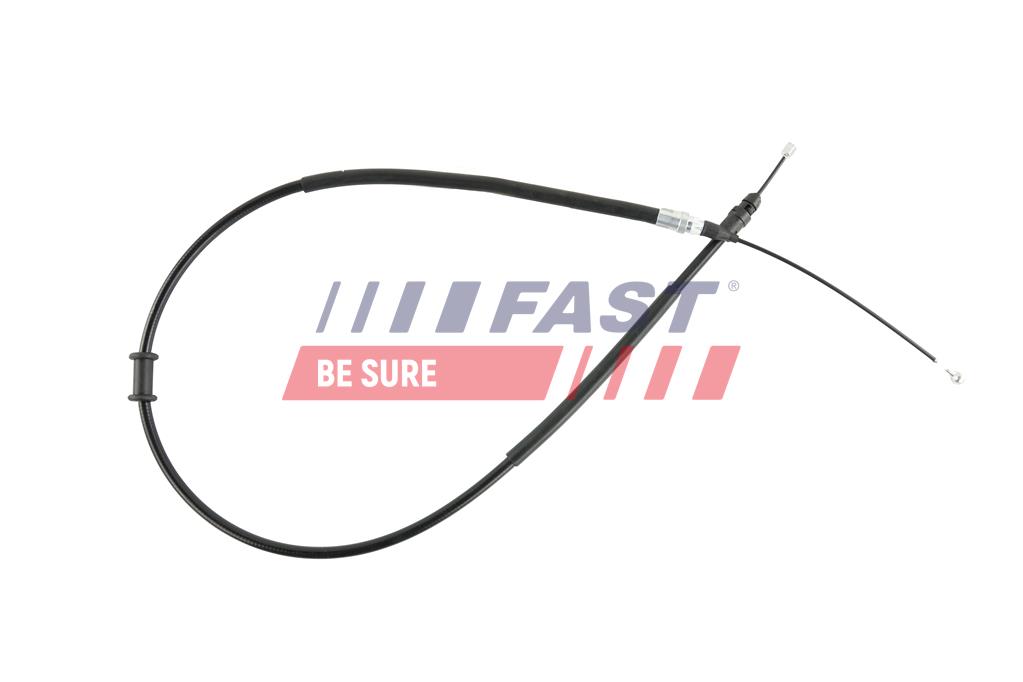
FT10046 CABLE DE FRENO RENAULT KANGOO II 08> TRASERO IZQ./DCHA.
CABLE DE FRENO RENAULT KANGOO II 08> TRASERO IZQ./DCHA.
FT69008 CABLE DE FRENO FORD TRANSIT 06> TRASERO IZQ. 07> 2.4 TDCI RWD #1343/1120 MM
CABLE DE FRENO FORD TRANSIT 06> TRASERO IZQ. 07> 2.4 TDCI RWD #1343/1120 MM
FT69048 CABLE DE FRENO RENAULT MASTER II 98> TRASERO IZQ./DCHA. TAMBOR DE FRENO 1420/1048 MMM
CABLE DE FRENO RENAULT MASTER II 98> TRASERO IZQ./DCHA. TAMBOR DE FRENO 1420/1048 MMM
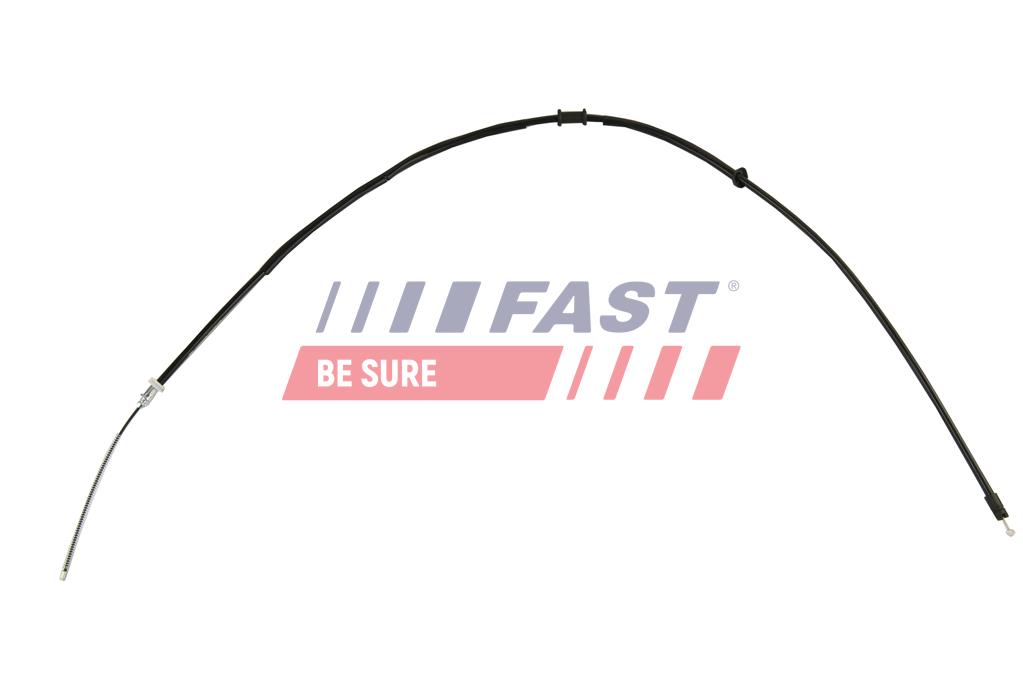
FT69010 CABLE DE FRENO FORD TRANSIT 06> TRASERO IZQ. #1533/1335MM
CABLE DE FRENO FORD TRANSIT 06> TRASERO IZQ. #1533/1335MM
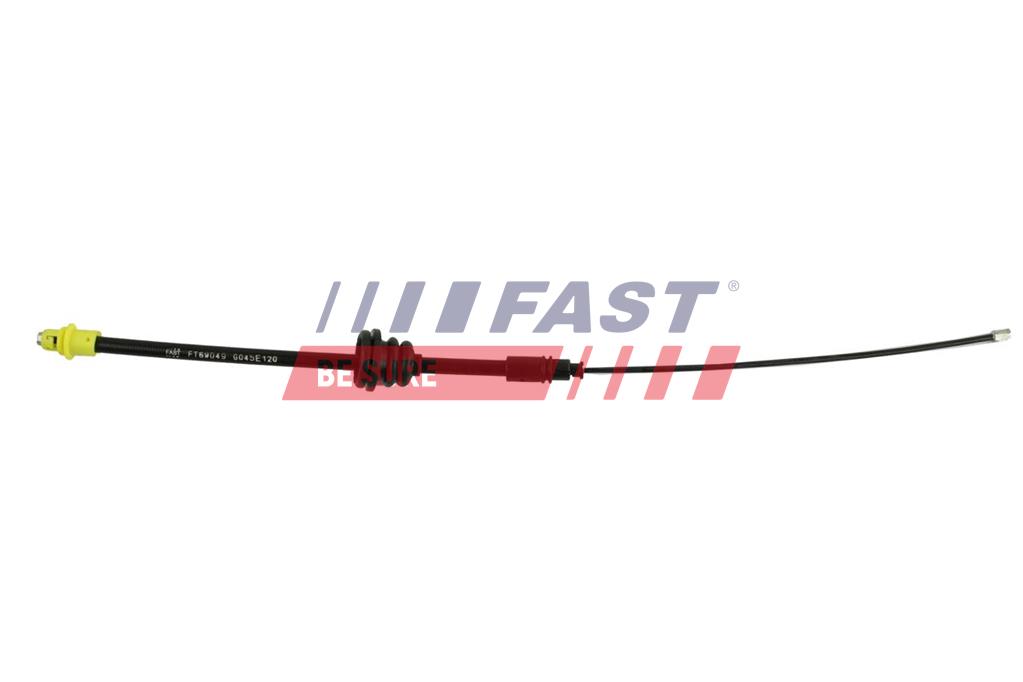
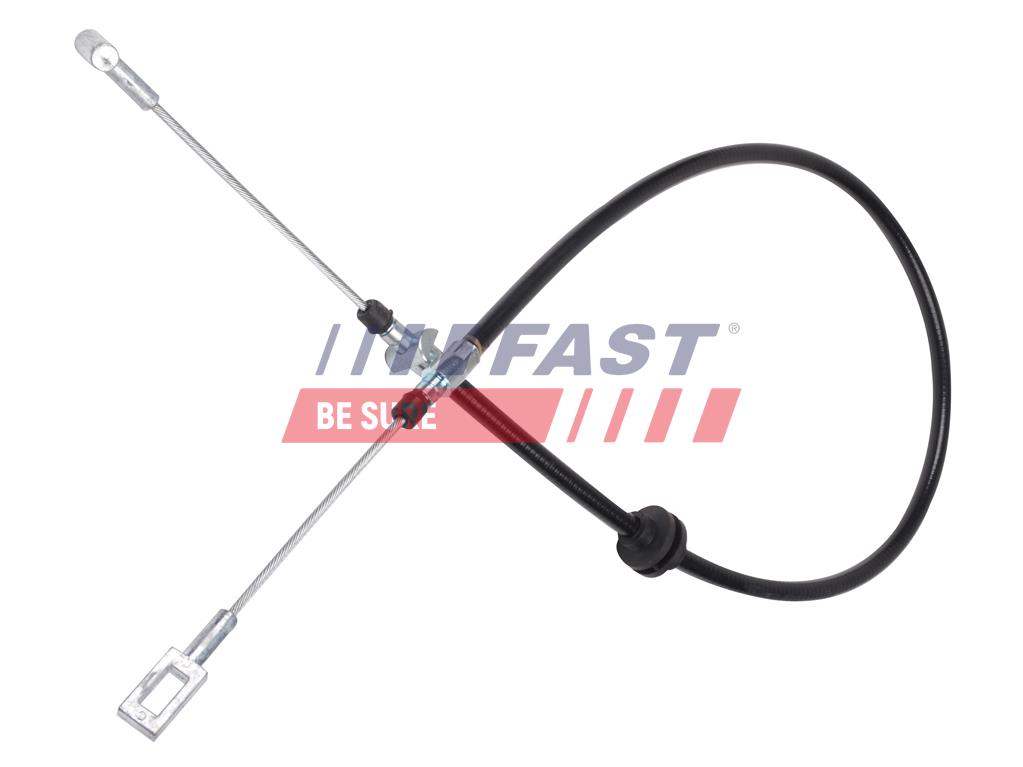
FT69049 CABLE DE FRENO RENAULT TRAFIC 01> DELANTERO 502 MM
CABLE DE FRENO RENAULT TRAFIC 01> DELANTERO 502 MM
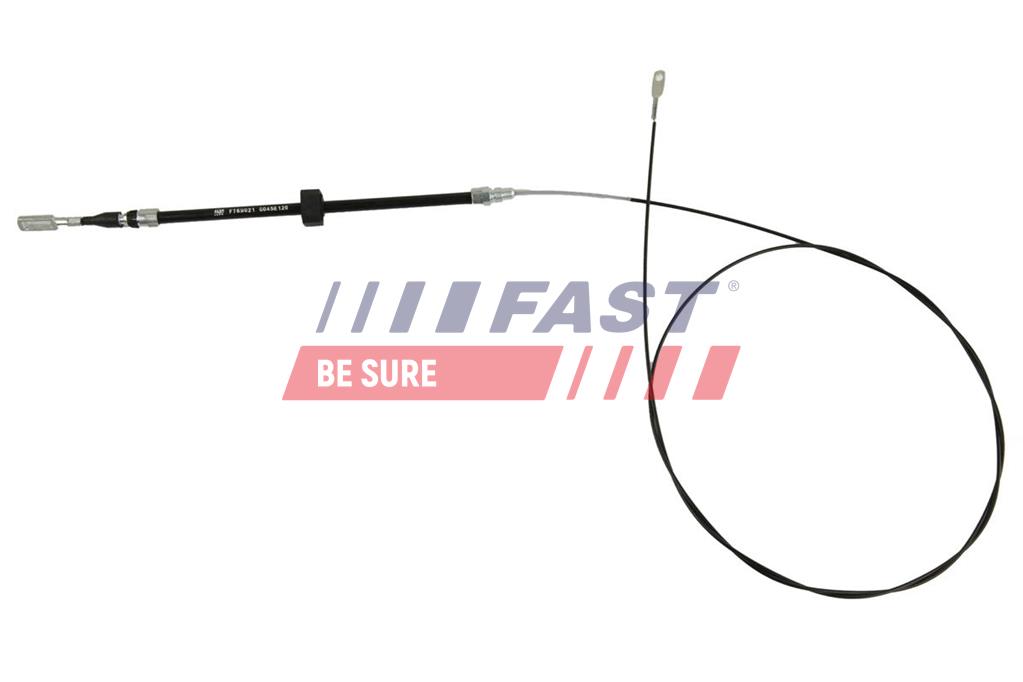
FT69021 CABLE DE FRENO MERCEDES SPRINTER 95> 901-905 DELANTERO 2460/285 MM
CABLE DE FRENO MERCEDES SPRINTER 95> 901-905 DELANTERO 2460/285 MM
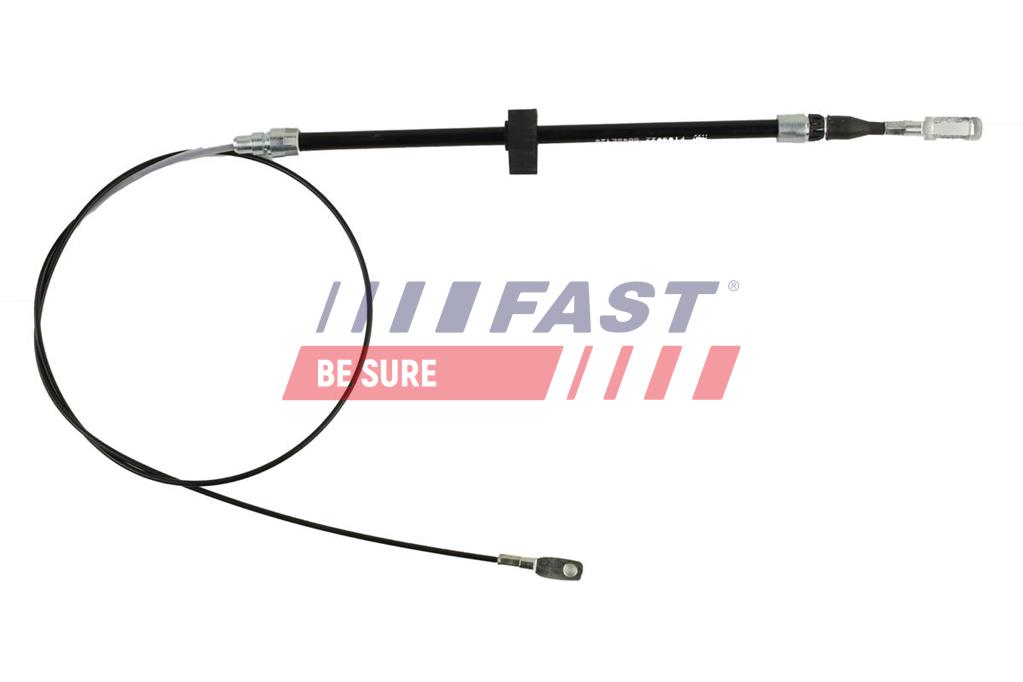
FT69022 CABLE DE FRENO MERCEDES SPRINTER 95> 901-905 DELANTERO 1435/285 MM
CABLE DE FRENO MERCEDES SPRINTER 95> 901-905 DELANTERO 1435/285 MM
FT10333 CABLE DE FRENO RENAULT TRAFIC 14> TRASERO DCHA. 1640/1500 MM
CABLE DE FRENO RENAULT TRAFIC 14> TRASERO DCHA. 1640/1500 MM
FT10331 CABLE DE FRENO RENAULT KANGOO II 08> TRASERO IZQ./DCHA. 1970/776 MM
CABLE DE FRENO RENAULT KANGOO II 08> TRASERO IZQ./DCHA. 1970/776 MM
FT69007 CABLE DE FRENO FIAT FIORINO 07> TRASERO DCHA. TAMBOR DE FRENO 1695/1442 MM
CABLE DE FRENO FIAT FIORINO 07> TRASERO DCHA. TAMBOR DE FRENO 1695/1442 MM
FT69192 CABLE DE FRENO FIAT SCUDO 07> TRASERO IZQ./DCHA. TAMBOR DE FRENO 1495/1275 MM
CABLE DE FRENO FIAT SCUDO 07> TRASERO IZQ./DCHA. TAMBOR DE FRENO 1495/1275 MM
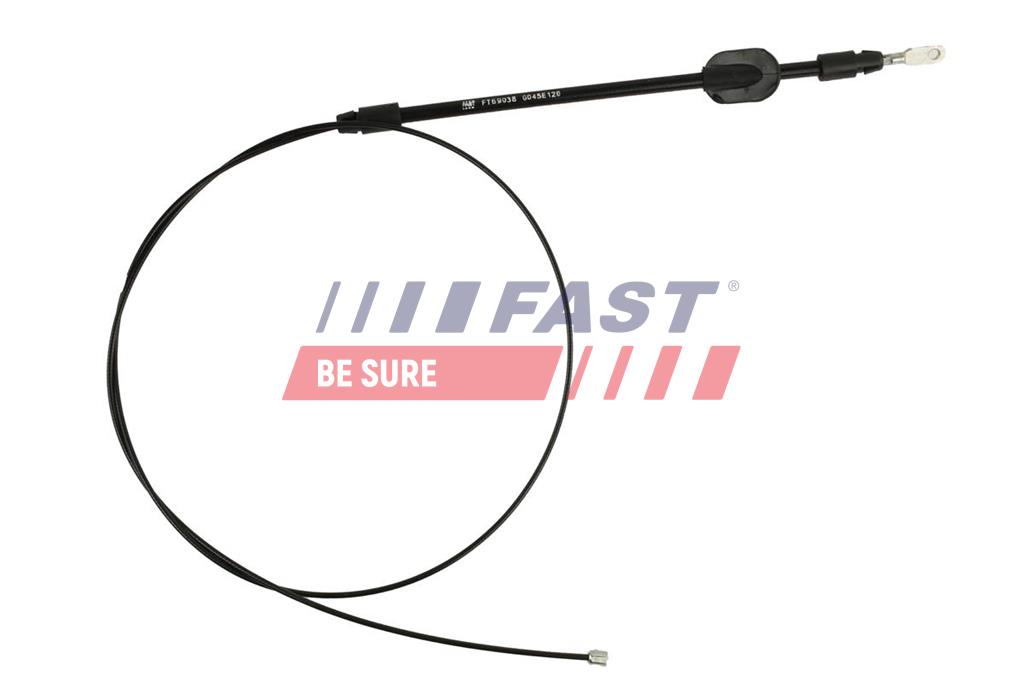
FT69038 CABLE DE FRENO MERCEDES SPRINTER 06> 906 DELANTERO 1805/306 MM
CABLE DE FRENO MERCEDES SPRINTER 06> 906 DELANTERO 1805/306 MM
FT69206 CABLE DE FRENO IVECO DAILY 06> TRASERO IZQ./DCHA. 1266/920 MM
CABLE DE FRENO IVECO DAILY 06> TRASERO IZQ./DCHA. 1266/920 MM
FT69105 CABLE DE FRENO FIAT SCUDO / ULYSSE 95> TRASERO IZQ. TAMBOR DE FRENO 1.6/1.9D
CABLE DE FRENO FIAT SCUDO / ULYSSE 95> TRASERO IZQ. TAMBOR DE FRENO 1.6/1.9D
FT69182 CABLE DE FRENO FIAT DUCATO 06> DELANTERO 2295/1980MM
CABLE DE FRENO FIAT DUCATO 06> DELANTERO 2295/1980MM
FT69116 CABLE DE FRENO ALFA 147 /156 00> TRASERO DCHA. 1170/900MM #1.6-1.9 JTD
CABLE DE FRENO ALFA 147 /156 00> TRASERO DCHA. 1170/900MM #1.6-1.9 JTD
FT69009 CABLE DE FRENO FORD TRANSIT 06> TRASERO DCHA. 07> RWD #994/769 MM
CABLE DE FRENO FORD TRANSIT 06> TRASERO DCHA. 07> RWD #994/769 MM
FT69055 CABLE DE FRENO RENAULT MASTER III 10> DELANTERO 1032/757 MM
CABLE DE FRENO RENAULT MASTER III 10> DELANTERO 1032/757 MM
FT69016 CABLE DE FRENO FORD TRANSIT 06> TRASERO DCHA. 1235/1033 MM
CABLE DE FRENO FORD TRANSIT 06> TRASERO DCHA. 1235/1033 MM
FT69126 CABLE DE FRENO FIAT MULTIPLA 98> TRASERO DCHA. 1.6/1.9 JTD #2014/1667 MM
CABLE DE FRENO FIAT MULTIPLA 98> TRASERO DCHA. 1.6/1.9 JTD #2014/1667 MM
1 / 61

Brake cables are essential to your vehicle’s braking system, ensuring safety on the road. Discover high-quality options in our FAST original catalogue, compatible with top brands like Renault and Ford. Stay safe: understand the costs and implications of handbrake cable replacement and parking brake issues. Act now to maintain your vehicle’s performance. Explore our comprehensive range and make informed choices for reliable, effective braking solutions, all backed by a 5-year warranty.

Brake cables and their importance in vehicle safety

Brake cables are crucial components in maintaining vehicle safety, acting as the vital link between the driver’s control and the vehicle’s braking mechanisms. These cables are essential for both handbrake and parking brake systems, ensuring that your vehicle can come to a safe and complete stop when necessary. A well-functioning set of brake cables provides peace of mind, knowing that your braking system is reliable. However, these components can face issues over time, such as a parking brake cable snapped, which can compromise safety and require immediate attention. The importance of regular inspection and maintenance cannot be overstated, as timely identification and resolution of such problems can prevent potential accidents. When a cable does fail, understanding the handbrake cable replacement cost becomes essential, as this is a necessary investment in your vehicle’s safety and performance. Regular checks and maintenance help in identifying wear and tear before they escalate into significant issues, ensuring the cables remain in optimal condition, supporting your vehicle’s braking system with confidence.

Replacing and maintaining brake cables

Proper maintenance and timely replacement of brake cables are essential to ensure your vehicle’s braking system remains effective and safe. These components can wear out or become damaged, leading to potential issues such as an emergency brake cable getting stuck. Regular maintenance checks are advised to avoid such situations. Here are some key points to consider:

  • Inspect brake cables regularly for signs of wear and tear. Early detection prevents more costly repairs and maintains compliance with original-equipment parameters.
  • Replace cables immediately if issues such as an emergency brake cable stuck arise, which can compromise safety.
  • Understand the handbrake cable replacement cost to prepare for necessary expenses while maintaining budget flexibility.
  • Neglecting maintenance can lead to severe safety risks and higher costs in the long run, as failing cables can compromise the entire braking system.

Regular upkeep not only ensures the cables function correctly but also prolongs their lifespan, reducing the frequency of replacements. By staying informed and addressing issues promptly, you can maintain the reliability and safety of your vehicle’s braking system, installed with confidence and a 5-year warranty.

Tips for effective brake adjustment

Proper brake cable adjustment is crucial for maintaining optimal vehicle performance and safety. If issues such as a parking brake cable snapped occur, ensure all components are correctly adjusted. Here are some practical tips on how to adjust the handbrake cable effectively:

  • First, locate the adjustment nut near the handbrake lever or underneath your vehicle, depending on the model.
  • Loosen the locknut using a suitable wrench to adjust the tension in the cable efficiently.
  • Carefully tighten the adjustment nut until you achieve the desired tension, ensuring the handbrake engages without excessive force, a step conforming to original-equipment quality.
  • Test the handbrake on a slight incline to confirm it holds the vehicle securely and make further adjustments as necessary.
  • Regularly check and maintain your cables to prevent issues and extend their lifespan.

These steps will help ensure your handbrake operates smoothly, providing reliable performance and safety on the road. Knowing how to adjust the handbrake cable properly enhances your vehicle’s condition, with parts that fit perfectly.

FAQ

A snapped handbrake cable can manifest through several indicators:

  • The handbrake lever pulls up excessively without engaging the brakes.
  • The vehicle rolls when parked on an incline, indicating the handbrake isn’t holding.
  • Unusual noises, such as grinding or squealing, when engaging or releasing the handbrake.
  • Visible damage to the cable, including fraying, rust, or breaks.

Regular inspection of parking brake cables is essential for vehicle safety. It’s recommended to:

  • Have the parking brake cable inspected during routine maintenance, typically every 15,000-30,000 miles.
  • Lubricate cable mechanisms every 30,000 miles.
  • Adjust cable tension annually.
  • Conduct a complete system inspection every 2 years.

Vehicles in areas with harsh winters or high salt exposure may require more frequent inspections.

Driving with a stretched brake cable is not advisable. A stretched cable can lead to:

  • Reduced effectiveness of the parking brake, increasing the risk of the vehicle rolling when parked.
  • Potential for the handbrake to fail completely, compromising vehicle safety.
  • Increased wear on other braking components due to improper tension.

It’s crucial to address a stretched brake cable promptly to maintain optimal braking performance and safety.