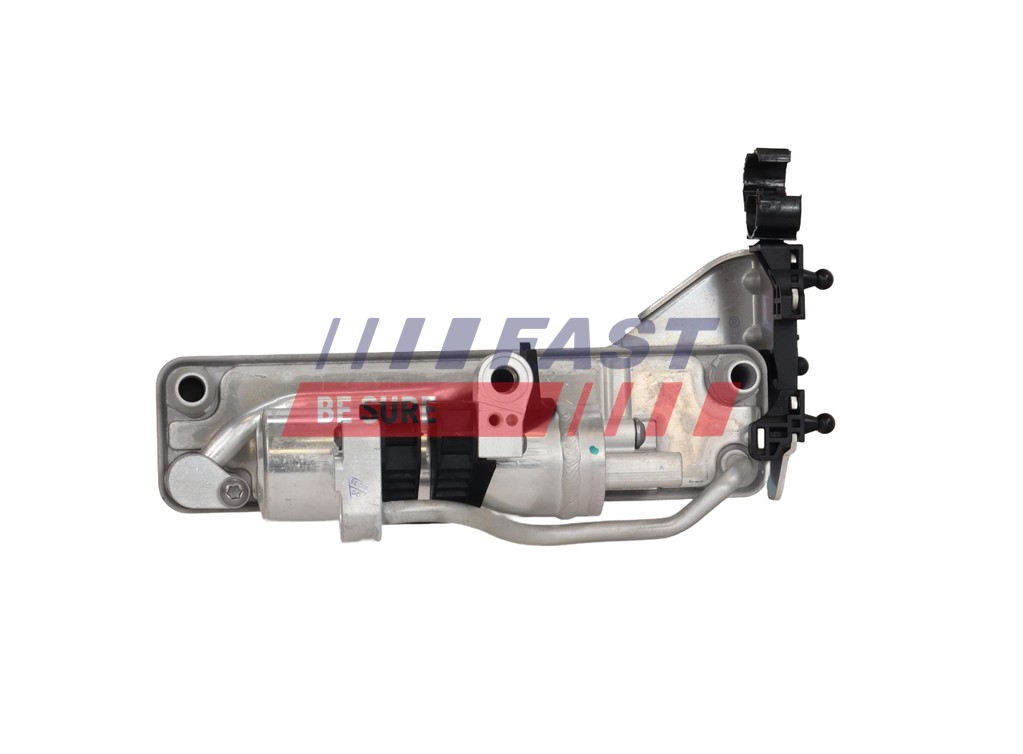
CONDENSADOR AIRE ACONDICIONADO BMW 3 F30/F80 11>


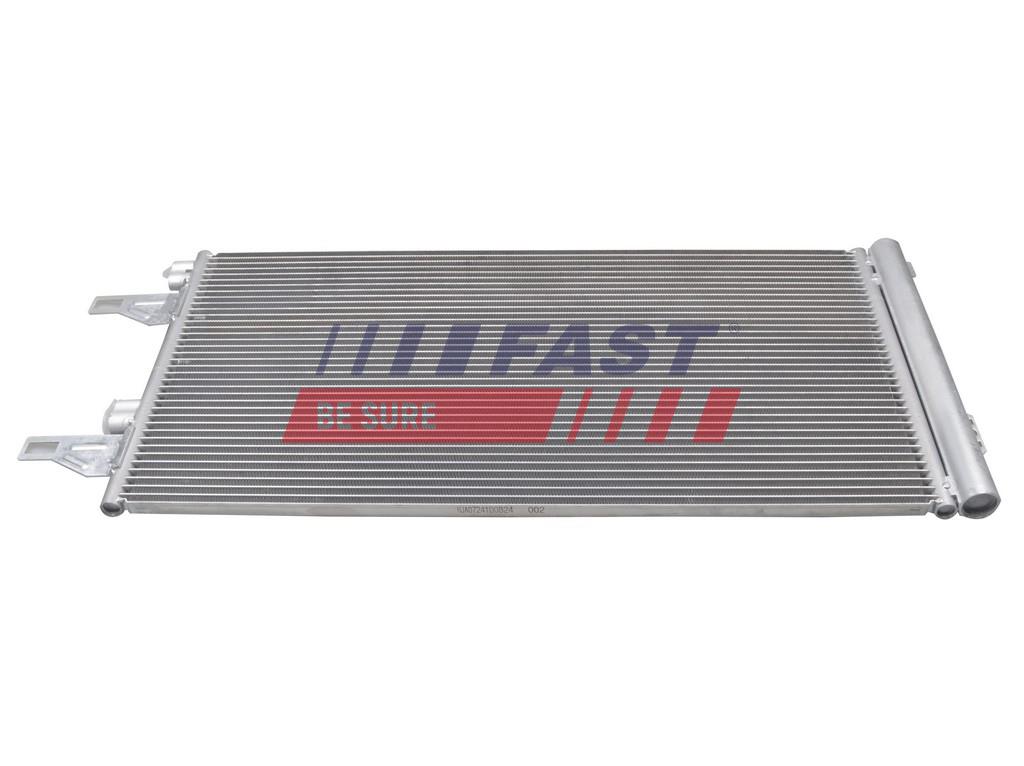
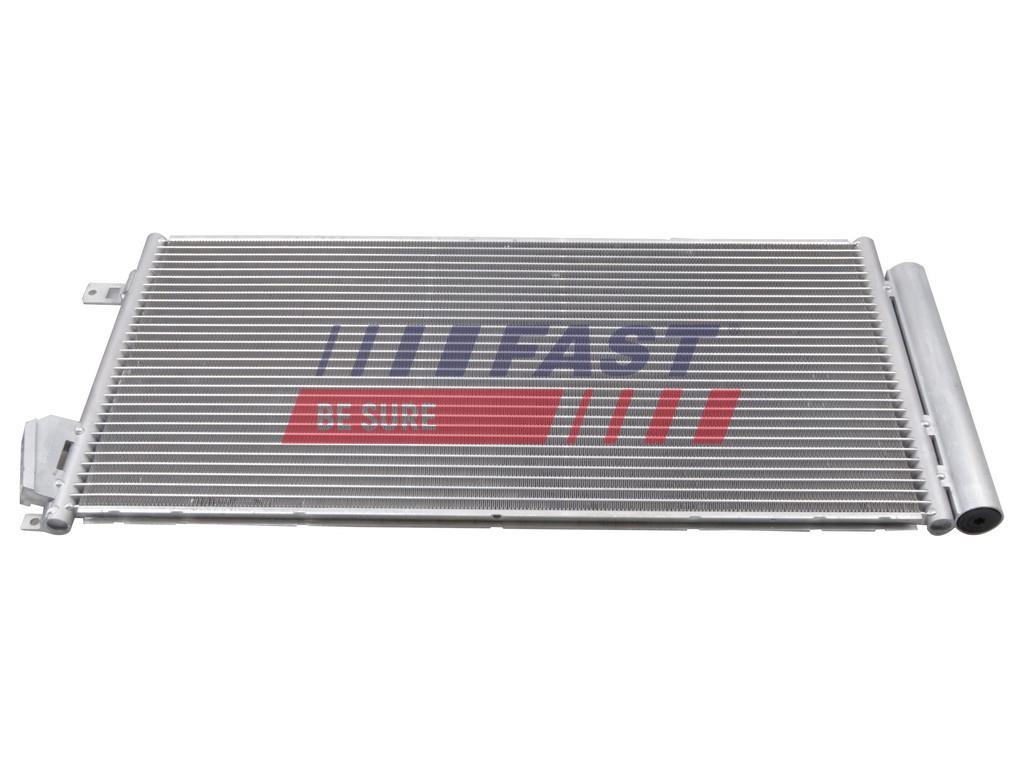

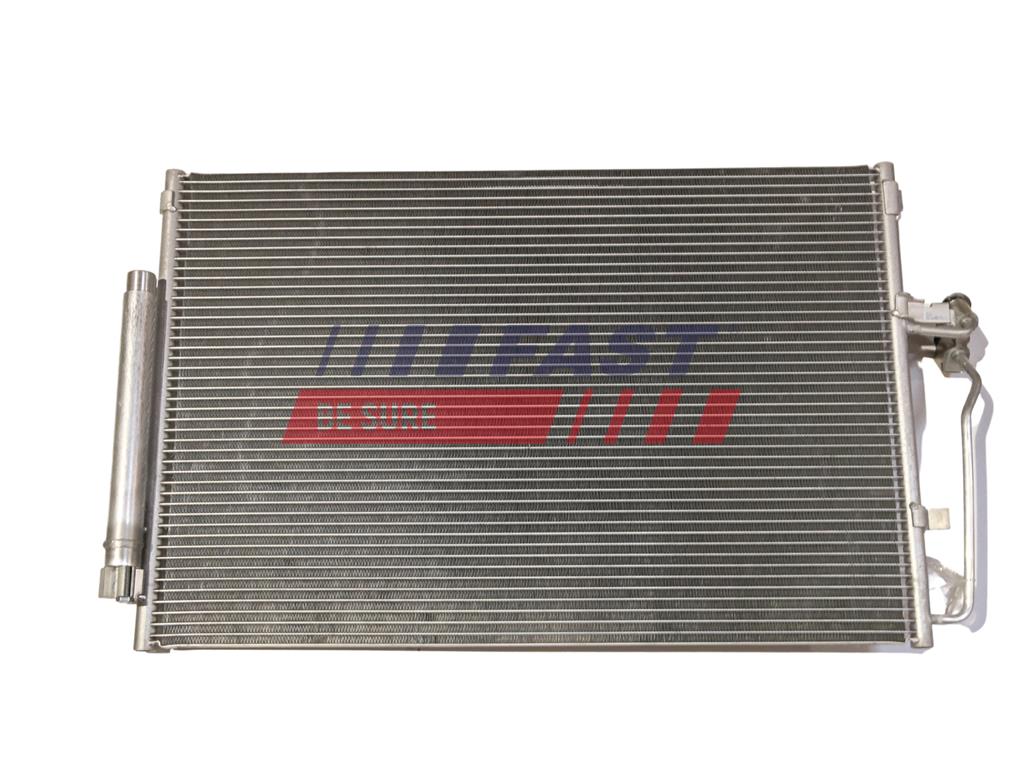
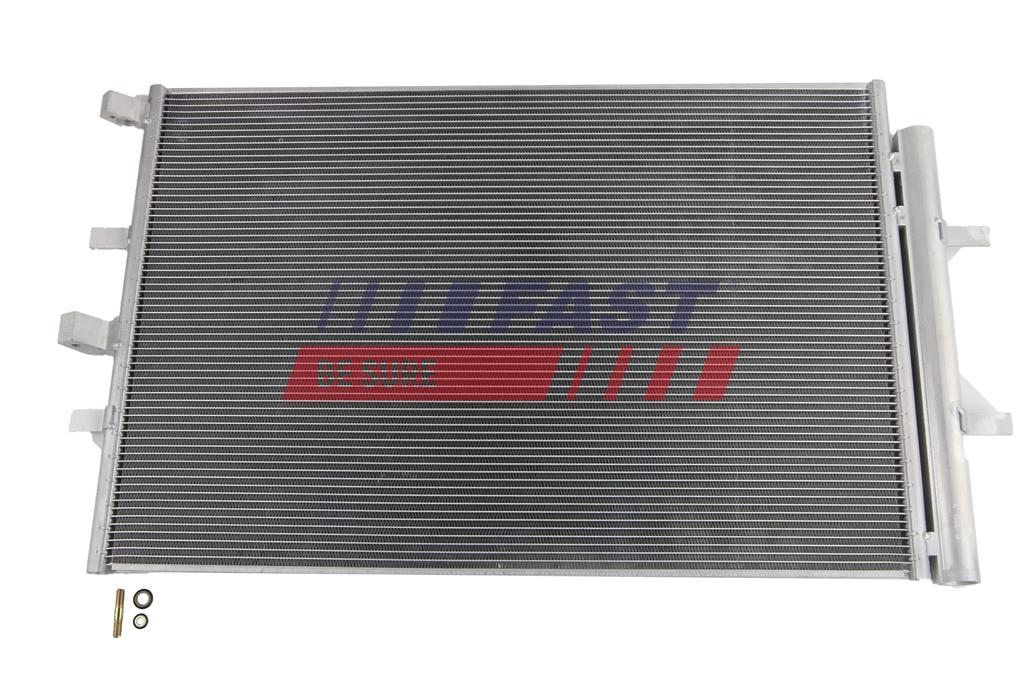

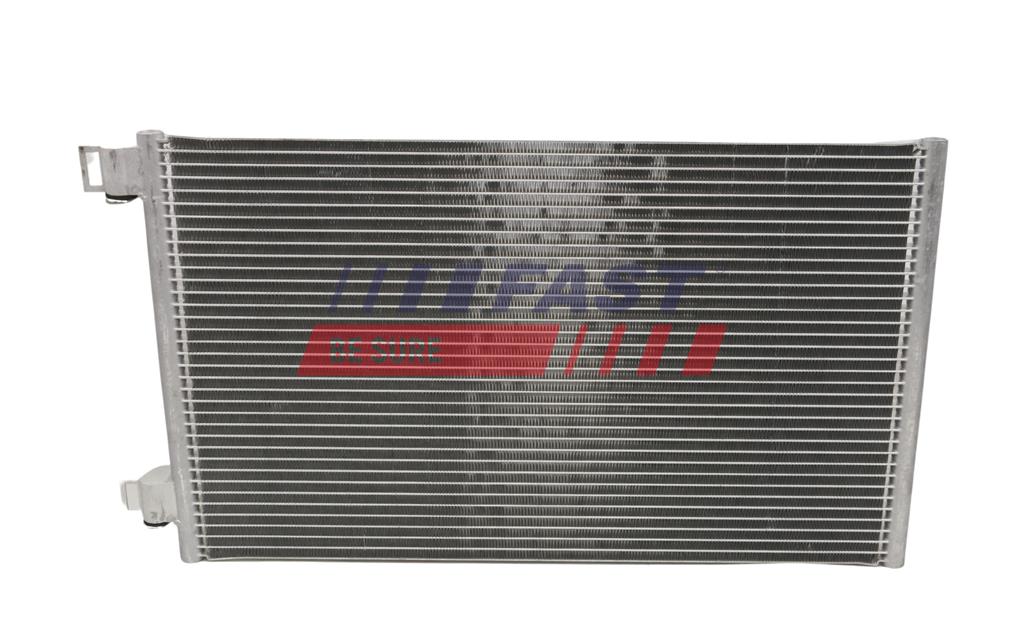


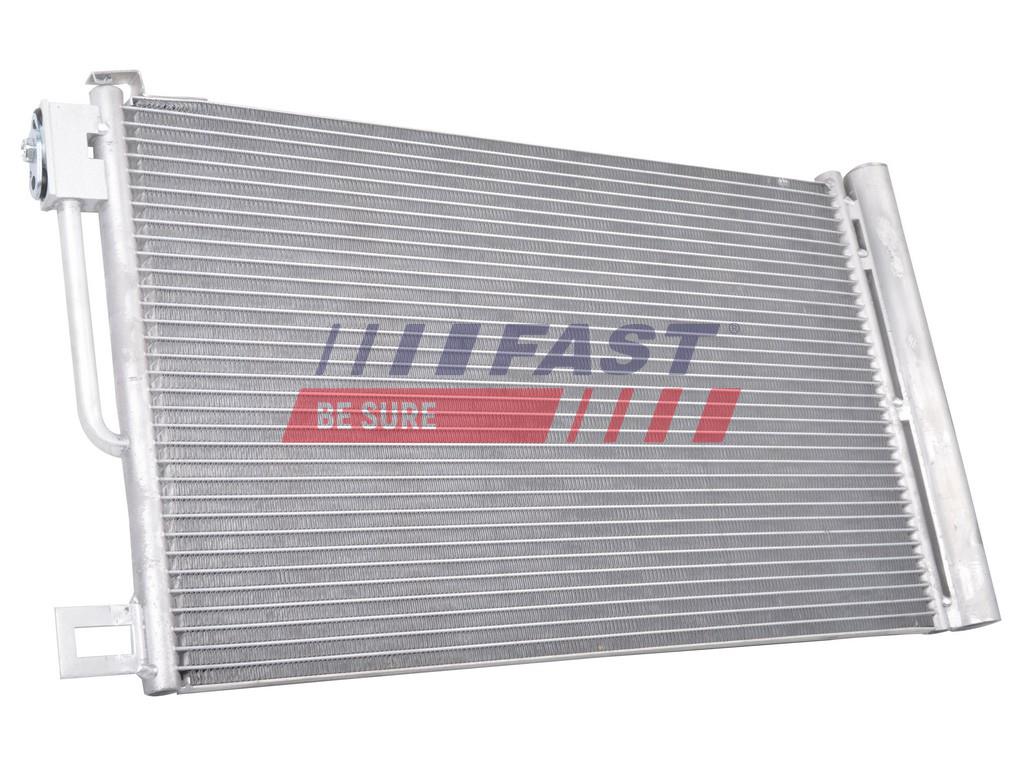
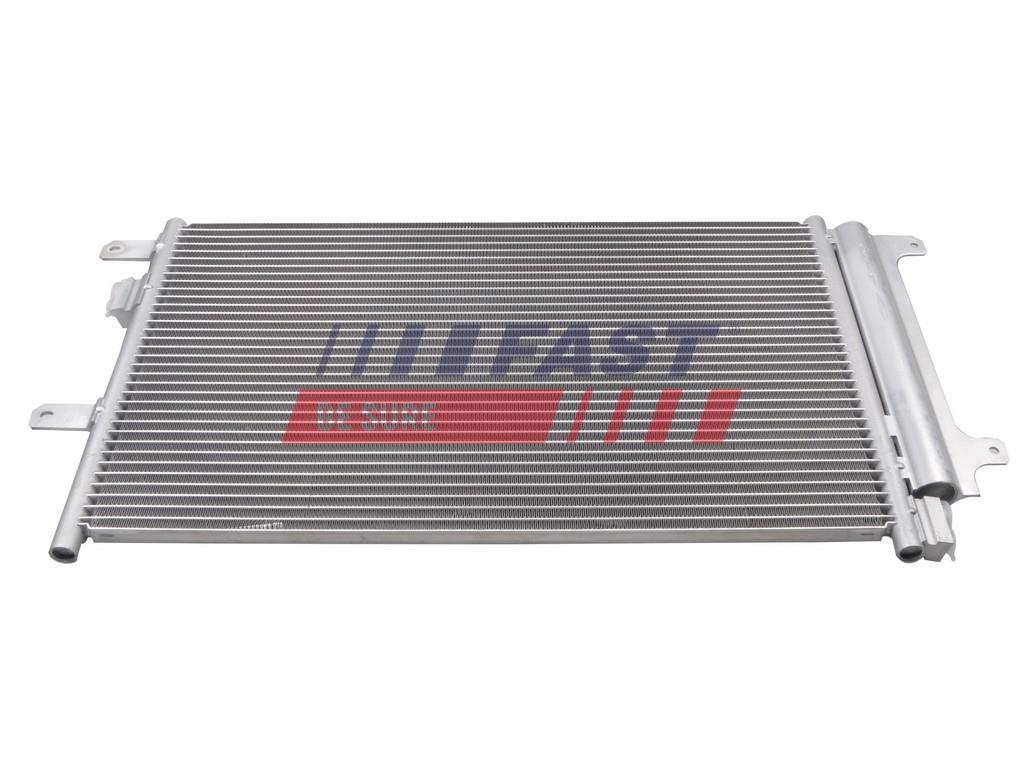
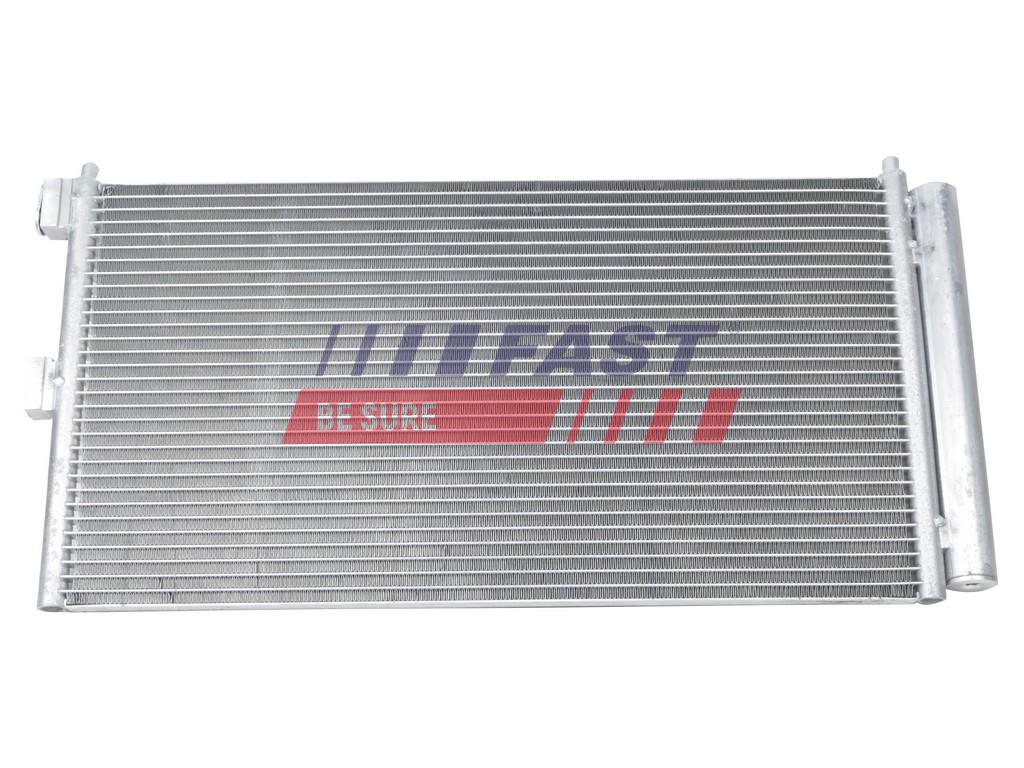
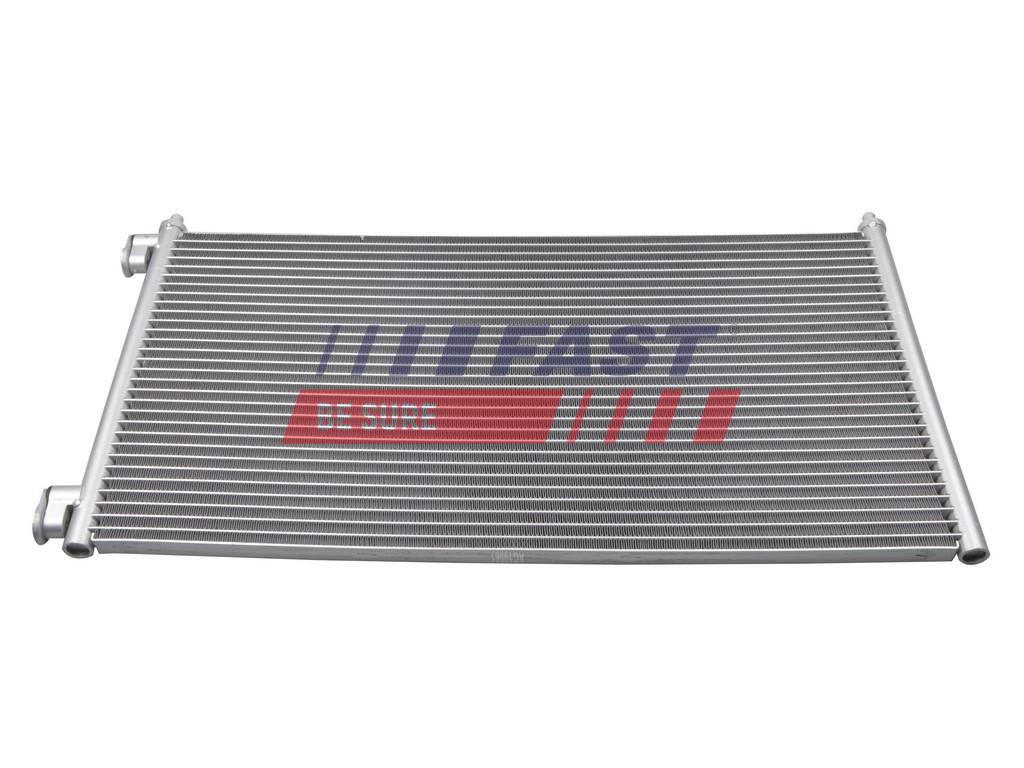
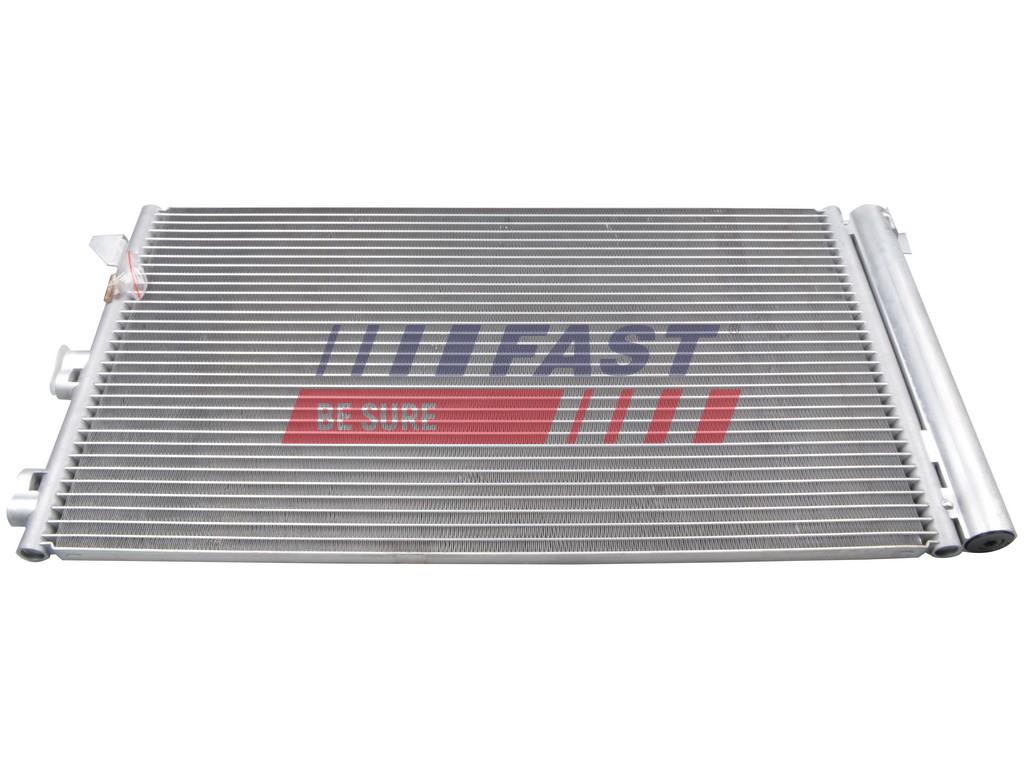
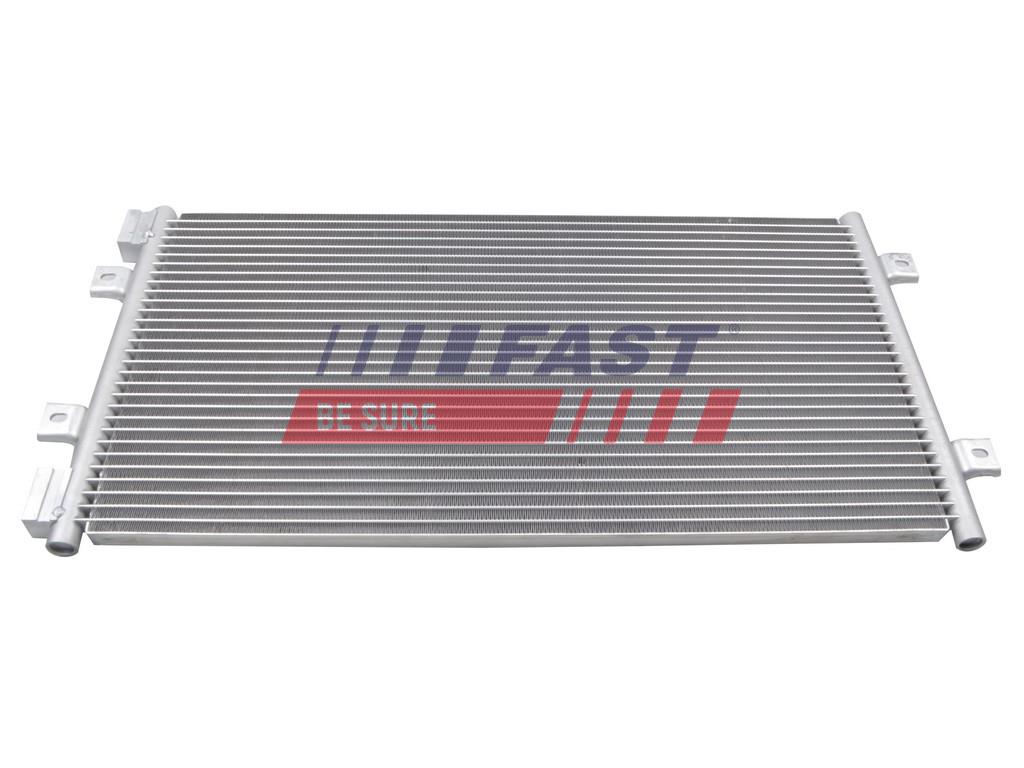


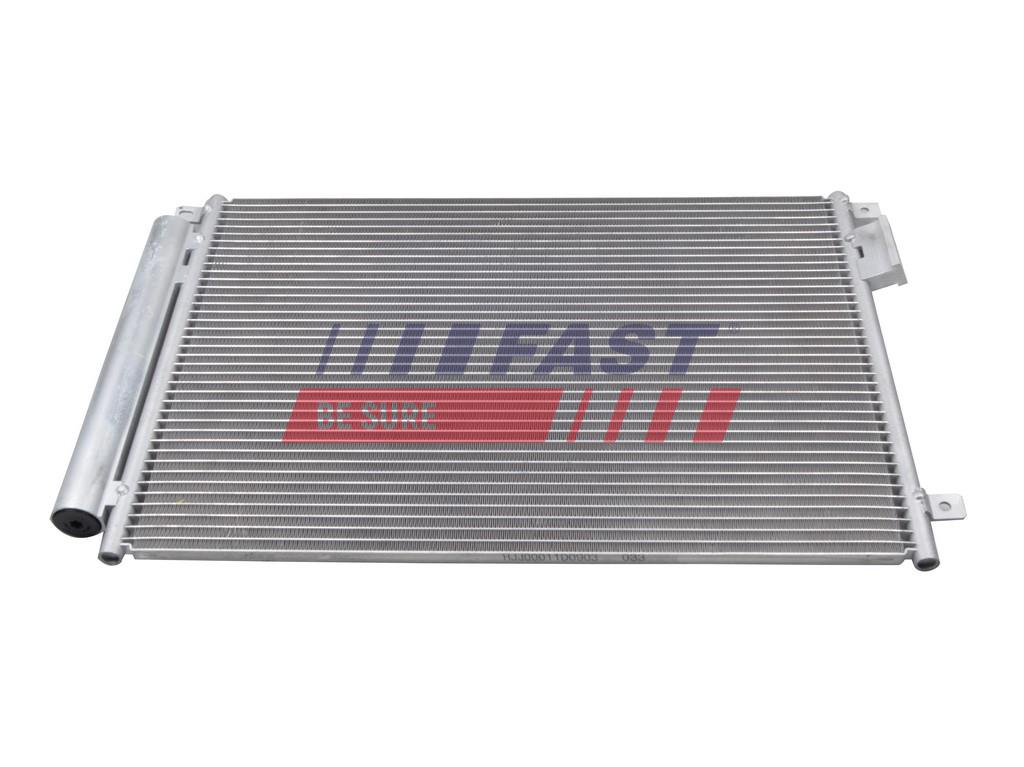
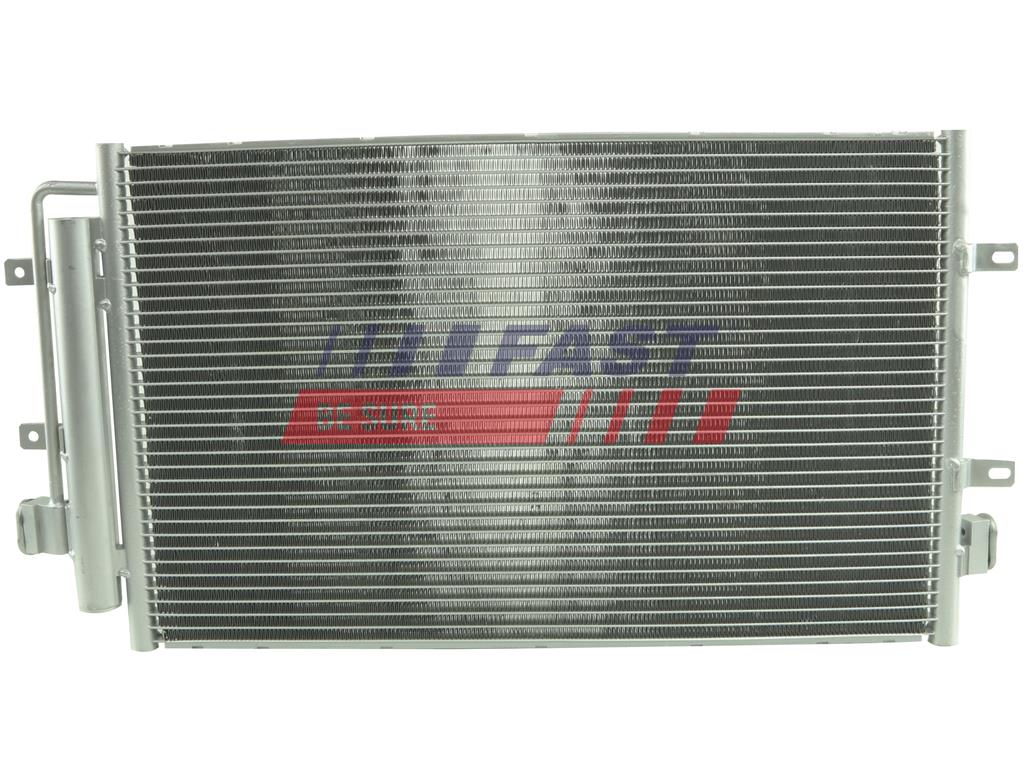
Explore the extensive range of high-quality condensers available in our FAST original catalogue, perfect for both commercial and passenger vehicles. Whether you’re facing issues like leaking ac condenser symptoms or need guidance on maintaining your car air conditioner condenser, we’ve got you covered. Stay ahead with our latest offerings and ensure optimal performance. Delve into our vast selection today and keep your vehicle’s air conditioning in top shape!
A well-functioning condenser is crucial to the optimal operation of your car’s air conditioning system. The primary role is to dissipate heat, allowing the refrigerant to cool and convert into a liquid before it moves through the rest of the system. When issues arise, they can significantly impact overall performance. One common problem is a leaking ac condenser, which manifests through various symptoms. Reduced cooling efficiency is a primary indicator, where you may notice that your vehicle’s cabin isn’t as cool as it should be. This usually happens because the refrigerant level drops due to leaks, impairing the system’s ability to cool the air effectively. Another symptom is visible refrigerant leaks underneath the vehicle, often accompanied by an oily residue around the condenser or on nearby components. Additionally, an unusual hissing noise may be heard, indicating refrigerant escaping from the system. Addressing these symptoms promptly can prevent further damage, maintain comfort during travel, and avoid costly repairs. Regular inspection and maintenance play a vital role in ensuring that your condenser operates efficiently, preserving the longevity of your vehicle’s air conditioning system.
Selecting the right car air conditioner condenser for your vehicle is crucial for efficient system functioning. Start by identifying the specific requirements of your car model, as each vehicle may demand a unique condenser. Compatibility is key; therefore, it is essential to choose a condenser that matches your vehicle’s make and model specifications. Equally important is the brand selection, where opting for a reputable manufacturer guarantees quality and reliability. Performance considerations should not be overlooked; high-quality condensers deliver optimal cooling performance, ensuring the refrigerant efficiently dissipates heat. The fit of the condenser is another critical aspect, as an ill-fitting component can lead to operational inefficiencies and even potential damage over time. A properly fitting condenser not only enhances system performance but also plays a vital role in comfort within the vehicle. Investing time in selecting the appropriate condenser pays dividends in maintaining the system’s longevity and effectiveness, ensuring your vehicle remains comfortably cool during even the hottest months.
Proper maintenance of your vehicle’s condenser is essential for efficient operation and extending its lifespan, which can save on ac condenser replacement cost. One effective maintenance technique is regularly cleaning ac condenser fins, which are crucial for the heat dissipation process. Dirt or debris accumulation can significantly hamper efficiency, so gently cleaning the fins with a soft brush or compressed air can prevent blockages that reduce airflow and cooling performance. Additionally, inspecting the condenser for any signs of damage or corrosion can help catch potential issues early. Ensuring that the area around the condenser is free from obstructions will also aid in maintaining optimal performance. Routine checks and maintenance not only enhance the condenser’s efficiency but also contribute to a more reliable and durable air conditioning system, keeping your vehicle comfortable and functional for longer periods. Remember, investing in such preventive measures supports a smart choice in maintenance and longevity.
The condenser is a vital component in your car’s air conditioning system, responsible for dissipating heat from the refrigerant. Positioned at the front of the vehicle, it receives high-pressure, high-temperature refrigerant gas from the compressor. As air flows over the condenser’s fins, the refrigerant cools and transitions into a liquid state. This process releases heat to the outside air, allowing the cooled liquid refrigerant to continue through the system, ultimately providing cool air inside the vehicle.
To inspect your A/C condenser for leaks, start with a visual examination for signs such as oily residues, corrosion, or physical damage like dents and punctures. For a more thorough check, you can use a UV dye leak detection kit: inject the dye into the A/C system, run the air conditioner, and then use a UV light to spot any fluorescent dye escaping from leaks. Alternatively, applying a soapy water solution to suspected areas and looking for bubbles can help identify leaks. If you’re uncertain or unable to detect leaks, it’s advisable to consult a professional technician.
Yes, a damaged condenser can significantly impair your vehicle’s air conditioning performance. Issues such as leaks, blockages, or physical damage can prevent the condenser from effectively dissipating heat, leading to reduced cooling efficiency or even a complete loss of cooling. Additionally, a malfunctioning condenser can cause the A/C system to overheat, potentially resulting in further damage to other components. Promptly addressing condenser problems is essential to maintain optimal air conditioning functionality.

Por que vale a pena? Todas as semanas muitas notícias de novos produtos que não pode perder. Basta introduzir o seu endereço de correio electrónico e desfrutar do acesso à base de dados de novos produtos da marca FAST. O portfólio da marca cresce até várias dezenas de produtos todas as semanas. Não perca a oportunidade de expandir a sua oferta com novos códigos FAST, registe-se agora!