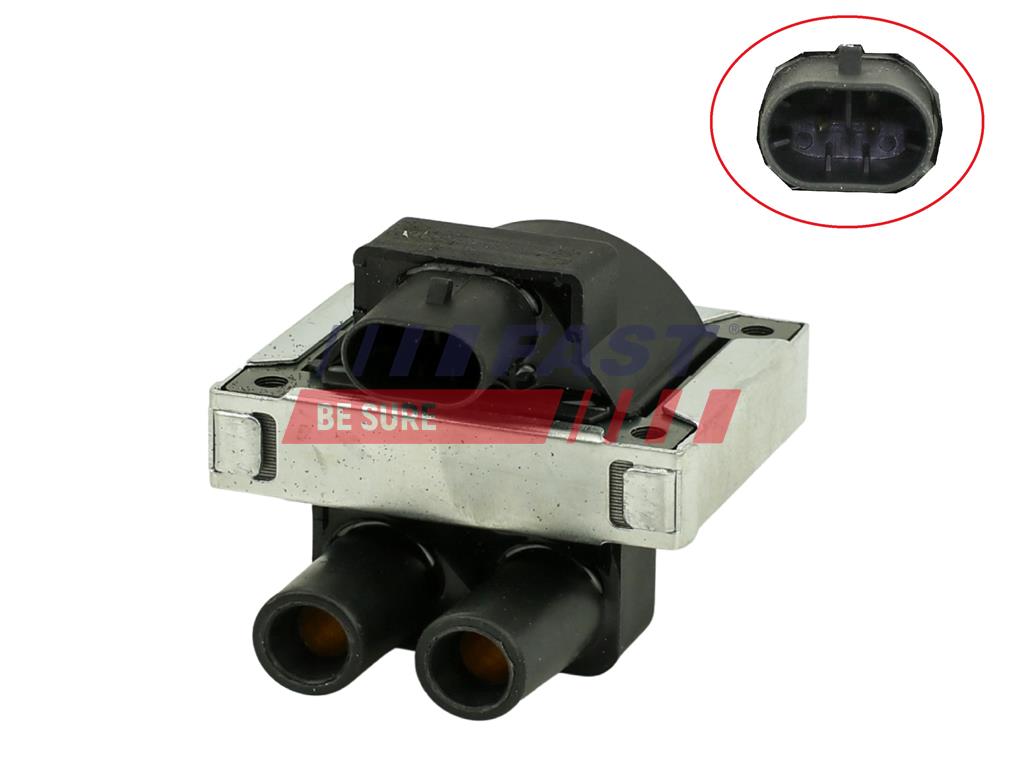
BOBINA ACCENSIONE FIAT DOBLO 00> 1.2

The ignition coil is an essential component in your vehicle’s ignition system. Ensuring it functions optimally can prevent issues like engine misfires and poor fuel economy. In this guide, we’ll explore the importance of maintaining your ignition coil, how to identify symptoms of failure, and steps you can take to test it effectively. Stay ahead of potential problems by learning how to manage and troubleshoot your ignition coil efficiently.
The ignition coil is an indispensable element in the ignition system of vehicles, playing a pivotal role in ensuring the engine runs smoothly and efficiently. By converting the low voltage from the vehicle’s battery into the high voltage necessary to ignite the fuel-air mixture in the engine’s cylinders, the ignition coil ensures that the engine starts reliably and operates at peak performance. Regular maintenance is crucial, as any malfunction can lead to issues affecting engine performance. Over time, wear and tear can affect its performance, making it essential to be vigilant about potential signs of failure. The ignition coil pack replacement cost varies based on the vehicle, but promptly addressing issues can prevent more costly repairs down the line.
Recognising bad ignition coil symptoms early can save you from costly repairs and ensure your vehicle continues to operate smoothly. Common symptoms include an engine misfire, noticeable loss of power during acceleration, and poor fuel economy. A faulty coil can also trigger the vehicle’s check engine light. By understanding and identifying these problems, such as engine misfire in a cylinder or related issues, you can ensure timely maintenance and keep your vehicle running optimally.
Knowing how to test ignition coil functionality is vital for diagnosing vehicle issues before they escalate. To begin, gather tools: a multimeter, safety gloves, and eye protection. Locate the ignition coil near the engine and disconnect the battery for safety. Remove the coil and use the multimeter to measure resistance. Readings should fall within the manufacturer’s specified range. If outside, it indicates a faulty coil, which could lead to bad ignition coil symptoms like engine misfires. Regular testing can safeguard against severe engine issues and maintain efficiency.
A faulty ignition coil can manifest through various signs, including engine misfires, rough idling, loss of power, and decreased fuel efficiency. You might also experience difficulty starting the vehicle, stalling, or notice the check engine light illuminating. Prompt attention to these symptoms is crucial to prevent further engine damage.
To test an ignition coil, you’ll need a multimeter. First, ensure the engine is off and the battery is disconnected. Locate the ignition coil and remove it from its housing. Using the multimeter, measure the primary and secondary resistance of the coil. Compare these readings to the manufacturer’s specifications. Deviations from the standard values indicate a faulty coil that may require replacement.
It’s not always necessary to replace all ignition coils simultaneously. If only one coil is faulty, replacing that specific coil may suffice. However, if your vehicle has high mileage or multiple coils are showing signs of wear, replacing all coils can ensure consistent performance and prevent future issues. Consulting with a qualified mechanic can provide guidance tailored to your vehicle’s condition.

Perché ne vale la pena? Ogni settimana una marea di nuovi prodotti che non puoi perdere. Wystarczy podać swój adres e-mail i korzystać z dostępu do bazy nowych produktów marki FAST. Il portafoglio del marchio viene arricchito con diverse dozzine di prodotti ogni settimana. Non perdere l’opportunità di ampliare la tua offerta con i nuovi codici FAST, registrati ora!